I get it: you want a neat wardrobe that reads like quiet luxury, not a flashy spend. I’ve spent years testing small rituals that lift basic pieces and save time and money, and they actually work.
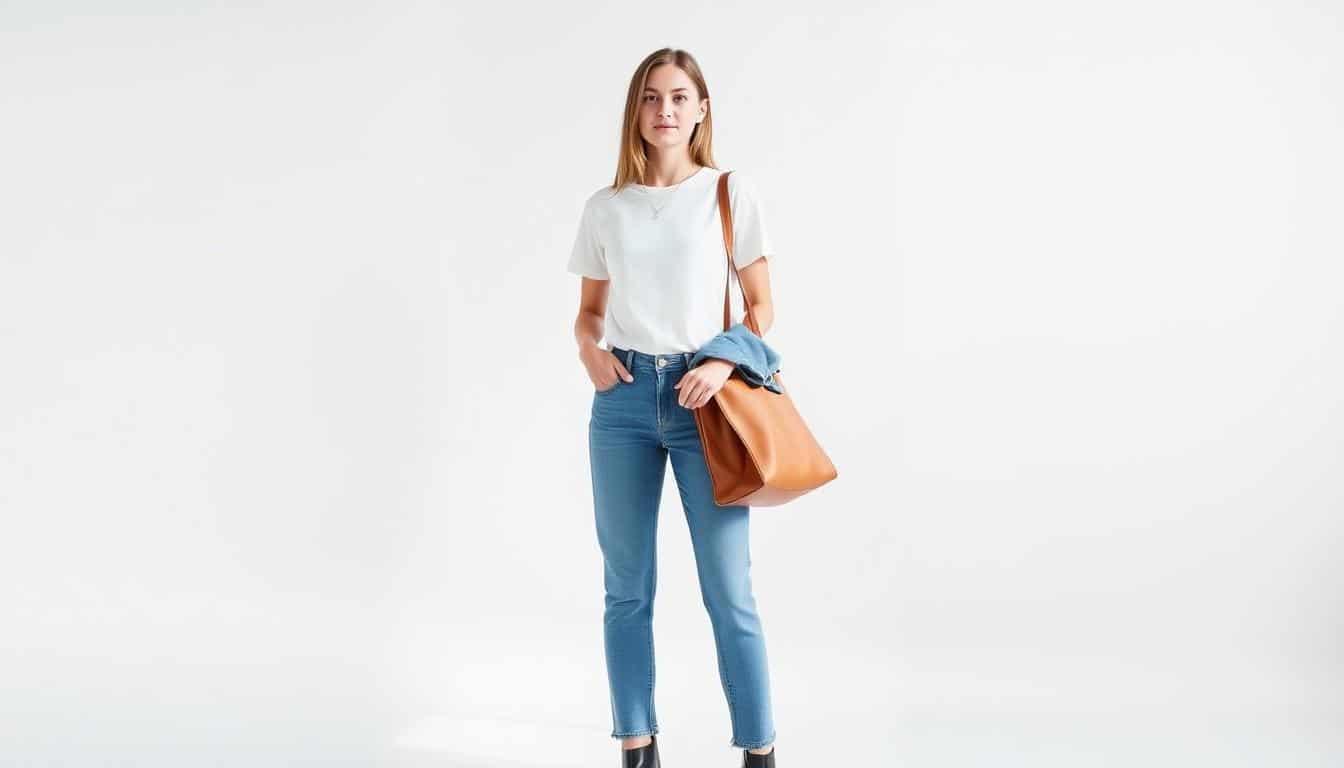
Start with fit and clean lines. A plain tee and straight jeans become a strong base when they fit right. Neutrals and a polished belt make the whole outfit read intentional.
Care matters. Steaming, lint rolling, and tiny tailoring sharpen items more than a higher price tag ever will. I also mix secondhand finds with simple new pieces for balance. These little details build confidence and a lasting style you can rely on year after year.
Key Takeaways
- Fit and color do most of the heavy lifting.
- Use a clean base—think white tee and straight jeans.
- Simple care steps instantly sharpen any piece.
- Mix secondhand luxury with affordable staples.
- Small details save time and boost confidence daily.
Let’s set you up to look luxe on a budget
Here’s a friendly roadmap for getting polished outfits from basics you already own.
First, choose your go‑to base: a plain tee and jeans or a simple knit and trousers. That keeps your wardrobe grounded before you add layers or accessories.
Pick one focus each day—strong accessories or a standout color—so your outfit reads refined, not busy. Set a simple palette for the week: neutrals plus one accent color. Getting dressed becomes faster and more intentional.
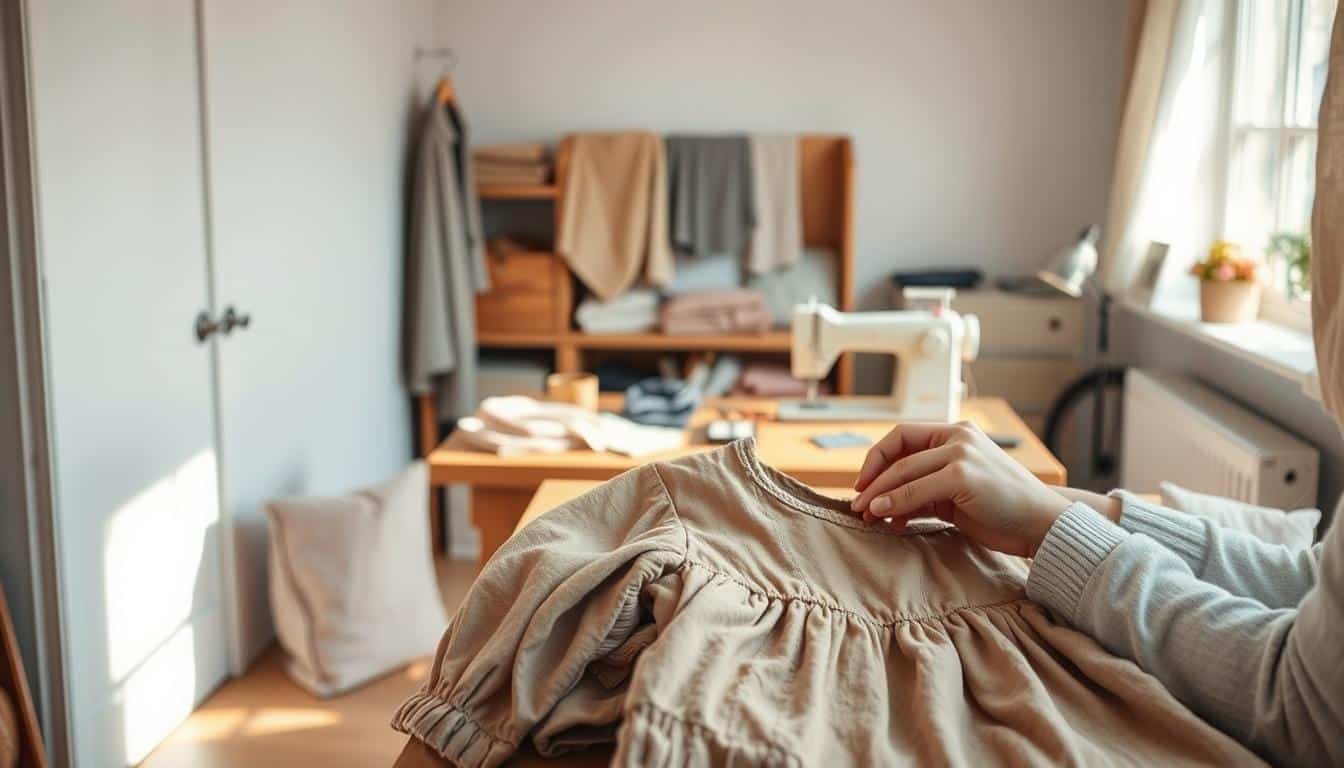
I keep a mini rail of ten pieces for rushed mornings: tops, bottoms, one jacket, and two accessories. Five minutes of care—steam, lint roll, check hems—protects the quality and the price you paid.
- Keep a short shopping list on your phone: a belt, neutral bag, flat hoops, a watch.
- When you buy a piece, check fiber content and seams quickly so it blends into your style.
- Plan light beauty touches—clean hair, tidy nails, soft makeup—so everything supports the outfit and boosts confidence.
Nail the fit first: the fastest upgrade to any outfit
A garment that fits well reads like it was made for you—no label needed. I start by noting shoulder width, rise, and inseam. That helps me pick jeans and trousers that sit where my body needs them.
Do quick checks at home: raise your arms, sit, walk, bend. Make sure seams don’t pull and hems don’t drag. This one thing fixes half of dressing stress and saves time.
Understand your body architecture
For dresses and skirts, check where the hem hits. Mid‑knee or ankle flatters many frames. Look at dart placement and shoulder seams; when they match your frame, pieces read custom.
Simple tailoring that feels custom
- Mark problem spots by hand with clips or pins.
- Ask a tailor to take in a waist, shorten sleeves, or hem trousers.
- Batch fixes in a “to-tailor” bag for faster service and less cost.
Fit checks before you buy
For jeans, test the waist-gap and pocket placement. Higher, centered pockets often make the rear look lifted. For blazers, sleeves should hit the wrist bone and the front should close without strain.
| Garment | Quick fit check | Simple alteration |
|---|---|---|
| Blazer | Front closes, sleeves at wrist bone | Take in sides or shorten sleeves |
| Jeans | Waist gap, pocket placement | Adjust waist, hem length |
| Trousers | Rise fits, hem doesn’t drag | Adjust rise, hem trousers |
| Dress | Seams smooth, hem at flattering point | Tweak darts, shorten or lengthen hem |
Color choices that read “polished” every time
A few smart color choices will make a basic outfit feel intentional and calm.
Neutrals that mix easily and look refined
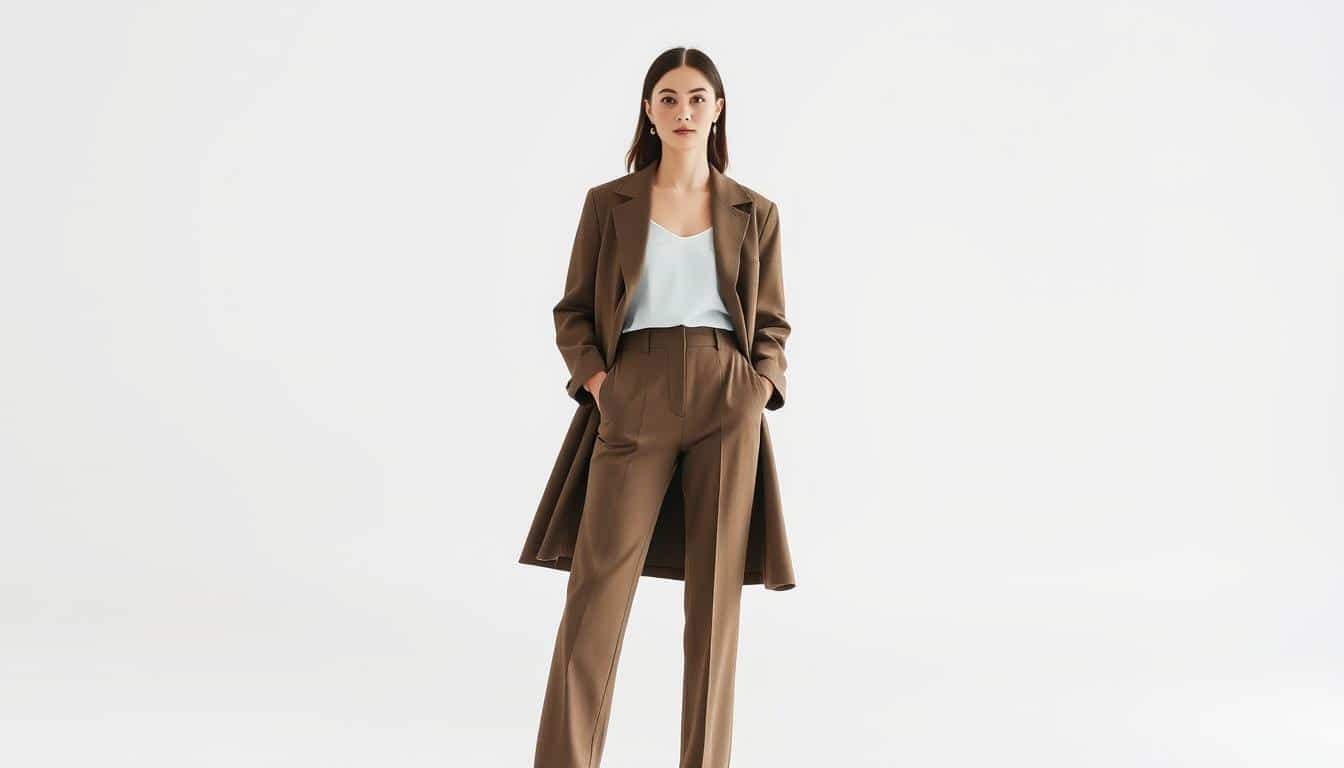
Build a base using navy, cream, camel, or chocolate. These tones pair well and hide small styling blips.
Add one accent—maybe a belt or bag—and your style reads quiet and considered.
Pastels and gemstone tones that flatter and feel elevated
Pastels like powder blue or blush feel soft. Gemstone shades like emerald or sapphire feel rich.
Pick one that flatters your undertone and keep the rest muted.
Use the “sandwich” method to tie your look together
Repeat a color in your top and shoes, then place a neutral or denim in the middle. It’s an easy trick that makes outfits hang together.
Keep clashing to a minimum with block color
If prints confuse you, choose one color head‑to‑toe or two shades max. Finish with accessories that echo your palette and you’ll make look intentional every day.
Fabric and finish: what looks high-quality without the price
Choosing the right fibers and a short care ritual boosts how your pieces present.
Natural fabrics often read more refined. Cotton, wool, silk and good viscose hold shape and show less wear than flimsy blends. A neat weave and tidy stitching are quick signs of quality. When a garment feels sturdy, the clothing will last longer and wear better over the years.

Quick finish tricks that pay off
Spend five minutes each morning. Steam creases, run a lint roller over visible areas, and de‑pill any fuzz. These small steps make each piece look tailored and new.
- Keep a handheld steamer and sweater shaver by the mirror.
- Check seams, hems, and buttons before buying.
- File rough nails so knits don’t snag.
| Fiber | Why it reads high | Quick care |
|---|---|---|
| Cotton | Clean drape, breathable | Steam, wash gently |
| Linen blend | Less crisp crease, looks intentional | Choose smoother weaves, steam |
| Wool | Rich texture, holds shape | Air out, brush lightly, spot clean |
Ways to look expensive with cheap clothes: small styling moves, big payoff
A few thoughtful accessories make basic pieces read intentional and calm. These small edits take minutes and catch the eye in a subtle way.
Statement or delicate jewelry — choose one story
I prefer one clear jewelry point. Pick bold earrings or layered chains, not both. That keeps your top half tidy and the rest of your outfit calm.
Add a belt to define shape
A slim belt creates structure. It works on T‑shirts, shirt dresses, and wide trousers. Simple hardware reads intentional and can make pieces feel tailored.
Bags, glasses, and watches that elevate basics
Swap a slouchy tote for a structured leather bag and a plain watch. Clean glasses with minimal logos frame your face and sharpen your overall style.
Finish with subtle grooming
Soft makeup, neat brows, and wiped shoes hold everything together. I keep a mini kit — lint roller, brush, lip balm — to fix the last 10% before I walk out the door.
- Decide on one jewelry story and stick with it.
- Add a slim belt for instant intention.
- Choose structured bags and clean shoes for a designer hint.
| Upgrade | Immediate effect | Why it works |
|---|---|---|
| Statement jewelry | Draws attention to face | Creates a focal point that hides simple pieces |
| Slim belt | Defines waist | Makes T‑shirts and trousers look polished |
| Structured leather bag | Elevates the whole outfit | Suggests a designer finish without the price |
| Clean shoes & watch | Ties look together | Small maintenance reads as care, not cost |
Polish from head to toe matters
A neat finish at hair, nails, and footwear ties an outfit together fast. These small checks take minutes and help you look good without drama.
Clean, fresh hair you can maintain on busy days
Brush through and tuck hair behind your ears for an instant tidy feel. If you’re low on time, spray dry shampoo at night so roots stay fresh the next morning. Simple, clean hair gives the whole outfit a lifted effect.
Nails that stay neat: neutral, French, or a single bold shade
Pick one easy nail plan and keep the length short to medium. A sheer neutral, a French tip, or one clear bold color reads low‑maintenance and won’t snag your pieces.
Shoes cleaned, conditioned, and in good repair
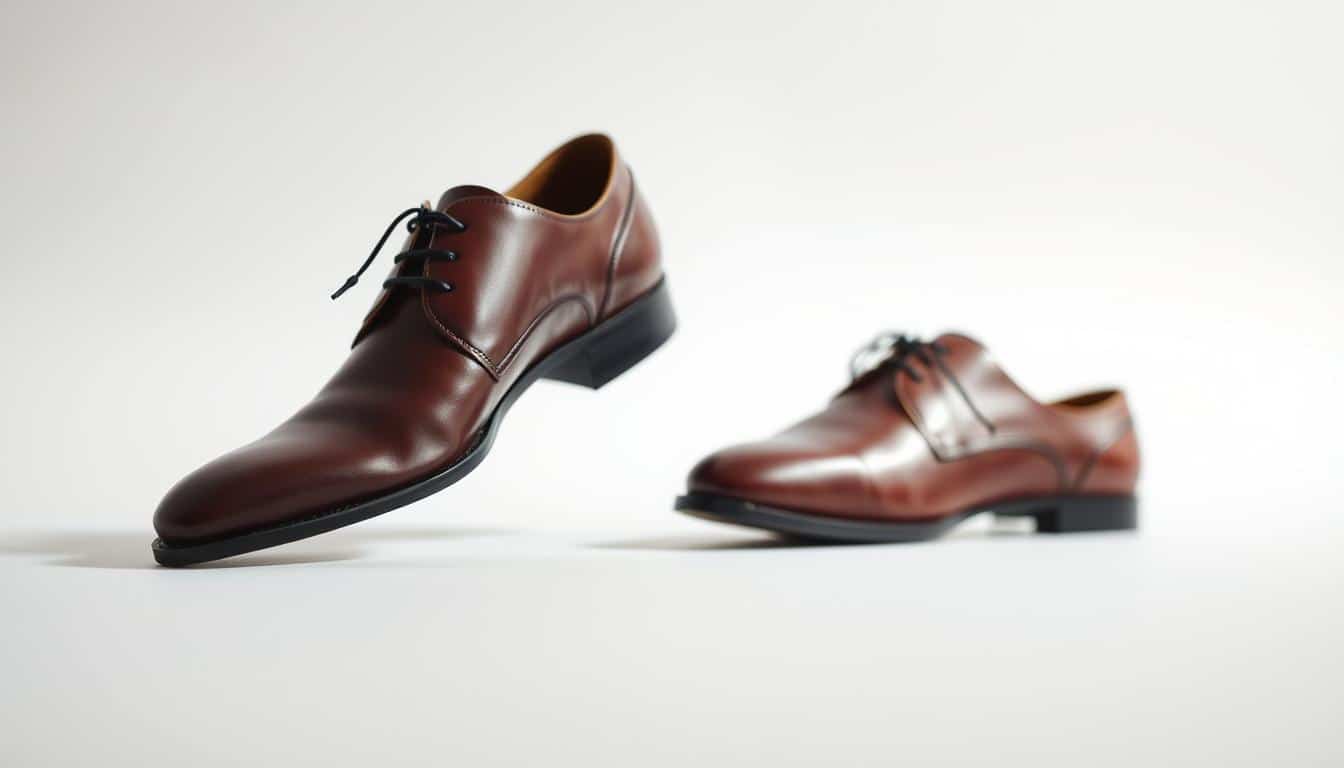
Wipe soles, condition leather, and cap heels when needed. Rotate pairs so they last years and swap laces if they look tired. A tidy shoe signals care and raises perceived quality.
- Keep a tiny kit by the door: lint roller, shoe wipe, hand cream.
- Go light on fragrance; a clean finish supports your confidence.
- Schedule a 15‑minute weekly refresh: trim nails, clean brushes, quick shoe check.
| Quick check | What you do | Why it matters |
|---|---|---|
| Hair | Brush, dry shampoo if needed | Creates a fresh frame for your face |
| Nails | Short, one color or neutral | Prevents snags and looks intentional |
| Shoes | Wipe, condition, cap heels | Extends life, keeps quality visible for years |
Shop smarter: build a high-low wardrobe for less
Smart shopping changes how your pieces perform, not how much you spend. I shop with a short list and a clear color plan. That keeps new buys useful and wearable.
Thrift and resale: find real designer and quality secondhand
Start on Vestiaire, eBay, and Vinted for authenticated designer finds. You can score wool blazers, silk blouses, and leather bags far under full price.
Scan budget stores for fabrics and fit
At TK Maxx, H&M, or Primark runs, check tags for wool, cotton, silk, or sturdy viscose. Do a quick fit test. Try jeans and trousers with your usual shoes so hem and rise are right.
Edit, then buy with price‑per‑wear in mind
Keep items that flatter. Repair what you can. Donate the rest. A coat you wear all year may cost less per wear than a trend item worn twice.
- Bring a list: belt, neutral knit, everyday shoes, small accessories.
- Set a price‑per‑wear goal before checkout.
- At home: steam, replace buttons, and tailor small fixes so pieces last longer and read higher quality.
| Source | What to scan | Example find |
|---|---|---|
| Vestiaire / eBay | Authentication, leather, wool labels | Designer blazer at fraction of full price |
| TK Maxx / H&M | Tag fabrics, neat seams, quick fit | Silk blouse or sturdy knit |
| Thrift store | Hand feel, lining, buttons | Leather bag or vintage wool coat |
Conclusion
What you do every day—steam, check fit, pick a calm palette—changes how your wardrobe reads. Small rituals shape your outfits more than a bigger budget.
Keep a short checklist: steam, lint roll, hem check, clean shoes. Build around a good pair of jeans, a neutral top, and one simple dress you reach for often.
Use accessories lightly. A structured leather bag, small hoops, and a watch pull an outfit together. Care for wool, silk, and other fabrics so pieces last years and avoid full price replacements.
Repeat these habits. Tidy hair and nails finish the look. You’ve got this—make these small things part of your routine and your style will work harder every day.