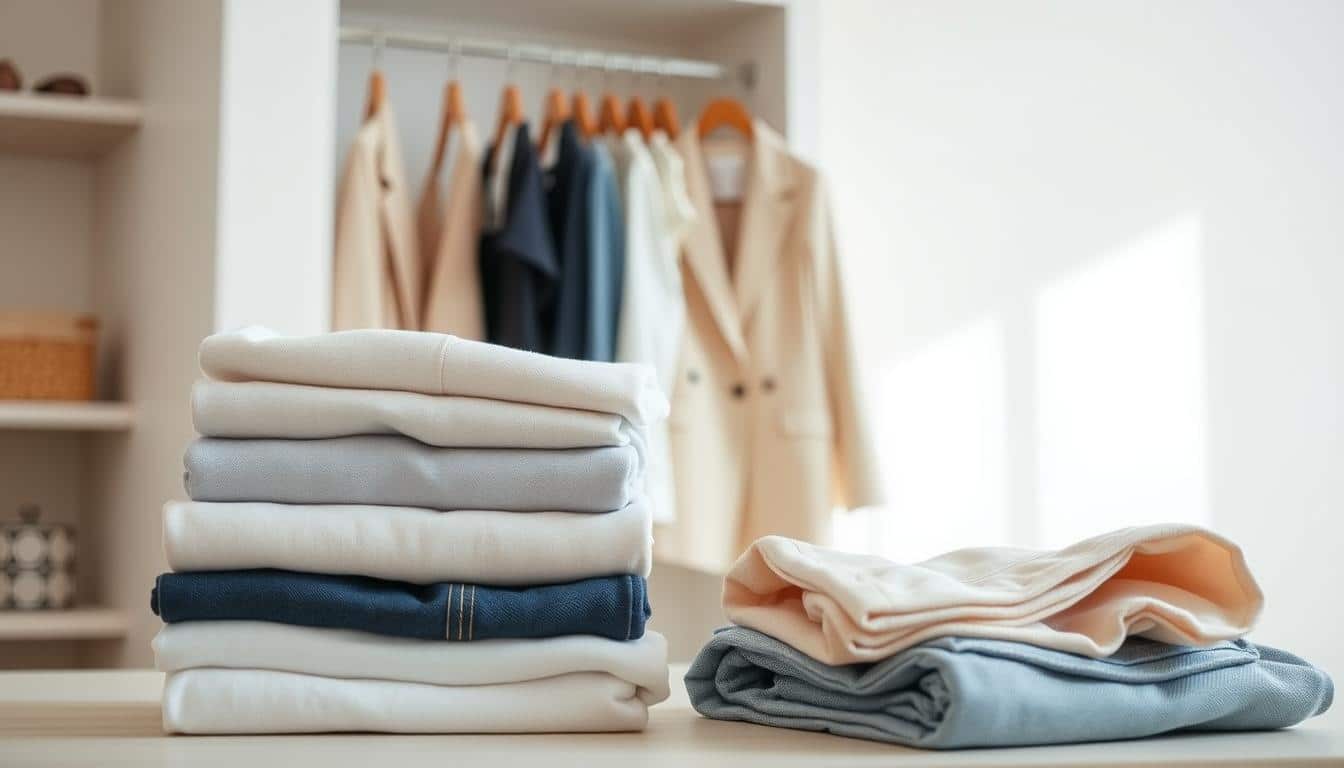
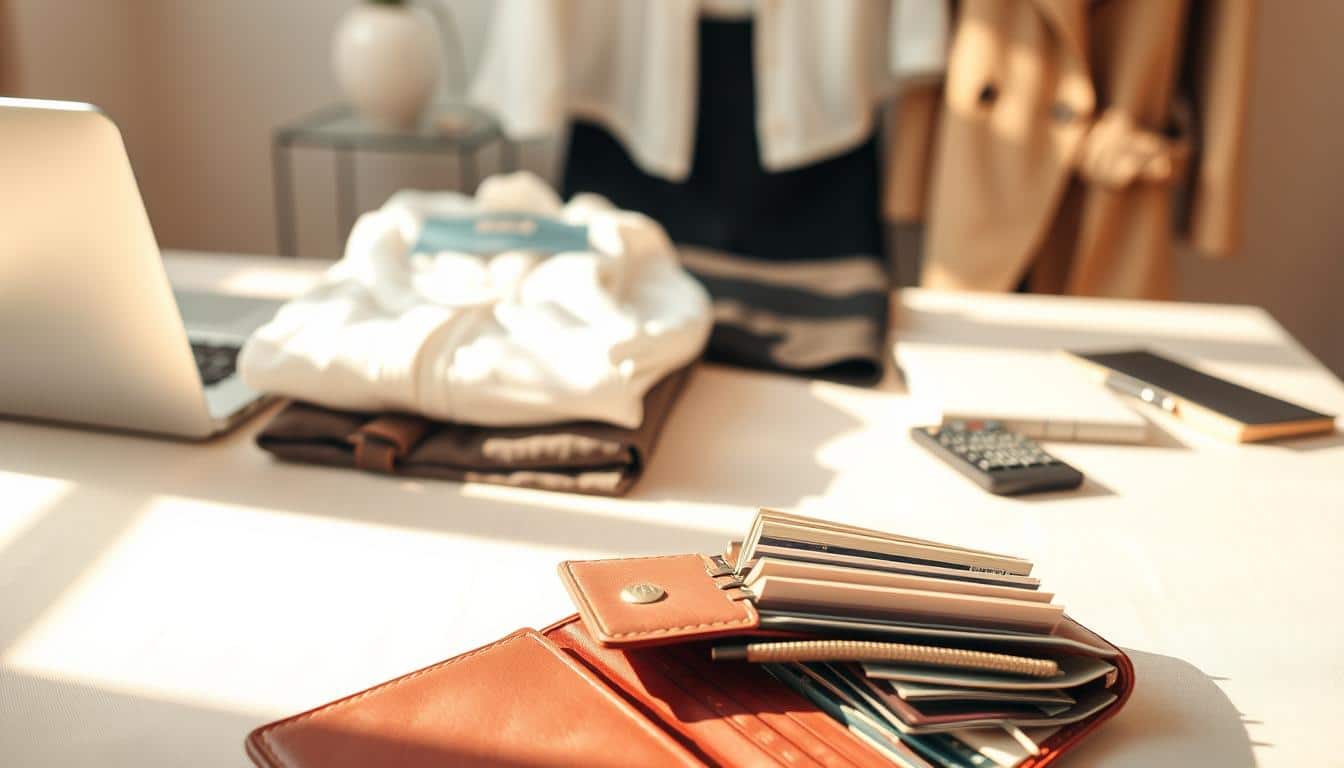
I remember feeling guilty at checkout until I found a simple clothing budget that finally let me enjoy new pieces without the stress.
A separate account and a small auto-transfer changed everything. It made tracking money easy and stopped arguments about who spent what. Looking back at last year’s spending in an app helped me pick a realistic monthly amount.
You’ll get clear ideas you can use this month: how to decide which items to buy, when to save, and when to spend money on shoes or outerwear. These steps keep your wardrobe useful and aligned with your personal style, not piles of things you never wear.
Key Takeaways
- Set up a separate account and auto-transfer each month to simplify tracking.
- Review last year’s spending to choose a realistic amount.
- Use a rewards card but pay in full to avoid interest.
- Decide wants vs. needs to avoid impulse shopping.
- Focus on pieces you’ll actually wear to streamline your wardrobe.
Why a clothing budget makes style easier (and less stressful)
Having a clear spending plan made shopping feel calm instead of chaotic. It takes the guesswork out of what to buy and how much to set aside each month.
I give myself a small monthly amount and it feels freeing. Even $25 is mine to use or save. That tiny allowance stops the guilt and keeps purchases intentional.
If you share money with a partner, a personal allocation removes tense talks. Each person gets a set amount. You both know the rules. That lowers arguments and life stress.
- Clear limits stop the “did I spend too much?” worry and let you enjoy clothes you love.
- Knowing your number saves time. You browse less and pick faster.
- A set plan reduces scrolling and decision fatigue, so you shop with purpose.
- Over months, your style sharpens because choices follow a simple way, not impulse.
What belongs in your clothing budget (and what doesn’t)
Deciding what to pay for each month makes shopping less messy and more intentional.
Start by listing the things you want this plan to cover. Many people count clothes, shoes, accessories like bags and jewelry, and care such as tailoring or repairs.
Wants vs. needs: clothes, shoes, accessories, and care
Wants are fun updates — a new shirt or a seasonal bag. Needs are items that keep you working or warm, like a black cardigan or a winter coat.
What I add: hair, nails, tailoring, and repairs
I include maintenance: hemming pants, replacing zippers, or resoling boots. These things keep a favorite piece wearable and fit my style plan.
- Decide whether basics (socks, underwear) are part of the plan or household needs.
- If hair or nails matter, fold them in and raise your monthly amount.
- Track spending for 60 days, then choose which items belong.
| Category | Example | Do I include it? | Why |
|---|---|---|---|
| Clothes | Shirt, cardigan | Yes | Updates and workwear are planned items |
| Accessories | Bags, jewelry | Yes | Small pieces change outfits quickly |
| Care & repair | Hemming, resoling | Yes | Extends life of items, saves money long-term |
| Personal care | Hair, nails | Optional | Include only if it’s part of your monthly plan |
How much to spend without guessing
Picking a percent of your income makes it easy to know how much to spend each year. Use simple rules and a quick check of last year’s numbers. That keeps decisions calm and realistic.
Use a simple percent
The national average is about 3.8% of income per year. Many experts say up to 5% works if your bills and goals allow it. Pick the percent that fits your life and stick to it.
Try the 50-30-20 system
Use take-home pay. Give 50% to needs, 30% to wants, 20% to savings and extra debt. Put work items in needs. Put fun items in wants. This makes quick choices easy.
Match it to income, bills, and goals
Start with your take-home income. Subtract fixed bills. See what’s left for monthly spending. Don’t squeeze groceries or gas. If you need one big item, plan for it.
Look back at last year’s spending
Use a website or app like Mint to total your past purchases. Divide that yearly number by 12 to get a monthly amount. If you spent too much, trim it. If you replaced jeans often, raise it a bit.
- Quick rule: 3.8% average, up to 5% if it fits your situation.
- Check last year, then choose a monthly amount and add a small cushion.
- A small, realistic start beats guessing — avoid going into debt to spend money on items.
If you want help setting a monthly amount, try the simple math above and pick the option that feels calm. Small changes work better than big guesses.
Make a separate account and card so you stay on track
Putting a single card and a dedicated account on autopilot changed how I spend. It kept returns, rewards, and tracking all in one place. You’ll feel calmer when purchases live in a single ledger.

Auto-transfer each month and keep your cushion
Open a separate account and set an auto-transfer for your chosen amount each month. The money lands where it belongs without thinking.
Keep a small cushion in that account. That savings lets you buy a coat or boots without touching household bills or emergency savings.
Use rewards wisely—and always pay the card in full
Link one debit or rewards credit card to this account so items and returns are easy to track. If you use a rewards card, pay the balance every month. Interest will erase perks fast.
- One account means one place to review years of purchases.
- Set calendar reminders or autopay and still check statements.
- Let rewards be extra, not the reason you spend money.
clothing budget guide for women
Deciding a single monthly number gave me clear permission to buy—with rules. It stops guesswork and keeps spending calm.
Start by naming your month amount and auto-transfer it to a dedicated account. That money is your style money. Spend only from that account and you’ll see patterns fast.
Set your monthly amount and protect it
- Pick a number you can live with, then auto-transfer it each month.
- Keep a small cushion in the account so a coat or shoes won’t derail bills.
Pick what your budget covers and stick to it
- Make a short list: clothes, shoes, accessories, tailoring, hair, nails.
- If an item doesn’t work with three outfits, don’t keep it.
Decide your personal rules for returns and overspending
- If you overspend, return something right away—fix it today, not later.
- Make sure to pay the card in full and use that one card tied to the account.
- Try a 24-hour pause before a want buy; keep receipts and return windows handy.
Build a small capsule wardrobe to save time, money, and stress
Begin with one quick round: set a timer, pull obvious no’s, and bag them. Do this for 15 minutes each day until the closet feels lighter.
Start where you are: 15-minute closet edits
Set a timer and remove clear rejects. Don’t overthink. Bag the maybes and tuck them away for a few months.
Map piles that mix and match: jeans, pants, tops, layers
Make simple piles: jeans, pants, tops, and layers. Aim for pieces that pair with two or three others.
Keep only what you love wearing right now
If a shirt needs tugging or fussing, it’s not earning space. Keep items that make dressing fast and feel like you.
Replace strategically as items wear out
- Spend your time picking quality basics, not many trends.
- Plan new jeans or a staple when prices dip and add them in your months plan.
- Two or three strong layers plus versatile tops cover most days.
- Smaller wardrobes mean much less laundry and fewer choices each morning.
Smart shopping that cuts cost (without cutting style)
Shopping with a plan saves time and keeps impulse buys off your list.
I shop online first to compare prices and reviews. This lets me try at home and return what doesn’t work. I print return labels and keep boxes during heavy return weeks.
Work in tiers and mix resale
Start with value stores like Target or Old Navy. If you need better fit, check J.Crew Factory, then Nordstrom. Add resale or consignment (Poshmark, eBay) for coats, bags, and denim.
Master easy returns
- Try everything on with shoes and layers; if it won’t pair with three things, send it back.
- Print labels from the website, tape over the label to protect it, and schedule a free USPS pickup or use the nearest drop-off.
- Use one card for all purchases so refunds land cleanly on that card and your records stay simple.
| Store Tier | Best for | When to buy |
|---|---|---|
| Value (Target, Old Navy) | Basics and trend tests | When you need cheap, fast refresh |
| Mid (J.Crew Factory) | Better fit and materials | When you want durable items under mid price |
| High (Nordstrom) | Investment pieces and tailoring | When a piece will live in your wardrobe for years |
| Resale (Poshmark, eBay, consignment) | Quality at lower cost | When you want name brands without full price |
Spend more where it matters, less where it doesn’t
A small swap in what you buy can lift every outfit without raising your monthly spend. Spend your limited dollars on the few things that change how you look most days.
Shoes, bags, and outerwear elevate basics
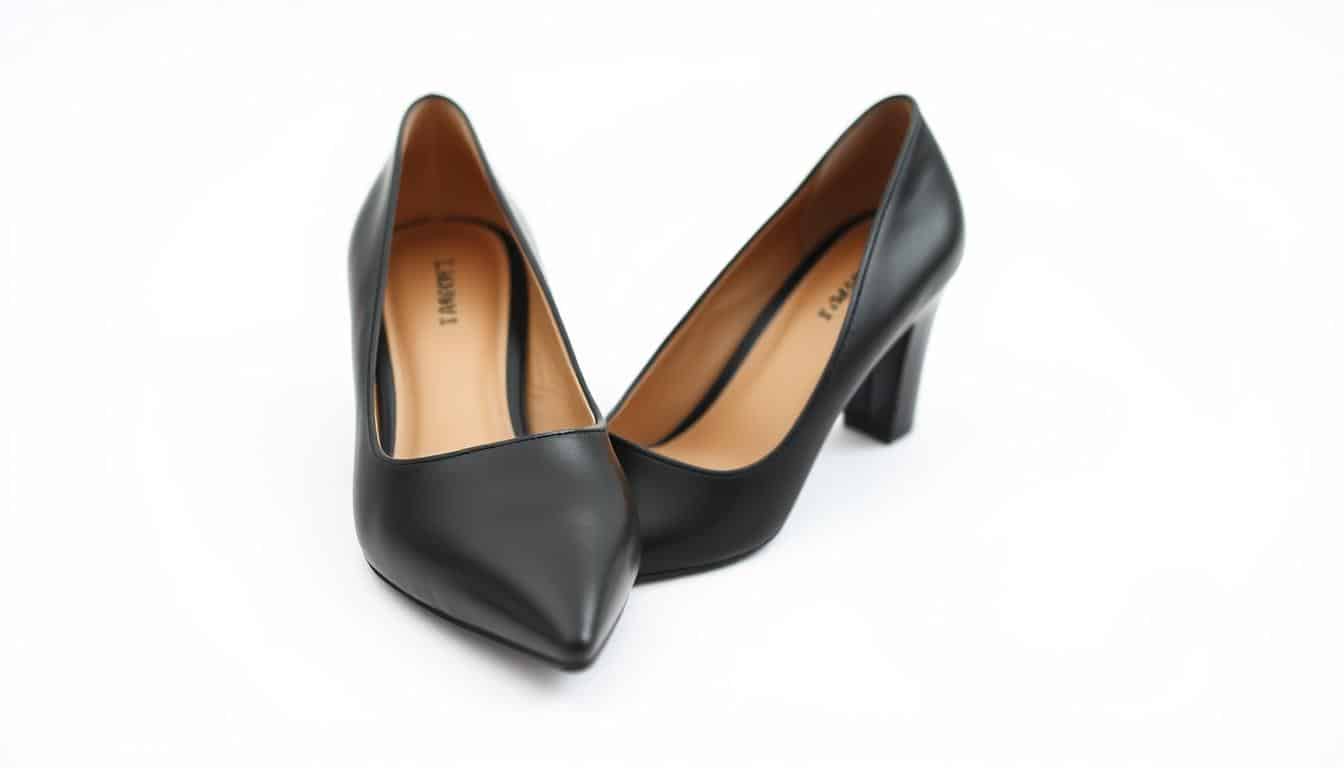
Put more of your plan into shoes, a sturdy tote, and a classic coat. A good pair of leather boots, a structured bag, and a warm coat finish looks fast.
Example: replace three trend tops or one pair of boots. The boots will make many outfits feel more put together and last for years.
Pay less on trends; invest in long-term staples
Trends are fun, but they rarely last. Buy them cheap or borrow the look. Save big spend money for lined trousers, quality zippers, and real leather.
- Choose sturdy leather boots, a structured tote, and a classic coat—these pieces earn heavy wear.
- Hunt pre-loved sites like Poshmark or eBay for higher-end shoes to cut cost without losing comfort.
- If sneakers are your daily shoe, that’s the area to invest—match spending to your personal style and life.
- Keep a short list of favorite items you reach for most; those are your next investment targets.
| Area | Why it matters | Smart spend |
|---|---|---|
| Shoes | Change the look of many outfits; affect comfort and wear | Sturdy leather or quality pre-loved pairs |
| Bags | Structure completes an outfit and hides basics | Structured tote in a neutral that pairs with power neutrals |
| Outerwear | Keeps you warm and makes basics look polished | Classic coat with good lining that lasts years |
| Trend items | Short-lived style boosts | Buy cheaper and enjoy the look while it lasts |
Match your wardrobe to real life and work
Start by looking at a normal week and build a wardrobe that helps you move through it with less fuss. Think about what your work asks of you and how many days you need polished pieces versus casual ones.
Office and client-facing roles
If you meet clients or represent a brand, plan for polished items: tailored pants, blazers, and clean shoes. These pieces read professional and last through many meetings.
Keep a small presentation kit — blazer, top, pants, and shoes — so you’re ready for big days anywhere.
Travel-heavy and multi-climate jobs
For travel, packable layers win. Choose smooth knits, a light blazer that folds, and flats that travel well. Pieces that mix and match save space and decision time on long trips.
Medical, lab, and casual settings
Roles with uniforms or lab coats need fewer visible clothes. Focus on durable basics and great shoes that handle long days and frequent washing.
- Match your wardrobe and clothing budget to how your life looks now; swap items as roles shift.
- If you’re hybrid, build small weekday capsules — two or three work looks plus casual options that mix fast.
- Pick one color lane so items repeat without anyone noticing; it’s an easy way to stay polished.
| Role | Key items | Spend focus |
|---|---|---|
| Client-facing | Tailored pants, blazers, leather shoes | Quality basics that read polished |
| Travel-heavy | Packable blazer, smooth knits, flats | Wrinkle-resistant, versatile pieces |
| Medical/casual | Durable tops, comfy shoes, neutral layers | Comfort and washability over trends |
Habits that keep your clothing budget working month after month
Small routines beat big plans — tiny habits keep your month on track. They stop impulse buys and make spending predictable.
Keep a running list on your phone of wardrobe gaps. Shop from that list and skip random things you won’t wear.
Simple habits that stick
- Try a no-shopping month to reset. You’ll see how many outfits you already own.
- Use “only when required” between refreshes. Fix real needs first, let wants wait.
- Pause 24 hours when you want buy something. If it still matters, check your list and go for it.
- Batch returns weekly so credits hit the card and your true spending is clear.
Time purchases to stretch your money
Make sure big buys land during sales: Anniversary, Black Friday, or end-of-season. That one move stretches your budget and cuts waste.
| Habit | Why it helps | Quick action |
|---|---|---|
| Running phone list | Prevents impulse spending | Update one line after every outfit gap |
| No-shopping month | Resets habits fast | Mark a month on your calendar and stick to it |
| 24-hour pause | Stops regret buys | Set a reminder before checkout |
| Seasonal tracking | Shows repeat spend on items | Review one month each season |
Check your closet before you browse. Style what you own, do small repairs, and set light reminders. These tiny moves keep budgeting realistic and low stress.
Stretch every dollar you spend on clothes
Stretching your dollars starts with mending and selling, not buying new. Small moves add up and keep your style intact.
Tailor and repair before you replace
A $20 hem can save a great pair of jeans and delay a costly buy. Fix soles, replace buttons, and mend zippers. These simple repairs can add years of wear to favorites.
Sell what you don’t wear and add earnings to your budget
List unworn pieces on Poshmark or eBay. Move the money straight into your clothing budget account so earnings fund future buys, not impulse spending.
Use cash-back or store rewards that fit your habits
Pick a cash-back card or store rewards that match what you already buy. Only use rewards if you plan to pay your credit card in full each month. Keep a single card tied to returns so credits land cleanly.
- Watch cost per wear: a coat that lasts five winters often beats three cheap ones.
- Stack promo codes with cash-back portals when possible; small savings add up.
- Set alerts for new jeans price drops and try multiple inseams at home to skip extra tailoring.
- Choose fabrics that wash at home to avoid dry-clean costs.
A few thoughtful steps make your money go much less to waste and more to items you love.
Conclusion
Small, steady changes made my mornings calmer and my closet clearer.
You don’t need more things. Pick a number, park it in its own account, and build tiny habits that protect your personal style and life.
Over months and years you’ll see what works and what drains money. Use that idea to stop impulse buys and build outfits from pieces you love.
If you want buy something, pause. If it still fits your plan, go ahead and enjoy it. That way you spend money with purpose, not regret.
Thanks for reading. If you want to know a bit more about how I do this, learn about me and start one small step this week.