
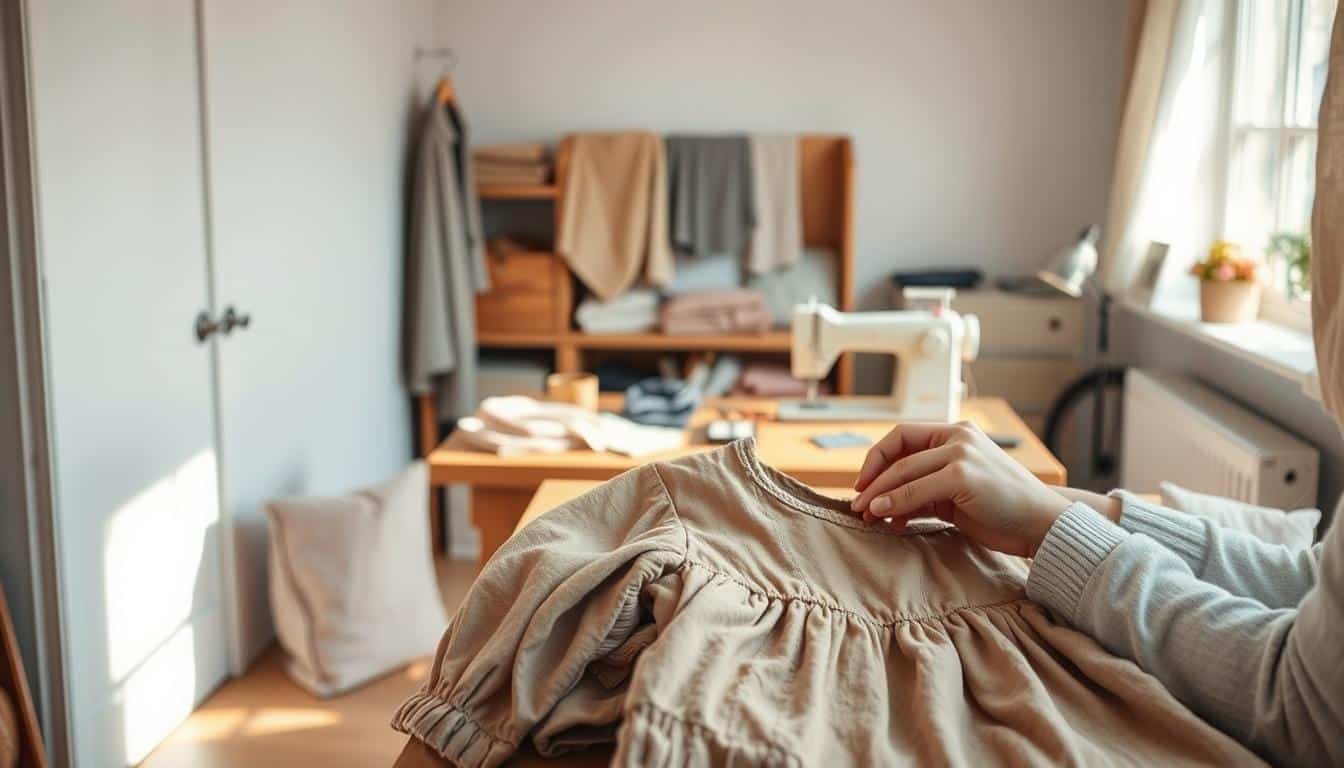
I get it — your closet can feel tired and uninspired, and you just want a quick, doable way to bring life back into favorite pieces. I’ll walk you through small, practical steps that take little time yet make clothing look fresher and last longer.
Think of this as a calm reset for your wardrobe. A light steam, a gentle brush, or a smart wash can revive items in a single day. I’ll call out what to skip so you don’t harm fibers or set stains by mistake.
If a knit has stretched, I also point you toward simple fixes — like this short guide on how to fix stretched clothes — that work without fancy tools.
Key Takeaways
- Small actions can refresh clothes quickly and affordably.
- One-day fixes include steaming, brushing, and airing items.
- Simple care extends the life of favorite pieces.
- Avoid common mistakes that damage fabric.
- You’ll get clear steps that fit real daily routines.
Start here: simple ways to reset pieces you already own
Tiny fixes and gentle care are the quickest route to brighter, neater clothing. I’ll walk you through a few quick wins you can try this afternoon. These take minutes and make a real difference.
Quick wins: do a five-minute reset with a lint roller, shave pills on sweaters, and tighten loose buttons with a simple stitch. Hang an item in the bathroom while you shower, then hover an iron on steam a few inches away to relax wrinkles without pressing fabric.
Brush knits and coats with a soft garment brush to lift dirt and fuzz. Spot-treat collars and cuffs with a dab of mild soap and water. Swap tired buttons for sturdier ones to upgrade the look of an item instantly.
What to skip: never press a hot iron directly into wool or delicate fabrics — you can crush fibers and leave shiny marks. Avoid hot water on fresh stains; heat can set dye transfer. Don’t use chlorine bleach on dark items, and avoid over-scrubbing delicate fabrics.
| Action | What it helps | What to avoid |
|---|---|---|
| Lint roller & pill shave | Removes lint, pills; neat finish | Rushing over seams or thin knits |
| Steam hover with iron | Relaxes wrinkles without pressing | Direct hot press on wool |
| Garment brush | Lifts dirt and fuzz; revives surface | Aggressive scrubbing on delicate fabrics |
| Spot soap dab | Fresh stain lift on collars/cuffs | Hot water or harsh bleach on dark items |
How to refresh old clothes between washes
A few minutes and the right tricks can make worn items feel presentable between washes. I use a small routine that fits a busy day. You can too.
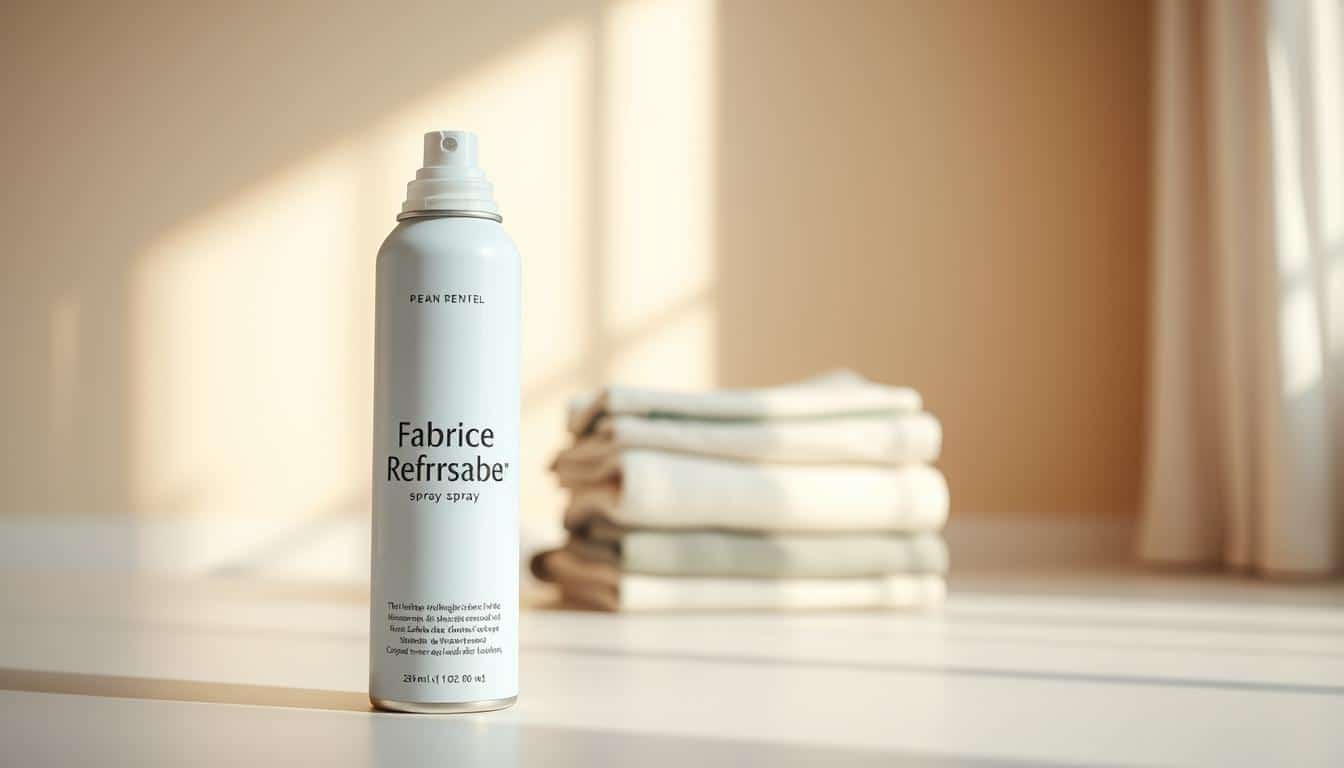
Give clothes a light spray to fight odors and wrinkles
Lightly mist each side with a fabric spray. One or two passes are enough to neutralize odor and relax tiny wrinkles. Let the garment hang for a few minutes before wearing.
Use steam without crushing fabric
If you have a hand steamer, move it steadily and keep the head in motion. No steamer? Set an iron to steam and hover a few inches off the fabric. That loosens wrinkles without flattening fibers.
Brush, air out, and fluff: low-effort revival
Brush garments with a soft tool to lift lint and hair. Hang pieces near an open window for a quick air-out. Short dryer air cycles (10–15 minutes) work well — pop delicate items in a mesh bag first.
Keep closet and storage clean for lasting freshness
Give your closet a quick wipe and avoid overstuffing rods and drawers. Space helps items breathe and prevents set-in wrinkles. Clean storage keeps fabrics smelling fresher and extends wear between washes.
- Spray, steam, brush, air — a tiny routine that saves laundry.
- Move steam steadily; avoid soaking any one spot.
- Use mesh bags in the dryer for delicate straps and hooks.
| Action | Quick benefit | Best for |
|---|---|---|
| Light fabric spray | Neutralizes odor, eases small wrinkles | Jackets, tees, knitwear |
| Steam (hand or iron) | Removes wrinkles without press marks | Wool blends, cotton shirts |
| Brush & air | Lifts fuzz, freshens scent | Coats, sweaters, dresses |
| Dryer air cycle | Fluffs fabric, quick refresh | Light layers, delicates in mesh bag |
Wash smarter: treat stains, choose the right cycle, and protect color
Start with the wash — small choices here protect color and keep garments looking newer. I’ll show clear steps before, during, and after the machine run. Follow them and your items last longer.
Pre-treat common stains the right way
For greasy stains, blot dry. Do not add water. Sprinkle baby powder or cornstarch and let it sit to pull out oil, then brush off and wash.
For red wine or tomato, blot with a white cloth. Sprinkle salt or sugar to lift the spill. Launder in cold water to protect color and reduce dye transfer.
Add vinegar and pick the right cycle
Add one cup of white vinegar in the wash. It neutralizes odors, brightens, and softens fibers without harsh chemicals.
Sort by weight and color. Wash jeans and heavy items together on a gentle cycle to cut friction. Turn garments inside out to limit dye loss.
- Cold water for darks and brights; warm for everyday loads; hot only if the label allows.
- Measure detergent carefully — too much leaves residue and stiff fabric.
- Use mesh bags for delicate fabrics and a short dryer air cycle or low heat.
| Step | Benefit | When |
|---|---|---|
| Pretreat grease | Removes oil before washing | Before loading machine |
| Vinegar in wash | Brightens and removes odor | Everyload as needed |
| Choose cycle & temp | Protects dye and fibers | Based on fabric label |
When to hand wash or skip “dry clean only” for delicates
Some tagged “dry clean only” pieces can safely skip the cleaners with a gentle hand wash. I’ll guide you through a calm, doable routine that protects fibers and limits dye loss.
Silk, wool, and cashmere: gentle steps that actually work
Follow these simple steps when you have time and access to a sink.
- Fill a clean sink with cold water and a small squeeze of mild detergent, then swish to mix.
- Test colorfastness on a hidden seam with a Q‑tip. If no color lifts, proceed.
- Submerge the item and let it soak for about 20 minutes. Let the suds loosen grime without scrubbing.
- Rinse in fresh cold water until it runs clear. Support the shape; do not twist or wring.
- Lay flat on a towel, roll to press out water, then reshape and dry flat. Do not use the dryer or hang.
- Hand washing is kindest for wool and cashmere — it often preserves color and soft feel better than a machine cycle.
- Reserve professional dry clean for structured jackets and anything with lining or padding.
- Keep storage clean and vacuumed to prevent pests and protect your pieces between wears.
| Best for | When to hand wash | When to dry clean |
|---|---|---|
| Silk blouses | Light soil, colorfast | Heavy stains, complex trims |
| Wool & cashmere | Pilling or light wear | Structured coats, felted wool |
| Tailored garments | Not recommended | Always for shape and lining care |
Want a full walk‑through? Check this short guide on washing delicates by hand: wash delicates by hand the right.
Conclusion
You don’t need a closet overhaul — just steady, small habits that protect fabric and color.
With a few simple moves, your clothes will feel newer and your wardrobe will stay ready. A light spray, a quick steam, and space in the closet go a long way.
When you handle laundry, pick cool water, the right machine cycle, and measured detergent so dye won’t fade. Treat a stain before washing, check buttons, and turn jeans inside out.
Air-dry when you can or use the dryer’s gentlest setting, and don’t overfill the drum. Keep storage dust-free and rotate accessories and pieces to change the look without buying more.
You’ve got this — pick one small habit today, and enjoy your garments more with less fuss and more privacy in your routines.