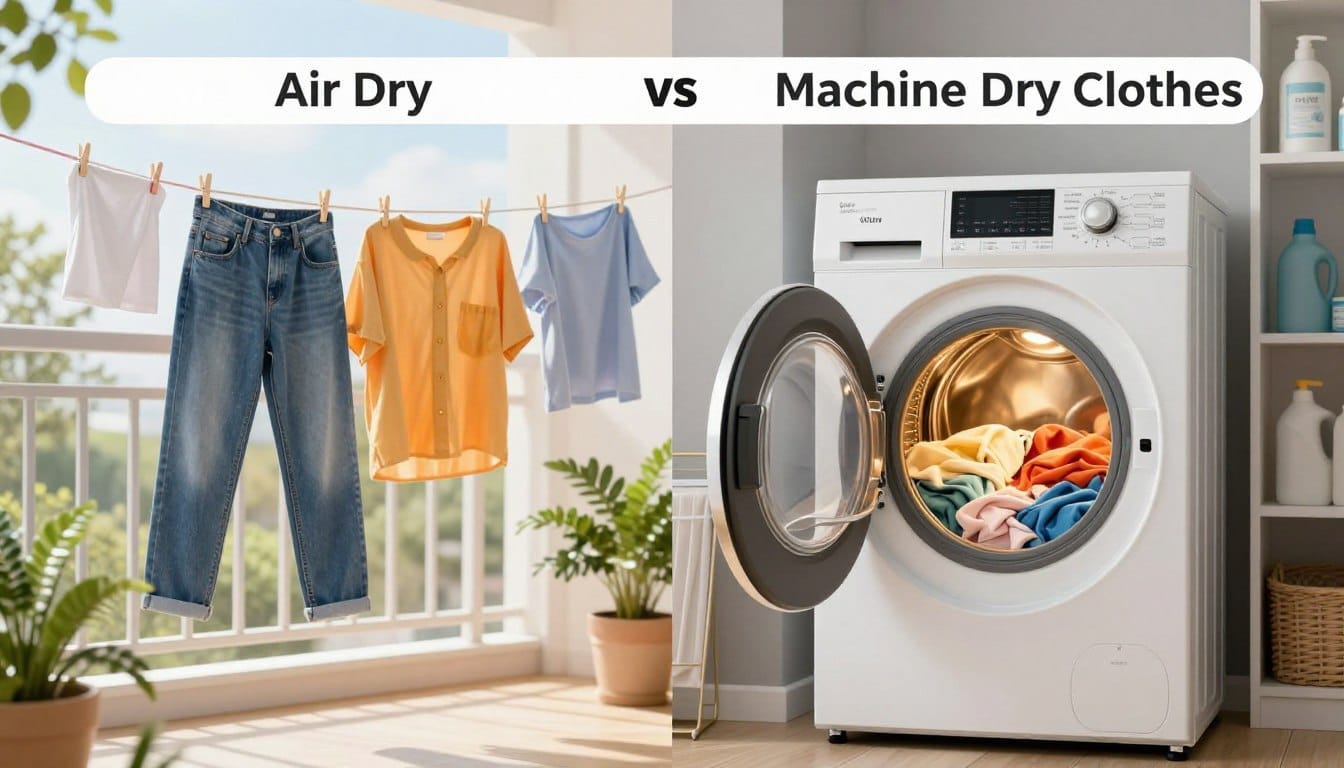
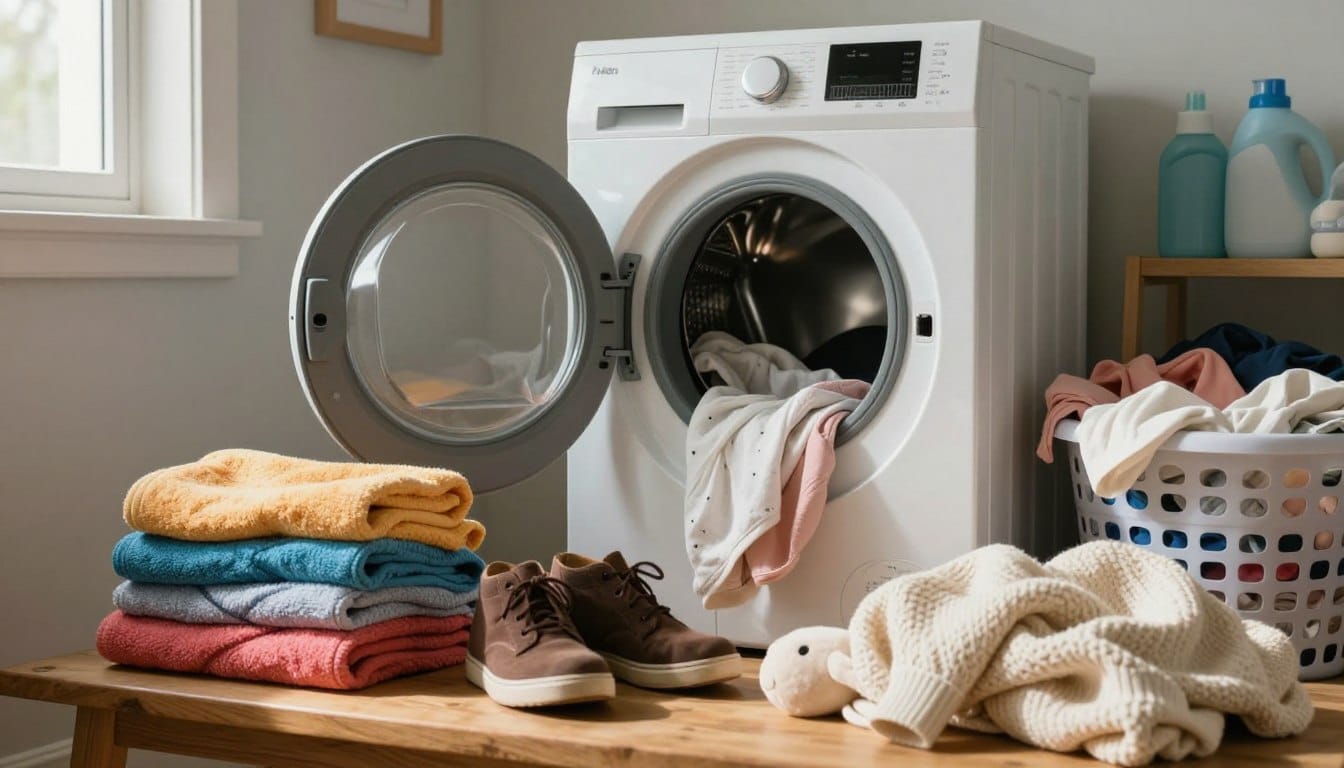
I’ll be honest: when I first learned what not to put in the dryer I was annoyed and relieved at once. You feel that little panic when a favorite tee shrinks or a bra warps after a hot tumble.
Heat can ruin spandex, silk, lace, and sheer net fast. Sequins, beads, and glued trims may melt or fall off, and leather or suede can crack if you use too much heat.
Robust denim and cotton sometimes handle a short cycle, but labels matter. Oil‑stained pieces and rugs with rubber backing are real hazards for a clothes dryer and should air dry instead.
I’ll guide you through the common offenders and simple swaps: lay flat, hang, or let air do the work so your garments last longer and laundry day feels easier.
Key Takeaways
- Avoid high heat for delicate fabrics like spandex and silk.
- Embellished pieces and glued trims should be dried flat.
- Leather, suede, and rubber‑backed rugs must air dry to prevent damage.
- Check care labels; when unsure, choose air and gentle handling.
- Clean the lint trap and use low heat for sturdy garments like denim.
Let’s keep your clothes safe from heat damage
Heat changes how fabrics behave, and that can surprise you on laundry day. High heat can set wrinkles in silk, break spandex, and melt glued embellishments fast.
Fluctuating temperatures also weaken delicate fibers over time. Labels often point to low-heat or air-only cycles. When a tag says lay flat, it means shape matters during drying.
- Heat speeds wear on stretchy and delicate fabrics; that’s why some items shrink or warp.
- If unsure, choose an air dry setting or the gentlest cycle—small tweaks save favorites.
- Make sure you check care tags before you start a tumble or use a machine.
- Keep loads light so air moves freely; overcrowding forces longer cycles and rougher motion.
- Clean the lint trap after every load to help dryers run safely and efficiently.
These habits protect color, shape, and softness. I use them every week and my clothes last longer with less stress.
Bras, activewear, and anything with spandex or elastic
Stretchy workout pieces and delicate bras need gentler handling than most items.
Heat weakens elastic and breaks down spandex fibers. That means bands lose snap and fit warps around underwire. Even one hot cycle from a dryer can cause lasting damage.
I wash these garments in cool water with a mild detergent. Then I press excess water with a towel and choose an air dry routine. For bras and shapewear I flat dry on a rack. For leggings and swim linings I hang by the waistband in shade.
Why heat ruins stretch: loss of elasticity and warped fit
High heat breaks elastic strands. Fibers relax, bands sag, and straps start slipping. Fit and wicking finish weaker than before.
How I dry them instead: lay flat or hang in shade
Press gently with a towel to speed drying. Lay bras flat so cups keep their shape. Hang leggings by the waist and avoid direct sun. This way fabric keeps its recovery and color.
Real-life examples: sports bras, leggings, shapewear, swim linings
- Sports bras: flat dry after towel press to keep support.
- Leggings and yoga pants: hang in shade by waistband for even drying.
- Shapewear and compression shorts: flat dry to hold shape.
- Swim linings: cool wash, air dry out of sun to protect stretch and color.
Silk, lace, and sheer fabrics
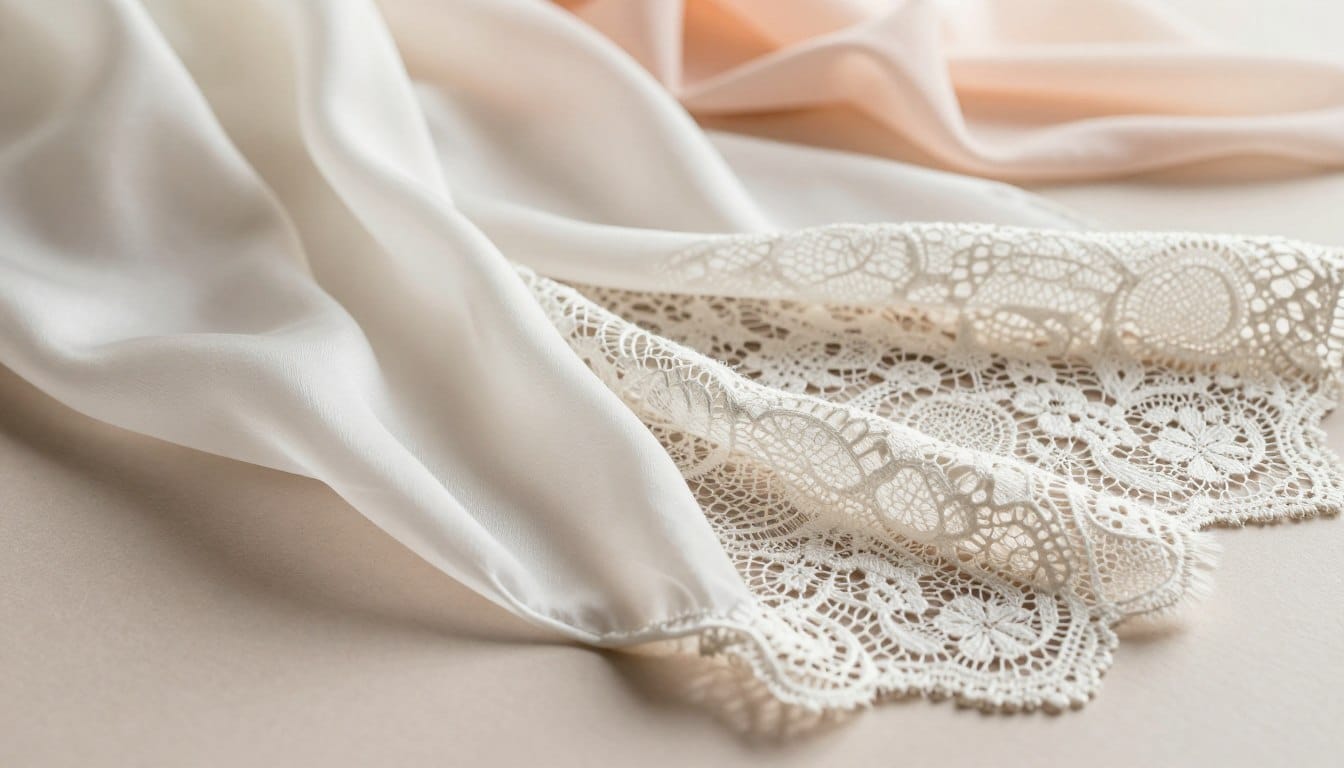
Those floaty silk pieces and soft lace trims deserve a calm, careful finish after washing. High temperatures and rough tumbling can set wrinkles and weaken delicate threads.
I press water out with a towel—never wring—so the fabric keeps its natural texture. For silk I lay garments flat on a dry towel and gently reshape edges. That helps the piece dry back to its original shape and sheen.
For lace and sheer net, I smooth the material and air dry on a rack away from direct sun. Zippers and bulky items in a mixed load increase snag risks, so I skip any tumble cycle.
Quick care routine
- Press excess water with a towel; avoid wringing.
- Lay silk flat and reshape while damp.
- Smooth lace and sheers, then air dry out of sun.
- Use a mesh bag for washing, but skip heat drying.
| Material | Risk from heat | Best dry method |
|---|---|---|
| Silk | Set-in wrinkles, loss of sheen | Lay flat on towel, reshape edges |
| Lace | Snags and pulls from friction | Smooth, air dry on rack away from sun |
| Sheer net | Misshaping and tiny holes | Hang gently or flat dry, avoid direct sunlight |
If you want more hands-on washing tips, see this guide on how I wash delicates by hand: wash delicates by hand. A short air-only cycle can help remove surface moisture, but finish flat at room temperature.
Leather, suede, and faux leather
Treat leather and suede like furniture, not T-shirts. Any of these materials can warp, crack, or soften when exposed to high heat or a running dryer.
I never use heat here. Blot spills with a soft towel and let the piece dry on a padded hanger. Keep it away from direct sun and radiators so the material relaxes naturally.
If the inside gets wet, unzip and open pockets so air moves through evenly. For jackets and skirts, padded hangers help shoulders keep shape and stop stretching.
- Real leather and suede risk cracking; faux leather can warp or melt under high heat.
- Dab stains gently; avoid rubbing. For deep stains, seek professional cleaning.
- Store with space after air drying so clothing can breathe and finish settling.
| Material | Risk from heat | Best dry method |
|---|---|---|
| Leather | Cracking, loss of finish | Air dry on padded hanger away from sun |
| Suede | Rigid, stiff patches | Blot, air dry, brush gently when dry |
| Faux leather | Softening, warping, melting | Cool air drying and pro cleaning for stains |
Wool and knits (including sweaters)
Wet wool behaves oddly; a simple careful routine keeps it looking like new.
Wool fibers have tiny scales. When heat and water act together, those scales can lock and felt. That causes shrinking and hard distortion. Hanging wet sweaters stretches shoulders and hems, so weight can ruin the shape.
I use a towel press and flat drying for most wool garments. This keeps weight supported and stops pulling. Turn pieces halfway so both sides finish evenly. A cool room and good airflow speed drying without roughing fibers or fading color.
Quick step-by-step
- Gently press excess water with a towel; never wring.
- Lay knit flat on another dry towel and reshape cuffs, necklines, seams.
- Keep out of direct sun and heat sources; leave space for air.
- Flip garment once about halfway through drying.
- Use a small sweater comb if pilling appears.
| Risk | Effect | Best method |
|---|---|---|
| Felting | Shrinkage, stiff texture | Flat dry on towel; reshape |
| Stretching | Misshapen shoulders, hem | Support weight flat; avoid hanging |
| Pilling | Fuzzy surface | Use sweater comb; gentle care |
Clothes with sequins, beads, or glued embellishments
Sequined and beaded pieces bring instant charm, but they need extra calm after washing.
I avoid the dryer for these garments. Heat can soften glue behind trims and make sequins slip or warp. Tumbling also leads threads to snap and snag on nearby buttons.
Heat melts glue and breaks threads
Hot air and motion are rough on applied details. Small glue spots go tacky, then lose grip. Loose threads mean lost sparkle and tiny holes in the base fabric.
Care tip: air dry flat for protection
I follow a simple routine that keeps sparkle safe:
- Press excess moisture gently with a towel; avoid rubbing across trims.
- Lay the garment flat on a clean towel so weight spreads evenly.
- Smooth details so sequins sit flat and beads don’t twist.
- If lined, reshape both layers so surfaces finish smooth.
- A mesh bag helps during wash, yet I still skip the dryer to prevent damage.
These small steps keep special items ready for another wear. For extra laundry tips, see stop clothes from shrinking.
Sneakers, shoes, and slippers
Shoes seem sturdy, but heat and tumbling can wreck their structure fast.
Dryer heat can melt glue, warp midsoles, and flatten cushioning. Canvas and running pairs suffer most. For slippers with non‑skid bottoms, the sole can separate.
Glue can melt, soles can separate, cushioning can distort
Remove insoles and laces first. Stuff shoes with crumpled newspaper or clean cotton towels to pull moisture out. Swap the paper as it gets wet so drying keeps moving.
Faster air-drying: stuff with newspaper and use good airflow
- Place shoes where air circulates; a fan speeds things up.
- Elevate very wet pairs on a rack so air flows underneath.
- Keep away from direct heat sources; slow, steady air protects material and shape.
- A short air-only cycle (5–10 minutes) helps surface wetness, then finish outside the machine.
| Risk | Effect | Quick fix |
|---|---|---|
| Glue melt | Sole separation | Air dry; avoid hot cycle |
| Cushion distortion | Flattened midsole | Stuff with paper; fan |
| Stitch weakening | Loose seams | Remove insoles; air fully for 24+ hours |
Make sure you allow at least 24 hours for full drying. This simple approach preserves shape, comfort, and the life of your favorite items.
Swimwear and tights/hosiery
Swimsuits and hosiery ask for gentle care so elastic keeps its bounce. I keep routines quick and simple on busy days.
Keep elastic alive: cold wash, skip tumble
Spandex in swimwear loses spring under high temperatures. I rinse suits in cold water after each wear to remove salt, sunscreen, and chlorine.
Smart dry: gently squeeze water, then lay flat
Press damp pieces between towels. Avoid wringing; twisting pops stitches and thins fibers. Then flat dry on a rack so shape stays even and bands don’t sag.
- Lay tights flat or drape over a rack to prevent snags and pilling.
- Keep items out of direct sun; color and elasticity last longer.
- If you need speed, run a few minutes of air-only, then finish flat dry.
| Item | Main risk | Best finish |
|---|---|---|
| Swimwear | Elastic wear from heat | Cold rinse, press, flat dry |
| Tights/hosiery | Snags, shrinkage, pilling | Lay flat or drape; no tumble |
| Active liners | Stretch loss | Cold wash, air dry flat |
These small habits prolong fit and save money. Keep dryer use brief and rare for delicate stretch clothing.
Household items and hidden hazards that don’t belong in the dryer
Some household items hide layers that hate heat and motion. I’ve seen rugs shed backing and lunch bags warp after a quick tumble.
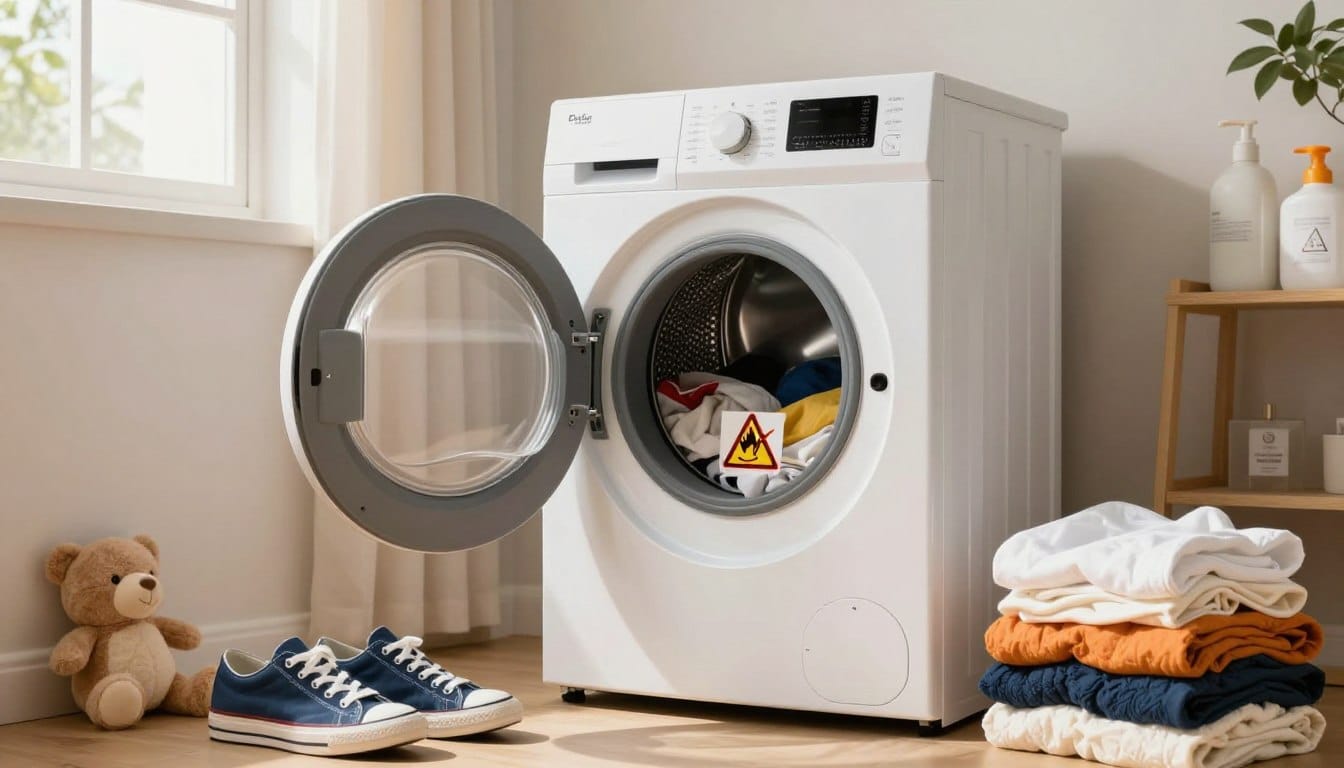
Rubber-backed bath mats and rugs
Rubber backing can crumble or melt under high heat. Bits then clog the machine and stain fabric.
After wash, hang rugs over a shower rod or outdoor rack. Let water drip off before bringing inside.
Backpacks and insulated bags
Many bags have foam, films, or liners that distort when exposed to hot temperatures. Only 100% cotton items may tolerate a gentle tumble.
Open pockets and hang bags upside down so layers dry evenly.
Oily or gas-stained textiles
Oil or gasoline residues can ignite in dryers. Always air dry these outside and out of direct sun.
- Run a short, no-heat cycle to wick surface water, then finish on a rack.
- Check pockets for crayons, gum, lip balm, or phones before any machine use.
- When washable, choose a gentle cycle and hang items where air circulates fully.
| Item | Risk | Safe alternative |
|---|---|---|
| Rubber-backed mat | Crumbling, machine damage | Hang dry; air outdoors or over rod |
| Insulated bag / backpack | Warped foam, melted liners | Open pockets; hang upside down to air |
| Oil / gasoline-stained cloth | Fire risk at heat cycle | Air dry outside, shade; pro cleaning if heavy |
what not to put in the dryer
Laundry mistakes happen fast, and a short checklist helps you avoid ruined favorites. I keep this guide by my machine for quick decisions on busy days.
Quick checklist
- Spandex and elastic-heavy bras or activewear — heat kills stretch.
- Silk, lace, and sheer nets — fragile fibers shrink and snag.
- Leather, suede, and faux leather — heat warps and cracks finishes.
- Wool and heavy knits — tumbling causes felting and shrinkage.
- Embellished garments with sequins, beads, or glue-backed trims.
- Sneakers, slippers, and cushioned shoes — glue melts, soles separate.
- Swimwear, tights, and hosiery — elastic loses spring fast.
- Rubber-backed mats, backpacks, and insulated bags unless tags say 100% cotton.
- Oil- or gas-contaminated items — air dry outside in shade for safety.
Always check care labels first
When unsure, choose an air-only cycle or lay flat. Labels guide safe choices and cut risk. These small swaps protect clothes, save time, and keep favorites ready longer.
| Item | Risk | Safe finish |
|---|---|---|
| Spandex | Stretch loss | Flat or air dry |
| Leather | Cracking/warping | Padded hanger, air dry |
| Rubber-backed mat | Backing melt | Hang dry outdoors |
Conclusion
A tiny habit change at laundry time keeps fabric, shape, and color intact. I use quick label checks and gentle moves. That saves me repairs and time.
When you need speed, run an air-only cycle with a couple clean cotton towels for about ten minutes, then finish on a rack. For heavy wool, a label-approved gentle cycle may work, but I usually air dry instead.
Treat silk, lace, sequins, beads, leather and faux leather with slow cool drying. Spandex in bras and leggings lasts longer when you skip high heat and tumble. Small choices — lower temperatures, shorter cycles, and simple checks — add up.
You’ve got this. Keep these habits handy and your clothes will thank you.