
I know the sinking feeling when a favorite tee comes out with a ghost of another shirt on it, so I’ll show you how to prevent color bleeding in laundry with simple habits you can use right away.
Think of your wash as a tiny ecosystem. Too much heat and crowding let loose dyes roam. I sort by lights, darks, and brights, and I use cold water and gentle cycles to keep dyes put where they belong.
I also test new clothes with a damp white cloth and give fresh jeans a vinegar soak if needed. If a load goes wrong, separate pieces fast, rewash cold with a color-safe detergent, and skip the dryer until stains lift.
Key Takeaways
- Sort by lights, darks, and brights before every wash.
- Use cold water and gentle cycles to cut dye transfer.
- Test new garments and treat risky pieces with a vinegar rinse.
- Act fast: isolate stained items and rewash cold with a color-safe product.
- Air dry until stains are gone to avoid setting them.
- For delicate hand care tips, see a quick guide here: wash delicates by hand the right.
Why color runs happen and how I spot the risk
I’ve learned to spot risky garments by feel and care-label notes before they meet the washer. Unstable or excess dye will leach into the wash and cause transfer to other items. That usually shows up with new or overdyed clothing, especially bright reds and oranges.
Hot water and long, rough cycles open fibers and loosen dyes faster. Overloading the machine raises friction and gives loose color more chances to move. Natural fabrics like cotton tend to shed more than synthetics.
- I watch for brand-new dark jeans, red tees, and richly dyed towels or sheets.
- If a piece feels stiff or inky, I treat it like it might run at first.
- I give bright reds and oranges extra space; they’re common troublemakers.
- Care labels often warn: “wash separately” or “color may run.” I read them.
- If I’m unsure, I keep that clothing away from lights and whites to avoid transfer.
- When wash water looks tinted or a damp spot rubs off on my fingers, I stop and rethink my plan.
What is color bleeding and why it happens in the wash
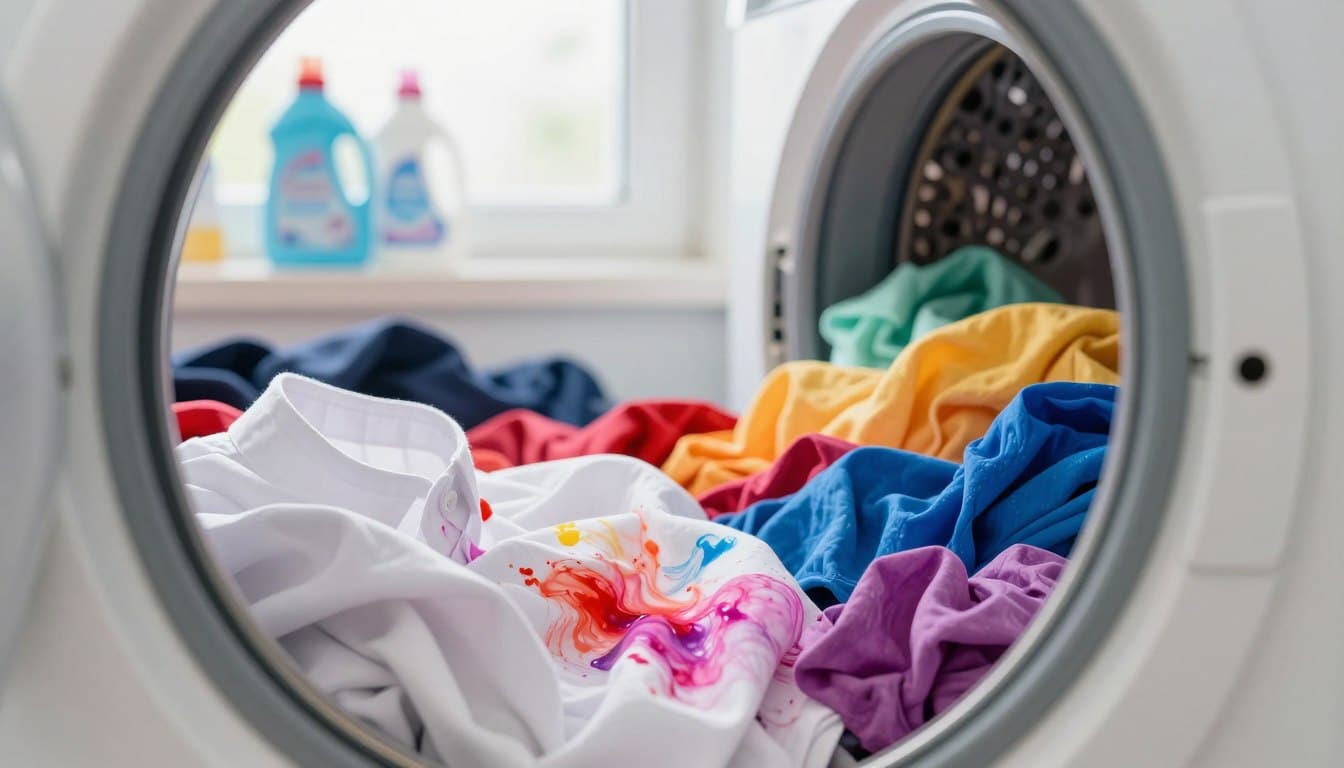
When dyes escape their fibers, they ride the wash water and land on other clothes. I like to think of it as loose dye hitching a ride and looking for something to stick to.
Loose dyes, overdyeing, and poor dye quality
Some garments carry extra dye from the factory. Overdyed pieces are vivid but can shed those extra dyes during the first few washes. Low-quality dyeing methods also leave color unstable.
Fabric and dye factors: natural vs. synthetic, reds and oranges
Natural fabric tends to release more dye than polyester or nylon. That’s because fibers like cotton and wool open up more in the wash. Bright reds and oranges are most likely to run, so treat them gently.
Common troublemakers: new jeans, bright reds, towels, and sheets
New jeans often tint a whole load dark. Thick towels and colorful sheets both give and grab dye fast because they soak up water and dyes. Overloading the machine and hot water add friction and speed transfer.
- Color bleeding is simply dye moving from one item onto another during a cycle.
- Loose dyes and strong agitation make transfer more likely.
- Treat new dark jeans and bright garments as risky until they prove stable.
How to prevent color bleeding in laundry
I keep a short routine that works most of the time. You can copy it and save time and headaches.
I sort lights, darks, and brights first. Then I group similar fabrics so they rub less and need the same wash settings.
I use cold water and a gentle cycle to keep fabric fibers closed. Cooler water temperature lowers dye release and saves energy.
Choose a color-safe detergent and skip chlorine bleach on colored clothes. Measure detergent—too much soap can trap loose dye and leave residue.
I toss in a color catcher sheet when I’m unsure or mixing hues. It grabs loose dyes and reduces transfer in the machine.
Don’t overload the washer. A looser load lets water and detergent circulate and cuts friction between items. I often turn garments inside out to protect the outer surface.
- Sort, cold water, gentle cycle.
- Use measured detergent and a color catcher.
- Give garments space and air or low-heat dry.
| Step | When to use | Why it helps |
|---|---|---|
| Sort by lights/darks/bright | Every wash with mixed hues | Limits dye transfer and fabric friction |
| Cold water + gentle cycle | Most colored garments | Keeps fabric fibers closed and reduces dye release |
| Color-safe detergent + color catcher | Mixed loads or new items | Protects shades and traps loose dye in the wash |
Prep new clothes so the dye stays put
Before the first wash, I give new items a quick, hands-on check. This small step saves time later and cuts the chances of a messy load.
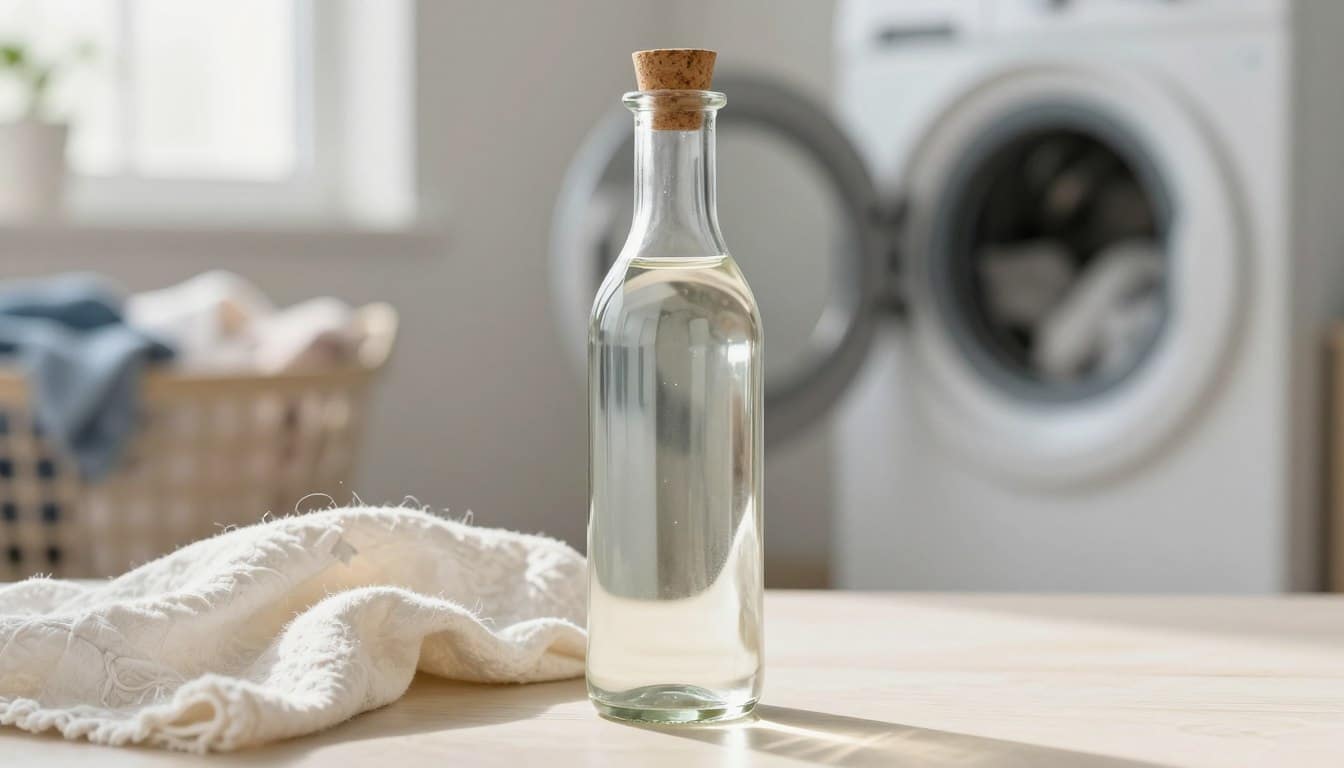
I often soak a new garment in cool water with a splash of white vinegar or a pinch of table salt for ten minutes. The white vinegar helps set dye, and many brands respond well to this simple trick.
Set colors with white vinegar or salt before the first wash
Mix cool water and one cup of white vinegar in a basin. Soak bright pieces briefly, then rinse. That helps dyes bond to fibers and lowers early bleeding.
Do a quick colorfastness test with a damp white cloth
Dampen a hidden spot and press with a white cloth. If the cloth picks up dye, treat that item alone for its first wash.
First few washes: cold water, small load, wash similar hues
For the first few washes, use cold water, small loads, and group similar hues. New jeans and red garments get their own load or go with darks only.
- Turn new pieces inside out to cut surface rub.
- Keep items separate until rinse water runs clear.
- Note brands that tend to run so you can plan next time.
| Method | Mix | Time |
|---|---|---|
| Vinegar soak | 1 cup white vinegar + cool water | 10 minutes |
| Colorfast test | dampen hidden spot, press with white cloth | 30 seconds |
| First washes | cold water, small load, similar hues | one cycle |
What to do if a bleed wash already happened
Caught a rogue dye? Don’t panic — moving fast gives you the best chance to fix it.
Stop the cycle if you can, and separate all clothes so wet pieces don’t touch lighter items. Handle stained garments gently; avoid rubbing moistened spots against other fabric.
Rewash stained items right away in cold water with a color-safe detergent. Cold water keeps loose dye from bonding to fibers. For sheets or tees that picked up tint, repeat a cold rewash as needed.
For stubborn transfer, soak the garment in an oxygen-based bleach solution. Mix with hot water, let it cool, then soak before washing again. Do not use chlorine bleach on colored clothes — it can worsen fading and damage fabric.
Drying matters. Air dry or use low heat until you’re sure stains are gone. High heat can set dye and make marks permanent.
| Problem | Quick fix | When to use |
|---|---|---|
| Light tint on tees | Cold rewash with color-safe detergent | Right after separation |
| Stubborn transfer | Oxygen-based bleach soak, then wash | After a failed cold rewash |
| Whites with dulling | Baking soda or vinegar final rinse | When whites need brightening |
Next time, keep risky reds and dark denim separate. Use lower water temperature and avoid packed loads to cut dye transfer and save time overall.
Conclusion
A few small habits will keep your wardrobe looking fresh and cut down on messy dye transfer.
Sort smart, use cold water and a gentle cycle, and avoid overloading the machine. I use a color-safe detergent and add a color-catcher when I mix hues.
Treat new pieces with a quick colorfastness test and a short white vinegar soak if needed. If loose dyes show up, stop the wash, separate items, and rewash cold right away.
For stubborn marks, try an oxygen-based bleach soak before drying. Watch reds, bright garments, new denim, towels, and sheets—they carry the highest risk.
Keep the routine simple and repeatable. You don’t need tricks, just a steady method. You’ve got this.