
I still remember the first time I wondered how to style oversized clothes without feeling swallowed by fabric. The right balance can make a baggy shirt or roomy coat feel cozy and sharp at once.
Start by adding a clear point of definition: a tucked hem, a cinched belt, or a knot at the waist. Pick fabrics that drape—cotton, linen, denim, and corduroy give shape without bulk.
Think small accessories and fitted pieces as anchors. A mini handbag, a pointed shoe, or a slim top under an open button-down will give the whole outfit purpose and keep comfort front and center.
If you want quick examples and closet-friendly swaps, check practical tips at this guide for short women for ideas you can use right away.
Key Takeaways
- Use tucks, knots, or belts to define your waist and keep shape.
- Choose draping fabrics that add movement, not bulk.
- Mix loose pieces with at least one fitted item for balance.
- Accessories like structured bags and statement jewelry anchor an outfit.
- Small edits—rolled sleeves or a cropped top—shift the whole look.
Get the look: core principles for styling oversized pieces without losing your shape
A purposeful cut makes roomy items look modern instead of messy. Buy pieces that are made with a designed fit so volume sits where it should and your silhouette stays clear.
Fit over size
Pick a blazer or shirt labeled as a designed fit, not something you grabbed two sizes up. That difference stops you from looking like you borrowed someone else’s outfit.
Shoulders, sleeves, waist
Make sure seams hit the shoulder edge and sleeves don’t drown your hands. Check the waist placement—purposeful room should add shape, not hide it.
Match the vibe
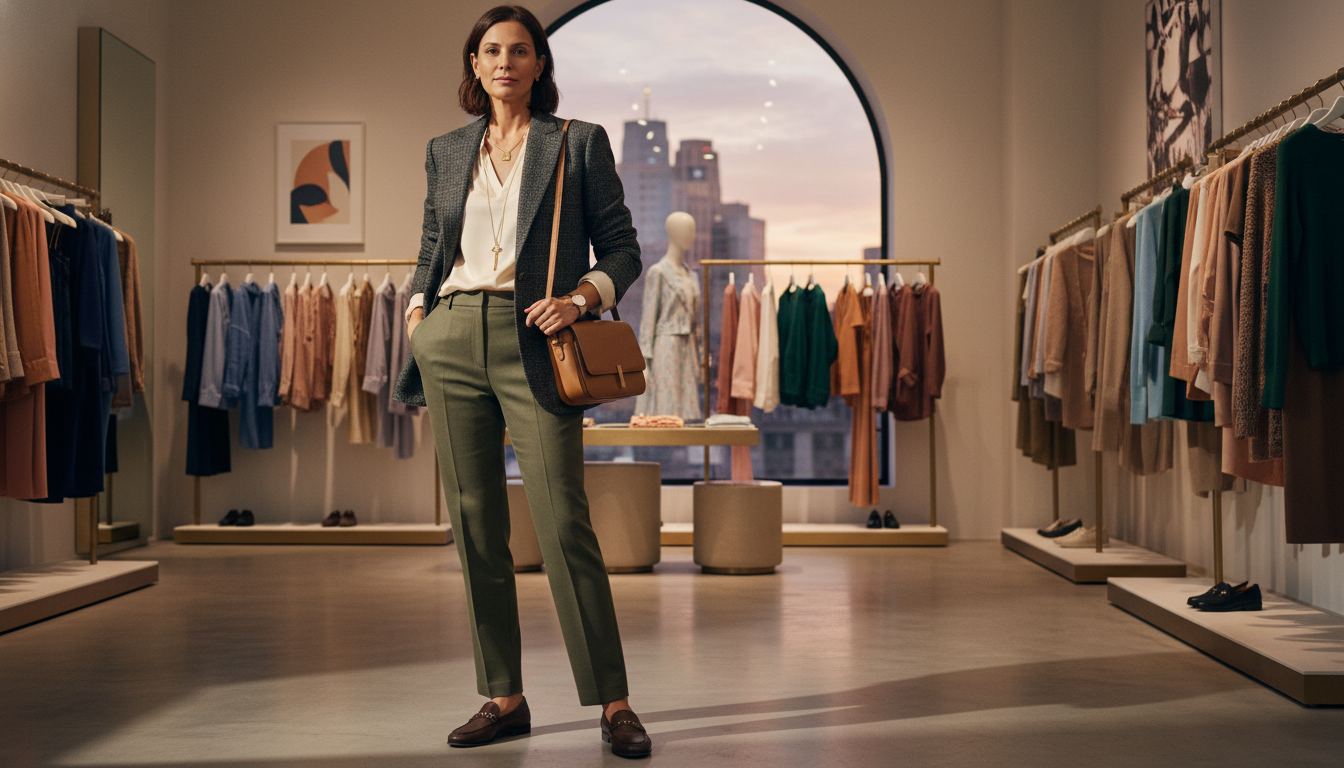
Think about where you’re going. An oversized jacket can be a daytime statement. A softly cut blazer can still read polished for work.
- Lift your arms and sit down—test movement for ease without sagging.
- Try one roomy top with fitted bottoms for a clean shape.
- Small shoulder lines and tidy sleeves keep the outfit purposeful.
Proportion rules that keep your outfit balanced
Balancing volume is the simple trick that keeps an outfit from looking heavy.
Start with one big piece and keep the rest fitted
Pick one roomy item and wear fitted pieces around it. This protects your shape and makes each item look intentional.
Create contrast with fitted layers
Wear fitted layers or tuck at the waist to define your middle. This contrast gives the eye a clear center and stops a boxy look.
Show a little skin for lightness
Roll your sleeves, open the neckline a bit, or let an ankle show with cropped jeans. Small reveals add breath and prevent heaviness.
- Wide-leg trousers work best with a tucked or fitted top for clean proportions.
- An oversized shirt pairs well with slim jeans or leggings for neat lines.
- A quick front tuck gives shape without bulk and is an easy, wearable way to tidy a look.
Fabric and construction: the fast track to polish
Pick fabrics that help your outfit read polished while keeping comfort front and center.
Cotton, linen, and jersey move with your body. They drape well and won’t add unnecessary bulk. That makes an oversized top or shirt settle neatly instead of ballooning.
Denim and wool give gentle structure when the cut is right. A tailored denim jacket or a wool blend can hold a clean shape without feeling stiff.
- Pick fabric that moves with you; cotton, linen, and jersey drape and feel light, which helps an oversized top sit smoothly instead of ballooning.
- Choose construction that gives gentle structure; a wool blend or tailored denim can hold shape without feeling stiff or heavy.
- If a shirt is cut roomy in a soft fabric, it’ll settle on your frame and create a clean outfit line; bulky knits add volume fast if the cut isn’t right.
- Light fabrics work great for semi-tucks and knots because they sit flat at the waist and don’t bunch.
- Textures like corduroy or flannel are cozy, but pair them with streamlined bottoms to keep the look balanced.
- When in doubt, test the drape: lift, twist, sit; the right fabric falls back into place and keeps the look neat.
- A little structure at the shoulder or collar can sharpen a dress or shirt without losing ease.
- Polished fabric plus a simple tuck is an instant upgrade that makes your look feel intentional and put-together.
how to style oversized clothes with the right bottoms and tops
Pairing roomy tops with the right bottoms makes an outfit look intentional, not accidental.

Oversized shirts with skinny jeans or leggings for clean lines
An oversized shirt looks neat with skinny jeans or leggings. The slim bottom keeps your silhouette clear.
Try a front tuck or a short belt when you want a quick waist hint. This combo works great for errands or casual Fridays.
Wide-leg trousers or flares balanced with a tucked tee or fitted top
Wide-leg trousers need a fitted top or a tucked tee shirt. That contrast keeps proportions balanced and flattering.
Skirts and shorts: semi-tucks, drop-waist looks, and flowy contrast
With skirts or shorts, a loose semi-tuck gives a cool drop-waist effect. It pairs well with A-line or flowy skirts.
Denim plays: boyfriend jeans, baggy jeans, and structured pairings
Boyfriend or baggy jeans shine when you wear a structured blouse, a tucked tank, or a cropped cardigan. Denim holds shape and adds contrast.
Tucks, knots, belts: quick ways to define the waist and shape
- Front tuck or side knot for instant waist definition.
- A slim belt turns an oversized top into a staple outfit piece.
- Keep bottoms streamlined—straight or slim jeans are reliable and flattering.
Layering that adds structure, not bulk
A smart stack of layers can turn roominess into a deliberate, polished look. Think of layers as tools that add light structure and interest without hiding your shape.
Oversized outerwear over fitted bases
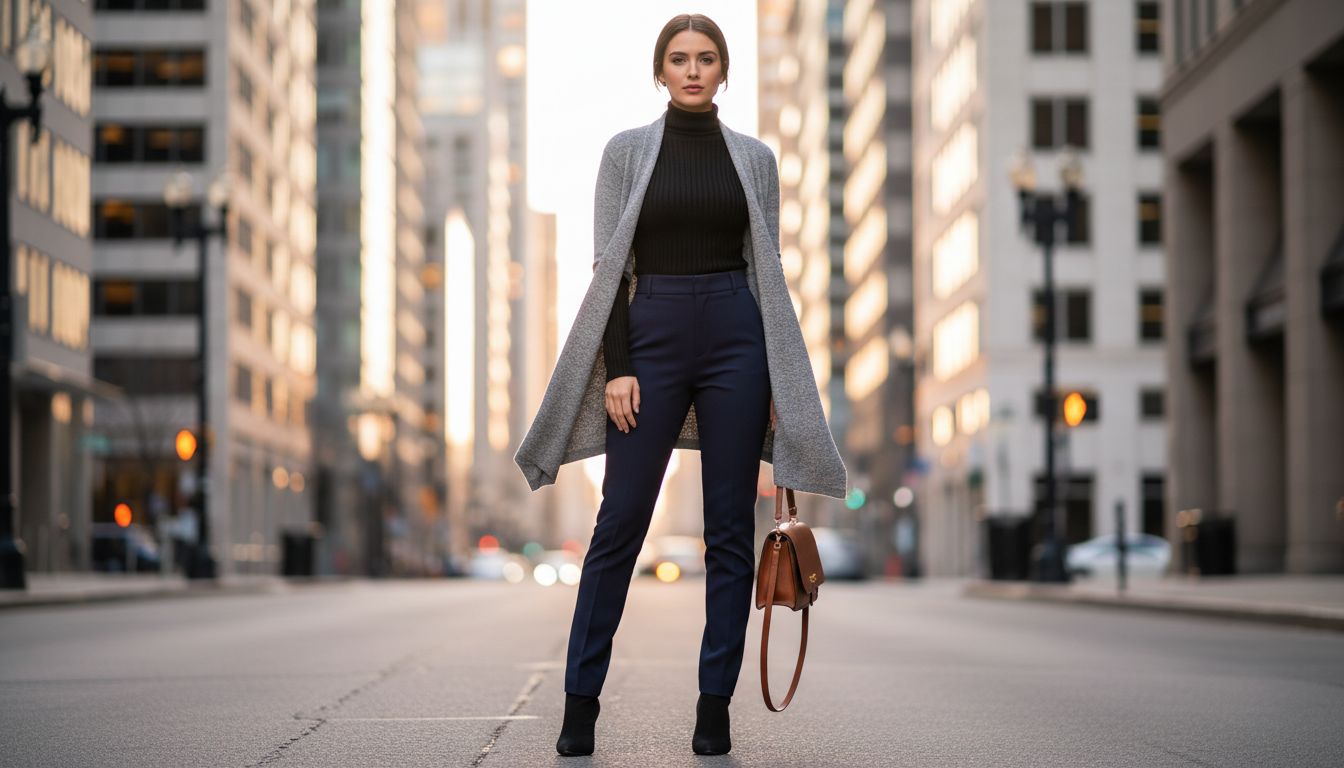
Start with a close-fitting base like a ribbed tee or slim shirt. Then add a roomy jacket, blazer, trench, or hoodie for contrast.
This keeps your shoulders and waist readable while giving the outer piece room to breathe.
Button-downs worn open with a crop top or tank
Wear an open button-down over a fitted crop or tank for instant contrast. It’s easy and looks intentional with high-rise jeans or a midi skirt.
Seasonal switch-ups: vests, zips, and length play
Mix shorter and longer layers. Put a shorter sweater vest over a long shirt. Try a zip hoodie over a slim tee and straight jeans.
Make sure only one piece is truly voluminous. Let collars, cuffs, or hems peek out for small details that break up volume.
- Build from a fitted base, then add one roomy jacket or blazer for clean structure.
- When baggy tees are your base, top them with a sharp blazer for a polished look.
- Swap a trench over a fitted knit dress for flow without hiding your waist.
Accessories and shoes that sharpen the silhouette
The right bag or shoe will instantly sharpen a loose silhouette and give it purpose. Reach for one clear statement piece and let the rest stay simple. That small choice keeps the outfit clean and shows the shape of your body.

Bags, jewelry, and hats: add statement or minimal structure
Structured handbags and mini crossbodies add crisp lines against roomy tops or jackets. A slim belt at the waist groups fabric and creates a neat center.
Layer long necklaces or wear a bold pendant. Large hoops or a standout chain bring the eye up and balance volume below the shoulders. Hats — a baseball cap for a sporty feel or a panama for polish — help frame your face.
Shoes that give shape: chunky sneakers, long boots, pointed toes
Chunky sneakers pair well with a tee shirt and jeans for a modern, relaxed look. Long boots that hug the leg add vertical shape under a dress. Pointed toes sharpen wide hems and make the whole outfit read neater.
Color and texture contrast keeps the look intentional
Mix smooth leather with a fuzzy knit or glossy boots with soft denim. Contrast like this makes the outfit feel planned, not random. When in doubt, pick one hero accessory and keep everything else clean.
| Accessory | Best with | Effect on shape | When to pick |
|---|---|---|---|
| Mini crossbody | Roomy top or jacket | Creates a focal point at the waist | Casual days, errands |
| Long boots | Dress or wide-leg pant | Lengthens leg and adds vertical line | Chilly weather, polished looks |
| Chunky sneakers | Tee shirt and jeans | Balances volume, keeps vibe modern | Weekend wear, travel |
| Bold jewelry | Simple oversized shirt | Draws eye up, balances body | Evening out or casual polish |
- Use a structured bag as a statement against loose pieces.
- Add shape with shoes: chunky, long, or pointed depending on the look.
- If an outfit feels too loose, a belt over a jacket changes the waist fast.
Conclusion
A few simple choices will keep roomy pieces feeling intentional instead of accidental. Buy purposely oversized clothes, not just two sizes or sizes big from the rack. That small move helps you avoid looking like you borrowed a larger size and keeps your look confident.
Balance matters. Pair one roomy piece with a fitted base and tuck or add a belt. This keeps balanced lines and helps your shape read clearly in any outfit.
Pick drapey fabrics and try neat layers—an open jacket over a slim top or a tied shirt over jeans. These tricks make styling oversized and wear oversized outfits feel easy, not heavy.
If your shirt or shirts and jeans start looking like too much, check shoulders, sleeves, and waist. Small edits fix looking like you drowned in fabric and make the whole look work.
Try one new way each week and have fun. Confidence is the clearest way to make a top, jacket, or dress look like yours.