I know that struggle of piling on five sweaters only for it ending in a marshmallow look. It is frustrating when you feel like a stuffed toy while shivering at the bus stop. Learning how to wear layers without bulk changed my morning commute forever.
Most assume thick clothing is the only path for surviving a cold winter. However, heavy fabrics often trap moisture and restrict your natural movement. Using a thin base layer keeps heat close while remaining comfortable.
The secret involves natural fibers that insulate minus the unnecessary weight. When you layer smartly, you stay cozy. This approach makes finding warm and easy travel outfits for simple.
I want you feeling confident even on freezing days. You can layer textures for a look that stays practical. Let’s look at ways for staying snug without the extra weight.
Key Takeaways
- Choose thin natural fibers like merino wool for better insulation.
- Focus on a high-quality base layer for trapping body heat.
- Avoid oversized sweaters that limit your range of motion.
- Use multiple thin garments rather than one heavy piece of clothing.
- Select fabrics that breathe well for indoor and outdoor comfort.
- Prioritize lightweight materials for easier packing during winter travel.
Why You Feel Like a Marshmallow (And What’s Going Wrong)
I used to think that piling thick sweaters on top of each other was the only way to survive the winter chill. I would walk out the door feeling twice my size but still shivering uncontrollably. It was frustrating to look so bulky while feeling so cold.
The Bulk Trap Most People Fall Into
Most people fall into a trap where they keep adding layers without knowing how the human body actually reacts to them. When your clothing is too heavy or tight, it actually restricts your blood circulation. If your blood cannot flow easily to your hands and feet, you will always feel the chill.
Thick Doesn’t Always Mean Warm
Here is a secret: thickness does not guarantee heat. Many people buy cheap, bulky fabrics that are made of synthetic blends. These materials trap moisture against your skin instead of letting it evaporate, which makes your temperature drop quickly once you step outside.
| Clothing Habit | What Happens | The Feeling |
|---|---|---|
| Piling thick fabrics | Compresses the skin | Stiff and cold |
| Synthetic blends | Traps sweat/moisture | Damp and chilly |
| Too many layers | Limits movement | Exhausted and frozen |
How Your Body Actually Stays Warm
Your body stays comfortable by holding a thin pocket of heat right next to your skin. To keep that warmth, you need materials that insulate while allowing moisture to escape. If you crush those air pockets with heavy items, the cold air from outside reaches you much faster.
- Heavy clothes compress the air that should be insulating you.
- Sweating in thick items indoors leads to a deep chill outdoors.
- Staying dry is more important than staying “covered” by weight.
The 3-Layer Rule That Keeps You Warm Without the Puff
Learning how to dress for the cold changed for me when I stopped grabbing random sweaters and started using the 3-layer rule. I used to think that looking like a marshmallow was just the price I had to pay to stay comfortable. Now, I know that smart layering is the real secret to staying cozy.
This system is a winter go-to strategy that keeps you adaptable without piling on half your closet. It is all about choosing pieces that work together as a team. Once you understand the roles, you can finally walk out the door feeling light and ready for anything.
What the Three Layers Actually Do
Each piece you put on should have a specific purpose. I focus on managing moisture first, then adding heat, and finally blocking the elements. When these parts align, you get maximum warmth with minimal weight.
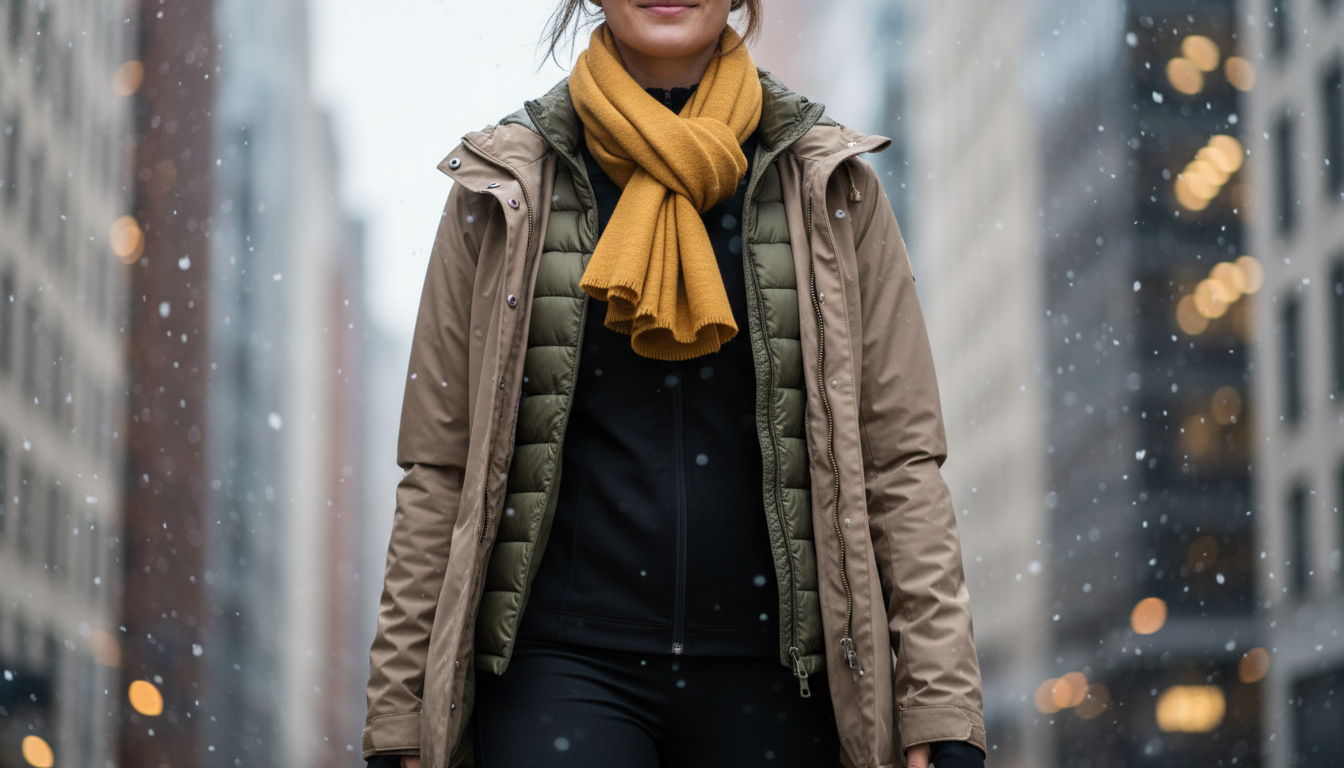
| Layer Type | Main Purpose | Key Materials |
|---|---|---|
| Base | Wicks moisture and locks in heat | Merino wool, Silk, Synthetics |
| Middle | Insulates by trapping body heat | Fleece, Down vests, Wool knits |
| Outer | Shields from wind and rain | Rain shells, Parkas, Trench coats |
Why This System Works Better Than Piling On Sweaters
When you just throw on two heavy sweaters, you often end up sweaty and restricted. This method works better because it creates a cozy cocoon by trapping air that your body naturally heats up. You get better temperature control without bulk getting in your way.
I love how easy it is to adjust throughout the day. If you get too hot while commuting or shopping, you can just remove one layer to stay comfortable. It is the perfect solution for anyone who moves between the freezing outdoors and overheated indoor spaces.
How to Think About Each Layer
I like to think of my base as the foundation of everything. Its job is to keep your skin dry so you don’t get a chill later. If this part fails, no amount of heavy coats will help you stay warm.
The middle layer is your heater, while the outer layer acts as your shield. By picking each layer with intention, you ensure that your winter outfits look more put-together. You’ll notice you feel more confident when your layers are working for you instead of against you.
Your Base Layer: The Foundation That Changes Everything
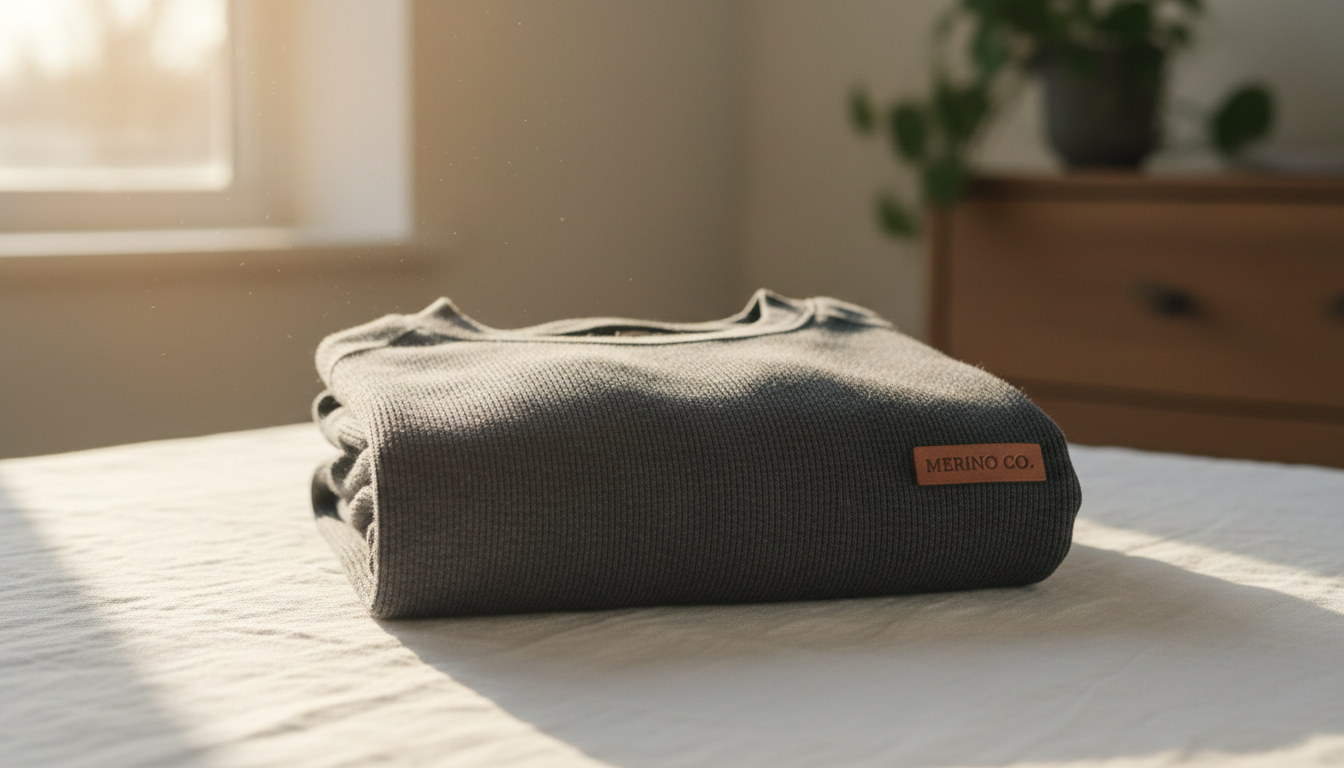
I can’t stress enough how important your base layer is to your comfort. It is the foundation that changes everything about how warm you feel during the day. Getting this base right makes all your other layers work so much better.
This first piece of clothing should hug your body. It works by pulling moisture off your skin because sweat in winter can make you feel frozen. A good base layer traps heat while letting moisture escape.
Fabrics That Insulate Without Thickness
The best base layer fabrics insulate your body without adding any unnecessary thickness. You want materials that feel light but work hard to keep you cozy. Choosing the right wool or technical fibers makes a huge difference.
Merino Wool and Why I Swear By It
I have found that merino wool is absolutely worth investing in for your winter wardrobe. This type of wool sits right against your skin and wicks moisture away instantly. It is naturally warm and breathable.
A merino wool tee is my favorite choice because it doesn’t get smelly even after all-day wear. It regulates your temperature whether you are in a cold wind or a heated office. This is the perfect base for any outfit.
Silk as a Secret Weapon
Silk is my secret weapon for staying warm without adding any bulk to my look. It is incredibly thin but acts as a powerful thermal regulator. It feels amazing against the skin and fits under almost anything.
I love using silk when following travel layering tips for weather changes because it packs down to nothing. It is a smooth, non-bulky option for transition days. Silk keeps you warm without anyone knowing you have an extra layer on.
Synthetic Blends That Actually Work
Sometimes a technical tee made of synthetic blends is the most practical choice. These fabrics are specifically designed for moisture-wicking and high durability. They often provide great stretch for a comfortable fit.
While I prefer natural fibers, a high-quality synthetic fabric dries very fast. These are excellent for active days when you might move a lot. They provide a reliable base for keeping heat close to your core.
The Fit That Keeps You Warm
The fit of your base layer matters more than you might think for staying warm. You want it snug enough to trap warm air close to your skin. If it is too loose, cold air will circulate and ruin the insulation.
There is a sweet spot where the garment is fitted but not tight enough to restrict blood flow. I always tuck in my base to keep cold drafts from sneaking in. This simple trick makes a noticeable difference in your overall warmth.
What Never to Wear as a Base Layer
Here is what never to wear as a base layer: pure cotton. This fabric is your enemy in the cold because it holds onto moisture like a sponge. Once cotton gets damp from sweat, it stays wet and makes you colder.
Even a simple cotton tee can become a “silent killer” of your warmth on a chilly day. Always look for moisture-wicking fabric instead of traditional cotton. Keeping your skin dry is the most important rule for winter comfort.
Middle Layers: Adding Warmth Without Adding Width
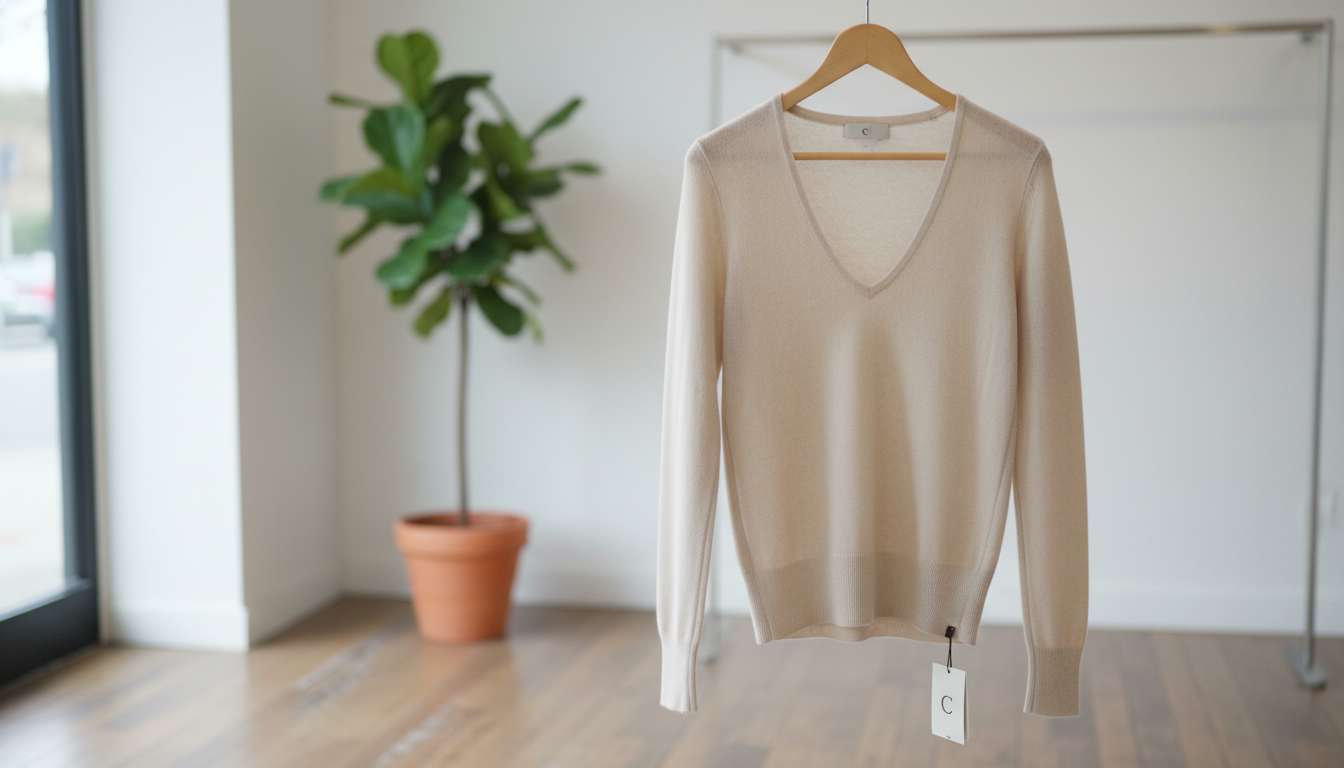
Finding the right middle layer was a game-changer for me because it finally stopped that “stuffed” feeling. I think of this part of my outfit as the “warmth workhorse.” It sits between your base and your coat, trapping body heat while letting your skin breathe. Using a specific middle layer ensures you stay cozy without looking like you’ve doubled in size. This layer is where you add insulation without the puffiness.
The Best Insulating Fabrics
I’ve spent years testing different options to find what really works for a winter wardrobe. The goal is to find a fabric that insulates well but still stays slim and packable.
Cashmere and Fine Knits
A lightweight cashmere sweater is my favorite choice for a middle layer. It is soft and elegant, providing incredible warmth for its weight. A fine knit merino wool is another excellent fabric choice. It provides great insulation without the bulk of old-fashioned, heavy sweaters.
Fleece That Doesn’t Add Bulk
You can find a thin fleece jacket that traps heat efficiently without the extra fluff. I look for technical fleece options because they are designed to be breathable and slim. High-quality fleece is a versatile choice that keeps you warm all day while remaining very light.
Lightweight Down Options
A thin down vest or sweater is one of the warmest items you can own. Since down is so light, you can wear it as a layer under your coat without feeling restricted. It compresses beautifully, making it easy to store in a bag if you get too hot.
How Your Middle Layer Should Fit
Your middle layer should fit a bit looser than your base layer. You want enough room to trap a pocket of warm air between the pieces. This helps maintain your body temperature during a long day outside.
However, make sure your middle layer isn’t so loose that the knit bunches up. It should follow your silhouette naturally. A well-fitted piece adds the heat you need without making you look wider in your favorite coat.
Outer Layers: Protection That Looks Intentional
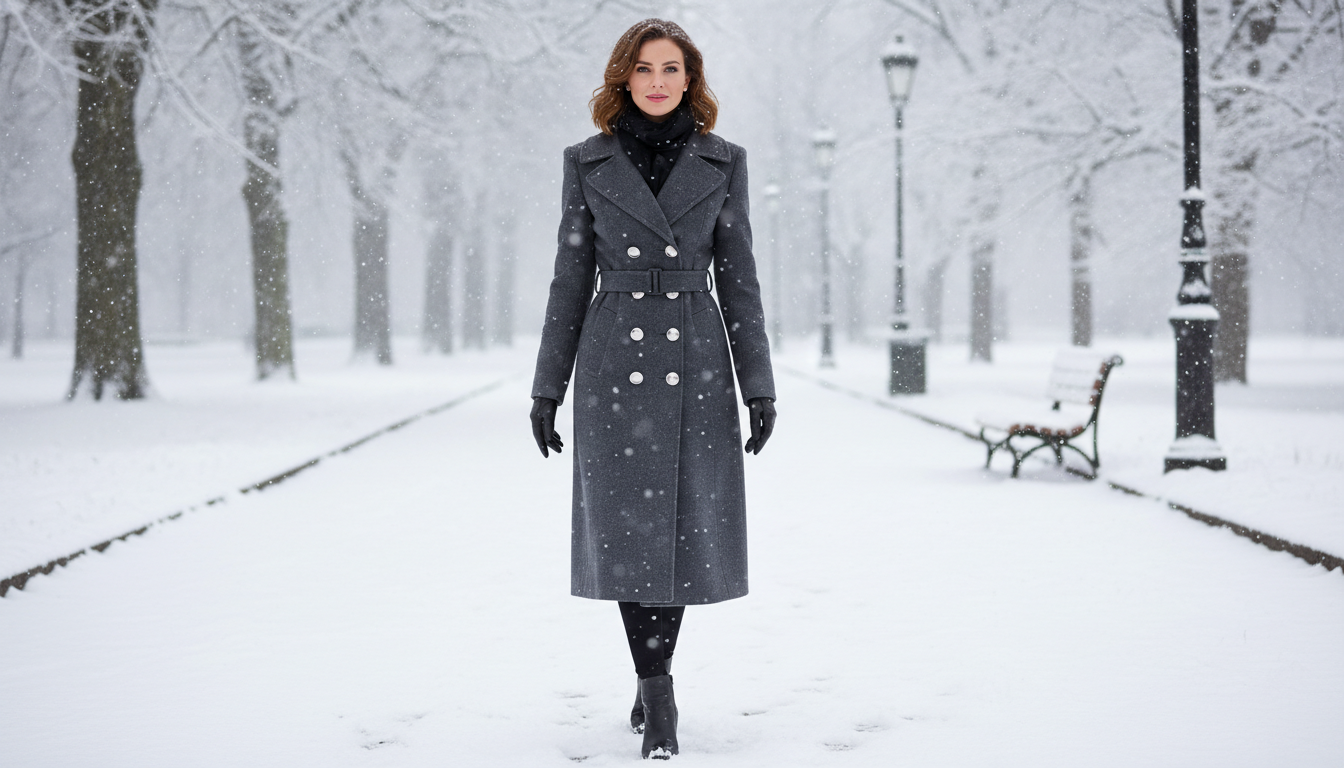
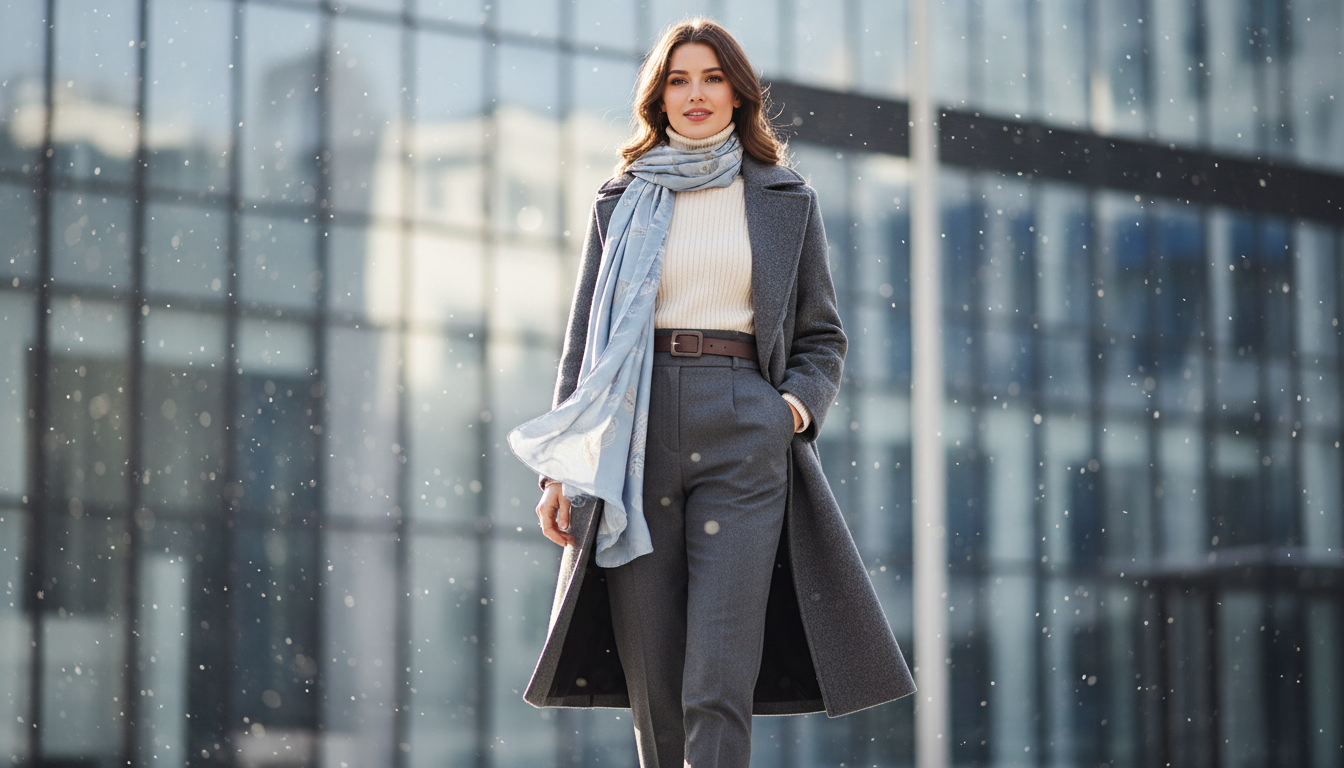
Finding a coat that protects you from the wind without making you look like a giant marshmallow is my favorite styling win. I always pick a coat that feels as good as it looks. Your outer layer acts as a shield against the snow and rain, sealing in the warmth from your base and middle layers.
I choose pieces made of durable materials like technical shells or Gore-Tex. These fabrics block the cold wind but still let your skin breathe. This prevents the damp chill that happens when moisture gets trapped inside your outer layer.
Choosing a Coat That Flatters
Your coat is what the world sees first, so I want it to reflect my personality. I’ve found that winter pieces don’t have to be black or boring. You can choose a colorful option or an embroidered coat to act as a focal point for your style.
A long coat adds warmth while giving the outfit a sleek and polished finish. I love how a unique, colorful coat can erase any doubt that winter fashion is boring. It makes getting dressed in the morning feel like a fun treat rather than a chore.
Wind and Water Resistance Without the Puff
You can get amazing wind and water resistance without all the extra puff. Modern technical fabrics block the wind but stay slim and sleek. I love a jacket that keeps me dry without feeling like I’m wearing a heavy sleeping bag.
A puffer hooded jacket is great for low temps, but I make sure it has a trim fit. This ensures I stay warm on high wind days without losing my shape. It is all about finding that balance between function and fashion for daily wear.
Why Structure Matters in Outerwear
Structure is the key to looking put-together when you are bundled up. I look for an outer layer with a defined waist or structured shoulders to create a clean silhouette. This prevents you from looking like a pile of fabric in your outer layer.
Whether it is a long tailored wool coat or a technical shell jacket, the fit is everything. Make sure your outer layer fits over your other layers without feeling tight or restrictive. This creates a polished style that feels both cozy and confident.
The right outer layer protects you from the cold while looking intentional. A well-structured coat gives your whole outfit shape and makes you feel ready for anything. Choosing a sleek jacket ensures you stay warm without sacrificing your personal look.
How to Wear Layers Without Bulk on Your Legs
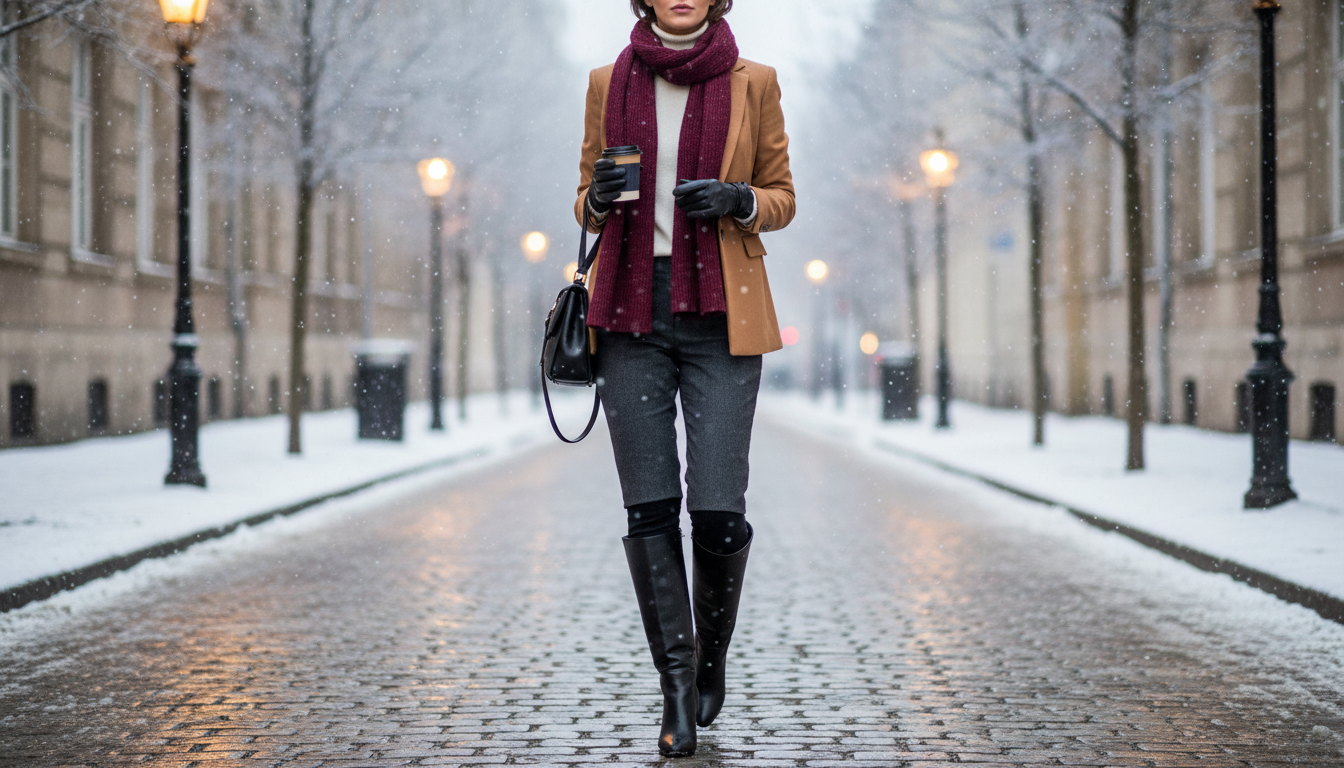
When the temperature drops, I always make sure my legs are just as cozy as my top half. Keeping your lower half warm is essential for full-body comfort throughout the day. I follow a simple system of layers to stay toasty without needing heavy, uncomfortable snow pants.
I think a lot of us forget about our legs, but they deserve just as much attention as our core. Bundling up properly prevents that frantic feeling of being frozen from the waist down. It is all about choosing the right materials from the start.
Base Layers for Your Bottom Half
I’ve found that high-quality base layers are a total game-changer for winter warmth. I love using thin merino wool or fleece-lined leggings because they trap heat perfectly near the skin. These options keep you warm while wicking away moisture so you do not feel clammy.
On a really cold day, I might even put on two pairs of tights together. It is a trick I use when I want to wear a dress without freezing. Fleece-lined tights are genius because they look like sheer black hosiery but feel like a soft, warm hug.
You can find these base layers with or without feet, depending on your footwear needs. They provide incredible insulation without adding any visible width to your silhouette. They are the foundation of a comfortable winter outfit.
Pants That Work Over Thermals
Choosing the right pants to wear over your thermal layers makes a huge difference in your overall look. I look for items with a bit of stretch or a slightly relaxed fit in the legs. This ensures they fit over your base layers without feeling tight or restrictive.
Durable, weather-resistant pants are great for blocking the biting winter wind. You want to avoid any pants that feel stiff or overly heavy. The goal is to stay protected from the elements while maintaining a sleek, intentional line.
I usually opt for regular pants that have a tiny bit of “give” in the fabric. This allows for full movement when you are walking through the snow or commuting. It keeps you comfortable and helps you avoid that “marshmallow” feeling we all dread.
The Skinny Jean and Boot Combo That Actually Works
Even though fashion trends change, skinny jeans are still one of my favorite options for winter. They are the best pants for tucking into tall boots without any bunching or discomfort. I wear my thin base layers under them for a look that is both stylish and surprisingly warm.
This specific combo creates a slim line that hides your base layers completely. It is my go-to for a long walk when I want to look put-together. You get all the warmth of internal layers without anyone knowing you are wearing double layers.
Tucking your pants into boots also seals in the heat and keeps the cold air from rushing up your legs. It is a practical solution that looks polished and classic. You can stay warm and confident all season long with this simple trick.
Accessories That Add Warmth in All the Right Places
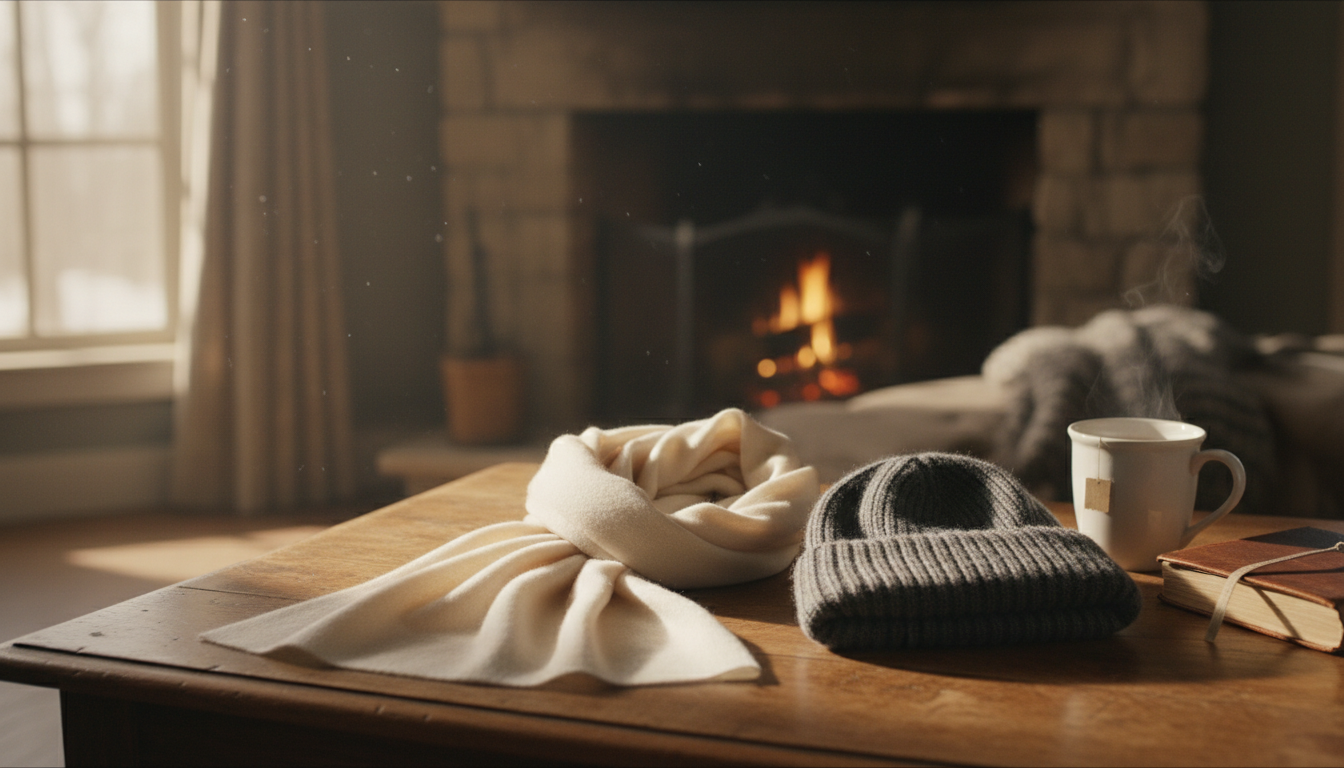
You don’t need a giant parka if you choose the right small items to lock in your body heat. These final pieces help you stay warm by protecting your extremities from the biting wind. By choosing thin but effective materials, you avoid adding any extra width to your silhouette.
Strategic Warmth for Key Areas
I have learned that targeted warmth is the secret to a slim winter look. When you keep your neck and head cozy, your whole body feels much better.
This approach means you can skip the extra heavy sweaters. It allows you to stick to a cleaner, more intentional style.
Scarves, Hats, and Gloves That Don’t Overwhelm
I love a cashmere scarf because it offers incredible insulation without any heavy weight. It is soft against the skin and blocks the cold wind perfectly.
You should also look for a wool beanie or a sleek neck gaiter. These options allow you to layer effectively while keeping your look polished and professional.
The Sock Situation Nobody Talks About
Cold feet can ruin your day, so investing in merino wool socks is a must. They trap heat and keep moisture away, which keeps your toes comfortable in the snow.
These small additions provide a lot of warmth and fit perfectly under your boots. You deserve to feel cozy and confident even in the middle of January.
The Styling Tricks I Use to Look Put-Together
I’ve found that how you combine your layers matters just as much as what you’re actually wearing. It is easy to feel overwhelmed by heavy clothes when the temperature drops. However, a few simple moves can help you stay warm without the heavy feeling.
Looking polished is about being intentional with every piece. Your style should reflect who you are, even in the dead of winter. Use these tricks to build a winter outfit that feels like you.
Mixing Textures Without Creating Bulk
One secret I love is mixing textures like velvet, silk, and denim. This adds visual depth to your outfit and keeps it from looking flat. Texture is not automatically heavy; it is all about how it plays with your eyes.
You can even use this trick to wear “summer” items like a silk kimono as an extra layer. Combining a smooth silk scarf with a denim jacket allows you to stay warm without the bulk. A silk scarf also helps you avoid static hair when you take it off!
| Item | Function | Styling Goal |
|---|---|---|
| Thin Base | Traps heat | Warm without the puff |
| Wool Sweater | Insulation | Adds texture and depth |
| Tailored Coat | Protects wind | Creates a sharp line |
The Proportion Game
The proportion game is all about balancing where you add volume. If you choose a chunky sweater, you should keep your pants slim. This balance ensures your winter outfit looks intentional rather than just thrown together.
When to Go Fitted on Top
You should choose a fitted top when you are wearing wider pants or a flowing skirt. Keeping your top slim helps balance out the volume on your bottom half. This prevents you from looking like you are drowning in fabric.
When to Go Fitted on Bottom
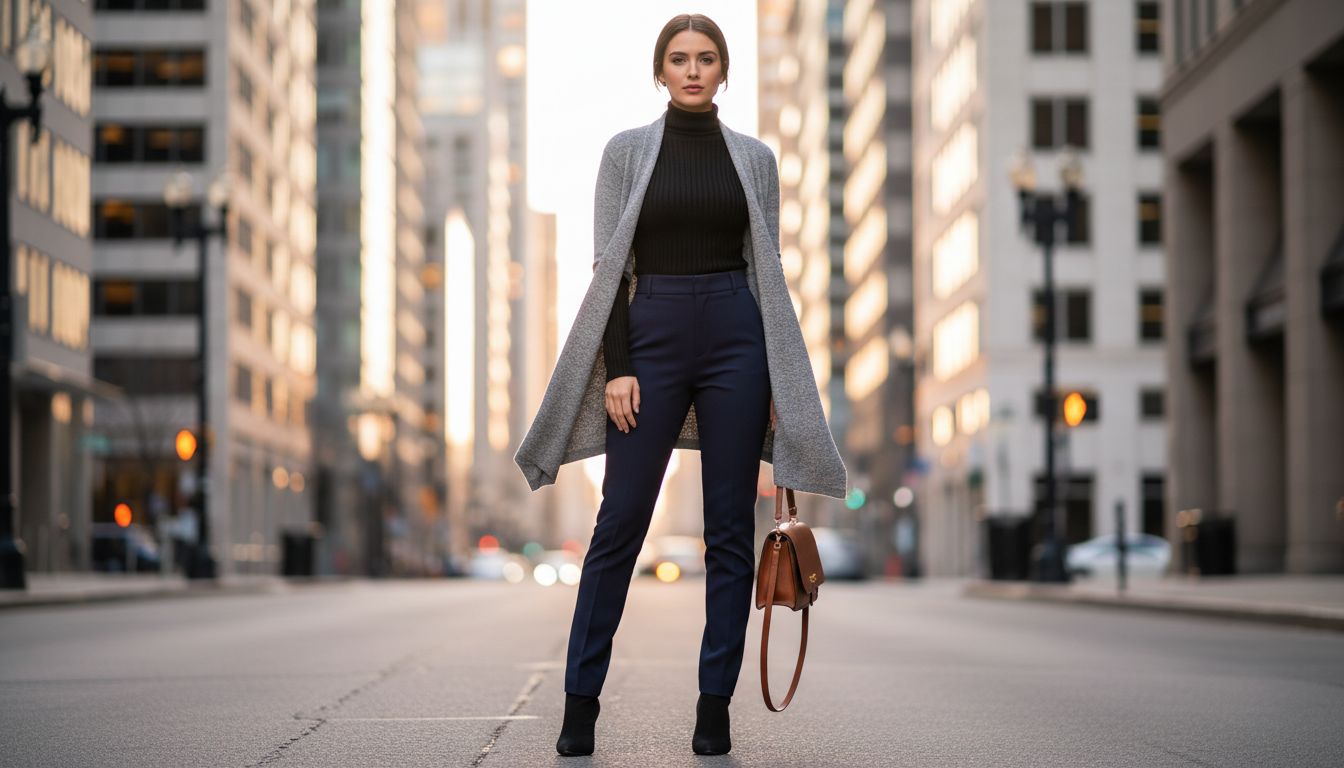
I always wear fitted pants or leggings when I choose an oversized coat. A voluminous coat needs a slim base to keep your silhouette clear. This is the best way to wear a heavy sweater or a long coat and still stay warm without losing your shape.
Color and Pattern Choices That Help
Color is a powerful tool to manage visual bulk. Wearing a monochromatic outfit creates a long, lean line for your body. I often wear darker colors in areas I want to minimize and save patterns for my accessories.
A dark coat worn over a similar colored outfit makes you look taller. This is a great way to stay warm without drawing attention to the thickness of your layers. It keeps the look simple and very sophisticated.
Common Mistakes That Make You Look Bigger
One common mistake is wearing all oversized pieces at once. Pairing a baggy sweater with wide pants and a loose coat hides your body entirely. This makes your outfit look messy instead of cozy.
Remember that your coat protects wind while your middle layer traps heat. Your job is to style them so they work together. Staying warm without the extra weight is easy once you master these simple balance rules for every outfit.
Conclusion
I truly believe that dressing for the cold should feel like an adventure, not a struggle. Now you know that staying warm while avoiding bulk is completely possible when you understand how layering actually works. It is all about choosing the right fabrics for every situation.
I hope you feel ready to rethink your winter clothing and focus on a smart system. Instead of piling on thick sweaters, try starting with high-quality base layers. These thin pieces do the important job of trapping heat close to your body.
When you get your layering system right, it pays off every single day. I’ve found that most people enjoy the season more when they don’t feel like they are drowning in heavy clothes. Your base layers keep you dry, while your middle layers add warmth and your outer jacket or coat protects you from the wind.
Take a little time to plan your outfit before you head out. This simple habit keeps your body at the right temperature regardless of the weather. I’ve found that people who spend time on this job actually look more put-together in their clothes.
Mastering these layers makes winter feel like a season you can actually embrace. You can stay nimble and elegant even on the coldest day without a heavy jacket or itchy sweaters. Once you switch to intelligent layering, you will never look at your winter wardrobe the same way again.