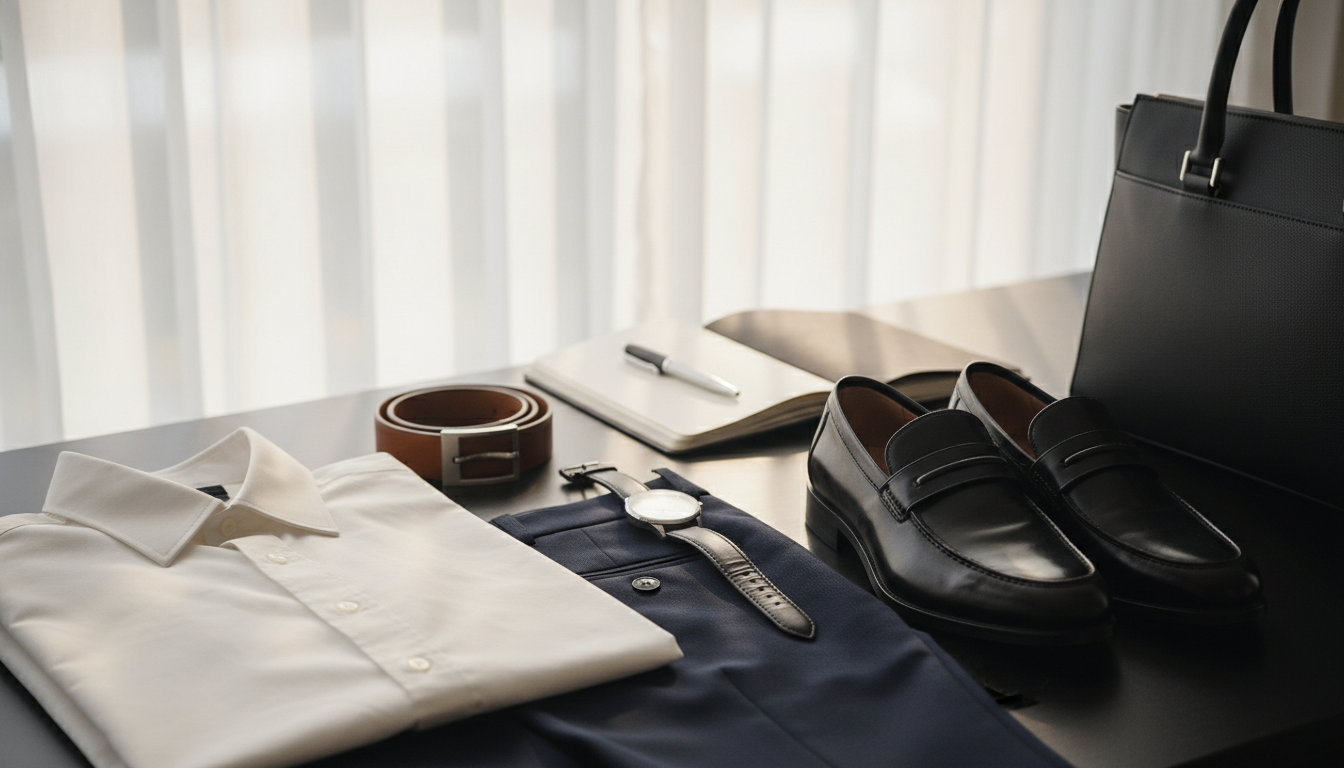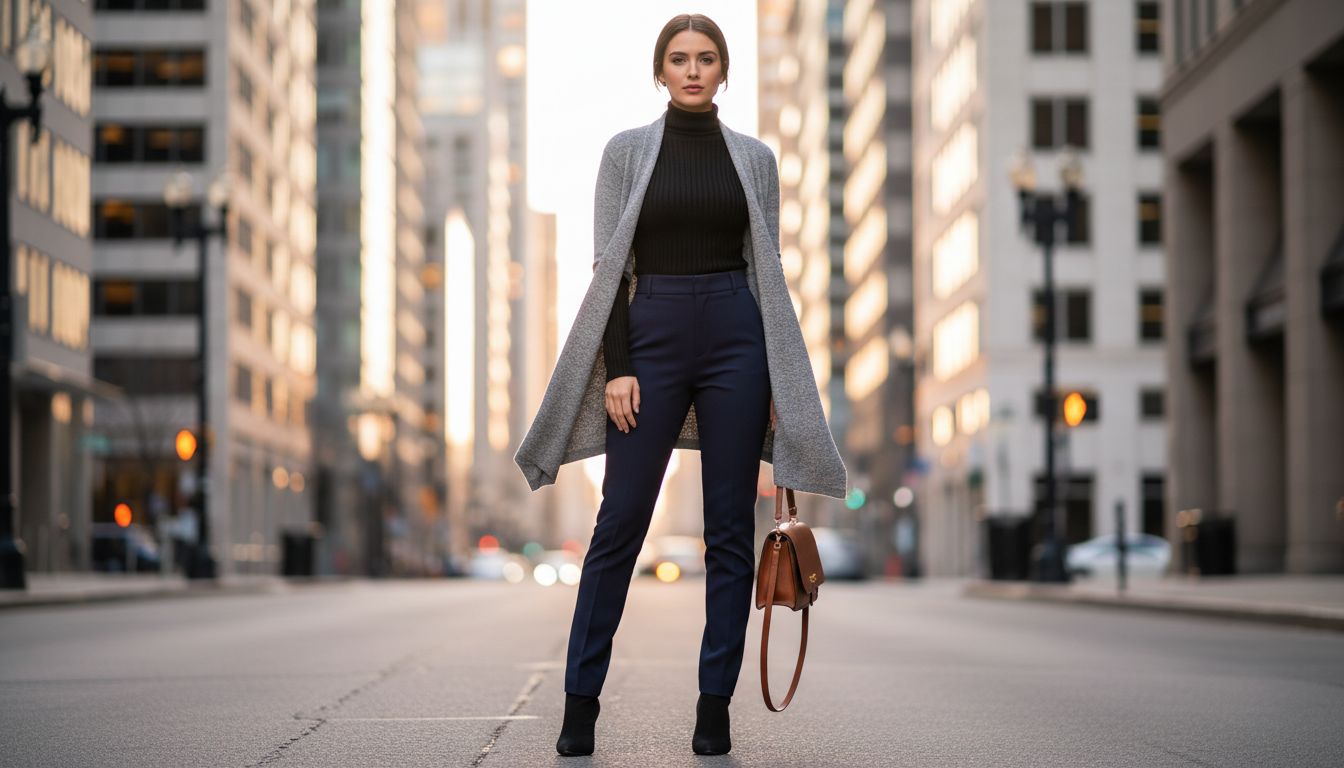

clothing tricks that change everything can wake up a tired closet in one Saturday morning. I still remember the small tweaks that made my favorite outfits feel new — the fit, the shine, the tiny fix that draws the eye.
I’ll show you quick moves to refresh your style without buying a whole new wardrobe. Think smart edits to pieces you already own and simple care habits that keep fabric looking sharp.
We’ll cover smart mixes so a tee and jeans can pair with a blazer and suddenly look put together. You’ll also get fast grooming tips for hair and skin that save time and lift how your clothes sit on you.
For a few practical steps and examples, check these easy style tips that fit into busy mornings and real life.
Key Takeaways
- Small edits to fit and fabric make big style gains.
- Purging unhelpful pieces frees mental space and closet room.
- Mixing casual and smart items refreshes old outfits fast.
- Simple care routines extend the life of your clothes.
- Quick hair and grooming wins change how you show up.
Start fresh: clear your closet so only great pieces remain
A fast closet clear-out sets you up to dress with less stress every morning. Pull everything out and work in short bursts so the job feels doable.
Make three piles: keep, tailor, donate. This makes decisions simple and keeps your mornings easy.
Keep, tailor, or donate: simple criteria to make sure what stays earns its spot
Ask four quick questions for each item: Do I love it? Does it look great on me? Will I wear it often? Would I buy it again today?
If a top or shirt almost works, set it aside for tailoring. If an item doesn’t fit your life, let it go without guilt.
Build a mix-and-match core so a few shirts, jeans, and jackets create a lot of outfits
Aim for interchangeable basics: simple shirts, dark jeans, a neutral jacket. Make sure each keep piece works at least three ways.
- Try items on as you sort — the mirror tells the truth.
- Touch the fabric; if it feels high maintenance, it won’t get worn.
- Hang or fold winners where you see them and bag donations immediately.
- Snap photos of favorite combos for quick mornings. One in, one out keeps the closet honest.
Make a tailor your secret weapon for instant upgrades
A good tailor can make a simple top or pair of jeans feel like it was made for you. I say this from trying mends on pieces I already owned and then wearing them nonstop.
What most tailors will and won’t do
Tailors commonly handle hems and sleeve length with ease. These are fast wins that keep lines clean and proportions right.
They usually won’t rebuild shoulders or resize a shirt collar—those changes alter the whole structure and can look off.
Your first visit: a simple game plan
Bring one garment for a clear test. Talk through the fit you want and make sure the plan and price are in writing.
Start with a pant hem or small waist tweak. It’s cheaper and builds trust before you hand over more pieces.
Why small tweaks matter for casual pieces
Even casual shirts and jeans look tailored with tiny side nips or a neater ankle length. Ask how far they can take in seams without pulling.
- A good tailor can turn a “meh” piece into your favorite with a few clean stitches.
- Try on pinned garments—sit, walk, reach—so the final fit works in real life.
- Keep a note of inseam and sleeve lengths you love for faster future tweaks.
Care like a pro: laundry, ironing, and storage that make clothes last
A few smart laundry habits will keep your wardrobe in top shape, even on busy weeks. Small steps save you time and help fabric hold its shape and color.
Wash rhythm, water temp, and air drying to keep fabric crisp
Set a simple wash rhythm: clean your clothes when they clearly need it, and about every 2–3 wears for most everyday pieces.
Use cool or warm water based on the label and the item color. Cooler water protects dye and slows wear.
Air dry whenever you can. Skip the dryer for jeans and any favorite shirt. A quick shake and hang will make them make look newer longer.
Ironing basics and wood hangers that protect the shape of tops
Block out a small window of time each week to iron what wrinkles most. Minutes now save outfit stress later.
- Steam or iron from the inside to protect delicate fabric and prints.
- Hang items right away so creases don’t set back in.
- Fold heavy knits and stretchy pieces to avoid sagging; hang blazers on wood hangers to protect shoulders.
- Treat stains with water first, then a gentle remover on a hidden spot before you treat the whole garment.
Shoe care that elevates every outfit
The right care for your shoes makes a go-to pair look new week after week. A few simple steps fit into a Sunday tidy-up and take less time than you think.
Simple habits for longer‑lasting leather and canvas
I keep shoe trees in my best leather pairs after wear. They help the leather dry evenly and hold shape so heels don’t fold.
- Slide shoe trees into leather favorites right after you wear them so they rest properly.
- Brush off grit first. Use a cream polish to feed the leather, then a wax polish for shine. It’s a five‑minute upgrade that lifts any outfit.
- Avoid water when you can. If a pair gets soaked, stuff with paper, lay on their sides, and dry away from heat.
- Use a shoehorn every time to protect the back. Collapsed heels make nice shoes look tired fast.
- Rotate shoes day to day so each pair can rest and rebound. This small habit adds years.
- Wipe sneakers too—clean laces and a quick sole scrub make casual looks feel intentional.
- Seal suede with a protector spray and brush it gently to raise the nap without scratching.
- Store footwear off the floor on a simple rack to keep dust away and mornings easy.
DIY T‑shirt transformations you can do on a flat surface today
A few simple snips on a flat surface can turn a favorite tee into a brand‑new look. I’ll walk you through easy cuts you can do on your table or countertop. You need very sharp scissors and washable chalk to mark lines before you cut.
Tools you need: sharp scissors and washable chalk for clean, even cuts
Set the shirt flat and smooth the fabric so it won’t shift. Mark with chalk so both sides match. Keep a damp cloth and a little water nearby to wipe marks when you’re done.
The V‑neck with a collar “choker” effect
Turn the shirt inside out on the flat surface and mark the center. Cut a small horizontal line under the collar, then cut down and angle to form a neat triangle. Stretch the new edge so it softens.
The cropped, one‑shoulder, sleeveless, and distressed options
- Cropped: lay flat, try on, mark where you want the hem hit and cut straight across. Tug the edge to fray a bit.
- One‑shoulder/cold‑shoulder: cut vertically near the collar through front and back, curve around the shoulder, then angle to the sleeve corner.
- Sleeveless: cut along the shoulder seam down to the armpit. Stretch the sleeve edge so it curls slightly.
- Distress and cap sleeves: snip small slits on the sides or back and pull to widen. Less is more.
These tweaks work on band tees and boxy tops and pair great with jeans. I promise you can update a lot of shirts in under an hour when everything is on a flat surface.
Mix smart and casual: new combos that make old pieces feel new
Mixing a neat blazer with relaxed staples is the easiest way to lift an everyday look.
Start with a clean tee, dark jeans, and classic sneakers as your base. Add a blazer or sport coat and the outfit reads polished with very little effort.

Simple pairings that work every time
- Base: well‑made T-shirt (no graphics), dark jeans, classic sneakers — then add a blazer.
- Button‑down + jeans: swap sneakers for a sleek shoe when you need the outfit to feel smarter.
- Leather jacket over a knit dress or jeans + tee gives instant edge without trying hard.
- Use out‑of‑season pieces as layers — cotton jacket over a warm sweater or a summer dress under a chunky cardigan.
Keep colors simple so your pieces work together. Roll sleeves neatly to relax structure, and swap one item at a time to shift the vibe. Small moves make familiar clothes feel new and keep your style sensible for busy days.
Use color and contrast to flatter your face and skin
Choosing the right hues near your face can make your skin look brighter and healthier. A few quick tests at home tell you more than a shopping trip. I promise the results are simple and useful.
Study the color wheel and your personal contrast level
Start with the color wheel. Opposites pop and neighbors soothe. Pick pairs that either lift your complexion or calm your overall look.
When navy-on-navy works and how to balance bright pieces
Find your contrast level by comparing hair and skin. Low-contrast people often look great in similar tones. A navy top with a navy jacket can read chic rather than flat.
- Hold tops up to your face in daylight and note which hues make your skin glow.
- Keep bright pieces near neutrals so the outfit supports your face, not steals it.
- If a shade washes you out, use it for pants or accessories instead of near the face.
- Snap mirror photos of winners — your personal cheat sheet grows fast.
Grooming upgrades that change your look in minutes
Small grooming wins can lift your whole look in under ten minutes. These are realistic steps you can do at home with simple tools and a tiny bit of time.
Whitening, nails, and smoother skin: quick fixes with big returns
A brighter smile alters how your face reads. Use home whitening strips or swap to an electric toothbrush if coffee stains bother you.
Do a 10‑minute hand reset: soak palms in hot water until the callused skin softens, then file gently. Short, smooth nails polish any outfit.
Moisturizers and acne care that work
Match moisturizer to your skin. If you look shiny, choose a light, oil‑free lotion. If your face is dry or matte, pick a richer cream.
For breakouts, use a face wash with 2–3% salicylic acid. If you have sensitive skin, switch to a glycolic option for gentler exfoliation.
- A brighter smile = instant lift; try whitening strips + an electric brush.
- Soak callused areas in hot water, then file gently for softer hands.
- Choose oil‑free moisturizer for shiny skin; rich cream for dry skin.
- Use 2–3% salicylic for acne, or glycolic if sensitivity is an issue.
- Keep nails short and file cuticles clean for a polished look.
- Set a weekly five‑ to ten‑minute timer to maintain these basics.
Your best haircut and facial hair for your face shape
A smart salon visit is the fastest way to get a low‑maintenance, interview‑ready look. Bring one clear photo. It helps your barber see the cut you want and avoid surprises.

Bring a photo, speak up, and pick a practical cut
Save one photo of a cut you like and show it when you sit down. Watch what your barber does and ask short questions during the process.
Ask for a look that needs a quick comb and a tiny bit of product. That way your morning routine stays fast and reliable.
Facial hair signals and simple shapes that flatter
Facial hair changes how your face reads. Choose shapes that balance your features.
- Round face: short on the sides with a bit more length at the chin to lengthen the face.
- Square face: clean stubble or a trimmed partial beard softens the jaw without hiding it.
- Triangular face: keep the chin broader and avoid too much length to keep balance.
- Check in mid‑cut so you can steer the result before it’s too late.
- Book follow‑ups on the spot so the cut stays in the sweet spot, not “just grew out” mode.
Think about balance: the right cut frames your eyes and defines your jaw. If you wear facial hair, choose a shape that supports your face. Bring a photo, speak up early, and leave the salon confident in your new look.
Invisible style tricks and intentional accessories
The right little tools make shirts sit better and outfits read polished instantly. I use simple helpers so mornings are easier and looks feel finished.
Fast fixes for a flat shirt and tidy collar
Shirt stays clip from the hem to your socks so your shirt stays tucked and your socks stay up. They stop the back from puffing out and cut down on fuss during the day.
Slip metal collar stays into the points and add a placket stay under the top buttons. This keeps the collar crisp when you go tieless. Wear a thin undershirt on hot days to protect shirts from sweat and deodorant marks.
Suspenders or a belt: which to pick
Suspenders can create a longer, slimmer line and help pants hang better. A belt is faster and more casual. Pick suspenders for dress days and a belt for easy, everyday wear.
Small accessories that finish an outfit
Glasses frame your face and draw attention to your eyes. A pocket square or a different tie knot refreshes a jacket without new pieces. Choose a watch that looks solid and honest, not fake luxury. Add one bracelet max — metal for smart looks, leather or rope for casual — and keep the other wrist bare.
| Item | Approx Cost | Main Benefit | Best Use |
|---|---|---|---|
| Shirt stays | $10–$25 | Keeps shirt tucked; holds socks up | Long workdays, travel |
| Collar & placket stays | $5–$15 | Sharp collar; neat tieless look | Casual shirts and open collars |
| Suspenders | $20–$50 | Cleaner pant drape; slimmer silhouette | Formal outfits, high-waist pants |
| Belt | $15–$60 | Quick, classic waist finish | Everyday wear |
| Watch / single bracelet | $30–$200+ | Polished focal point; personal style | Smart and casual looks |
Conclusion
A single tidy drawer or a booked hem can start a real style momentum. Small wins stack fast and keep mornings simple.
Focus on a few core moves: purge what you don’t wear, tailor one garment, and care for what you own. Those steps boost how your clothes sit and make an outfit feel intentional.
Mix smart layers with casual bases — jeans, a tee, and a neat jacket lift with one add. Pay attention to color near your face and keep shoes polished for an instant lift.
Pick one step today: clear five hangers, book a hem, or clean a favorite leather shoe. Do it, enjoy the result, and let that small win push you into better styles tomorrow.