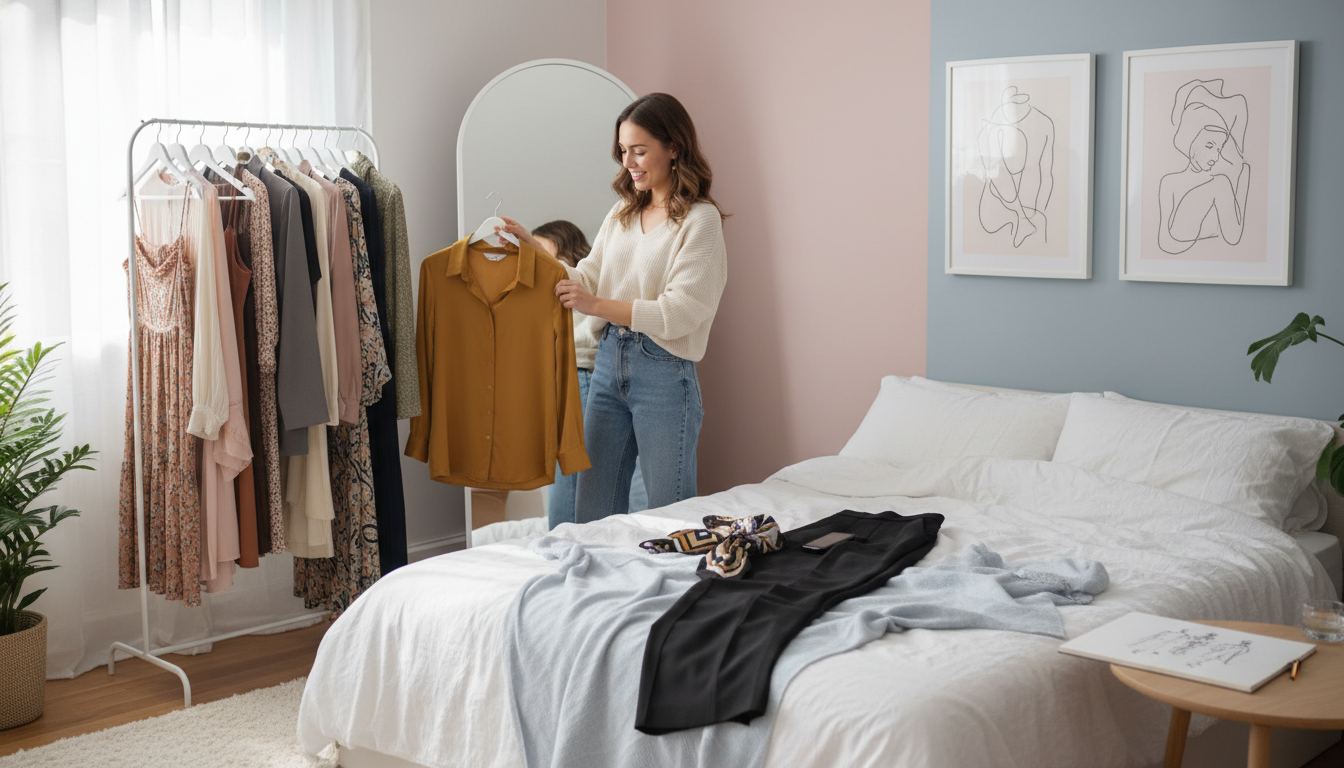
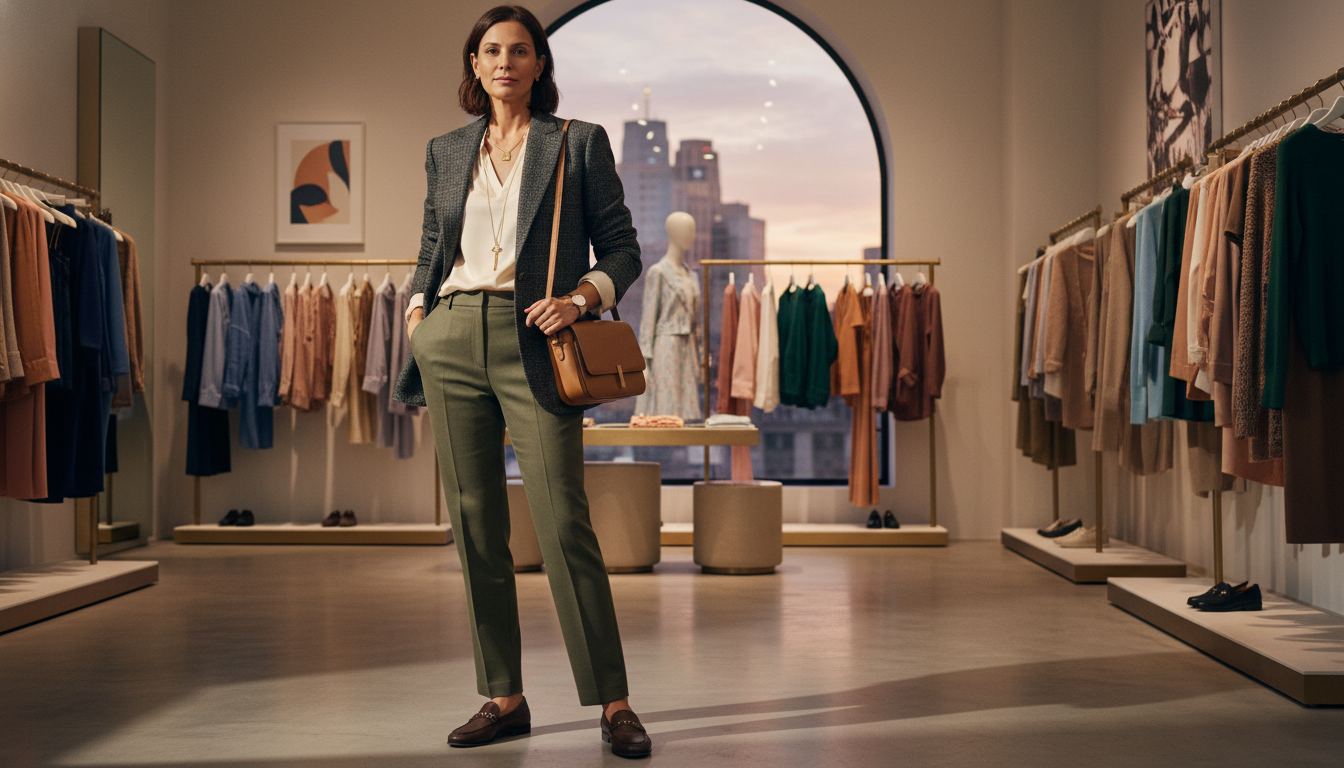
You have likely stood before your mirror wearing an outfit that seems okay on paper, but it just does not look right. I have spent many mornings feeling paralyzed by my clothes, wondering why a simple style choice felt so difficult and awkward.
Usually, the problem is not the individual pieces you chose for the day. It is often about finding a sense of balance between those different items to create harmony. When things are in proportion, your fashion choices start to make feel effortless and much more comfortable.
Learning how these elements interact with your body changed my perspective on getting dressed forever. You do not need fancy rules or a huge budget to master this concept. Using the right pieces can flatter your body type and help you create beautiful outfits.
Let us explore how to bring balance back to your clothes today. You deserve to walk out the door in an outfit that makes you feel like your best self without any extra stress.
Key Takeaways
- Visual balance creates harmony and proportion in any look.
- The goal is focusing on how items work together as a whole.
- Simple concepts can easily replace rigid or complex fashion rules.
- Proper proportion boosts your daily confidence and comfort.
- You can achieve great results using pieces you already own.
- Understanding these tips will simplify your morning routine significantly.
Understanding What Balance Means in Your Outfit
Have you ever looked in the mirror and felt like something was just a little bit off, even though you love every piece you’re wearing? I’ve been there many times, staring at my reflection and wondering why my favorite items didn’t work together.
Balance is simply when your outfit feels “right” to your eye. It means no single part is grabbing too much attention or getting totally lost in the crowd.
What Visual Balance Actually Looks Like
When you achieve a balanced look, your clothes seem to sit naturally on your body. It is like a quiet conversation between your clothes where everyone gets a chance to speak.
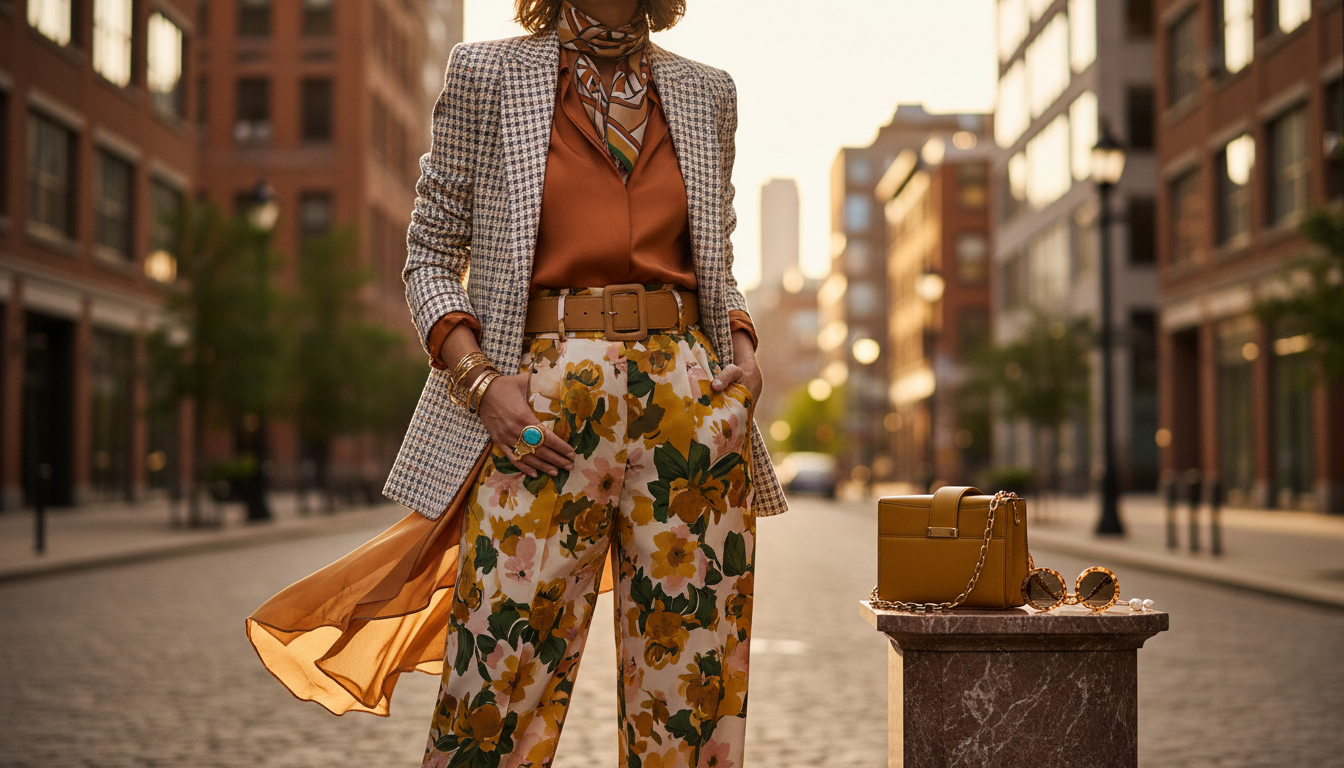
You can test this by using your own “balance radar.” Ask yourself if any part of your shape feels too heavy or too plain compared to the rest of the clothing.
Why Balance Matters More Than Matching
I used to think matching my shoes to my belt was the ultimate goal in fashion. One day, I wore a perfectly matched set that made me feel frumpy because the pieces were way too oversized for my frame.
Matching colors is nice, but if the proportions are wrong, the whole style falls apart. You want to make sure your clothes celebrate your body rather than hiding it under too much fabric.
The Harmony Between All Your Outfit Elements
True harmony happens when all the styling elements—like color and shape—talk to each other nicely. These principles aren’t about strict rules, but about how you feel in what you wear.
Remember that this feeling is very subjective. What feels like a great balance to me might feel different to you, and that is perfectly okay!
| Clothing Feature | Unbalanced Feeling | Balanced Approach |
|---|---|---|
| Volume and Size | Too baggy or heavy all over | Mix fitted items with loose ones |
| Fabric Texture | All materials look the same | Combine rough and smooth layers |
| Visual Details | Too many competing patterns | One main piece stands out clearly |
Balance Volume and Proportion
When I first started playing with my style, I realized that getting the right mix of big and small pieces was the real game-changer. It is mostly about managing the volume of your clothes to flatter your frame. This creates a clear shape for your body instead of letting the fabric hide you.
The One Statement at a Time Rule
I live by a simple rule that helps me avoid a statement overload: let one bold item lead. If your top is quite large or dramatic, keep your bottoms sleek and slim. This is the big secret to balance in any daily outfit. Making a single statement helps your look feel intentional and grounded.
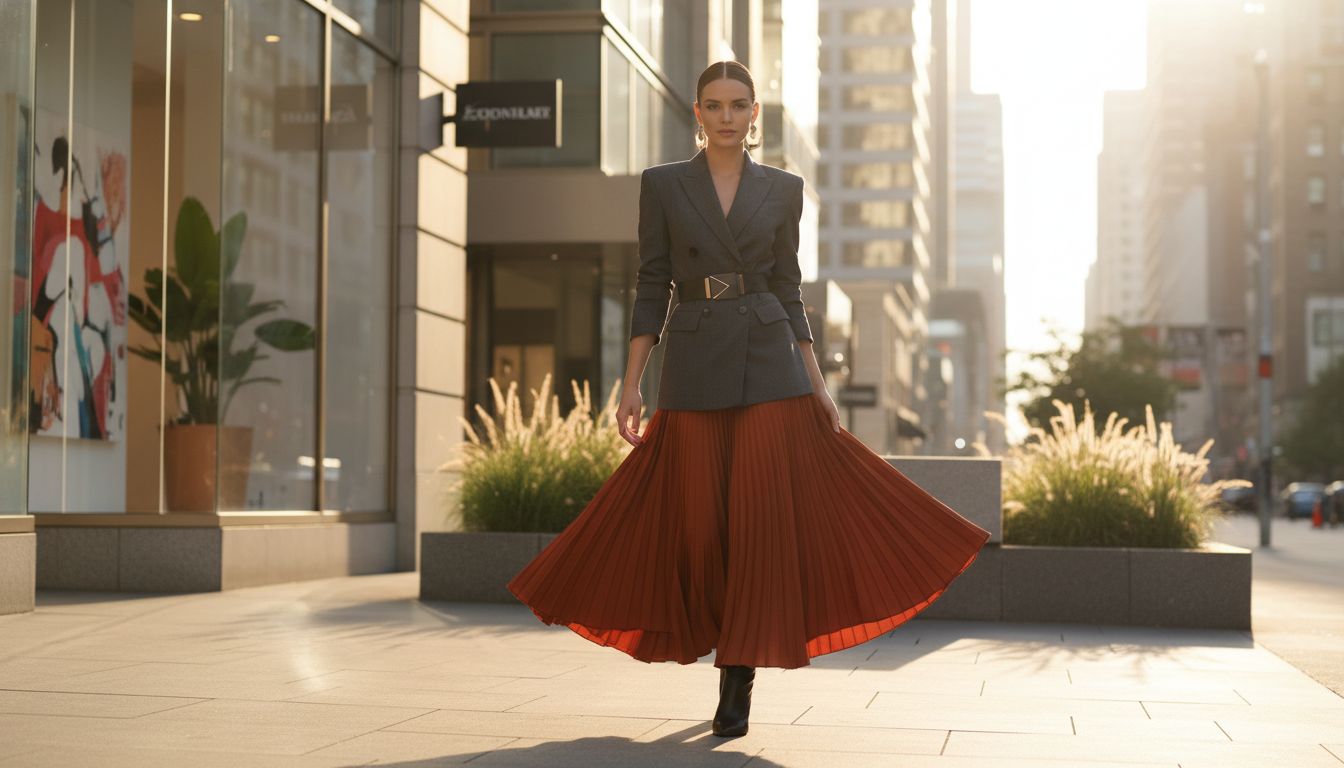
Fitted Top with Loose Bottom
Try a slim turtleneck with a flowy midi skirt for an elegant look. You can also pair a tucked-in tank with wide-leg pants. This adds interest where you want it without feeling messy or uncoordinated.
Oversized Top with Slim Bottom
An oversized sweater looks great with skinny jeans. Using slim pieces on the bottom prevents you from looking like you are drowning in fabric. It keeps your natural shape visible while staying cozy.
Adjust Your Torso Proportions
I noticed my clothes felt off when my middle looked too long. You can fix this by changing where your waist sits. It helps the whole body look more even and proportional.
When Your Torso Looks Long
If your middle feels long, try to raise your waistline. High-waisted pieces help shorten that area visually. I love to tuck in my tops to help create this sense of balance.
When Your Torso Looks Short
If your torso is short, try choosing mid-rise options. Wear a top that sits lower on the hip to elongate your frame. This gives your upper half more room to breathe.
Define Your Waist for Structure
Adding a belt over a loose dress adds instant structure. You do not have to pull the belt tight to see a big change. It just gives a visual cue for where your waist is located.
| Style Goal | Top Choice | Bottom Choice | Visual Result |
|---|---|---|---|
| Elegant volume | Tucked Blouse | Wide-Leg Trousers | Defined Silhouette |
| Casual Comfort | Oversized Knit | Leggings | Relaxed balance |
| Classic Shape | Slim Tee | A-Line Skirt | Polished Style |
| Modern Edge | Boxy Jacket | Straight Denim | Structured Look |
How to Make Outfits Feel Balanced with Color and Texture
When I stand in front of my mirror, I often realize that color and texture are the secret ingredients to a truly finished look. I used to think color balance meant everything had to match perfectly. Now I know it’s about creating harmony so your style feels intentional. It’s the difference between grabbing random pieces and crafting an outfit that tells a story.
Create Harmony with Color Distribution
If you are wondering how to match outfit colors, think about how the shades are spread out. You want the eye to move smoothly across your body rather than getting stuck in one spot. Using different colors in a thoughtful way helps your entire ensemble feel cohesive and polished.
The Bold and Neutral Pairing
I love to pair one bold color like cobalt or emerald with neutral pieces like beige or gray. This lets that pop of color grab attention without making you feel overwhelmed. It keeps things grounded while still feeling fun and modern.
Repeat Colors at Least Twice
To create balance, try to repeat specific colors at least twice in your outfit. For example, if you wear a blue shirt, you might add blue in your shoes or a bag. If you have floral patterns with pink, try picking up that pink in your earrings or a belt to tie it all together.
Mix Textures Without Overwhelming Your Look
Mixing textures adds a wonderful depth to any outfit that flat fabrics sometimes miss. I really enjoy the contrast between a soft, chunky knit and smooth denim. It creates a tactile feel that makes your clothes look much more interesting and expensive.
Limit Yourself to Two or Three Textures
However, too many textures can look a bit chaotic if you aren’t careful. I recommend you limit yourself to two or three textures at a time. A cotton shirt, leather belt, and denim jeans is a perfect mix that feels simple yet complete. Just do a quick mental check: if you have too many “loud” fabrics happening at once, consider simplifying one piece.
| Styling Element | Recommended Pairing | Visual Benefit |
|---|---|---|
| Color Depth | Bold + Neutral | Creates a clear focal point |
| Texture Variety | Smooth + Rough | Adds dimension and interest |
| Coordination | Repeated Accents | Makes the outfit look intentional |
| Fabric Choice | Silk + Structured Wool | Balances soft and hard lines |
Define Your Silhouette and Create Visual Flow
Defining your silhouette is like drawing a map for the eye to follow as it moves through your daily look. When we create visual flow, we help the outfit feel intentional rather than accidental. Understanding your shape helps everything else fall into place, making your personal style feel more cohesive and comfortable on your body.
Top and Bottom Balance Techniques
It is all about the relationship between your top and bottom pieces. I love to play with volume to create a flattering look that does not overwhelm the body. If I choose a loose-fitting top, I usually pair it with a fitted skirt or slim trousers. This ensures the eye isn’t lost in too much fabric around your shoulder or hips.
Conversely, if you wear a slim shirt, you can balance it with wide-leg trousers. You might even add a belt to highlight your natural frame. This simple swap makes a big difference in how you carry yourself.
Use Length to Guide the Eye
Where a garment ends tells the viewer where to stop and look. This is why length placement is a huge part of fashion balance. It helps you control the narrative of your look.
Crop Tops and High-Waisted Bottoms
This combination is absolute magic for the body. Crop tops paired with high-waisted bottoms create a long, continuous line from the waist to the toe. This makes your legs look miles long while keeping everything balanced on the top half.
Longline Layers Over Slim Pieces
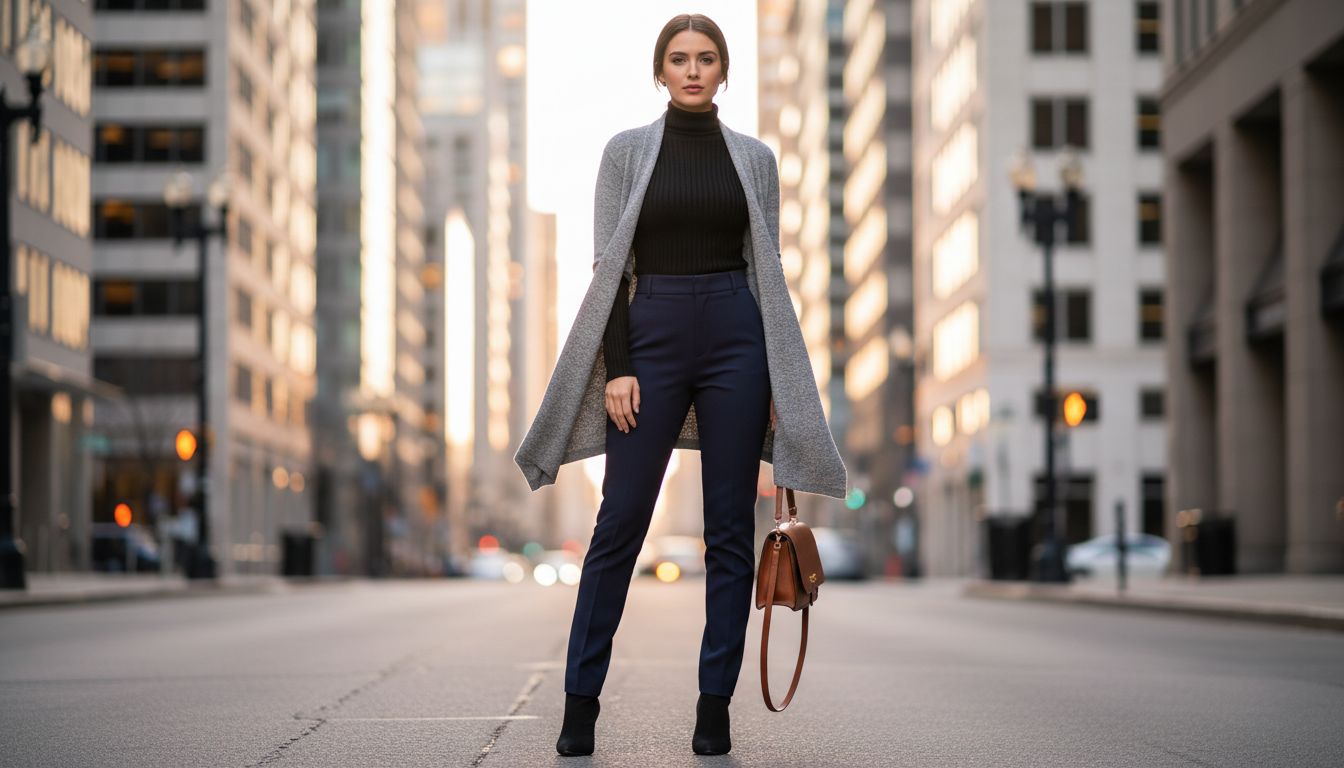
Sometimes I want a more streamlined silhouette. A longline cardigan or a duster jacket over skinny jeans creates a sleek shape that is effortlessly chic. It draws the gaze downward, creating a tall and narrow visual flow that feels very modern.
| Clothing Item | Best Pairing | Visual Result |
|---|---|---|
| Loose top | Slim pants | Proportional shape |
| Fitted tops | Flowy skirt | Soft, balanced volume |
| Silky dress | Tailored jacket | Polished contrast |
Contrast Soft and Structured Elements
Mixing different vibes is one of my favorite styling tricks for any outfit. I often combine soft, flowy elements with something sharp to keep things interesting. This contrast catches the eye and makes your look feel curated.
Much like using color-matching tips to find harmony, mixing textures provides a secondary layer of balance. You can make a bold statement simply by choosing pieces that “fight” in a good way.
Flowy Pieces with Tailored Items
Think of a silky dress under a structured blazer. Or maybe a ruffled blouse tucked into sharp trousers. This contrast makes each piece stand out. The hardness of a leather jacket perfectly offsets the softness of a romantic dress.
Choose Silhouettes That Match Your Mood
There is no single “right” way to dress your body. Your silhouette should reflect how you feel inside. I always encourage you to trust your gut when standing in front of the mirror.
Some days call for a quiet, comfortable look, while others require a loud statement. Here are a few common silhouettes and the moods they often match:
- Mermaid skirts for a touch of drama and elegance.
- A-line dresses for ease of movement and a relaxed feel.
- Bodycon fits when you are feeling bold and confident.
- A structured blazer with a strong shoulder for authority and power.
If you feel good in what you are wearing, the visual flow will naturally follow. Fashion is meant to be fun, so don’t be afraid to experiment with new shapes until you find what works for you.
Your Balanced Outfit Checklist
Learning how to make outfits feel balanced isn’t about following rigid rules. It is about giving yourself a simple mental checklist that makes getting dressed so much easier every morning. When I focus on these principles, I find that my outfit choices become much more intentional.
You can run through these quick questions in your head while looking in the mirror. Is one piece making a bold statement while the other pieces stay quieter? Does your body look proportional, or does one half feel too heavy?
Check if your color choices work together across the whole look. Ensure there is a nice mix of soft fabrics and structured clothes to keep things interesting. If you need help with volume, check out these tips for styling oversized clothes right to stay proportional.
Let’s look at a real-life example of how this works. You might wear bold earrings with a simple black dress and a denim jacket. You could add a belt at the waist and slip on neutral shoes to hit multiple balance points at once.
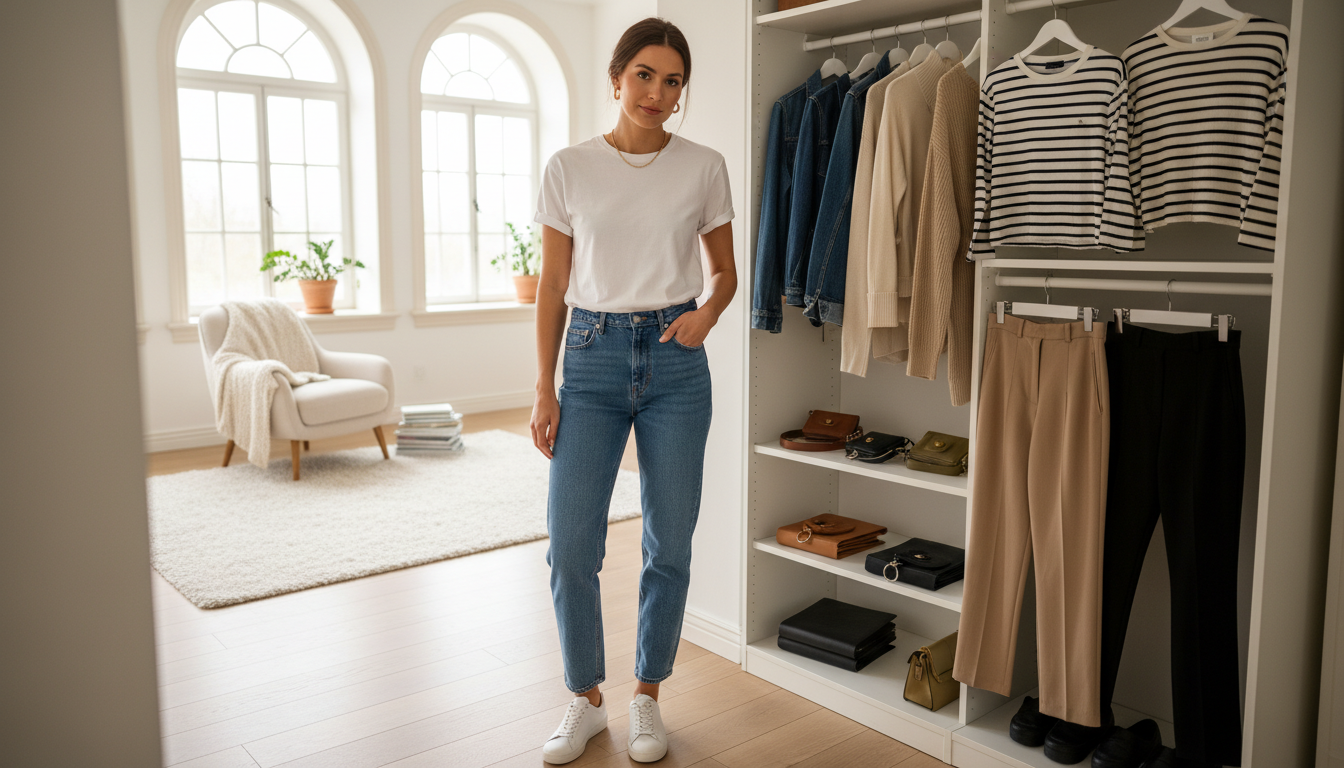
Another great example is pairing high-waisted jeans with a tucked-in shirt. You can add a chunky necklace and a structured shoulder bag. This creates style through waist definition and a clear statement focal point.
You don’t need a huge wardrobe or constant shopping trips to master this. It is really about working smarter with the shoes, dresses, pants, and tops you already own. When your outfits feel right, you can wear the same pair of denim ten times and still look fresh.
Investing a little attention in balance now saves you so much time later. You won’t feel paralyzed in front of your closet or do frantic last-minute shopping anymore. Whether you are wearing a skirt or basic fashion staples, these ideas keep everything in place.
I apply these ideas whether I’m dressing up in a statement dress or dressing down in denim. A solid shirt with a bold necklace or patterns on a scarf can make feel any outfit complete. You can even swap your bag or earrings to change the whole vibe instantly.
Try different combinations and move your accessories to a new place to see what happens. You might find that a different necklace or a new pair of shoes changes how the fabric sits on your body. I give you full permission to experiment and have fun with your clothes.
You’ve got this, and I promise it gets easier with a little attention. Balance isn’t about being perfect; it is about feeling good when you walk out the door. Trust your eye, wear that favorite necklace or those earrings, and remember that your style is uniquely yours.