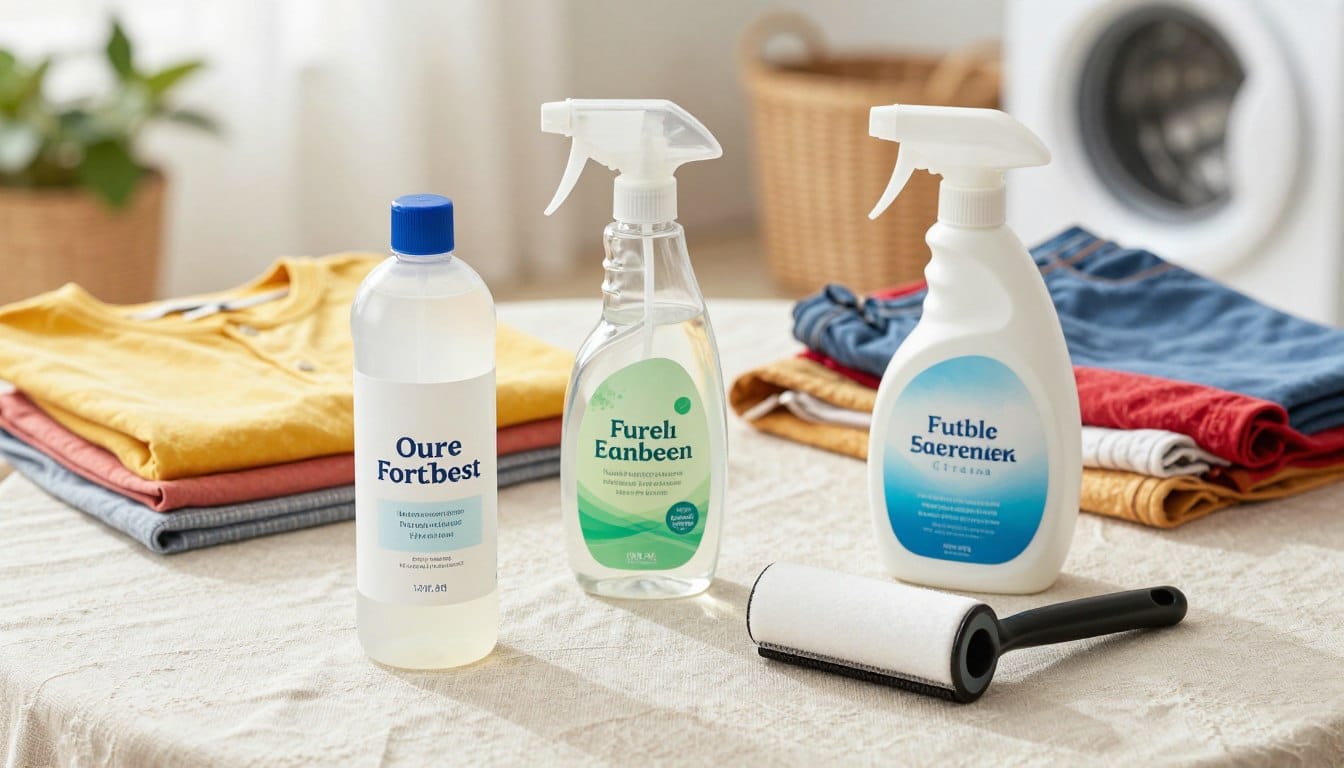
I remember staring at a favorite sweater and wondering how to remove pilling from clothes without ruining it. You feel that little rush of annoyance, then the hope that this is fixable in a few minutes with something simple.
Pilling happens when loose fibers on the surface twist into tiny clumps. Friction from wear, washing, and dryer heat makes pills, often at underarms, sleeves, or where a strap rubs.
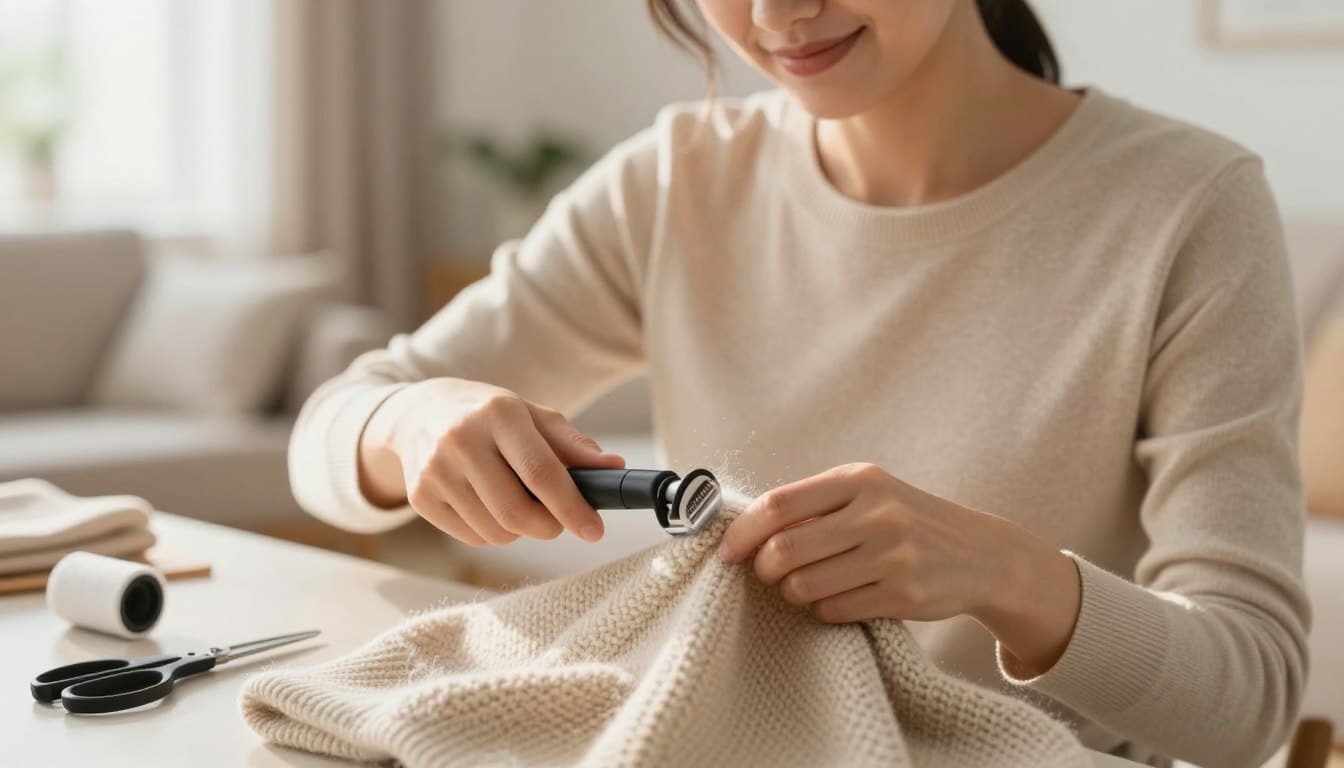
I keep a small fabric shaver in my laundry kit and a disposable razor for quick fixes. The trick is to keep the fabric flat and taut and work gently so fibers stay put. Remove pills early and you stop the snowball effect that pulls more fibers loose over time.
You’ll get calm, practical steps that protect your clothing and help sweaters, tees, and leggings look fresh again.
Key Takeaways
- Pilling forms when loose fibers tangle on the fabric surface.
- Treat hot spots first: underarms, sleeves, and strap areas.
- Use a fabric shaver or gentle razor with the fabric flat and taut.
- Fix pills early to prevent more fibers from loosening over time.
- Simple wash-and-dry habits cut future pilling with little effort.
Let’s make your clothes look new again
You can make a worn sweater look fresh again with a few simple, low-effort moves. I’ll show quick steps that fit into a busy morning. This saves you time and keeps garments wearable between full fixes.
Start with a lint roller over the worst area. A fast pass lifts loose lint and small fuzz before pills form. Lay the piece flat and keep the fabric taut. Roll in short strokes so seams and edges get cleaned too.
Work in sections: one sleeve, then the next. On thicker knits, press the roller a bit more and peel the sheet when it fills. If a spot resists, don’t force it—switch tools later for a safer fix.
- Low-effort wins first; you’ll notice a quick glow-up.
- Target sleeves, underarms, and bag-side spots for the biggest impact.
- Lift lint and fuzz before you shave or comb the fabric.
| Quick tool | Best for | Result in minutes |
|---|---|---|
| Lint roller | Loose lint, light fuzz | Surface looks cleaner fast |
| Fabric shaver | Dense pills on flat fabric | Smoother finish after careful passes |
| Sweater comb | Delicate knits | Gentle restoration with low risk |
This tidy step helps you get rid of visible fuzz now and gives a clean surface for deeper care later. You’ll feel more confident wearing your pieces again.
What fabric pilling is and why it happens
When fabric fibers loosen and rub, they can knot into tiny balls that cling to the surface. This is normal wear, not a flaw in your care. Everyday movement and laundry wear make those little clusters more likely.
Common friction hot spots to watch
You’ll see pills show up where rubbing is constant. Check underarms, sleeve sides, and cuffs first place for signs.
Also watch side seams, the hip where a bag rests, and seatbelt lines. Heat and tumbling in the washer speed the process.
Fabrics that pill more (and less)
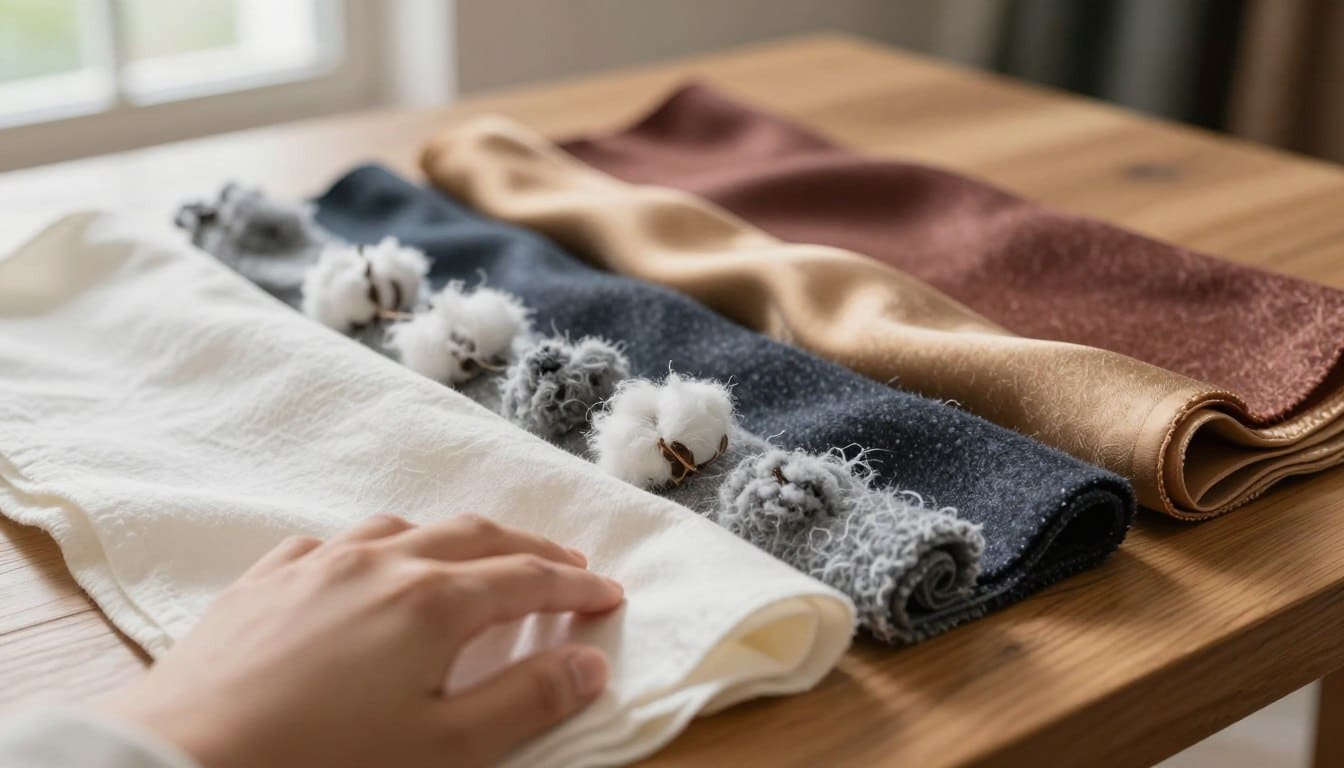
Soft, plush fabrics pill more. Think wool, cashmere, fuzzy acrylic, fleece, and some cotton blends. Blends often pill because weak fibers break while stronger ones hold the clumps in place.
Denim, silk, linen, and tightly spun long-staple cotton resist pills. Smooth synthetics like nylon and microfiber also hold up better than fluffy knits.
- Pilling is loose fibers tangling on the surface into small balls.
- Cozy sweaters feel great but are more prone pilling.
- Knowing your fabric helps you pick gentle care and keep clothing in rotation.
| Fabric | Likely to Pill | Notes |
|---|---|---|
| Wool / Cashmere | High | Soft fibers, watch friction spots |
| Cotton blends | Medium | Blends can trap broken fibers |
| Denim / Silk | Low | Tight weave or smooth fiber resists pills |
How to remove pilling from clothes step by step
Those little fiber clusters are annoying, but you can treat them step by step with items you already have. Start simple, work gently, and test each tool on an inside seam before you commit.
Lift loose fuzz first
Use a lint roller or tape to clear loose lint so your next move won’t drag debris across the surface. A quick pass makes the next step safer and faster.
Shave safely
For speed and safety, I reach for a fabric shaver. Lay the garment flat, keep the area taut, and glide slowly with light pressure. Empty the catcher often so the shaver keeps cutting clean.
Razor and gentle tools
No shaver? A new disposable razor works in a pinch. Hold the fabric tight and use short, light strokes. For delicate knits, use a sweater stone or pumice stone with one-way passes.
- Manual options: sweater comb or soft toothbrush in steady strokes.
- Trim single pills with small scissors—go slowly to avoid snipping threads.
- Fine sandpaper or Velcro hook can help, but test first.
| Tool | Best for | Key tip |
|---|---|---|
| Lint roller / tape | Loose fuzz | Lift first, work in sections |
| Fabric shaver / shaver | Flat surfaces, heavy pills | Keep fabric taut; empty catcher |
| Disposable razor / razor | Quick fixes | Short strokes, light pressure |
| Sweater stone / pumice | Delicate knit | Test inside hem; one-direction passes |
Work small sections and check progress often. You don’t need to get rid of every pill to make an item look fresh again. Try one method, then move on if needed.
Choose the right method for your fabric
Pick the right method based on what your garment is made of; that choice makes the job easier and safer. Below are calm, practical notes by fabric so you can test and work with light pressure.
Wool and cashmere sweaters
These soft sweaters need the gentlest touch. Start with a sweater comb or stone and use feather-light passes.
Test under a hem first and work along ribs and seams. If you choose a shaver, set it low and keep the fabric taut.
Cotton and cotton blends
Cotton tees and leggings often handle a shaver or careful razor. Keep the item flat so the tool skims, not digs.
For blends, slow down—strong fibers can hold broken ones and drag. Test a small area before long passes.
Fleece, acrylic, and polyester
Lift loose fuzz with a roller or tape first. Then use short, light shaver strokes so the pile doesn’t flatten.
- If a garment is precious, pick manual methods for control rather than speed.
- When in doubt, try one light method first; you can repeat but you can’t put fibers back.
| Fabric group | Best method | Key note |
|---|---|---|
| Wool / Cashmere | Sweater comb, stone, light shaver | Test under hem; work along ribs |
| Cotton / Blends | Fabric shaver or careful razor | Keep flat and taut; test small area |
| Fleece / Acrylic / Polyester | Lift first, then light shaver passes | Short strokes to preserve texture |
Wash and dry habits that prevent pilling
I’ve found that changing simple washing routines keeps garments looking newer longer. Small shifts in the laundry room cut friction and protect fabric without extra work.
In the washer
Turn garments inside out before the washing machine. That moves wear away from the visible side and lowers surface abrasion.
Choose a delicate cycle and mild liquid detergent. Don’t overload the drum—crowding makes fabrics grind together.
Detergent and softener choices
Use a gentle liquid detergent and add fabric softener or a splash of vinegar in the rinse. That helps reduce fiber-on-fiber rubbing and keeps pieces smooth.
Drying tips
Air-dry knits flat when you can. If you use a dryer, pick low heat and short cycles to limit stress on fabric.
- Sort by texture so towels don’t beat up soft items.
- Use mesh bags for delicates to cut down on snags and lint transfer.
- Clean the lint filter every load so airflow stays strong and abrasion stays low.
| Step | Best for | Quick tip |
|---|---|---|
| Delicate cycle | Knits, lightweight garments | Keep drum half full |
| Mesh bag | Fine sweaters, lingerie | Zip closed before washing |
| Air-dry | Wool, cashmere | Lay flat to keep shape |
These tweaks fit busy routines and mean fewer pills later. Treat fabrics gently now and you’ll spend less time fixing fuzz on your favorite clothes.
Simple routines to keep pills from coming back
Spend two minutes each week and your sweaters will pay you back with fewer pills and less fuss. I keep small habits that fit real life. They take almost no time and stop tiny fuzz from turning into a big job.
Quick weekly touch-ups with a roller or shaver
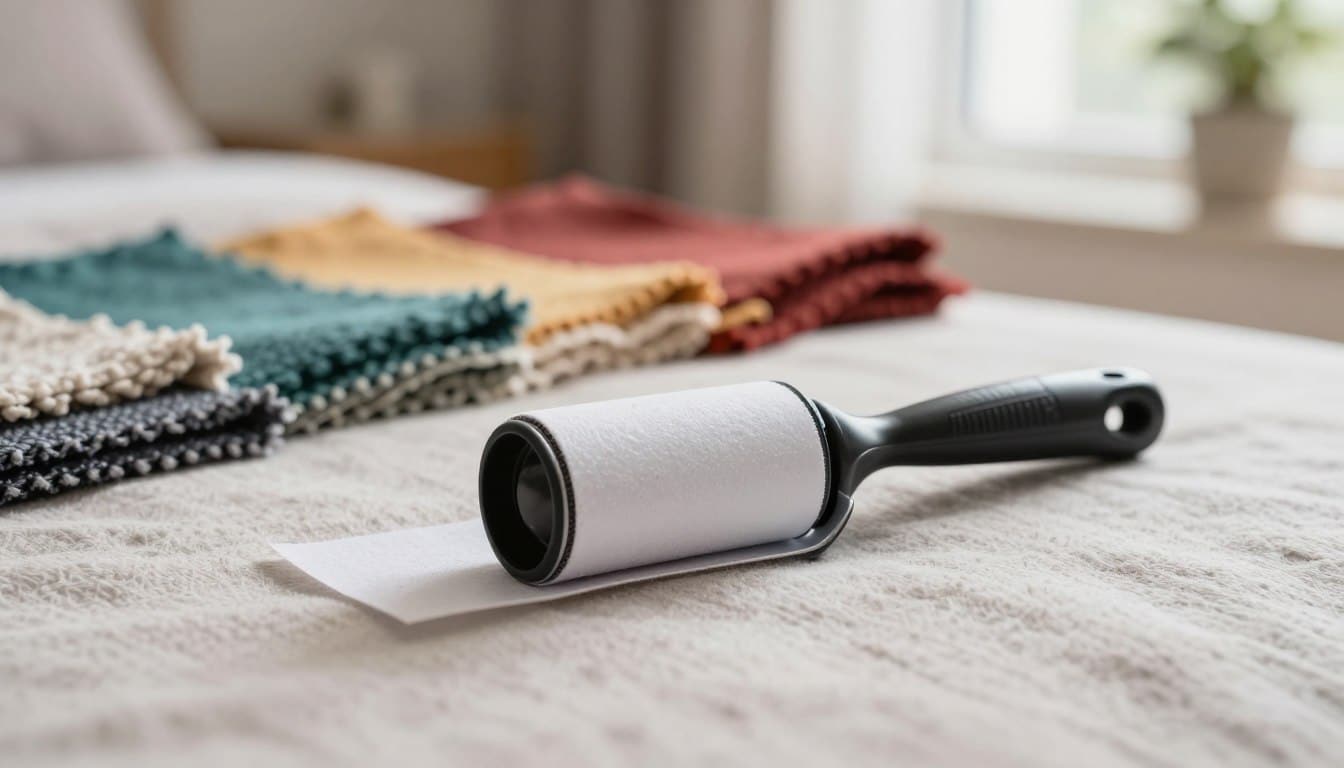
I start with a lint roller on sleeves, cuffs, and the sides where my bag rubs. That light pass lifts loose fibers and keeps pilling clothes from getting worse.
- Set a two-minute weekly habit: roll your most-worn pieces so pills never get a head start.
- Keep a lint roller by the closet for a quick pass before you leave; it’s an easy confidence boost.
- If you spot tiny pills, one light shaver pass clears them faster than a big seasonal clean-up.
- Fold knits, rotate bag straps, and check items after washing to cut future wear.
| Routine | Tool | Estimated time |
|---|---|---|
| Weekly quick pass | Lint roller | 2 minutes |
| Spot touch-up | Fabric shaver | 3–5 minutes |
| After wash check | Hand inspection | 1 minute |
how to remove pilling from clothes: quick reference methods and tools
A compact kit of simple tools handles most fuzz and tiny balls without fuss. Use this quick reference when you spot an area that needs attention.
Fabric shaver: Fastest for most knits. Lay the garment flat, keep the surface taut, move slowly, and empty the catcher as it fills. A properly used fabric shaver trims balls behind a protective screen.
Razor (disposable): Good in a pinch. Hold fabric tight and use light, short passes over a small area so you don’t nick threads.
Lint tools (tape and roller): Start here. Lift loose lint and loose fuzz before any trimming. Great for wool coats, dress pants, and light sweaters.
Sweater stone and comb (pumice/pumice stone): Best for delicate knits. Test an inside seam, then work in one direction for control.
Toothbrush and scissors: A soft toothbrush teases fleece gently. Small scissors trim single pills at seams and cuffs—snip flush and steady.
Fine sandpaper and Velcro: Last-resort helpers. Touch lightly, lift often, and test on a hidden spot so the weave stays safe.
| Tool | Best for | Quick cue |
|---|---|---|
| Fabric shaver | Most knits, heavy balls | Flat surface, taut fabric, empty catcher |
| Disposable razor | Quick fixes on cotton blends | Short, light passes; hold taut |
| Lint roller / tape | Loose lint and fuzz | Lift first before trimming |
| Sweater stone / comb | Delicate wool and cashmere | Test first; one-direction strokes |
Pick the method that matches fabric tolerance and stop when the surface looks smooth. Small, steady fixes keep garments wearable and mean less work later.
Conclusion
Quick, regular care makes surface fuzz easy to manage and keeps garments in steady rotation. I find short touch-ups beat big fixes; a two-minute pass with a lint roller or a light shaver keeps sweaters looking fresh.
Pilling is a surface issue from friction, not a lost cause. Turn pieces inside out, pick a gentle wash cycle, use mild detergent, and air-dry when you can. That routine cuts wear and extends the life of soft fabrics like wool and acrylic.
You don’t have to live with pills. Keep a roller or shaver near where you dress, lift loose lint first, and treat the first place you see wear quickly. With small habits and the right tools, your clothing will feel cared for and ready to wear.