I know that feeling when your mirror and your wardrobe don’t agree, and you reach for the same roomy pieces. I’ll share one clear path forward, beginning with “how to stop hiding in oversized clothes” and small swaps that respect your comfort.
Think of clothing as a frame, not a mask. A single well-fitted item can make an outfit read intentional and help your posture land the look. I speak plainly: confidence leads, not size.
We’ll focus on fit details and fabric choices that skim your body, not cling. Little changes—like a different top or a tailored hem—feel odd at first, then familiar fast. My aim is gentle progress you can use during a busy life.
Key Takeaways
- Start with one simple swap that keeps comfort and boosts confidence.
- Notice fit lines that flatter your body and adjust, don’t purge.
- Balance an outfit with one fitted piece so clothes look intentional.
- Posture and presence make the same pieces read differently.
- Small, repeatable steps build lasting style and ease in daily life.
Let’s be honest: you’re not “too big” for style—you just need better fit and balance
Many of us reach for roomy pieces when we’re short on time or low on energy, and that habit shapes what people notice. That choice feels safe, but it can also make your shape disappear under fabric.
What “hiding” looks like in real life
Long cardigans, big hoodies, tunic tops that fall past the widest parts—these are common moves. Some skip jeans for leggings because denim feels unforgiving.
- Always choosing long sleeves or extra length to cover arms and bum.
- Defaulting to the baggiest item when you’re tired or rushed.
- Avoiding shorts or crop tops even when you want a fresher look.
Mindset first: confidence reads before size does
Check your mind before you get dressed: ask, “How do I want to feel today?” If the answer is calm and confident, pick clothing that supports that feeling.
Remember, size is just a number on a tag. Fit and balance, plus a little posture, make outfits read intentional. Try small reps—roll sleeves, tuck a hem, show an ankle—and practice that confidence muscle over time.
How to stop hiding in oversized clothes
If mornings feel chaotic, a single small switch can make your outfit read intentional. Try one simple edit each day and you’ll build confidence without stress.
Start small: swap one baggy piece for a fitted one
Pick one swap per day. If your top is roomy, wear fitted jeans or ankle pants. If your pants are wide, choose a closer-fitting shirt or tank.
The balance rule: one voluminous item at a time
Keep one piece roomy and the rest fitted. An oversized sweater works with slim pants. Wide-leg pants pair best with a tucked shirt. This rule keeps your waist visible and your silhouette clear.

Show a little skin on purpose
Bare ankles, rolled sleeves, or an open neckline lighten heavy shapes. A French tuck or a belt over a loose top defines the waist without fuss.
Stand tall: posture and presence change the whole outfit
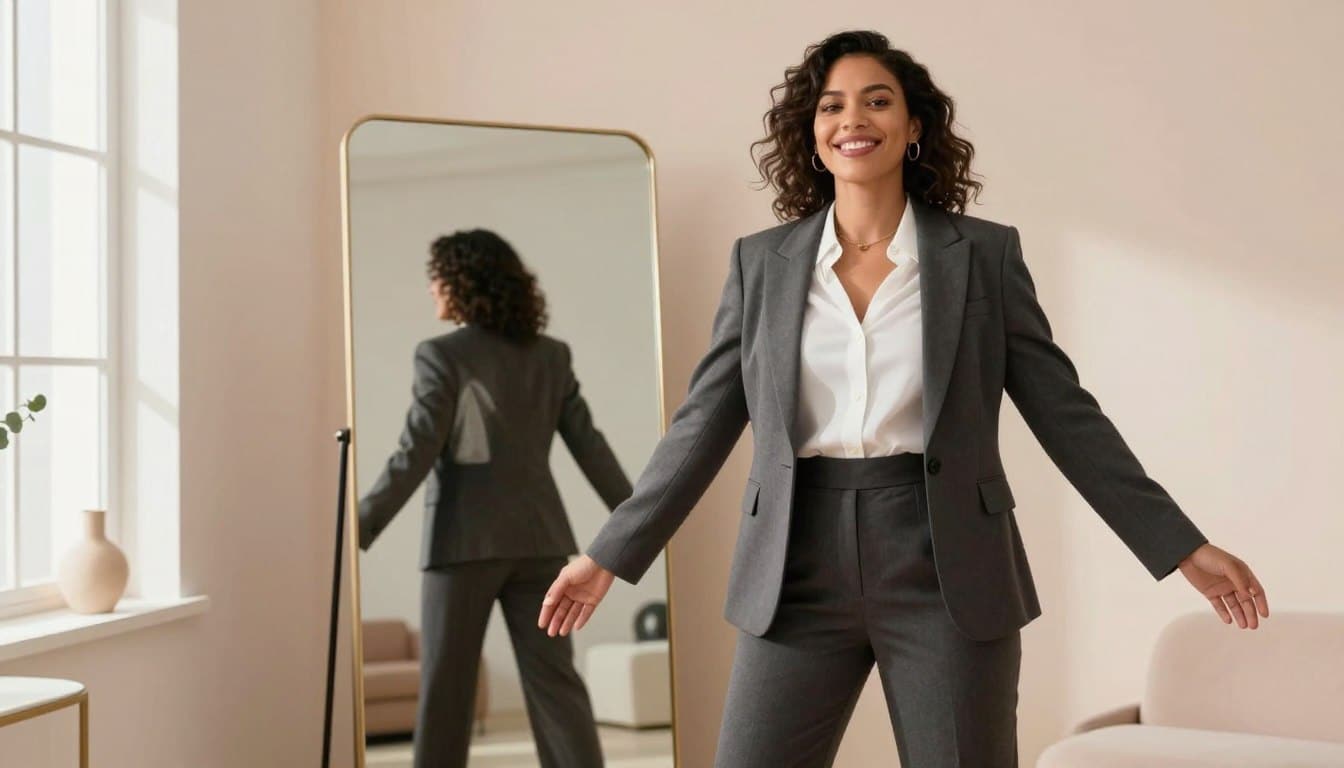
Before you leave, roll shoulders back and lift your chin. Small posture shifts make the same pieces read more polished. Keep a tiny toolkit—tuck, roll, belt, hem—for quick fixes when time is short.
- One swap per day makes change easy.
- Use the balance rule: one voluminous piece at a time.
- Try the French tuck or a belt to hint at your waist.
- Posture amplifies style and makes people notice confidence.
Fit over size: simple tweaks that make a big difference
A few tiny fit tweaks will change what people notice first when you walk into a room.
Start with the waist. A French tuck pulls a relaxed shirt into the front of your jeans and creates instant shape.
Do a full tuck with high-rise bottoms or loop a slim belt over a knit to break up volume. These small moves define your waist without squeezing.
The waist matters: French tuck, full tuck, or belt
Try a side tuck or a half knot if a top is long but you want comfort. A quick belt works when the fabric needs structure.
Hem, sleeve, and shoulder checks that prevent the “drowning” effect
Look at hems and sleeves next. Ankles that show and sleeves that stop at the wrist or rolled at the forearm read sharper.
Check shoulder seams: they should sit near your shoulder line. If they fall halfway down your arm, the piece will swamp your shape.
- Prioritize fit, not size — tags mislead more than they help.
- Short tailoring fixes sleeves or hems and keeps proportions clean.
- Feel the fabric at your waist: mid-weight gives shape, stiff fabric can box you out.
When you’re unsure, take a side mirror selfie and tweak a tuck or roll. Small edits make a real difference for everyday styles and how people see you.
Try this short guide and, if you want tips on jeans that stay put, check a practical note for secure jeans without a belt.
Fabrics, structure, and prints that flatter without hiding your shape
The right materials and a few structure tricks give your outfit shape and calm the whole look.
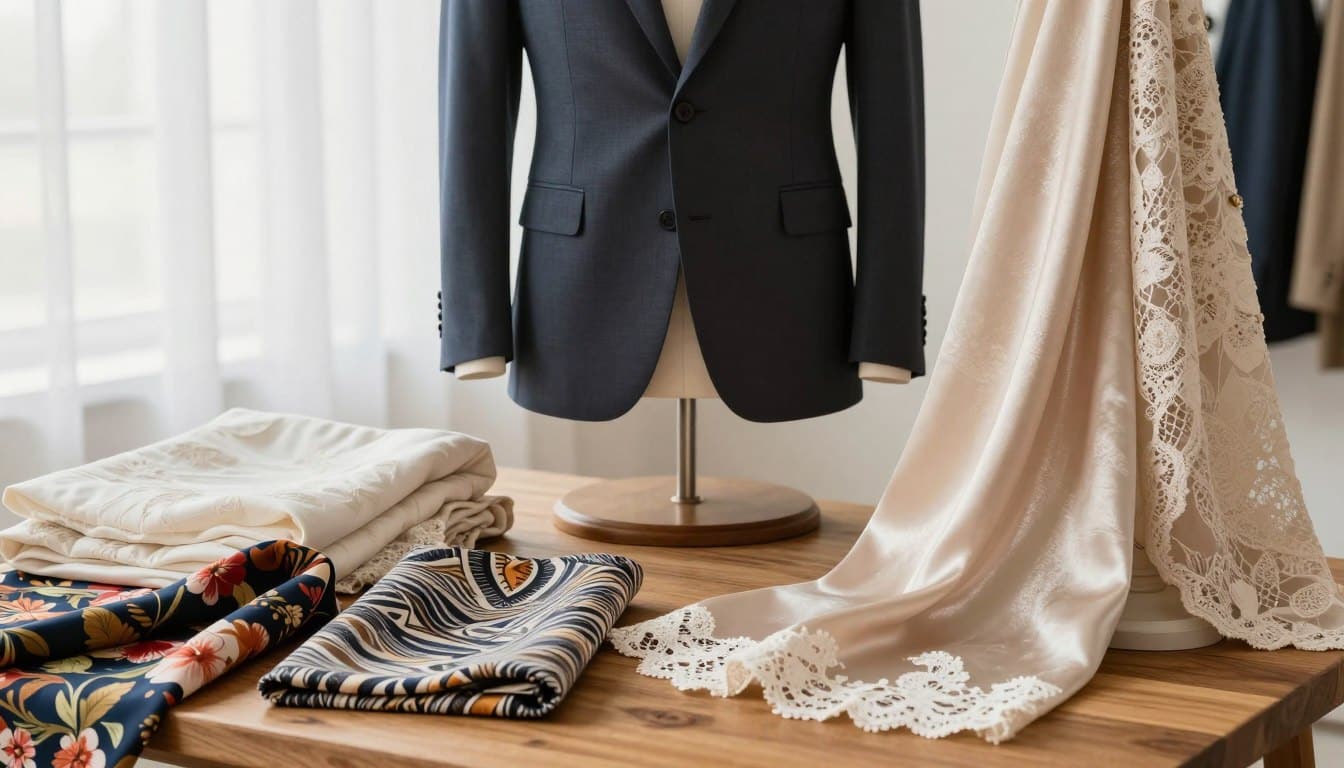
Choose fabric that holds a line. Cotton poplin, linen, denim and mid-weight knits skim the body and don’t cling. These fabrics keep your silhouette clear while staying comfortable.
Waist-defining cuts that work
Ruching, wrap fronts and peplum create a clear waist and soften the middle. A peplum that ends at your natural waist, not at the widest parts, will skim past the tummy.
Prints, tops, and dress choices
Printed pieces break up the eye and disguise small bumps. Pick flowy tops that hit above the hips and show a little neckline. For dresses, try a wrap or faux-wrap in a mid-weight fabric; it will drape and highlight your waist without tightness.
Structure that lifts a look
- Add a blazer or denim jacket for instant shape — the straight lines sharpen your outline.
- With jeans, a crisp poplin shirt half-tucked balances volume and keeps your frame defined.
Quick test: if the fabric skims and bounces back when you move, you’ve found the right fabrics and styles for an easier, cleaner look.
Outfit ideas you can try this week to ease out of baggy clothing
I’ll share three practical looks that are easy to copy and nudge your wardrobe toward clearer lines. Each outfit keeps one roomy piece while the rest stays fitted. Quick steps, clear pieces, and why they work—so you can feel ready fast.
Casual day: oversized tee + bike shorts + white sneakers
Grab an oversized graphic tee and high-waist bike shorts. Add white sneakers and a mini backpack.
The fitted bottoms balance the roomy top and keep your silhouette visible. If the tee runs long, try a small side knot or a tucked front for a waist hint.
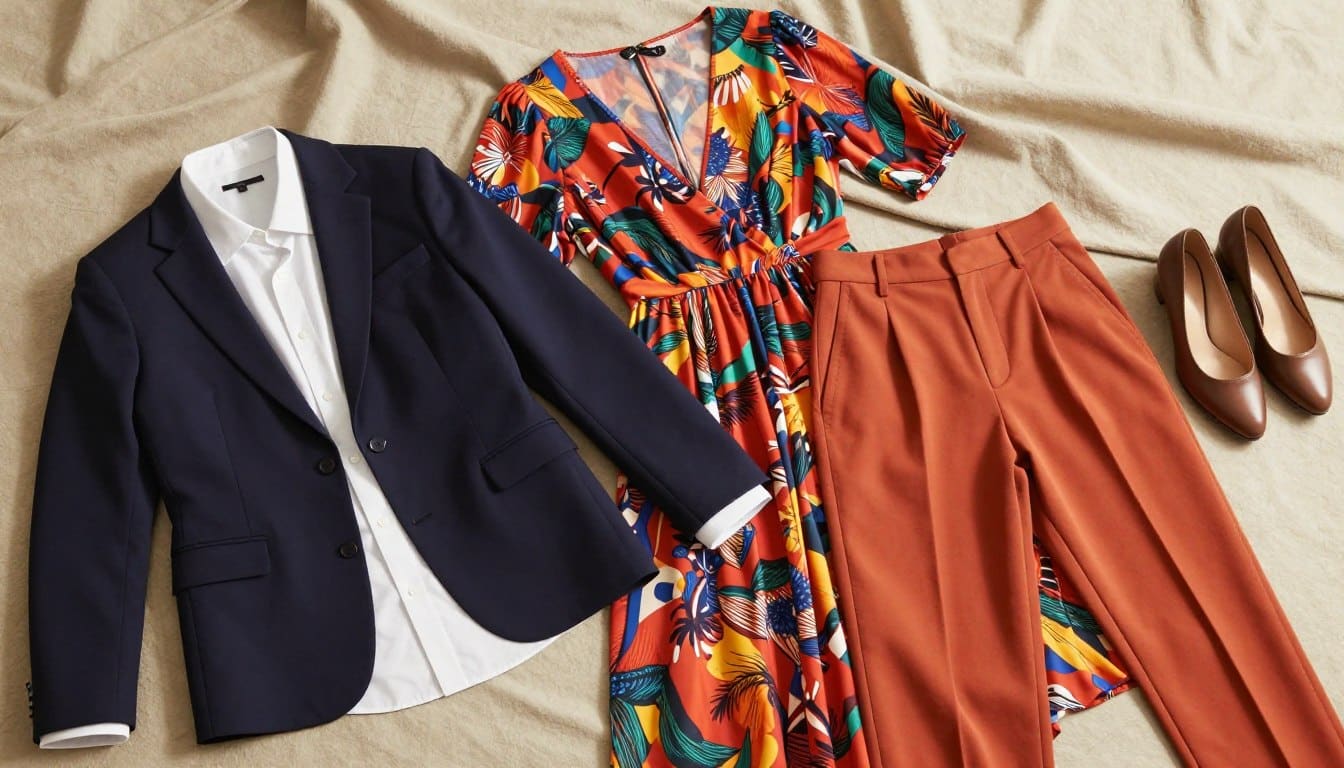
Office ready: structured oversized blazer + fitted blouse + ankle pants
Layer a structured blazer over a fitted blouse and slim ankle pants. Finish with loafers or low block heels.
Showing ankle creates a vertical line that lengthens. If the blouse is flowy, do a full tuck into your pants and push up blazer sleeves for a lighter feel.
Weekend: oversized sweater + fitted jeans with a side tuck
Wear an oversized sweater with fitted jeans and chunky loafers or ankle boots. Do a side tuck to break the front line.
Choose jeans with mid or high rise and slight stretch if the sweater is heavy; the jeans hold shape and keep comfort all day.
- One-and-done option: knit dress with a denim jacket and sneakers—jacket adds structure while the dress stays comfy.
- Finish routine: check tuck, show ankle or wrist, add one polished piece (belt, structured bag) to lift your style and confidence.
You don’t have to hide—you can dress the body you have and feel like yourself
You don’t need a dramatic closet overhaul to feel like your clothing finally belongs to you. Small changes can make your body read clearer and your day feel easier.
Define the waist a little, add a structured layer, or show an ankle or wrist. Those tiny shifts change shape and lift your style without trading comfort or changing your weight first.
Pick one small action today — a French tuck, rolled sleeves, or a belt over a soft top. Try it with a favorite shirt or jeans and notice the difference in how you stand and feel.
For more gentle, practical tips, see these fashion tips for short women. I’m rooting for you — start small, be kind, and let your clothes work for your life.