
I remember a morning when I froze in front of my closet, wondering how to stop comparing your style and why getting dressed felt like a test. That small, tired moment says a lot about comparison and the way it drains time and mood.
I’m here like a friend with a cup of coffee. I want simple, real steps you can try today without buying more or chasing trends. We’ll look at what pulls your focus toward other people and what helps you live more calmly in your own clothes.
Expect short prompts, tiny habits, and examples that fit normal life. The goal is clear: help you trust choices, save time, and enjoy dressing again.
Key Takeaways
- Small changes can reduce comparison and ease daily decisions.
- Curating feeds and setting shopping limits saves time and money.
- Match outfits to real plans, not to trends.
- Quick prompts help shift your focus back to what fits your life.
- Consistent tiny habits build lasting confidence in your taste.
When getting dressed starts to feel like a competition
I’ve had days when one scroll through feeds turned a simple outfit into a verdict. One quick image can plant a thought that your jeans aren’t quite right or that someone else looks more put together. That tiny shift can ruin the rest of the morning.
It often starts with a line in our head: “She always looks so polished.” Those quiet comparisons stack up. Your closet can feel like a scoreboard. Suddenly you try on five options, change again, and leave late while feeling off.
Those small moments spark jealousy. You end up shopping for someone you barely know instead of choosing what fits your real plans. It’s not a flaw in you — it’s a normal response from a busy brain.
When this rings true, a gentle pause helps. Notice the thought, name it, and pick the outfit that serves your day. Little interruptions can move you from second-guessing to simply getting out the door as yourself.
Why comparison steals confidence (and what research says)
Some mornings I notice a small ache after scrolling — a sense that my choices fall short.
That feeling is real. It affects mood, eats time, and drains peace. Steven Furtick put it simply: we compare our behind-the-scenes with other people’s highlight reels. That mismatch makes us feel less than.

What constant comparison does to mood, time, and peace
Comparison chips away at calm. It turns a quick outfit pick into a long search. By midday you may feel worn out and frustrated.
Social media’s highlight reels vs. behind-the-scenes
Feeds show polished moments. They hide effort, edits, and context. When you measure your ordinary day against that, it skews how you feel about beauty and fit.
What studies show
Research backs small changes. The American Psychological Association found that teens and young adults who cut social media use by half felt better about weight and appearance. Another paper in the International Journal of Environmental Research and Public Health linked frequent appearance comparisons on social accounts with higher body dissatisfaction.
| Effect | Everyday sign | Research note |
|---|---|---|
| Lost focus | Longer mornings getting dressed | Linked with frequent comparing others online |
| Worse mood | Feeling insecure about outfits | Improves when social use drops |
| Financial drain | Buying new things to match trends | Leads to returns, clutter, and stress |
- Constant comparison steals peace and valuable time.
- Cutting feeds often brings calmer choices and better body feelings.
- Chasing trends costs more than money — it costs clarity and energy.
If you want small practical moves, try short rewear tricks in these rewear tips. They help protect time and keep purchases aligned with what truly fits your life.
How to stop comparing your style
When I notice jealousy flicker, I treat it like a signpost, not a verdict. That small shift helps you act with calm and clear focus.
Spot your triggers
Map the moments that spark jealous thoughts. Note apps, accounts, sale emails, mirrors, or certain stores.
Write them down. Once they’re visible, they’re easier to sidestep.
Limit exposure
Set simple guardrails: app timers, mute noisy accounts, and unsubscribe from shops that push constant “new.”
Cutting social use by half has helped young people feel better about appearance and time spent online.
Refill with better inputs
Follow people with similar bodies, budgets, and values. That kind of feed gives useful ideas, not pressure.
Keep a “go-to five” list of real outfits in your closet for fast choices when you’re short on time.
| Action | What it stops | Quick result |
|---|---|---|
| Mute accounts | Unhelpful comparisons | Calmer morning routine |
| App timers | Endless scrolling | More focused time |
| Follow similar bodies | Unrealistic ideals | Practical inspiration |
| Shopping filter | Impulse buys | Fewer regrets, less clutter |
Try one small move today. Notice the thought, take a breath, then pick the option that serves your plans. Little steps add up, and they help you stop comparing and reclaim time and calm.
Build a personal look that fits your life, not someone else’s
A wardrobe that matches real life makes mornings simpler and moods steadier.
Start by listing a typical week: work, errands, kids’ schedules, and weather. Write short notes about dress codes and comfort needs. This gives a clear map for buying less and wearing more.
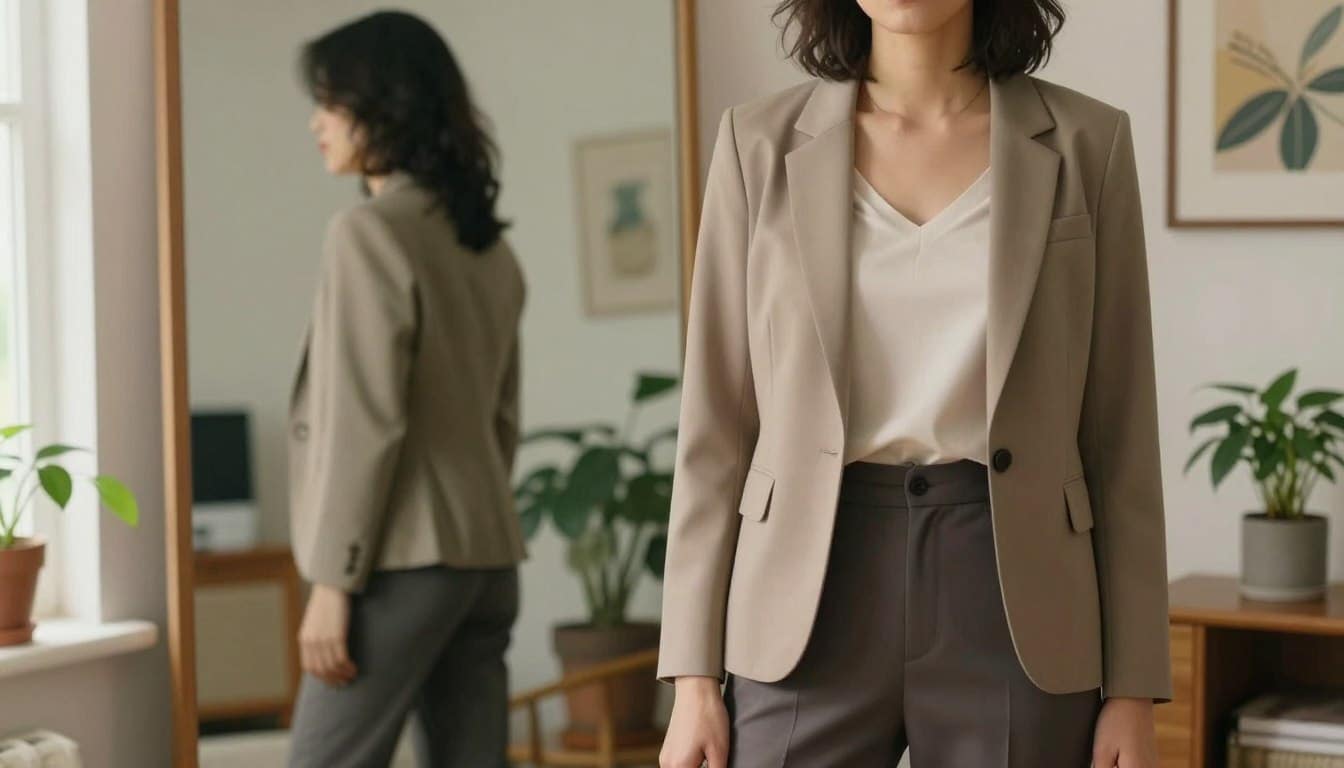
Dress your values
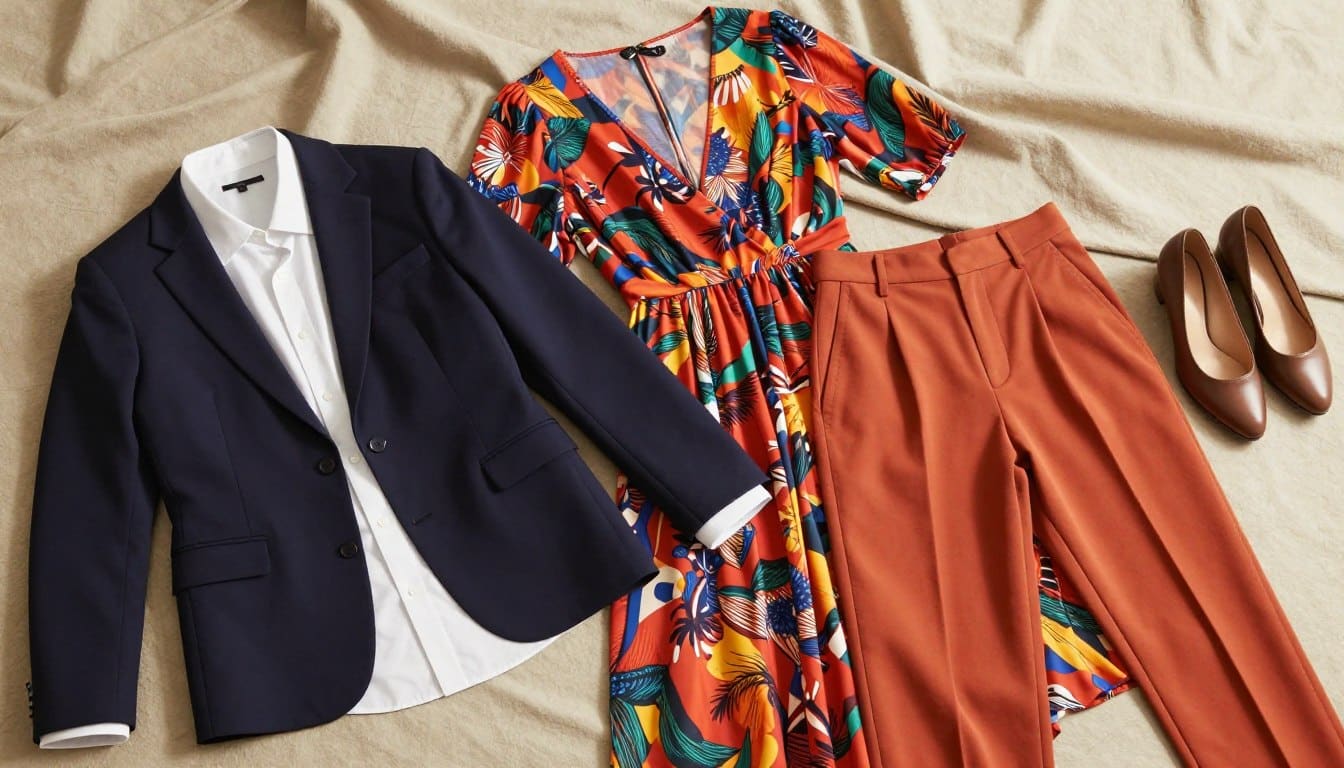
Put money toward pieces you truly wear and love. Soft tees for school runs, good denim for casual Fridays, or a blazer that lifts any look are smart choices.
Make “me vs. me” your motto
Play to your strengths. If mid-rise straight jeans or V-neck knits feel great, build outfits around them rather than forcing a trend that fights your shape.
- Keep small uniforms: sweater + jeans + boots; tee + trousers + sneakers; dress + cardigan + flats.
- Pick one base color, like navy or camel, so mixing becomes automatic.
- Track wear: move items forward after you use them. Repeat winners reveal your true look.
| Choice | What it serves | Hidden cost | Quick result |
|---|---|---|---|
| Buying for daily life | Work, errands, weekends | Lower upkeep, less clutter | More worn items, less guilt |
| Buying for trends | Short-term looks | Returns, storage, stress | Less use, more regret |
| Values-led spending | Comfort and function | Fewer impulse buys | Confidence and savings |
If you want practical reminders and simple rewear ideas, try these rewear tips. Small, repeatable routines help you focus on your own progress as a person and a dresser.
Shift your mindset: from “good enough” to grounded and genuine
Catching a comparing thought in the moment changes everything. I treat that nudge like a signal, not a sentence. Name it and give yourself credit for noticing.
Practice awareness
Say quietly, “I’m comparing.” That simple label clears the clutter. You don’t need to act on the thought.
Redirect with a gentle “stop”
Say the word in your head. Then anchor in one small thing: your breath, the weight of your shoes, or the feel of a sweater.
Count small blessings
List wins: jeans that fit, a friend who offers honest feedback, a color that lifts mood. These reminders ground your view of progress.
Play to real strengths
Note cuts and colors that make you make feel confident. Repeat them without apology. That repetition builds trust faster than chasing trends.
Keep your eyes on the journey
- Catch comparisons, name them, and move on.
- Use one anchor when a thought arrives to regain focus.
- Swap the “good enough” test for three quick questions: Do I feel like myself? Can I move easily? Would I wear this meeting friends?
| Move | What it changes | Quick result |
|---|---|---|
| Label the thought | Interrupts negative loop | Clearer next choice |
| Anchor and breathe | Shifts mental energy | Less second-guessing |
| List wins | Builds positive view | More confidence |
| Repeat strengths | Reduces impulse buys | Stronger personal wardrobe |
Small, repeatable moves help you treat progress as a journey. Over time, comparisons matter less and your choices feel more grounded and genuine.
Conclusion
A small pause at the mirror often brings more calm than a full closet search.
I believe style gets lighter when you stop comparing and pick what serves daily life. Little shifts—curating feeds, simple outfit formulas, a quick breath in a tense moment—add up over weeks.
If jealousy or comparison pops up, name it, pause, and return to one thing that makes you feel steady. Lean on your strengths and ask friends you trust for honest, kind feedback.
Keep going your own way. Over time, others’ highlights matter less, your closet feels more like home, and getting dressed becomes a small, loving part of life.