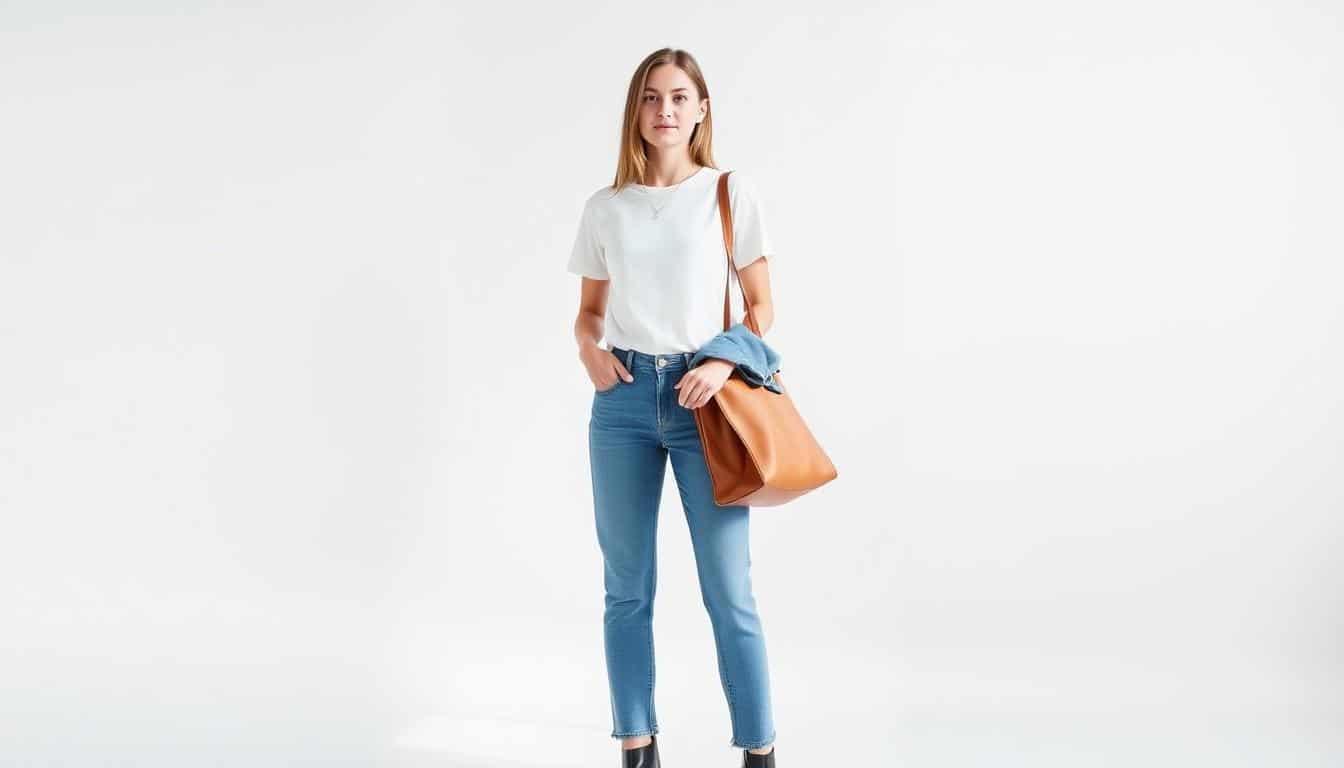
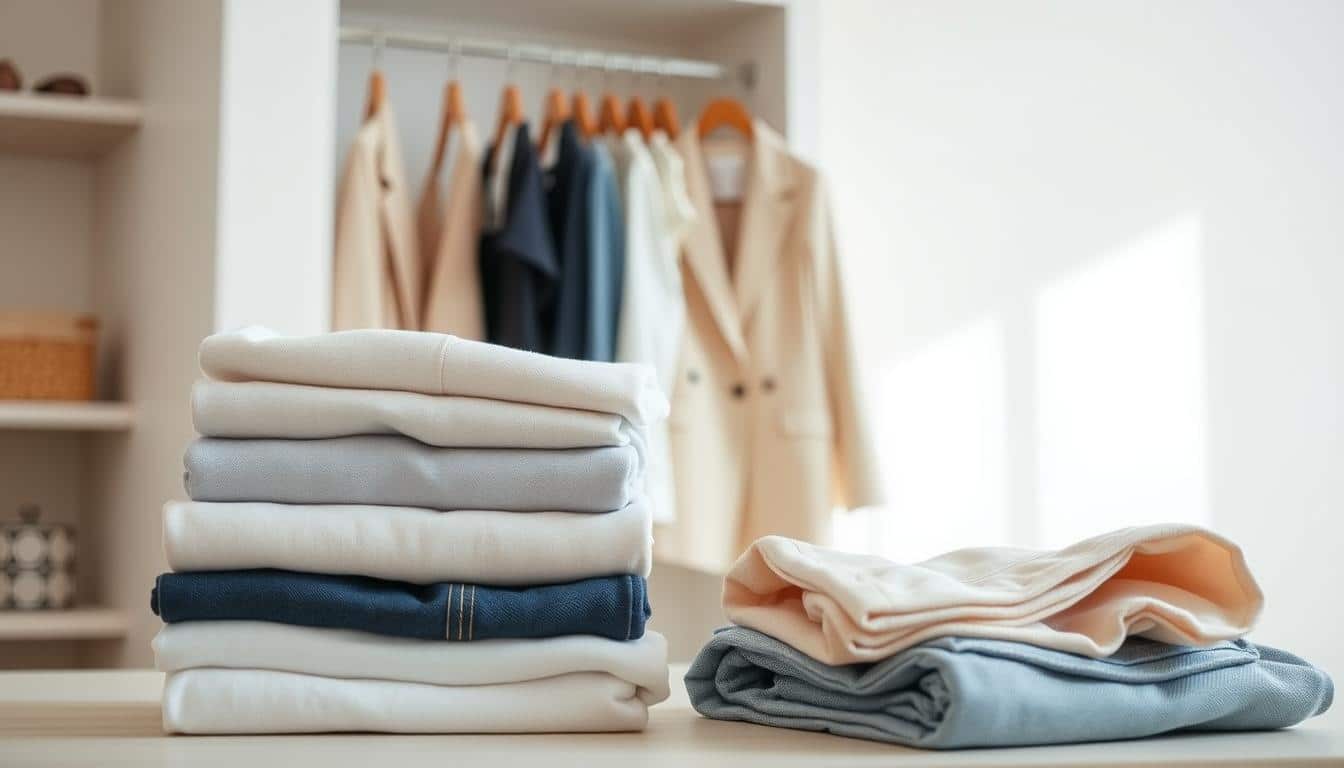
I remember staring at a cluttered closet and wanting a clearer way to dress without breaking the bank, and you might feel that same small panic each morning.
These budget-friendly fashion tips are about simple moves that save money and make your outfits feel intentional. I’ll walk with you through editing what you own, spotting real value, and choosing one better piece over several forgettable purchases.
Think cost-per-wear, not just price. A blazer you reach for every week beats three cheap jackets that sit unworn. Small habits—making a short shopping list, testing fit in natural light, swapping worn buttons—add up fast.
No pressure, no perfect wardrobe needed. Just practical ways to spend smarter, feel more put-together, and keep time and money in your pocket.
Key Takeaways
- Edit your closet to see what you actually wear.
- Choose one well-made piece over several disposable buys.
- Use cost-per-wear when judging value.
- Make a simple shopping list and stick to it.
- Try easy upgrades that polish looks without extra spending.
- Time purchases around sales and use coupons when sensible.
Start by clearing space in your closet so you can see what you own
You can free up space and calm your mornings in one quick afternoon of editing your clothes. I’ll walk you through a short, honest edit and a simple reset that saves time and keeps you from buying repeats.
A quick edit: remove damaged, dated, and ill-fitting items
- I pull everything out and group by category — tops, pants, dresses, outerwear — so I can spot duplicates and gaps.
- Handle each piece and be honest: stained, damaged, or doesn’t fit goes to donate, sell, or tailor piles.
- Create a tiny “to-fix” basket for missing buttons and loose hems; when it fills, you know it’s time to mend or tailor.
Simple organization that saves time and money
- Sort each category by color so you see what you already own and avoid repeat buys.
- Keep daily items at eye level, tuck off-season pieces into bins, and store special-occasion things up high.
- Use matching hangers, labeled baskets, and shelf dividers so small spaces feel calm and intentional.
- Jot a short list of real gaps — a better white tee or a neutral belt — so shopping is focused next time.
| Common Issue | Quick Action | Result |
|---|---|---|
| Stained or damaged clothes | Donate or tailor | More usable space, fewer decisions |
| Too many similar items | Group by color and category | See duplicates and avoid repeat buys |
| Off-season clutter | Rotate to bins or high shelves | Daily picks are easier and faster |
Define your personal style so shopping feels easy
Grab your phone and build a quick board of looks you actually want to wear. This small task makes shopping faster and kinder to your time.
Open Pinterest or a notes app and save 20–30 outfits, colors, and textures that catch your eye. Don’t edit at first — just collect what speaks to you. Later you’ll spot repeats.
Create a mood board and look for patterns you actually wear
Step back and scan your board. Do you favor neutrals, clean lines, or relaxed dresses? Those repeats reveal your personal style and useful shopping cues.
- Save 20–30 images without filtering; then look for repeating silhouettes and shades.
- Compare the board to your wardrobe. Overlap shows what to wear more; gaps show what to add.
- Name your style in a short phrase, like “casual classic with a sporty touch.” That makes choices easier in stores.
Use trends sparingly. Let them season your look, not define it. When you shop, pick pieces that match the silhouettes and colors you reach for most. It’s one of the simplest ways to build a wardrobe you’ll actually live in.
Think total wardrobe budget and cost per wear, not just price tags
Treat your wardrobe like a small project: set a budget, then plan where the money goes. Decide on a seasonal number you can actually afford. That number stops impulse buys and makes choices clearer.
Split the total into three buckets: essentials (most of the money), small updates, and a couple of fun buys. Essentials cover items you wear most. Updates refresh outfits without replacing everything. Fun buys keep dressing joyful.
- Pick a realistic seasonal budget and assign percent shares to essentials, updates, and fun purchases.
- Use simple math: cost per wear. A $180 blazer worn 60 times cost you $3 per wear.
- Jeans test: one solid pair you wear weekly for years beats three cheap pairs that fade or bag out.
- Track wears for a month. Let real life steer spending toward sneakers or knits if that’s what you reach for.
- Keep a small buffer for surprise events and check back mid-season to reallocate money if needed.
Buying this way focuses on value, comfort, and fewer rushed decisions. If you want a quick guide to stretch your money further, see a short plan for dressing well on a small budget.
Shop your closet first, then make a focused list
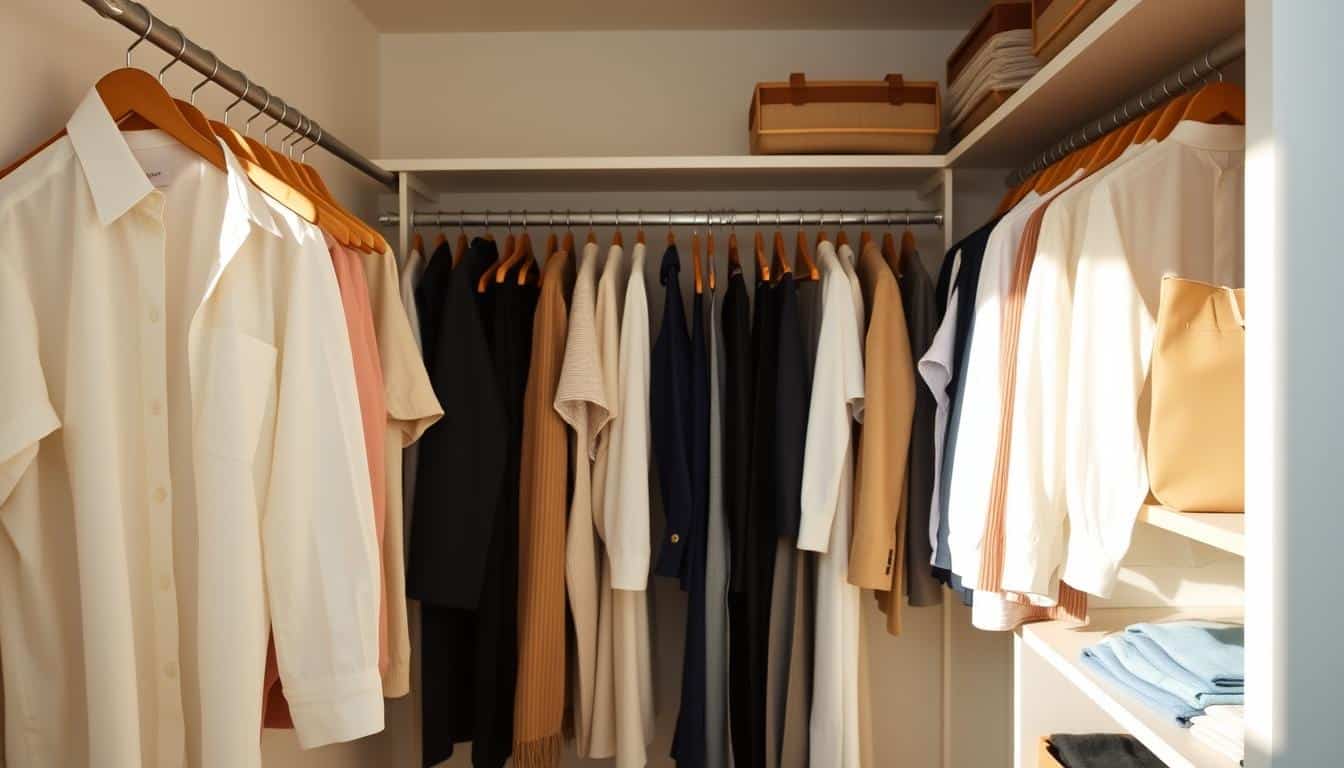
Take twenty minutes to remix what you already own before you ever step into a store.
I try on fresh combinations and often find new outfits I forgot about. Snap photos of looks you like and save them in an album. That becomes your quick lookbook for rushed mornings.
Note what blocks great outfits — a better nude bra, a belt, or a black crewneck. Small fixes unlock lots of clothes and make clothing feel more useful.
- Spend 20 minutes trying on mixes; you’ll uncover ready-made outfit ideas.
- Write a short, focused list using specific words like “straight-leg mid-rise dark jeans.”
- Make sure each item can work in at least three outfits before you buy.
- Keep the list on your phone and stick to it when shopping.
- Revisit monthly and note which clothes the new piece completes.
| Action | Time | Result |
|---|---|---|
| Try-on session | 20 minutes | Finds new outfits you own |
| Photo lookbook | 10 minutes | Easy outfit picks on busy days |
| Focused list | 5–10 minutes | Prevents duplicate or impulse buys |
Smart shopping: where and when to find the best deals
Good shopping isn’t about luck — it’s about knowing where and when to look. I use a mix of secondhand runs and timed sales to stretch my money and keep things useful.
Thrift, consignment, and online marketplaces worth checking
Start local: Goodwill, Salvation Army, and smaller consignment shops often hold quality basics and one-off finds. I look for good fabrics and solid stitching first.
Online, use filters on Poshmark, Depop, and ThredUp to find the right brand and size without endless scrolling.
Timing wins: end-of-season, off-peak days, and stacking coupons
Hit end-of-season sales for the biggest markdowns — coats in spring, swim in late summer, boots after winter. Shop midweek or in the morning for calmer stores and fresh markdowns.
Sign up for emails and use tools like Honey, Rakuten, and RetailMeNot to stack codes and earn cash back. Always check final sale rules before you buy.
- Compare price vs. condition — a consigned blazer can beat a new flimsy one.
- Keep your focused list handy to avoid impulse buys during big sales.
| Source | Best for | When to shop |
|---|---|---|
| Goodwill / Salvation Army | Basics, unexpected finds | Weekdays, mornings |
| Poshmark / Depop / ThredUp | Branded pieces, size filters | Anytime — use alerts for deals |
| Brand stores & websites | Seasonal new drops, guaranteed returns | End-of-season sales, Black Friday/Cyber Monday |
| Coupon & cashback tools | Extra savings on sale price | Stack during major sales |
Quality over quantity: choose pieces that last years
A single well-made item can quietly transform your closet and save you money over time.
I look for pieces that feel solid in hand and keep their shape after a few wears. That one reliable blazer or pair of shoes will outwork several cheaper items and cut future cost.
Quick quality checks: fabric, stitching, hardware, and fit
Touch the fabric tag first. Natural fibers like cotton, wool, silk, and linen breathe and hold up better over years.
- Turn garments inside out. Clean, even stitching and finished seams show care in construction.
- Test hardware: run zippers, press buttons, and check clasps. Smooth zippers and tight buttons mean fewer surprises.
- Try it on and move—raise your arms, sit, and walk. If seams pull, the piece won’t last long.
- Compare two similar items. The slightly pricier one with better fabric and construction often lowers cost per wear.
- Don’t dismiss consignment. Designer finds gently used can give you high-quality tailoring at a fair price.
| Check | What to look for | Why it matters |
|---|---|---|
| Fabric | Natural fibers: cotton, wool, silk, linen | Breathable, keeps shape, lasts years |
| Construction | Even stitching, finished seams | Less fraying, stronger seams, longer life |
| Hardware & Fit | Smooth zippers, secure buttons; move comfortably | Functionality and less stress on seams = fewer repairs |
Mix, match, and layer to multiply outfits
When pieces play well together, you can make many outfits from very little. Start with a tight palette of neutrals—black, white, tan, navy, gray, or olive. That keeps choices simple and things match easily.
Neutrals and texture make basics look elevated
Add texture to keep looks interesting. Try denim with a soft tee, a chunky knit over a silky blouse, or tweed with linen. Texture adds depth without extra items.
Use a three-layer formula: base (tee or tank), mid layer (button-down or cardigan), top layer (blazer or jacket). This trio creates instant polish and can shift an outfit fast.
- Pair jeans with a white tee and blazer for work; swap sneakers or loafers to change the mood.
- Rework a simple dress with a belt and boots for day; add heels and a necklace for evening.
- Save photos of combos that work so you can rebuild them from your wardrobe later.
| Layer | Example pieces | When to wear |
|---|---|---|
| Base | White tee, tank, fitted shirt | Everyday foundation for many outfits |
| Mid | Cardigan, button-down, light sweater | Adds warmth and visual interest |
| Top | Blazer, denim jacket, leather jacket | Polish or edge, depending on shoes |
Small details, big payoff: hardware and nails
The tiniest details—what’s on your belt or your fingertips—often decide whether a look feels finished. I keep this simple. A few small checks make outfits read cleaner and more intentional.
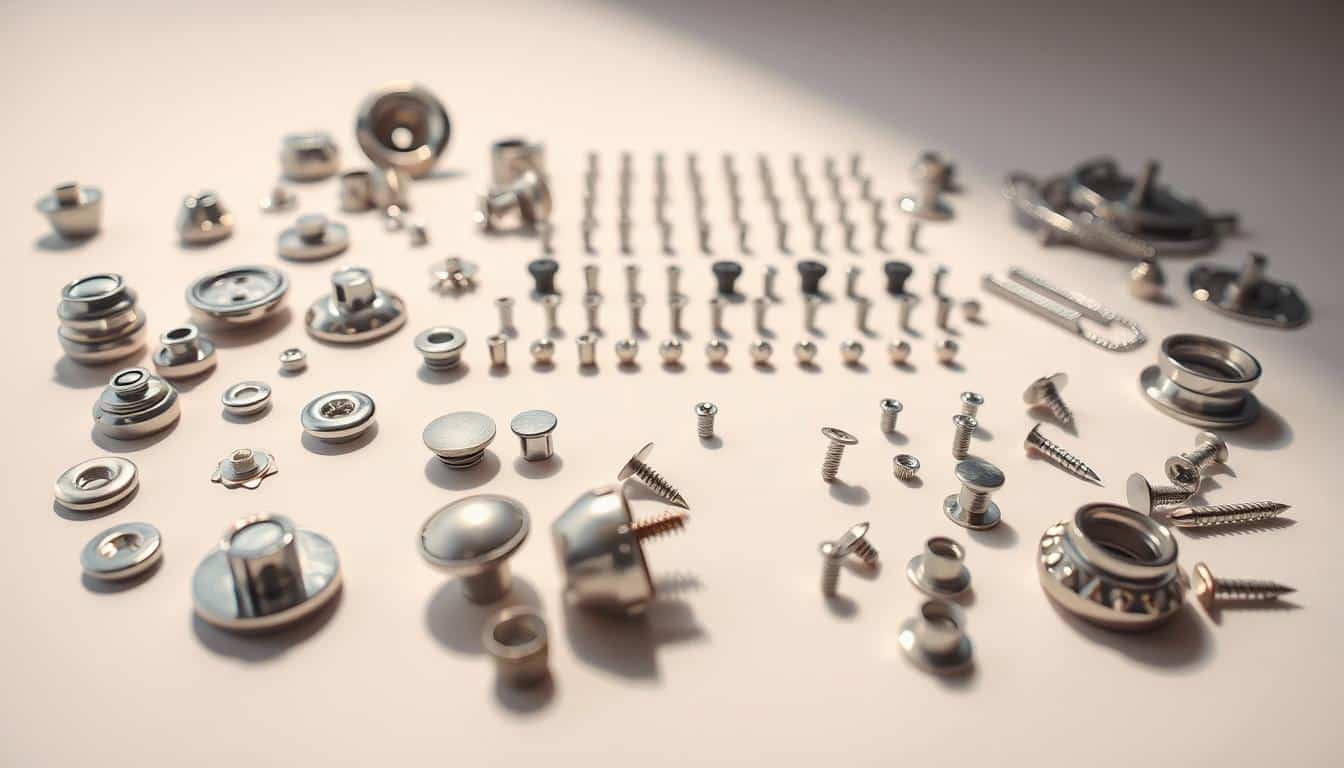
Start by matching metal tones across belts, buttons, zippers, jewelry, and bag chains. If your blazer has gold buttons, pick gold earrings or a gold chain. This small coordination ties accessories and pieces into one calm look.
Don’t overload hardware. If a jacket has lots of zippers, go light on necklaces and rings. Fewer competing details keeps the overall outfit from feeling busy.
- Do a quick metal check before you head out—match buckles and chains to your jewelry.
- Swap a worn belt for a simple leather one with clean hardware; small accessories do big work.
- Shoes count as accessories too—wipe soles and polish leather for an instant lift.
Finish with a 10-minute neutral manicure. File, push cuticles, and apply one to two thin coats. Short on time? A clear top coat still gives a tidy shine that makes your hands and pieces look cared for.
| Quick Check | Time | Result |
|---|---|---|
| Match metal tones | 1–2 minutes | Cohesive, polished look |
| Balance visible hardware | 30 seconds | Less visual clutter |
| Swap worn belt / clean shoes | 5 minutes | Sharper outfit without new buys |
| Neutral manicure | 10 minutes | Finished, intentional hands |
Care for your clothes to extend their life
Simple habits at home can add years to your favorite shirts and jackets. A little routine keeps clothing looking fresh and saves you from buying replacements.
Wash less, wash cold, and turn items inside out
Wash most items in cold water to stop shrinking and fading. Turn garments inside out so colors and prints stay sharp.
Use a gentle detergent and gentle cycles. Heavy washing breaks fibers and shortens the life of your clothes.
Air-dry, store properly, and treat stains right away
Air-dry when you can. If you must tumble dry, pick low heat to protect elasticity and fabric quality.
Fold sweaters to avoid shoulder bumps. Hang structured jackets on padded or sturdy hangers to keep their shape.
Treat stains fast. Dish soap tackles grease. Club soda and salt lift wine. Dab ink with rubbing alcohol — don’t rub.
- Skip washing when items aren’t dirty; airing out often is enough.
- Keep a small laundry kit: stain pen, mesh bags, and a mild detergent.
- Wash delicate items inside mesh bags to reduce wear.
| Action | Why | Quick result |
|---|---|---|
| Cold wash & inside out | Prevents fading | Colors stay truer longer |
| Air-dry / low heat | Protects elastic fibers | Less shrinkage, better fit |
| Proper storage | Maintains shape | Longer useful life |
Tailor, mend, and upcycle before you replace
You don’t have to replace every imperfect piece — many wardrobe wins start with simple mends. Small fixes restore clothing fast and stretch your money further.
When a pro is worth it — and easy DIY fixes
Start with tiny wins: sew on loose buttons, use hem tape for too-long pants, and patch small holes. Free a stuck zipper with a bit of wax or soap. These moves save favorite items without a trip to the store.
- DIY for quick fixes that keep clothing wearable.
- Take a close-fitting blazer or dress to a tailor to shape sleeves or refine the waist.
- Have jeans hemmed or the waist taken in so a budget pair looks designer-level.
- Upcycle old tees into crops or turn denim into cutoffs when you no longer wear them.
| Action | Best for | Result |
|---|---|---|
| DIY mend | Loose buttons, small holes, stuck zippers | Quick save, low cost |
| Tailor | Blazers, dress waists, jeans hem/waist | Custom fit, higher quality feel |
| Upcycle | Worn tees, old jeans, tired coats | Fresh look, less waste |
Skip impulse clearance buys and stick to your list
A quick three-question check can turn shopping from chaotic to calm. Pause before you buy and use a short filter that protects your time and money.
Three questions to ask before you hit “buy”
Ask these out loud before checkout. They’re simple, but they work.
- Does it truly fit? Fit beats price every time—bad fit sits unworn.
- Do I love it? If you’re unsure now, you’ll doubt it later.
- Can I make two to three outfits with clothes I already own? Versatility saves money.
If you can’t answer yes to all three, walk away—no sale tag changes that rule. Look past red tags and check fabric, stitching, and hardware; one quality piece you wear often beats several deals that fade fast.
Plan shopping around real needs, not moments. When trends tempt you, try a small accessory version first. Give yourself 24 hours for big picks; time often shows what’s worth the price.
| Action | Quick check | Result |
|---|---|---|
| Follow your list | Stick to items needed | Less impulse spending |
| Inspect quality | Fabric & stitching | Longer wear, better value |
| Pause 24 hours | Wait before buying | Fewer regret purchases |
For help planning smart seasonal buys and using sales well, see a short guide to plan seasonal outfits with less stress: plan seasonal outfits with less stress.
Conclusion
A calm closet and a small plan will change how your clothes serve your life.
Clear the closet, name your style, and let your budget guide what you keep and buy. Edit items, favor quality pieces, and mix what you own to make more outfits.
Shop smart at stores, consignment, or online and keep a short list so each piece pulls its weight. Care for clothes, mend or tailor when fit is off, and polish the small details that lift a look.
These simple steps help a wardrobe feel easier, not heavier. Keep the tips close, revisit them when you shop, and dress for the life you actually live with confidence and ease.