
I use plain rules from recent style advice to make a small list you can actually use today: fashion do’s and don’ts that keep your wardrobe useful, not crowded.
You’ll get quick tips on fit, fabrics, and simple swaps that lift a look without fuss. I talk about the jeans you reach for, the shirt that fits right, and the shoes you walk in most.
Think quality over chasing every trend. Measure a favorite piece at home so shopping fits your closet the first time. These rules help busy people save time, avoid buyer’s remorse, and build quiet confidence.
Key Takeaways
- Choose fewer, better pieces that get worn often.
- Focus on fit first; small tweaks change a lot.
- Pick durable fabrics like cotton or wool for long use.
- Be slightly overdressed rather than underdressed for most days.
- Measure items at home to buy the right size online.
- Clear out clothes you never reach for to free up your closet.
Style right now: practical, confident, and less trend-chasing
I’m seeing a quieter approach to style that actually saves time. People pick items that work with their lifestyle and last beyond one season.
Skip the TikTok hype and choose real fabrics that breathe and keep shape. A simple blazer over a tee or soft trousers with clean sneakers hits the right balance for most days.
Tailoring matters. Small tweaks—hemming, nipping a waist, or shortening sleeves—make everyday clothing look tailored without effort.
Keep a compact wardrobe with a clear color plan. Repeat a few trusted colors so outfits assemble fast. Streamline your closet so you can see the pieces you wear each week.
- Be slightly more polished when unsure; it reads as confidence.
- Focus on shoes and one accessory to lift an entire look.
- Use smart layers for texture and changing temps.
| Choice | Why it works | Quick fix | When to use |
|---|---|---|---|
| Real fabrics | Last longer, breathe | Swap synthetic for cotton or wool | Daily wear, meetings |
| Tailoring | Improves fit instantly | Hemming or waist nip | Any overlooked piece |
| Smart layers | Adds depth and function | Light jacket or knit | Variable temps |
| Shoes + one accessory | Lifts look fast | Sturdy flats or neat sneakers | Morning rush |
The do’s that quietly level up every outfit
When you focus on fit first, getting dressed becomes fast and reliable.
Prioritize fit and tailoring so your clothes work with your body
A quick hem on jeans or a sleeve tweak for a shirt changes the whole outfit. Small tailoring costs little time but gives big returns.
Invest in quality basics you’ll wear on repeat
Pick fewer, better pieces: a trusty tee, straight-leg jeans, a blazer. These items make your wardrobe flexible and simple to use.
Build smart layers for depth, texture, and changing temps
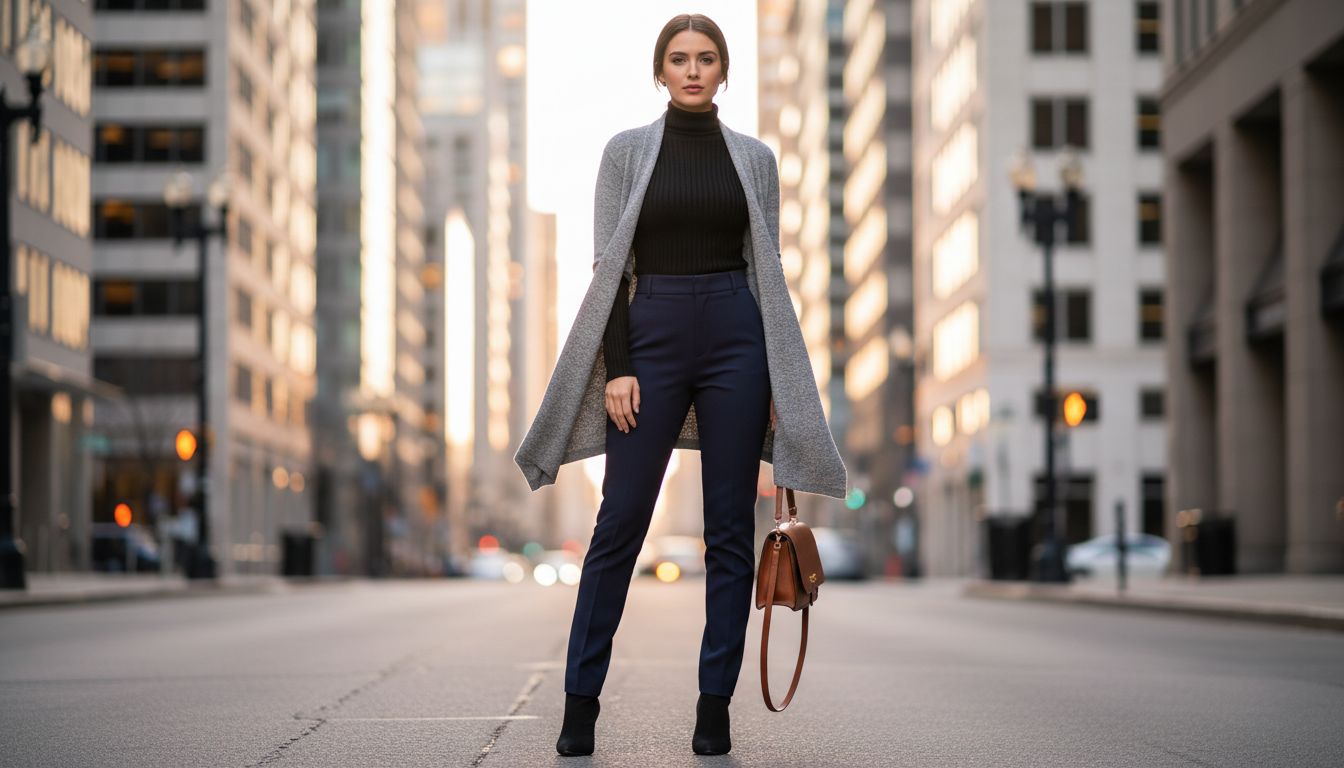
Layer with a light cardigan or a neat vest. A scarf adds texture and helps when temps shift during the day.
- Stick to a flexible color palette; use accessories for accent color.
- Choose real-deal fabrics like cotton, wool, or linen so clothing breathes and lasts.
- Measure garments that fit you well and save numbers for online shopping.
- Let shoes and a modest watch sharpen simple outfits with little effort.
The don’ts that clutter your closet and muddy your look
Avoiding certain pieces clears space and makes daily dressing easier. Say yes to fewer, reliable items and no to things that crowd your closet without adding value.
Skip overly tight or baggy pieces
Extreme fits—ultra-skinny jeans or sloppy-wide trousers—fight your frame and comfort. Choose jeans and pants that skim your shape instead of swallowing it.
Limit trends, logos, and clashing patterns
Too many logos or loud patterns turn outfits into noise. Keep most pieces neutral so a single trend item reads intentional, not frantic.
Avoid heavy-stretch “athleisure” dress pieces
Clothing made from thick stretch blends can lose shape fast and look cheap. Real fabrics age better and save you time and money in the long run.
Save flip-flops for the beach
Around town, slides, espadrilles, or huaraches feel casual without looking sloppy. They protect feet and lift simple outfits.
| Problem | Why it matters | Easy fix |
|---|---|---|
| Extreme fit (too tight or too wide) | Disrupts proportion and comfort | Choose mid-fit jeans or tailored trousers |
| Heavy logo or trend overload | Makes outfits look busy and dated | Pair one statement piece with neutral basics |
| Stretch-heavy dress clothing | Wears out and pills quickly | Swap for cotton, wool, or linen blends |
| Novelty sweaters / stiff tie knots | Rarely mix well with wardrobe pieces | Pick classic knits and soft, simple ties |
- Mind itchy fibers and trims—comfort affects your day.
- Hems should skim shoes, not puddle or show too much ankle.
- Choose what serves your lifestyle first; you’ll save time and closet space.
Build outfits for real life: body, occasion, and balance
Begin with the occasion—this one choice cuts time and keeps your look dependable.

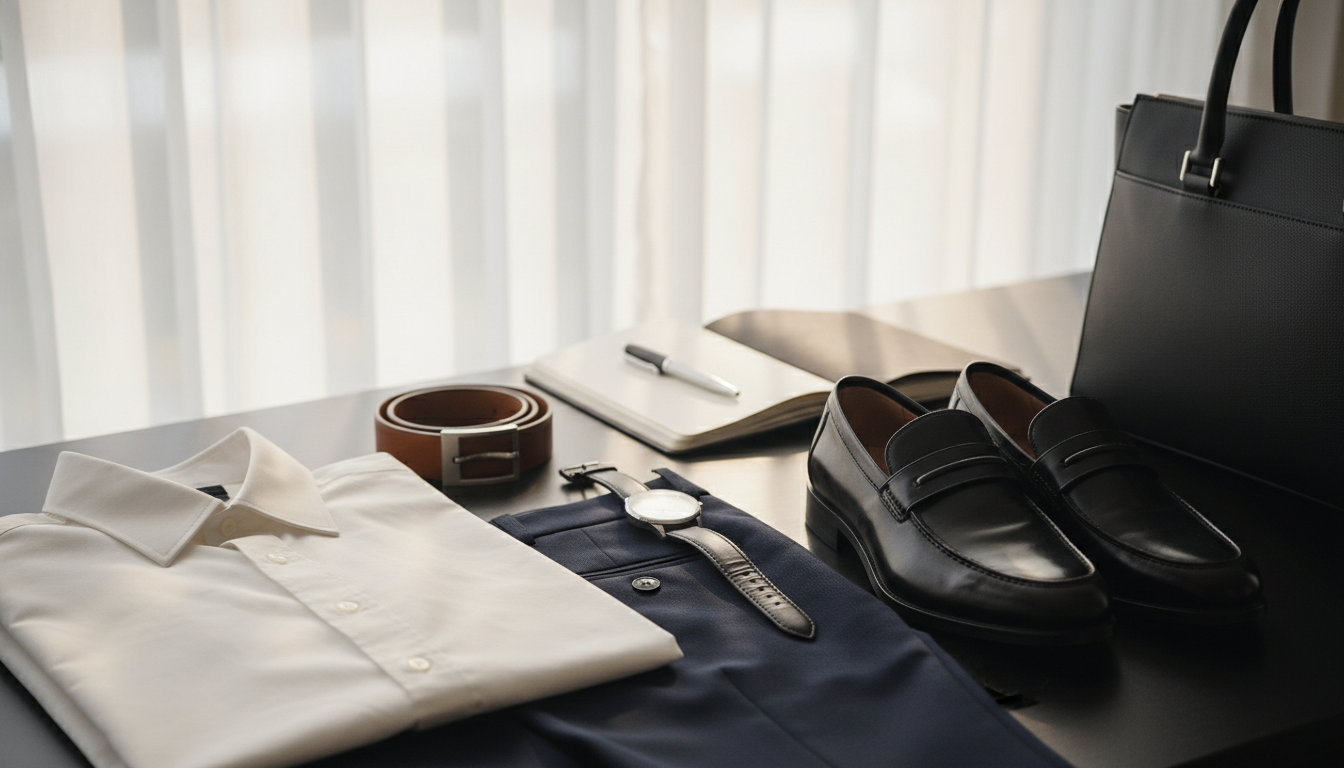
Check pant length in a mirror with the shoes you’ll wear. Aim for a clean break that skims the middle of the shoe; avoid puddling or too-short hems.
Finish with a belt
If trousers have loops, add a leather belt. It tidy the waistline and completes an outfit fast.
Business casual tweak
A simple tie without a blazer can smarten a knit top or shirt. It reads intentional while saving time in the morning.
Shoes, sneakers, care
Rotate sneakers by season so pairs rest between wears. Care for the shoes you actually use—wipe, condition, repair.
Proportion tips
Try a slightly smaller watch case; it brings balance to sleeves and looks more timeless for men or women.
- Dress for your body with smooth fabrics that skim, not squeeze.
- Keep one neat blazer near your go-to jeans; it upgrades most outfits.
- Build a few repeatable outfit formulas so you save time every day.
Everyday fashion do’s and don’ts
A curated rack beats a crowded closet every time—less thinking, more wearing.
I keep a short list of practical rules that help me choose quality items I’ll wear again and again. Buy fewer, better things and wear them hard. That saves time and keeps your wardrobe useful.
Practical choices that work
Match a leather belt to your shoes when you can. Close tones read finished; they rarely need exact matches.
Rotate sneakers and care for shoes. A quick wipe each night makes outfits look sharper the next day.
Tailoring, fit, and occasion
Measure your best-fitting jeans and shirts before shopping. It cuts returns and wasted time.
Tailor small areas—hems, sleeves, waist. Little fixes improve fit a lot.
- Do buy fewer, better items and wear them often; don’t hoard pieces you never reach for.
- Keep outfits right for the occasion; avoid chasing every trend that clashes with your life.
- Pick one or two accessories like a watch or simple earrings; less clutter helps your look.
| Action | Why it helps | Quick tip | When to use |
|---|---|---|---|
| Buy quality basics | They last and repeat well | Choose cotton, wool, linen blends | Every day |
| Measure favorites | Better online fit | Save measurements for jeans and shirts | Shopping time |
| Rotate sneakers | Pairs last longer | Alternate every few days | Weekly |
| Tailor small areas | Improves overall fit | Hems and waist nips are cheap | Before big events |
Make your closet serve you, not the other way around
A useful wardrobe is one that answers your day, every day. Keep what feels right and clear out the rest. Small edits save you time and stress.

Wear what affirms you and supports your day-to-day life
Listen to your body. Itchy fibers or stiff seams steal focus and lower confidence. If a piece distracts you during meetings or errands, let it go.
Match clothing to your current lifestyle—work, travel, downtime. The goal is outfits you actually reach for, not things you wish you had time to wear.
Buy two of staple items you love to avoid future regret
- When you find the perfect tee, jeans, or bra, buy a second. Future you will thank you.
- Do a 10-minute edit weekly; remove items you never touch and note why.
- Group go-to pieces at eye level so mornings move faster.
| Action | Why it helps | Quick tip |
|---|---|---|
| Keep staples | Saves time choosing outfits | Buy two when you find a keeper |
| Remove distractions | Protects focus and comfort | Check labels for itchy fibers |
| Note sizes | Less returns, less guesswork | Keep measurements in a notes app |
Conclusion
A tidy closet and a short list of rules make getting ready quick and calm.
Pick real fabrics, fit pieces well, then repeat what works. A neat shirt, clean jeans, simple sneakers, a tidy sweater, plus one small accessory like a watch, will take you far.
Measure a favorite shirt before you buy. Tailor hems when you can. Rotate shoes so pairs last longer. Buy a second of a staple you love.
Ignore noisy trends. Let quality clothing serve your day. Try one small change this week and notice how much easier mornings become.