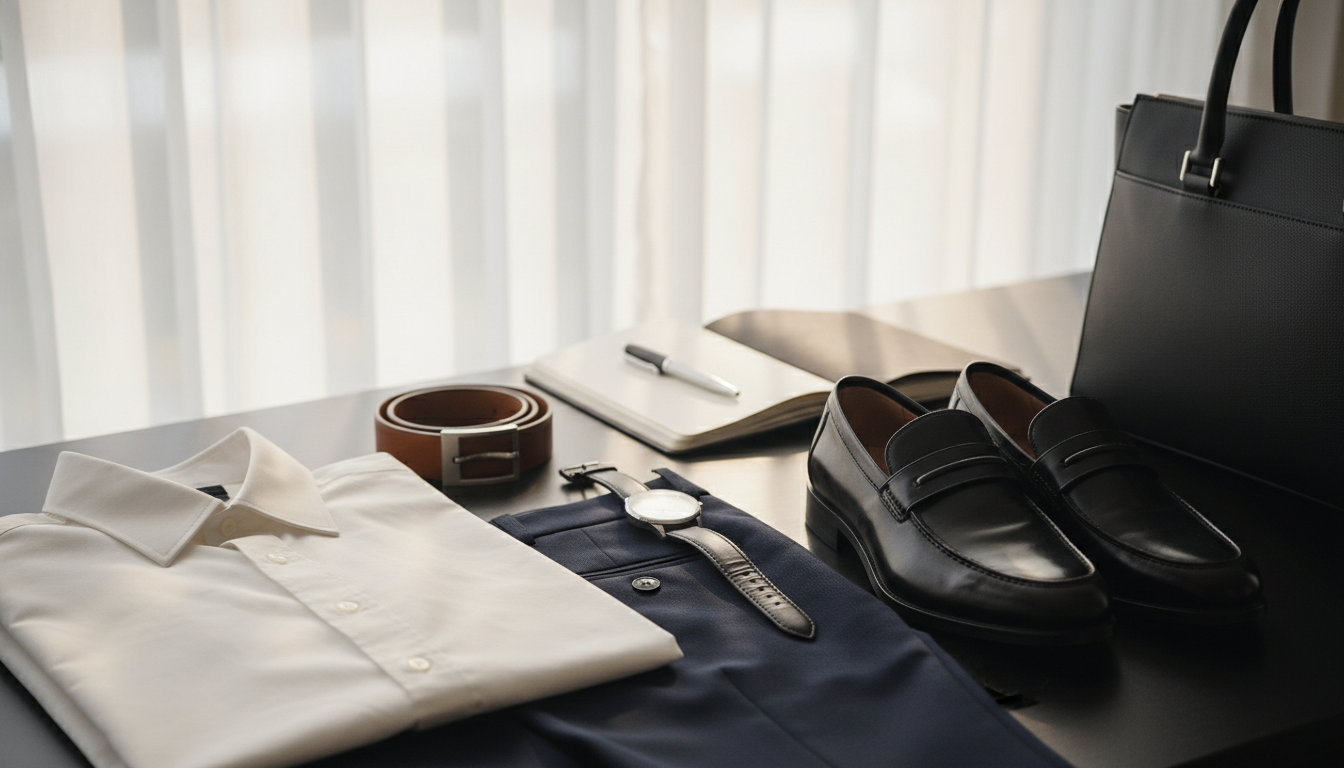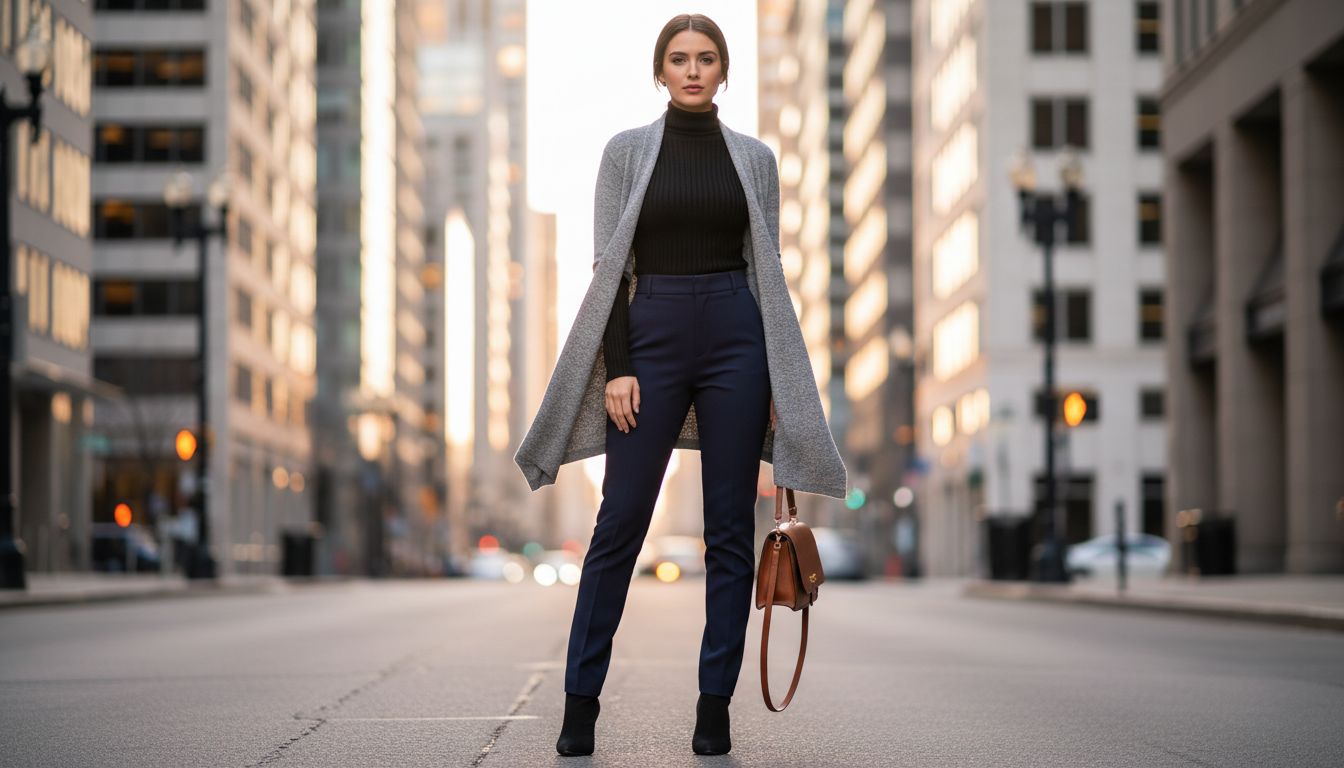

I still get a small thrill when a worn tee and an old blazer suddenly look like they belong together. That feeling proves a simple point: great style is usually about how you use what you already own, not a shopping spree.
Let’s be honest—most mornings you want quick, real-world advice that helps you look put together fast and keep your budget intact. I’ll show easy ways to edit your wardrobe, polish small details, and mix items into fresh outfits that feel intentional.
We’ll start by clearing clutter, then tune fit and fabric choices so getting ready becomes a calm, confident ritual. Expect straightforward advice you can act on in minutes, using inspiration boards, grooming wins, and outfit formulas I share with friends over coffee.
Key Takeaways
- Editing your closet makes finding outfits faster and sharper.
- Small care habits and matching hardware can upgrade your look.
- Focus on fit, fabric, and a few outfit formulas for big impact.
- Use what you own: items can feel new with simple swaps.
- Quick grooming and tidy storage save time and boost confidence.
Clear the clutter so your best outfits can breathe
You don’t need a full overhaul—just one focused sweep will change how you use your clothes. I’ve seen many client closets that hide obvious problems: stained layers kept “just in case,” stretched tees, and pieces that silently age every look.
Edit out worn, stained, and ill‑fitting clothing
Start with a quick pass. Pull anything stained, pilled, torn, or painfully uncomfortable. Try on borderline items and be honest: if it rides up or you tug at it, let it go.
Remove dated pieces that make your wardrobe feel stuck
Styles change, and hanging on to old silhouettes costs you a lot of outfit potential. Set aside anything that makes you feel older than you are. Donate or swap what still has life.
Organize your closet so you see what you own
Sort what remains by category and color. Group jeans with jeans and tees with tees. That saves time in the morning and stops duplicate buys.
| Action | What to look for | Quick result |
|---|---|---|
| Quick pass | Stains, holes, stretch | Faster outfit choices |
| Try-ons | Fit, comfort, silhouette | Better daily confidence |
| Care check | Replace buttons, snip threads | Longer garment life |
| Organize | Group by type and color | Less time hunting for pieces |
Dial in your personal style and fit on any budget
A small mood board can change how you reach for an item every morning. It helps you spot patterns in what you actually like and cuts decision time when you’re rushing.

Define your personal style with inspiration boards for faster, smarter outfit choices
Make a board on Pinterest or in your camera roll and pin looks you truly love. Over time you’ll see if your saves are classic, minimal, or soft and romantic.
Before you get dressed, glance at the board and copy a look using pieces you already own. I do this when I have five minutes; it keeps mornings calm and purposeful.
Understand body architecture and wear proper foundation garments for a better silhouette
Learn your proportions—waist, torso length, shoulder width—and pick clothing that balances those lines. When scale is right, every outfit reads as intentional.
- Start with foundation garments: a properly fitted bra changes how tops and dresses sit.
- Refresh bras often: get fitted, wash in mesh bags, hang dry, and tighten straps every few wears.
- Test one small nod toward trends at a time so your wardrobe stays current and true to you.
| Action | What it fixes | Quick win |
|---|---|---|
| Create a board | Decision fatigue | Faster outfit choices |
| Measure proportions | Unbalanced silhouettes | More flattering clothes |
| Care for foundations | Sagging or poor fit | Cleaner lines, more confidence |
Choose better fabrics and care for clothes so they look new longer
How a fabric falls on your body matters more than the label on the tag. Natural fibers like cotton, wool, linen, silk, and viscose hang better and often look richer in real life.
When you shop, touch the weave and check drape. A good quality piece will feel substantial and won’t cling. Some high-grade synthetics can work too—trust the hand-feel over the price.
Care, don’t over‑wash
Wash only when a garment is dirty. Follow the care tag, use cold water, and put delicates in mesh bags. Hang dry to protect structure and color.
Quick fixes that save a whole piece
Keep a stain stick and spot-treat immediately. A handheld steamer smooths wrinkles fast and gives any piece a fresh look. If linen creases bother you, try blends with viscose, silk, or wool.
| Fabric | Why it works | Care shortcut |
|---|---|---|
| Cotton | Crisp, breathable for shirts and tees | Cold wash, hang dry |
| Wool | Structure and warmth, great drape | Spot clean, air between wears |
| Silk / Viscose | Soft fall and elevated look | Mesh bag, gentle cycle or hand wash |
| Linen blends | Texture with fewer hard wrinkles | Steam lightly, hang immediately |
Some stores even offer tailoring or care guidance when you buy. If you want quick outfit wins, learn which materials hold color and shape, and build a simple care routine you’ll actually follow. For ideas on building looks from what you already own, see this roundup of inexpensive outfit ideas that look expensive: smart outfit ideas.
Use color, texture, and details to look polished without breaking the bank
Small changes in color and texture can turn familiar pieces into a look polished for everyday life.
Build a base with neutrals—black, navy, gray, beige. Then add one soft pastel or a deep gemstone shade. Repeat that color at least twice in the outfit. That makes the whole outfit feel intentional.
Keep prints simple. One refined stripe, tweed, or subtle animal-inspired pattern works best. Ground prints with solid, modern basics so everything reads calm and current.
Match hardware and choose quiet accessories
Make sure belt buckles, bag chains, and buttons share the same metal. Matching hardware creates cohesion across shoes, bags, and outerwear.
Pick accessories with clean lines. A structured leather tote and a simple hoop or stud lift casual items fast. Skip big logos and never buy fakes; understated details look tasteful longer.
| Element | Why it helps | Quick pick |
|---|---|---|
| Neutrals + one color | Creates a refined base | Beige coat + pastel scarf |
| Simple print | Keeps outfits calm | Striped shirt + solid trousers |
| Matched hardware | Feels cohesive and finished | Gold buttons + gold bag chain |
| Texture mix | Adds depth without noise | Suede shoes + silk top |
Watch trends, but use them sparingly. One trendy piece with classics keeps your style fresh and practical for real life.
Fit is everything: easy tailoring wins and polish boosters
The right seam and a neat hem change how an entire outfit reads. Small tailoring moves make old pieces feel tailored and fresh.
Simple tailoring tweaks make everyday pieces look custom
Start with the basics. Hem pants to your favorite shoe height. Shorten sleeves so they hit the wrist bone. Nip blazers at the waist for cleaner lines.
A good tailor can turn fine into fantastic. They improve drape, balance, and the overall look of items. Batch drop-offs once a month to save time and keep pieces ready.
Shoes, bags, nails, and hair in good shape make any outfit look refined
Make sure your shoes are clean and conditioned. A quick polish changes the whole read of an outfit.
Keep hair simple and current. A trim, a basic blowout, or dry shampoo on busy mornings helps you look pulled together fast.
Neat nails or clear polish finish an outfit with almost no time spent. Check bag hardware and tighten loose straps. Small fixes raise perceived quality of items.
- Try your outfit, sit, and move to spot needed tweaks.
- Address one tailoring fix at a time for steady improvement.
| Focus | What it fixes | Quick result |
|---|---|---|
| Hemming pants | Length and shoe balance | Cleaner silhouette |
| Waist nips | Boxy blazers and tops | More tailored look |
| Shoe care | Scuffs and dull leather | Higher perceived quality |
| Grooming (hair & nails) | Messy edges and chipped polish | Polished, ready-in-minutes |
Practical tips to dress better without spending
One afternoon of remixing your closet unlocks outfit ideas you didn’t know were hiding.
Restyle what you own: new combinations, layers, and proportions
Pick three go‑to pieces and make three different outfits. Add a layer, change the tuck, swap a shoe, or flip proportions for fresh results.
Create repeatable outfit formulas like blazer + tee + jeans + flats or sweater + midi skirt + boots. These simple sets give a lot more life to fewer items.

Maintenance over money: de‑pill knits, replace buttons, and tighten straps
Spend ten minutes on quick care. De‑pill sweaters, sew on loose buttons, and tighten bag straps. Small fixes extend how long clothes stay wearable.
Make sure shoes are scuff‑free and heel caps intact. A polish or tiny repair keeps footwear and accessories looking near‑new.
Shop your circles: swap with friends and explore consignment
Host a swap night and trade accessories or outerwear. Swaps refresh basics without breaking bank.
Use secondhand apps and local stores, but filter hard. Only bring home items that work with at least two existing outfits. Treat sales like a shortlist; if it won’t pair well, skip it.
- Do a remix day and repeat your best formulas.
- Ten‑minute maintenance saves a lot of clothes.
- Swap or buy secondhand smartly for more variety.
Conclusion
A few small, consistent habits can change how your wardrobe performs every morning.
Edit what drags you down, choose pieces that suit your personal style, and let fit, fabric, and care do the heavy lifting. Steam, mend, and store garments well so cotton and wool hold shape longer.
Match hardware, keep shoes clean, and keep nails neat. These small moves lift a look fast and keep quality high while you live on a budget.
Lean on secondhand finds and buy one useful item at a time that works with existing outfits. I hope this gives practical advice you can use right away and a bit of confidence for women juggling life and fashion.