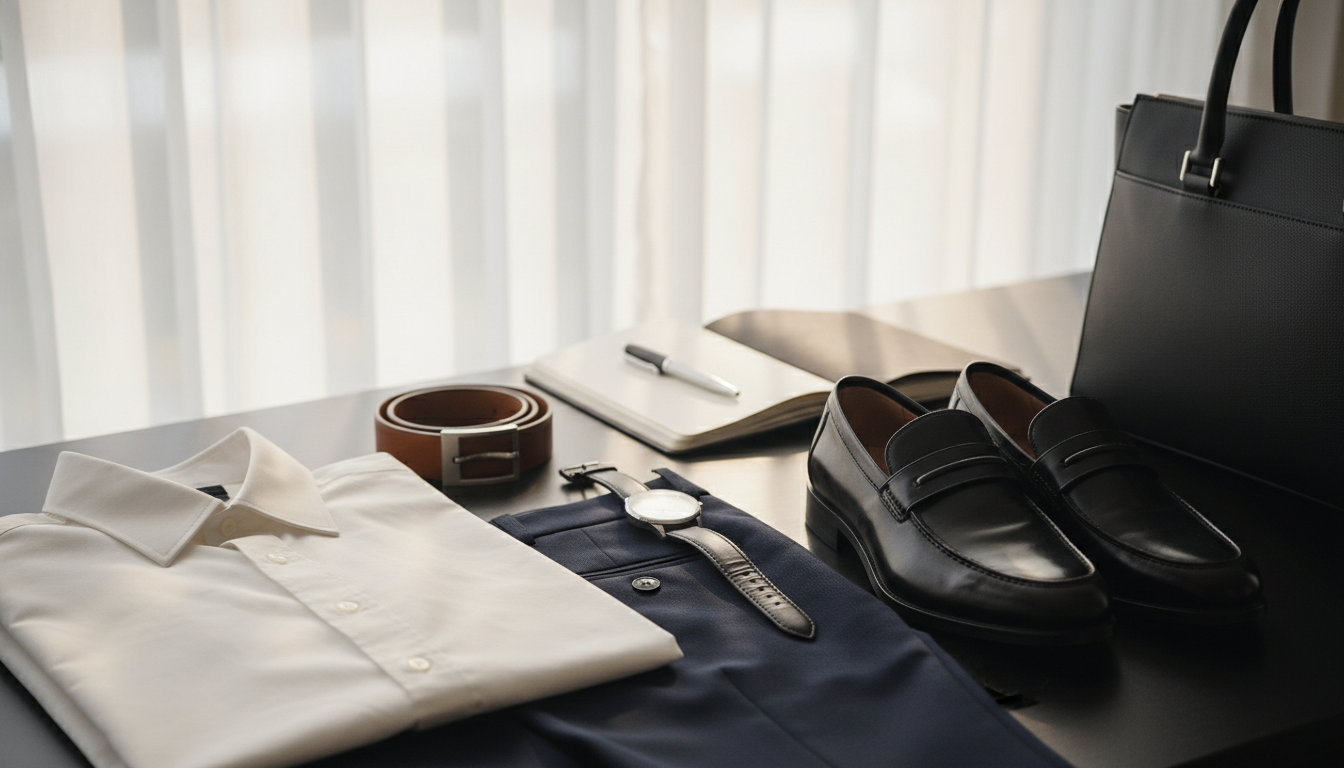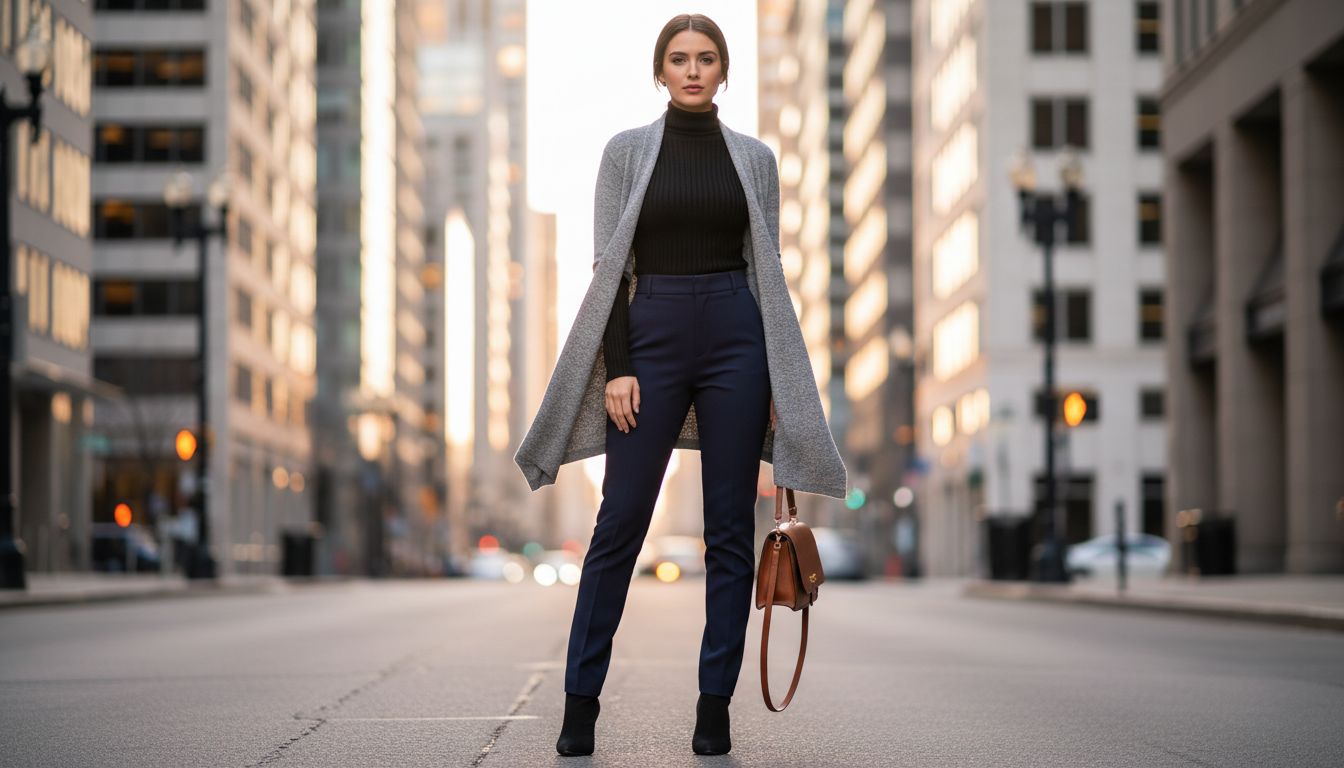

I learned early that “what shoes go with what clothes” isn’t a mystery — it’s a few simple choices that make your whole outfit read calm and put‑together.
Think of footwear as the punctuation for your look: small, decisive, and mood‑setting. Neutrals like black, brown, and white are safe bets, while a burgundy pair can sing next to green or a purple shoe can brighten a yellow dress.
I’ll show quick tips for balancing formality, color, and comfort so you stop second‑guessing and start enjoying getting dressed. You’ll know when to match, when to contrast, and how to pick options that work with jeans, chinos, tailored pants, or a casual dress.
Key Takeaways
- Use neutrals first—black, brown, white—for easy pairing.
- Match formality: Oxfords for tailored looks, sneakers for casual days.
- Try complementary colors like burgundy + green for a bold but safe punch.
- Prioritize comfort so style lasts from morning till night.
- Adopt a simple morning checklist to pick outfits faster.
Start with a simple plan for getting dressed without stress
A quick routine saves time. Ask two mirror questions: “What’s the plan today?” and “How dressed do I need to be to feel confident?” These two checks set the tone for your outfit fast.
Match the formality of your shoes to your clothes. If your top and pants are polished, pick a polished shoe. If your look is relaxed, lean casual. This tiny move fixes half of the “this feels off” moments.
- Build a small rotation: a white sneaker, a black flat or loafer, a tan sandal, a neutral heel, and one pair of boots. These styles cover most seasons.
- Use a one-color cue from your outfit or accessory to tie the look together quickly.
- Do a quick comfort check at home. If the shoe pinches, your feet will notice later.
- Keep a backup pair in your car or tote. Weather and plans change.
When you’re rushed, reach for neutrals like black, brown, tan, or white. Over time you’ll spot repeat combos. Those repeats are your morning uniforms. Little tips like these make dressing calm and steady.
Match or complement: choose the path that fits your vibe
Picking a path—match or complement—changes the vibe of your look fast. I usually start by asking how polished I want to feel. That answer tells me whether to echo tones or add a contrast.
When matching creates a clean, polished look
Matching means your footwear echoes both color family and dressiness. It’s the easiest way to look neat without fuss.
Try a small shift in shade rather than a perfect copy. For example, navy trousers paired with darker navy or black keep the lines crisp and avoid blending.
How complementing adds bold style without clashing
Complementing plays off your pieces using thoughtful color and texture choices. Use the simple contrast rule: one bold, one quiet.
Keep formality aligned. A sleek loafer can complement a soft knit dress because both read similarly dressed up.
| Example pair | Suggested colors | Formality |
|---|---|---|
| Burgundy + green | burgundy & olive | smart-casual |
| Camel + navy | camel & navy | business-casual |
| Denim blue + cognac | blue & tan | casual |
When you’re unsure, repeat a color from your bag or belt to tie the look together. That small move makes any mix feel intentional and easy to wear.
Color rules that actually work in real life
Good color choices don’t need guesswork — they need a few easy, repeatable rules. I keep this simple so you can choose faster and feel confident.

Neutrals first: black, brown, white, and tan you can wear anywhere
When you’re short on time, reach for neutrals. Black, brown, white, and tan quiet the outfit and rarely clash.
Contrast vs. complement: using light and dark to shape the look
Use light versus dark to add definition. A light dress often benefits from a slightly darker shoe for shape. A deep top can pop with a lighter pair that breaks the line.
Pull a color from your look to tie things together
Pick one tint from a top, bag, or print and repeat it in your footwear. That small echo makes outfits feel planned, not accidental.
Seasonal cues: brighter in spring/summer, deeper in fall/winter
- Spring and summer: fresher tones and lighter contrasts.
- Fall and winter: richer, deeper colors and warm browns, including boots.
Quick example: try a denim shirt dress with tan sandals now, then swap to chocolate ankle boots when temperatures drop.
Shoe type meets outfit style: dress the feet to the same formality
Dress your feet to match the energy of your outfit, and the whole look will feel intentional.
Oxfords and Derbies for tailored looks
Oxfords and Derbies read refined. Pair them with tailored trousers, blazers, and clean lines to keep the look sharp.
Their sleek profile supports a neat silhouette. That small choice makes tailored pieces appear more intentional.
Sneakers for casual staples
Sneakers belong with denim, tees, and relaxed layers. White or neutral trainers blend easily and keep things low-key.
In creative offices, a minimal, spotless pair can work with dressy separates. Keep the rest of the outfit tidy so the sneaker still feels polished.
Heels and loafers when you want polish
Heels and loafers lift a look fast without extra effort. Choose block heels or cushioned loafers when comfort matters.
Loafers also pair well with straight-leg jeans for a smart-casual finish. On colder days, slim boots give shape under trousers and keep proportions tidy.
- Treat formality as your north star; sharp outfits want structured footwear.
- If you love color but worry about clashing, keep the silhouette clean and let the hue do the talking.
- Remember: shoes wear down an outfit’s polish or build it up—choose the pair that matches your message.
What shoes go with what clothes
A simple swap at your feet can change an outfit from casual to pulled‑together in seconds. Here’s a short, usable example to help you pick fast.
Light vs. dark outfits: balance and contrast
Light outfits often need depth to feel grounded. Try a cream sweater and light jeans with a tan shoe or a caramel boot to anchor the look.
Dark looks can feel heavy. Break them up with white sneakers or soft taupe shoes to add air and keep things modern.
Jeans, chinos, and dress pants—quick examples
- Jeans: blue denim + white sneakers is an everyday win; swap to black or chocolate boots in fall to sharpen the line.
- Chinos: khaki goes well with brown; navy pairs nicely with tan or oxblood; olive loves cognac for warmth.
- Dress pants: charcoal trousers and black shoes read classic; medium gray and burgundy add interest while staying polished.
For office‑casual, a minimal sneaker with neat chinos works if the rest of your look stays tidy. Match the weight of the shoe to the fabric, and echo a small color—belt or bag—to make the pair shoes choice feel deliberate.
The dress-and-shoe playbook: sandals, sneakers, heels, and boots
When I pick a look, I start by imagining how my feet should feel all day. That one check settles the style and the pace of the outfit.
Sundresses and maxis
Sundresses and maxis love sandals with cushioned footbeds and adjustable straps. They keep comfort and a breezy vibe from brunch to errands.
Low heels work for daytime dates or garden weddings. Choose block styles for grass and uneven sidewalks.
Midi and shirt dresses
Midi lengths pair well with loafers or low block heels. The clean lines echo the dress shape and feel smart without trying.
Structured knits and slip dresses
These get an edge from ankle boots or a sleek heel for evening. Boots add shape for cooler days. A simple heel adds polish fast.
When sneakers look intentional
Sneakers with dresses read chic when the sneaker is minimal and the hem is neat. Add a structured bag so the look feels planned.
| Dress type | Best pair | Why it works |
|---|---|---|
| Sundress / Maxi | Sandals | Cushioned straps; breezy, comfy |
| Midi / Shirt dress | Loafers / Low block heel | Clean lines; balanced proportions |
| Slip / Knit | Ankle boots / Sleek heel | Structure for evening; warm in fall |
Boots with dresses and beyond: add structure, edge, or warmth
A well-chosen pair of boots can anchor an outfit and add personality fast.
Ankle boots for versatility
Ankle boots are a go-to for minis and midis. With a mini, they add balance and a neat line. With a midi, they give shape at the hem so the outfit feels lighter.
Knee‑high and over‑the‑knee options
These styles streamline cold days. They work over tights and under coats to create a long, clean silhouette. Pick smooth leather for a refined office look.
Combat and chunky boots for contrast
Chunky soles add edge to flowy dresses. The soft‑plus‑tough mix reads modern and street smart. Pair them with florals or slip dresses to offset sweetness.
| Boot Type | Best for | Why it works |
|---|---|---|
| Ankle boots | Mini & midi dresses | Balances hems; adds shape at ankle |
| Knee‑high / OTK | Sweater dresses & cold weather | Warmth and a long, clean line |
| Combat / Chunky | Flowy or floral dresses | Contrast and street‑style energy |
Comfort first: choosing shoes your feet will actually love
Start by treating comfort as a style decision, not an afterthought. If your feet are happy, the rest of the outfit lands easier and your day stays painless.
Fit, cushioning, and support that carry you from day to night
Try new pairs at the end of the day when feet swell slightly. That simple step keeps a snug pair from becoming a regret.
Aim for cushioning you can feel and arch support that matches your foot. If you wobble in the store, it won’t improve outside.
Look for adjustable straps, laces, or elastic panels to fine-tune the fit. Choose flexible soles for long walks and sturdier soles for slippery or uneven streets.
Breaking in new shoes without blisters
Break them in at home in short bursts. Use blister pads on hot spots and condition stiff leather to soften edges.
Socks matter: thin no-show pairs work in loafers and sneakers, while moisture-wicking socks help long days. Swap your pair during the week so cushioning can recover.
- Start with fit first; try late in the day.
- Carry a mini kit: bandages, blister balm, spare insole.
- If a shoe still hurts after a few short wears, it’s probably the wrong shape.
Texture and materials: small details that change the whole outfit
Small material choices shift an outfit from flat to interesting. I use texture to nudge a look toward cozy or sleek without fuss.

Leather, suede, and fabric—mixing textures for depth
Leather feels sleek. Suede reads softer. Canvas and woven fabrics lean casual. Use those differences to fine tune your style.
Mix opposites for depth. Try a smooth leather shoe with a fuzzy sweater, or suede boots paired with a silky dress. That contrast keeps outfits rich, not busy.
Metallics and patents as subtle statement-makers
Metallics and patent finishes act like quiet jewelry. A gold or silver shoe catches light and lifts a neutral outfit. One glossy element can make a matte outfit read more dressed up.
- Colors change by material: tan suede feels warmer than tan leather.
- Fabric shoes (canvas) suit weekends; leather works for polish.
- Care matters—use suede brushes and leather cleaner to keep shape and hue.
- Example: navy floral dress + brown suede boots in fall; swap to leather ankle boots for structure in winter.
| Material | Vibe | Best use |
|---|---|---|
| Leather | Sleek, polished | Office, evening |
| Suede | Soft, warm | Casual to smart-casual |
| Canvas / Woven | Relaxed, easy | Weekend looks |
If you’re unsure, pick one standout texture and keep the rest simple. That balance makes any look feel intentional.
Occasion and season: tune your shoes to the moment
Some events ask for quiet polish; others welcome a relaxed, easy pace. Start by naming the occasion and checking the forecast. That two-step keeps choices simple and stops last-minute doubts.
Work, weddings, weekends: picking the right level of dressiness
For work, choose closed-toe flats, loafers, or low heels in black, brown, or tan. Match the outfit’s polish, not just the dress code.
For weddings, daytime or garden settings work well with block heels or dressy sandals in metallics or nude. For evening, closed-toe heels in black or deep colors look right and safe.
Weekends call for minimal sneakers or easy sandals. Keep the lines clean so casual still reads pulled together.
Weather-smart picks: breathable summer choices and winter-ready boots
Summer: pick breathable sandals or woven loafers with cushioned footbeds and secure straps. They keep feet cool and comfortable.
Fall: ankle boots are the go-to for jeans, midis, and knit dresses. Choose weather-treated leather if rain is likely.
Winter: tall boot options work over tights or under longer dresses. Look for good traction and insulated linings when sidewalks get slick.
| Occasion | Best choice | colors | Quick note |
|---|---|---|---|
| Work | Flats / Loafers / Low heels | Black, brown, tan | Match polish level of outfit; comfort matters |
| Weddings (day) | Block heels / Dressy sandals | Metallics, nude | Stable heels for grass; dress dresses tastefully |
| Weekends | Minimal sneakers / Easy sandals | Light neutrals | Keep shapes simple for a tidy casual look |
| Cold / Rain | Tall boot / Weather-treated boot | Deep neutrals | Traction and insulation are priority |
Let the event guide color and formality. Pick the pair that supports your day, not the trend. That keeps your style steady and sensible.
Conclusion
A handful of reliable combos will get you dressed faster and keep your look feeling like you.
Match dressiness when you want a neat, polished finish. Complement when you want personality and a different vibe. Lean on neutrals if time is tight, then try a pop of colors when you have a minute.
For year‑round dressing, ankle and tall boots step in for cooler days, while sandals and low heels keep dresses light in warm months. Oxfords, sneakers, or loafers shift a look from tailored to casual. Comfort matters—cushioning and support protect your feet and keep your day easy.
Keep a trusted pair or two you repeat. Small care habits—wiping leather, brushing suede—make boots and shoes look fresh longer. Use these tips, repeat what works, and you’ll leave the house faster and more confident.