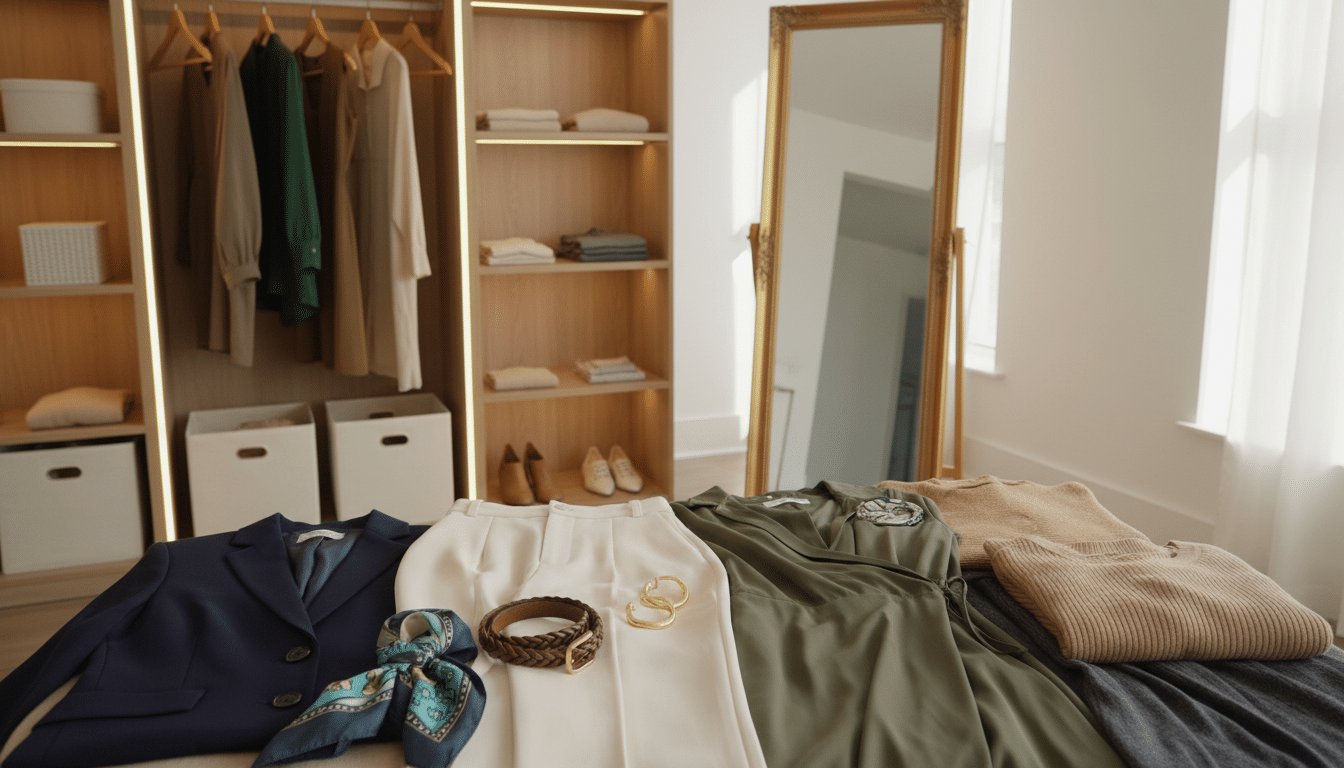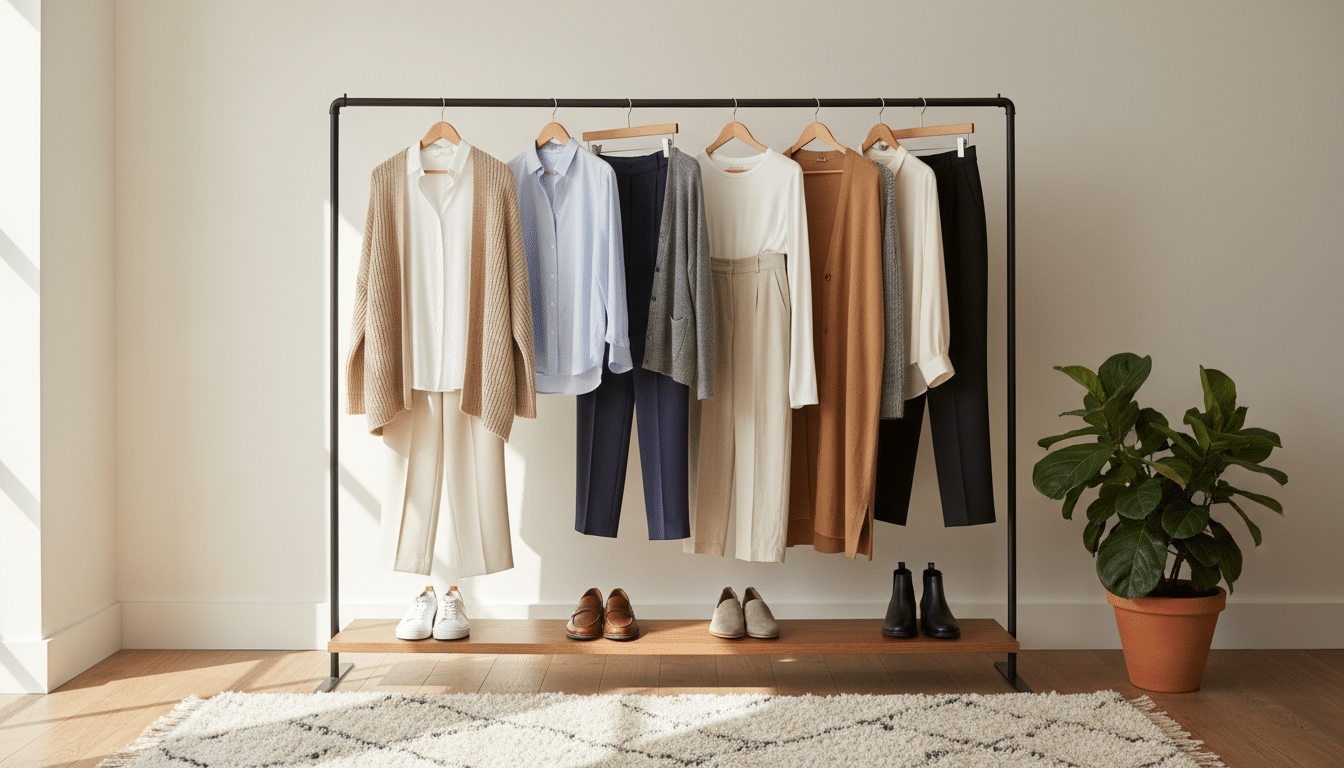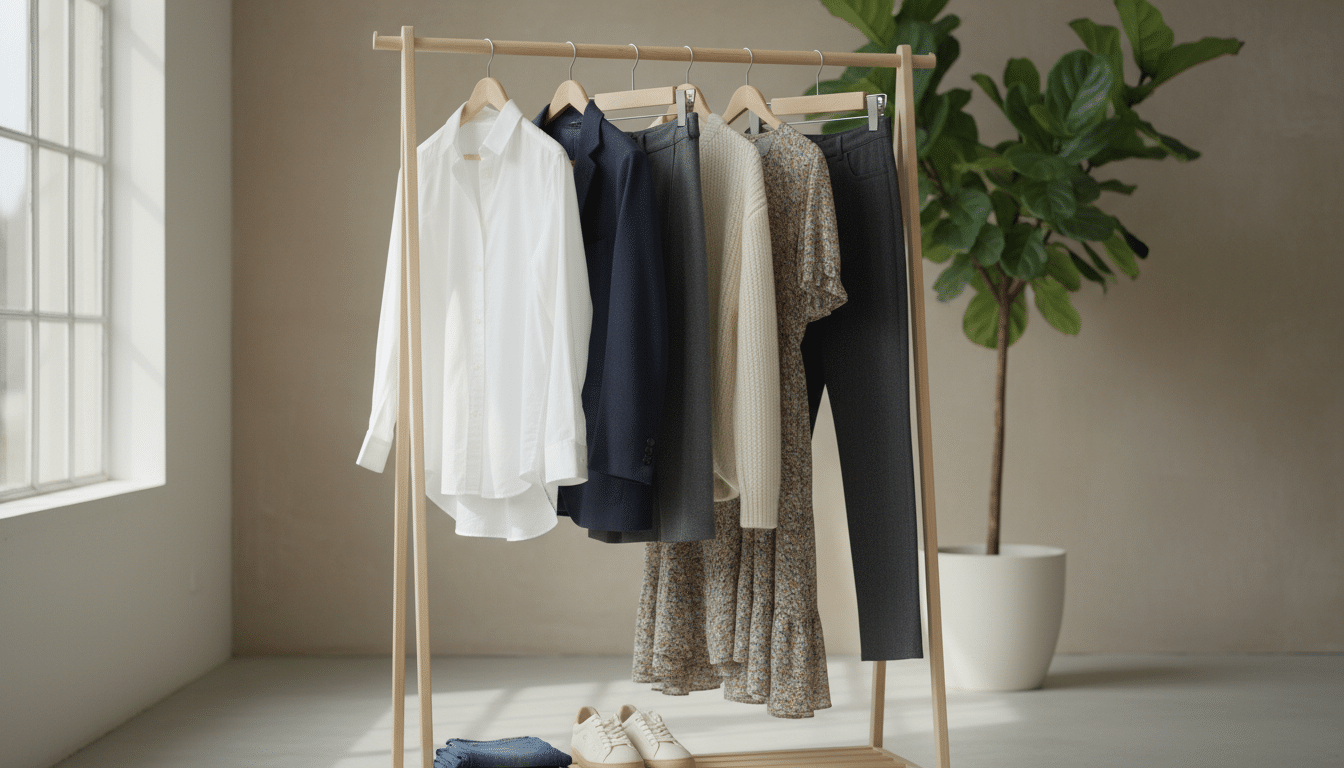
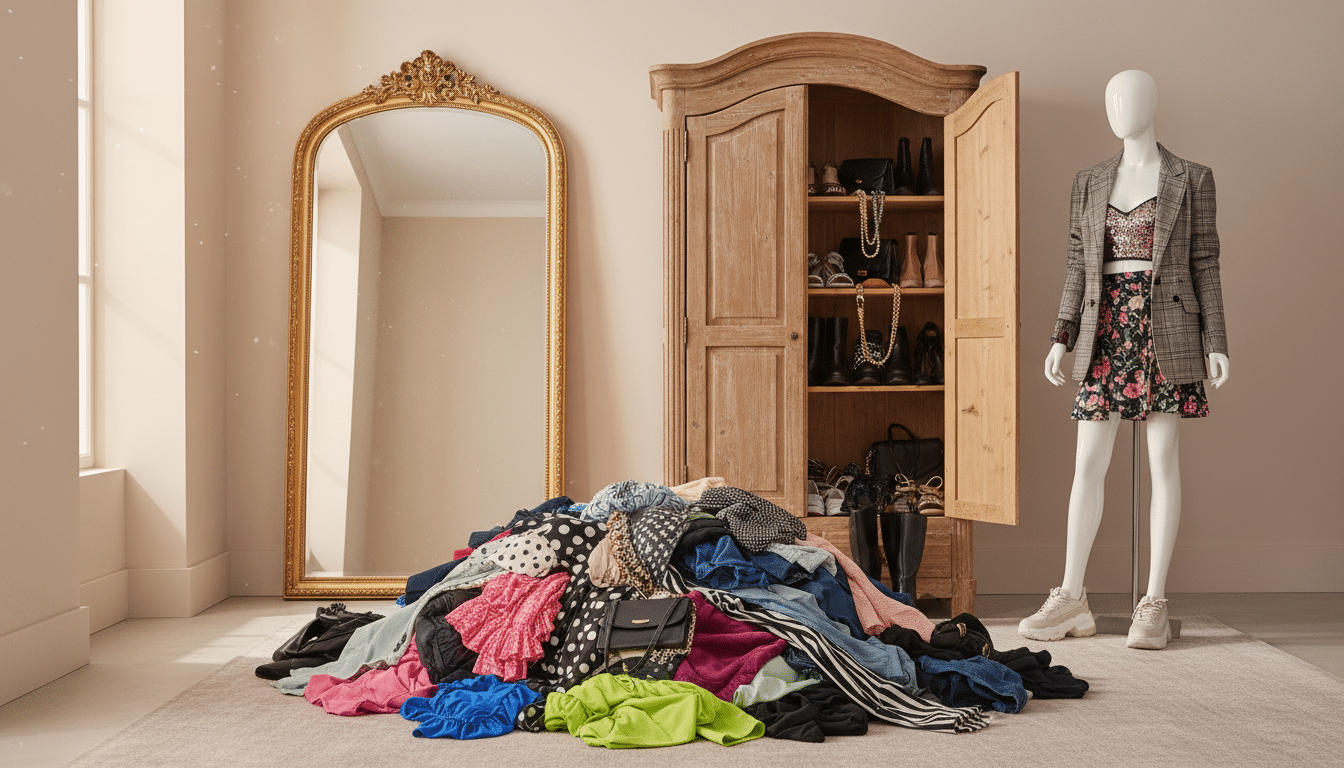
I know how it feels when you try a capsule wardrobe and the idea that it should be perfect turns fun into pressure.
That first sentence is honest: this guide is about the common errors people make and small fixes that calm your closet and free up your mornings. I speak from real mornings—where a few quick swaps made outfits feel easier and more like me.
We’ll set expectations: you don’t need strict numbers or a social-media checklist. A capsule is just a smaller, intentional edit of what you already love. Expect fewer decisions, less clutter, and more wearable outfits that fit your life—without feeling boxed in.
Key Takeaways
- Most frustration comes from thinking you must follow a rigid list.
- Small edits—donating or pairing—often fix the biggest errors fast.
- Your right edit depends on laundry, climate, and daily routines.
- Impulse buys and duplicate pieces usually create the biggest clutter.
- You can tweak your collection in an afternoon and refine over time.
- Focus on wearability and comfort, not social-media perfection.
Why a capsule wardrobe can feel hard at first (and why it’s not just you)
When you try shrinking what you wear, you might feel like you broke a rule rather than found freedom. I remember staring at a pared-down closet and wondering if I’d missed the secret list of essentials.
That pressure often comes from online rules that promise a one-size-fits-all system. But your work week, weekends, climate, and comfort needs won’t match anyone else’s. Treat guidance as a helpful hint — not a test.
The “rules” you see online weren’t made for your real life
Many lists assume the same neutral palette, the same item counts, and the same daily routine. That’s why you can feel out of sync even when you follow the steps exactly.
What you’re aiming for instead: less stress, more outfits you actually wear
Aim for fewer decisions in the morning and fewer panic buys over time. My simple success check: if most of what you own gets worn and getting dressed is easier, you’re winning.
- Focus on wearable outfit formulas — three repeatable looks is a great start.
- Refine by wearing items; don’t over-plan on paper.
- Learn more about my approach on my about me page.
Capsule wardrobe mistakes to avoid when you focus too much on a number
An exact item number can turn a calming edit into a stress game. I’ve seen people feel boxed in by targets like 30 or 33, and I’ve felt that twinge myself.
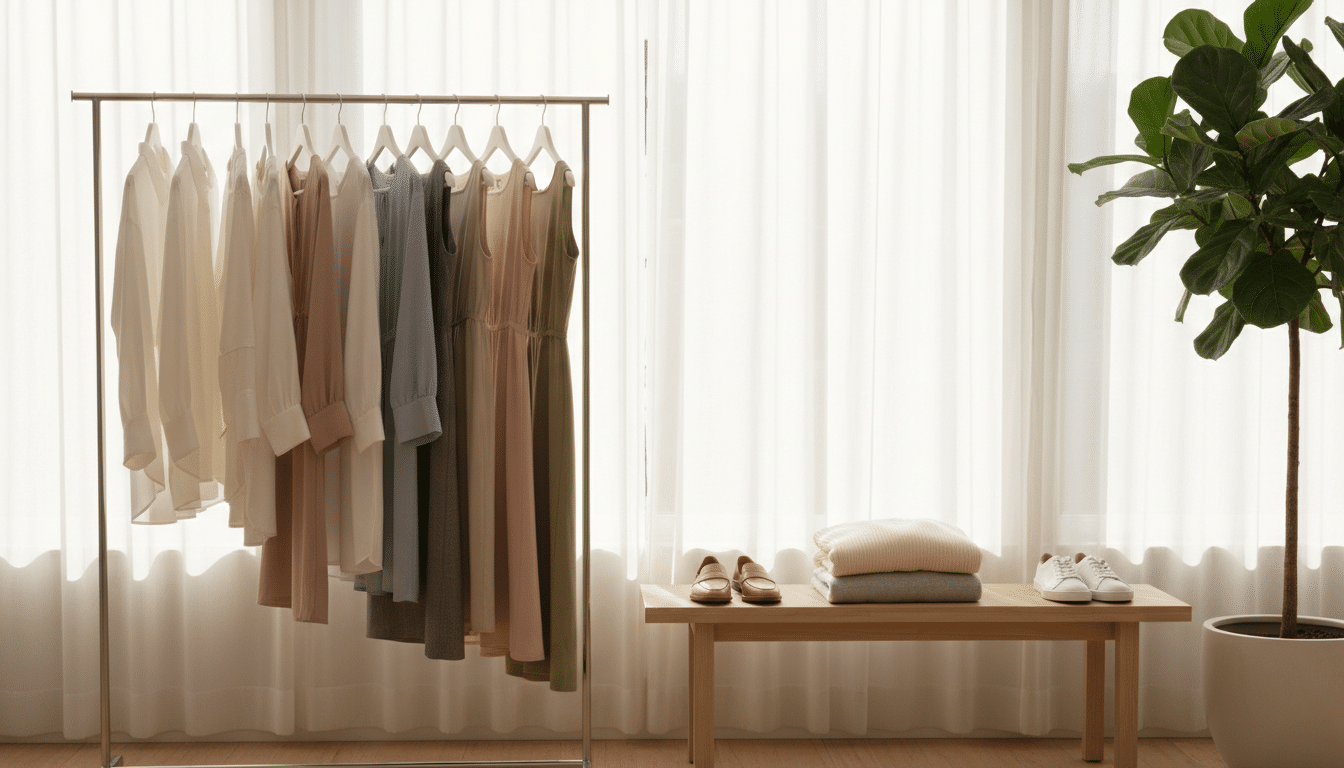
Why strict item counts can backfire
Rigid counts often make you choose between joy and guilt. You keep things you love and feel guilty, or you ditch favorites and feel deprived.
A kinder boundary: set an upper limit
Try an upper limit instead of a fixed tally. For many, about 100 total pieces — including shoes, bags, coats, and accessories — is where the closet starts to feel crowded.
How to find your own calm number
Watch your process. If getting dressed takes longer or you keep “saving” clothes for later, your limit might be too high. If you repeat the same outfits, the problem is wearability, not the number.
- Short experiment: try Project 333 for a month as a test, not a rule.
- Adjust seasonally — your number can change with winter coats or summer dresses.
- Keep it kind: the goal is ease, not punishment.
Shopping too soon instead of testing what you already own
It’s tempting to fix a gap with a purchase, but a short pause can teach you more about your taste. When you shop mid-capsule your closet becomes a half-finished project. You focus on what’s missing rather than what works.
A short shopping ban that actually works
Try a week, a month, or a full season without buying. That forced pause nudges you into testing outfits. Wear one pair of jeans three ways. Rotate shoes for five days. Note what you reach for on rushed mornings.
Make a wishlist, not a cart
When an impulse strikes, write it down. A saved list—digital or paper—lets the feeling pass. After a few weeks, revisit the list and ask if the item still matters. Often it doesn’t.
When it makes sense to shop again
I shop after a seasonal capsule ends—about every three months. That way I buy based on real gaps, not mood. This habit stops sneaky clutter like a fourth black tee on sale.
| Ban Length | What you learn | Best result |
|---|---|---|
| 1 week | Spot quick urges | Fewer impulse buys |
| 1 month | See repeat outfits | Clear style patterns |
| 1 season | Test seasonal needs | Better seasonal capsule choices |
Building a capsule that doesn’t match your lifestyle
If your closet doesn’t reflect how you spend weekdays and weekends, getting dressed stays hard. Start with a quick week map: list work days, casual days, errands, and nights out.
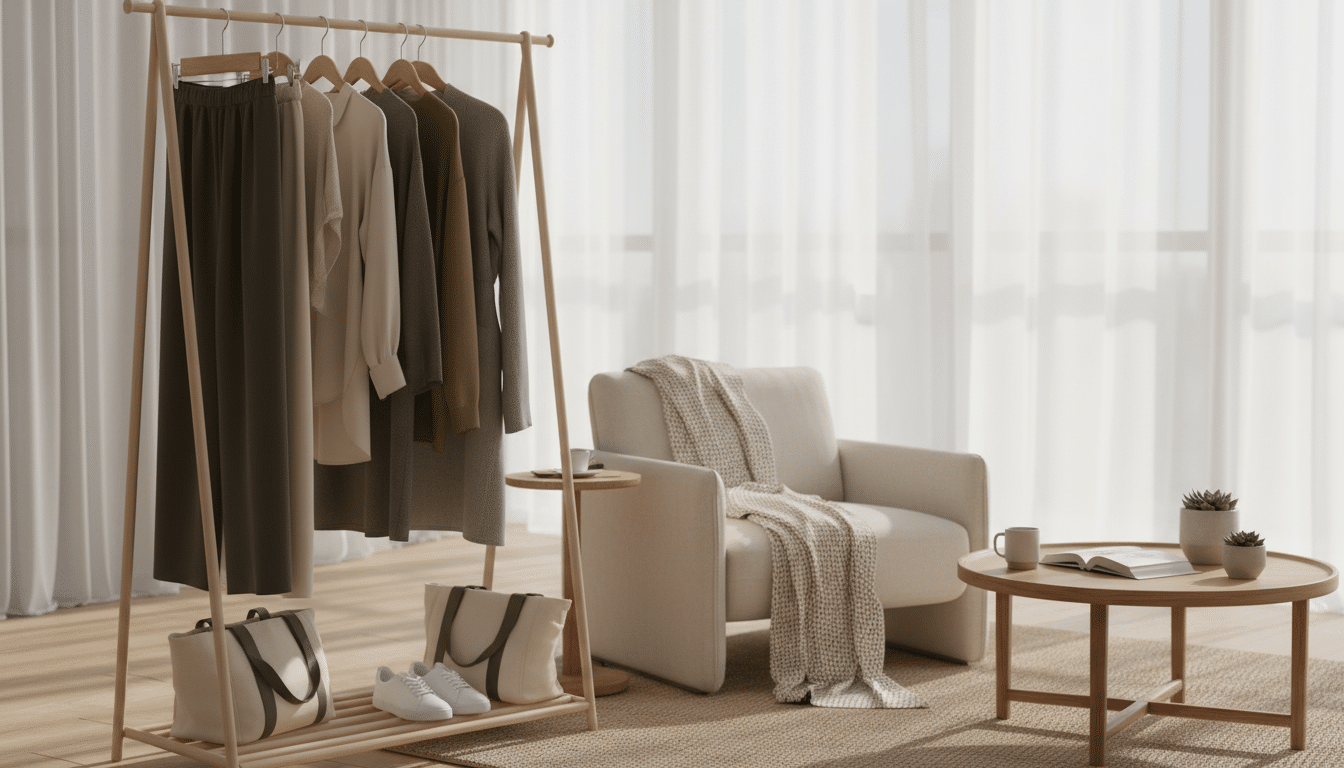
Map your real week
Ask: how many days do you work outside the house? How many days are relaxed? How often do you run errands or meet friends?
- Example: 3 office days, 2 work-from-home days, 2 weekend errands.
- Match clothes and items to those patterns, not an online checklist.
Laundry and repeats
If you wash once a week, plan underwear, socks, and workout gear accordingly. Repeating a favorite top is fine—it shows your edit works.
Seasonal differences
Summer and winter call for different pieces. A seasonal capsule means lighter fabrics in heat, layers in cold. Track what you actually wear during each season; adjust the creating capsule wardrobe process from there.
| Lifestyle | Common days | Suggested core items |
|---|---|---|
| Office-heavy | 4 work days, 3 social | 4 blouses, 3 trousers, 2 blazers |
| Remote/active | 2 office, 5 casual/errands | 3 tees, 2 joggers, 1 smart jacket |
| Split life | 3 work, 2 kids, 2 nights out | 3 dresses, 2 denim, 2 layering pieces |
When your edit fits daily life, mornings get easier fast. That’s the best part.
Copying someone else’s capsule instead of building your personal style
Following another person’s essentials often buys you outfits that fit their life, not yours.
I get why a ready-made list feels like relief. It promises rules and quick decisions. But if a “must-have” piece doesn’t match your rhythm, it sits ignored and costs you real wear and money.
Why “must-have essentials” lists can waste your money
People read a list and buy the trench, the black leather jacket, or the perfect straight-leg jeans because someone said they are essentials.
Then those items become closet decor. Editors call them classics. You might never wear them. That’s the waste.
How to use inspiration without turning it into a checklist
Steal outfit formulas, color pairings, or proportions—not shopping lists.
- Copy a look: blazer + tee + jeans, then swap each piece for what you already own.
- Scribble a wishlist, then test one look before shopping.
- Ask: does this suit my days and my comfort?
Fit, silhouettes, and comfort matter more than trends
Notice what you repeat. Oversized sweaters? High-rise jeans? Midi dresses? Those repeats reveal your true personal style.
Wear what fits and feels good. Trendy items can sit pretty, but comfort makes you reach for them again and again.
Choosing colors that don’t play well together (or don’t feel like you)
When your clothes don’t speak the same color language, mornings become noisy. That noise makes getting dressed harder than it needs to be.
I promise neutrals aren’t required. Your palette can include bold hues and still work for a capsule wardrobe that fits your life.
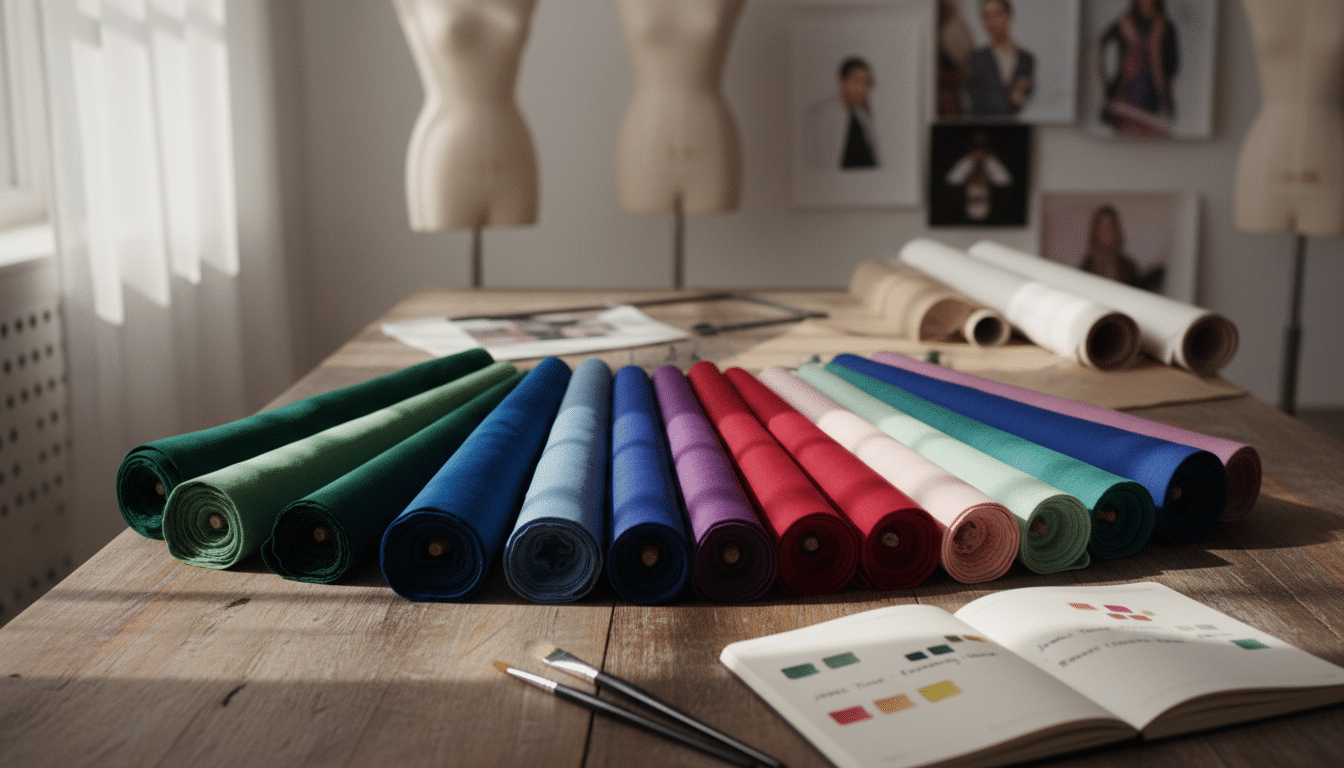
Quick closet audit: love, like, don’t like
Make three piles: love, like, don’t like. Spend an hour and be honest—no guilt.
Look for repeats in color, print, and fabric. If maroon lands in love every winter, note it. If neon tops sit in don’t like, cross them off future shopping lists.
Outfit photo tracking
Take one quick photo each day for a month. At month’s end, scan the images and mark what you wore most.
That visual audit shows the palette and styles you actually reach for. Use it seasonally—your favorites may shift by time of year.
| Method | What you do | Key benefit |
|---|---|---|
| Three-pile audit | Sort clothes into love/like/don’t like | Immediate palette clues |
| Photo tracking | Daily outfit photos for a month | Real wear patterns |
| Review + shop | Buy only within noted palette | Saves time and money |
Once you know your palette, shopping gets easier. You stop trying on colors that never feel like you. That’s a simple way to make your style feel calm and honest.
Keeping too many duplicates that quietly clutter your closet
It’s surprising how a closet full of repeats can leave you feeling like you have nothing to wear.
Duplicates hide in plain sight: a lot of similar tees, two near-identical sweaters, several black dresses that all feel “almost” right. That noise makes choices harder. You may reach for nothing because you keep comparing versions—and that drains confidence.
How duplicates can make you feel like you have “nothing to wear”
Try this quick test: pick the single best black tee, the best jeans, and the best pair of shoes you actually wear most. If one item clearly wins, the runner-ups are costing you clarity.
Letting go isn’t about strict rules. It’s about keeping pieces that make you feel like yourself when you step outside the door.
When multiples are actually smart
There are real exceptions. If you found holy-grail jeans that fit perfectly, a backup makes sense. Same for a perfect white tee you wear daily.
Prefer quality for backups. A well-made spare lasts longer and saves money over time. Buy one extra in a core color—not a lot of versions that compete.
- Rule of thumb: duplicates add clutter when they compete; keep multiples when they support routine.
- Practical reasons for extras: laundry cadence, daily wear, discontinued styles.
- Emotional check: if a piece causes guilt or doubt, it likely shouldn’t stay.
| Situation | Why it happens | Smart choice | Example |
|---|---|---|---|
| Many similar tops | Impulse buys or small differences | Keep the best one; donate or sell rest | Three black tees, keep the favorite |
| Core daily items | High wear and easy stains | Buy one quality backup | Perfect white tee or favorite jeans |
| Seasonal repeats | Different weights or hues | Keep distinct versions only | Light knit vs. heavy knit sweaters |
Creating a capsule for your “fantasy self” instead of your current body and life
We often build a closet for who we wish we were next year, not who we are this morning. That creates a slow churn of guilt and unused pieces. I’ve done it—keeping tiny dresses and sky-high shoes as motivation for years.
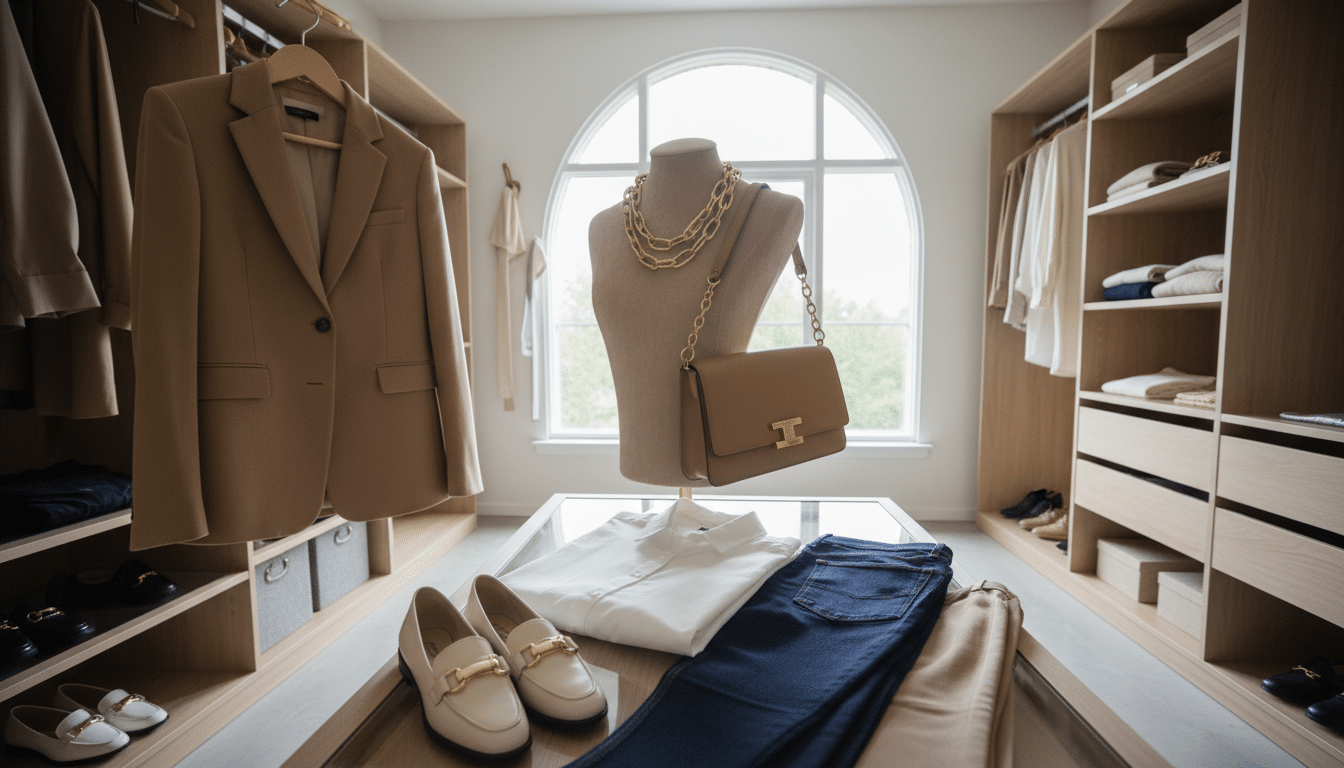
Common fantasy-self traps
Special-occasion dresses with nowhere on the calendar. Smaller sizes kept as a promise that never arrives. Heels that look great but hurt after ten minutes.
These items sit in your main closet and make getting dressed stressful. They whisper “someday,” and you end up sorting through regret each morning.
Finding a middle ground
Pick the vibe you want: polished, edgy, or elegant. Then find wearable versions that suit your life.
- Polished: a sharp blazer with clean sneakers.
- Elegant: a silk scarf or a low-heel flat instead of towering heels.
- Edgy: a leather-look jacket with a comfortable tee and jeans.
This keeps the feeling you crave without sacrificing comfort or fit. Honor your current body—clothes should make dressing easy, not a battle.
What to do with maybes
Move “maybe” items out of sight. Use a labeled bin and set a calendar reminder for three months or a year.
If you haven’t reached for them by that date, sell or donate them. If they still matter, bring them back and reassess the pieces and your life changes over the years.
Missing the small stuff that makes outfits work
Small missing details often make the best clothes feel incomplete. You can have strong core pieces, yet a thin camis, a neutral bag, or the right shoes will finish or fail an outfit. These little supports are what make a capsule feel wearable every day.
Basics and layers that make the capsule feel wearable day-by-day
Keep a few lightweight layers: camis, long-sleeve tees, and a neutral cardigan. They let you tweak warmth and shape without new shopping. For cold weather, add a weather-friendly outer layer that matches your routine.
Shoes and bags: the collection isn’t just clothes
Shoes and a couple of versatile bags finish looks. Pack a comfortable sneaker, a smart flat, and one dress shoe. A crossbody and a tote cover errands and evenings.
Visibility and simple closet upgrades
Hang what you can. Fold heavy knits and store them flat. Use slim, matching hangers so the space feels calm. Fold drawers vertically so you can see every item at once.
Care and quality habits that help pieces last
Follow care labels. Use a fabric shaver for pills. Keep a full-length mirror by your door for quick checks. These small practices save time and keep outfits looking sharp.
| Small item | Why it matters | Quick fix |
|---|---|---|
| Camis or layering tee | Smooths fits, adds warmth | Buy one neutral, wear under shirts |
| Versatile shoe pair | Makes day-to-night looks work | Choose comfort-first with neutral color |
| Slim matching hangers | Improves visibility, saves space | Replace bulky hangers gradually |
| Fabric shaver | Restores knit quality | De-pill knits every few washes |
Conclusion
Think of your closet as a project that grows with your life, not a test you must pass. I’ve found that learning faster matters more than never making a mistake.
If most of what you own feels loved and gets worn—aim for about 80–95%—you’re on the right path. Small experiments beat big overhauls. Pick one change this week: a short shopping pause, a quick color audit, or clearing a duplicate pair of jeans.
Rules are optional. Let your daily rhythm guide the process. Review each season, note what you actually wore, and tweak slowly rather than starting over each year.
In the end, build a capsule wardrobe that supports your day. You deserve clothes that make life easier—one calm step at a time.