I know how tempting it is to fall back into hiding insecurities with smart dressing when mornings feel rushed or moods are low, and you want clothes that help rather than hide. I’ll talk to you like a friend: simple moves that boost confidence and make outfits easier to pick.
Start small: a well-fitted blazer, a crisp shirt, dark jeans, and clean shoes give you a reliable base. Layering—think a leather jacket over a flannel and tee—lets you guide attention where you want it, while neutrals like navy, gray, beige, black, and white keep mixing simple.
You’ll get clear steps on fit, purposeful layers, and using color to lift your mood. I’ll share quick outfit maps for work, date night, and casual days so your wardrobe works hard and you feel good when you dress.
Key Takeaways
- Fit comes first — clothes that move with you make dressing easier.
- Layer with texture to control where eyes land.
- Keep a neutral palette and add small pops when ready.
- Use one focal feature—neckline or accessory—to boost confidence.
- Simple outfit maps cut decision fatigue for busy days.
- Try quick tweaks this week and notice how you feel.
- For extra support, check practical tips on getting dressed when you’re not feeling it: getting dressed guide.
Let’s talk about feeling seen, staying you, and getting dressed today
My goal when I get dressed is simple: feel ready for people and the day, while staying true to my style.
Clothing often speaks before you do. When an outfit matches who you are, it makes you feel capable and calm. That shift in mood is real — research calls it enclothed cognition — and it often lifts confidence and performance.
I keep mornings practical. I ask three quick questions: Do I feel like myself? Can I move freely? Would I wear this all day?
- I know wanting to be seen doesn’t mean wanting extra attention from others.
- Picking pieces that make you feel steady beats following every trend.
- A simple outfit that fits your body and style can help you feel confident around people.
| Quick Check | What to Ask | Why it Helps |
|---|---|---|
| Feel true | Do I feel like myself? | Aligns outfit with your style so you relax |
| Move | Can I move comfortably? | Prevents fidgeting and steady confidence |
| All-day | Would I wear this all day? | Keeps looks practical and good for real life |
Start with fit: how I choose clothes that actually make me feel good
Start by choosing a fit that lets you move and feel like yourself all day.
I begin with quick measurements: bust, waist, hips, inseam, and shoulders. Those numbers help me read a size chart, but I never stop there.
Take simple measurements, then try on with movement
I try on the piece and move. I sit, reach, twist, and walk. If fabric pulls or the seams ride, it’s not the right fit.
- I check the bust and button gaps on shirts and shirts with buttons.
- I bend and walk in dresses to make sure hems stay put and the dress glides over my ribcage.
- I sit and squat in pants to confirm the waist doesn’t dig and the line over my thighs stays smooth.
What “skimming, not squeezing” looks like
Skimming means the clothing follows your shape, not clings. A shirt should glide over your midsection.
If something almost works, I note where tailoring would help—a nip at the waist or a hem fix can turn a good piece into a great one.
| Piece | Fit check | Why it helps |
|---|---|---|
| Shirt | No gaping, shoulder seams at edge | Comfort and clean line |
| Dress | Glides over ribcage, hem steady | Makes movement easy |
| Pants | Waist fits, smooth over seat | Less fidgeting, better posture |
Layer with purpose so you control where eyes go
A few smart layers change how your whole look reads and where eyes naturally rest. I keep layering simple so clothing feels intentional, not fussy.
Texture stacking that works
Texture is quietly powerful. I pair rough leather with soft flannel and a plain white shirt to draw positive attention to the upper body.
Light-to-heavy order
I start thin and build up: a fitted base, a mid-layer for shape, then a structured top layer. This order flatters most body types and keeps lines clean.
Warm vs. cool days
On warm days I pick breathable fabrics like cotton tees and open-weave knits and skip bulky linings. On cool days I add fleece or a lined jacket, but keep the base fitted so the outfit still reads sleek.
- I group colors by tone: neutrals outside, a gentle pop inside to guide attention.
- One standout piece per outfit—textured jacket or patterned scarf—keeps focus calm.
- Let sleeves peek out a touch; that small contrast sharpens the whole look.
| Situation | Layer combo | Why it works |
|---|---|---|
| Casual cool day | White shirt → flannel → leather jacket | Mixes fabrics for interest; draws eyes up |
| Office layering | Poplin shirt → thin knit → unlined blazer | Maintains clean lines and professional shape |
| Warm afternoon | Cotton tee → open-weave cardigan | Breathable, light, avoids bulk |
Use color like a tool, not a test
Using color is more about small choices than a big fashion test. I start every outfit with a neutral base so decisions feel easy and calm.
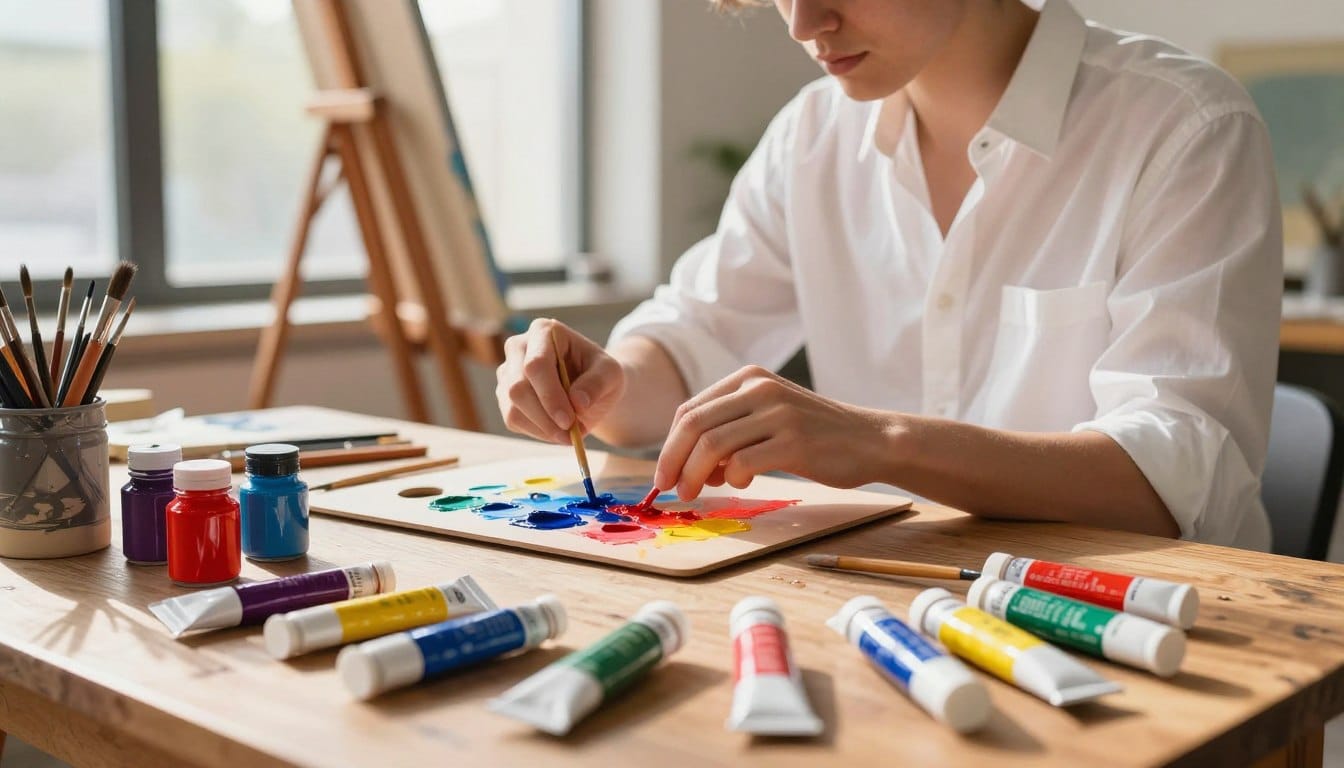
Neutrals that ground outfits: black, white, navy, beige, gray, tan. These let you mix pieces fast and make styling less stressful.
Bright pops that lift mood
When I add color, I keep it to one piece — a tee, scarf, or bag. Try reds, pinks, or greens paired with neutrals to dial up brightness without overwhelming the look.
Where to place darker shades
To downplay the belly or waist, I put darker tones at the midsection and lighter shades near the face. That shift makes the eye travel up and helps clothes make look balanced.
- Navy dress plus a tan belt draws attention without feeling loud.
- Black tee under a beige blazer sharpens the line.
- If bright green scares you, try olive; if true red feels strong, pick berry.
| Placement | Example | Effect |
|---|---|---|
| Top | Light blouse or colorful scarf | Lifts face, draws attention upward |
| Middle | Darker belt or mid-layer | Downplays belly and waist |
| Accessories | Shoes or bag | Adds color without risking the whole outfit |
Direct attention: highlight one thing you love
Choose a single feature to spotlight and build the rest of your look around it. That one choice makes getting dressed easier and helps your outfit feel intentional.
I often pick eyes, shoulders, or the neckline as my focal point. Then I use sleeves, collars, or jewelry to pull attention upward.
A V-neck, scoop, or boat neck draws the eye toward your face. Soft puff sleeves or bracelet sleeves lift the shoulder line and feel feminine without fuss.
Necklines, sleeves, and accessories that pull focus upward
- I pick one feature to highlight—eyes, shoulders, or neckline—and build the outfit around it.
- A pendant necklace or statement earrings draw attention to your face and away from any single part you worry about.
- If you’re self-conscious about the midsection, choose a top with gentle drape and add a scarf or bold earrings to lead the eye up.
Using prints to blur lines and soften any single spot
Full patterns that run all over help blur lines and keep eyes moving. Small, tight prints do the same by avoiding one obvious stopping point.
I avoid stacking more than one strong focal point. One bold detail reads more confident than three competing ones.
| Focus | What to try | Why it works |
|---|---|---|
| Neckline | V-neck or scoop; or see a neckline guide | Pulls attention upward to the face |
| Sleeves | Puff, bracelet, or cap sleeves | Highlights shoulders and creates balance |
| Prints & accessories | All-over pattern or one bold earring/pendant | Keeps eye movement steady and softens one spot |
Dress for the setting so you feel at ease around people
A simple plan for work, date night, and casual days makes getting ready feel calm and quick.
Work, date night, and casual days: simple outfit maps
I keep three outfit maps saved so I don’t waste time deciding. Matching your outfit to the place lowers self-doubt and boosts confidence.
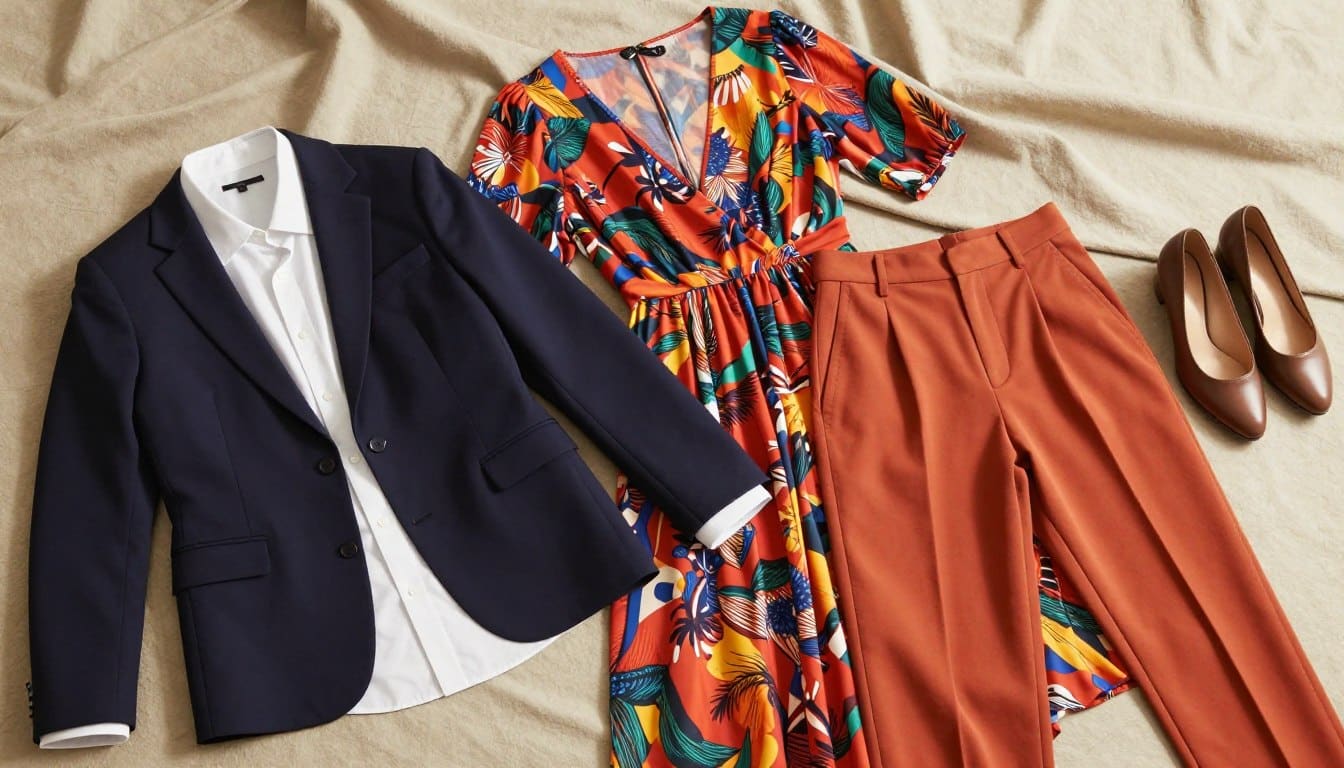
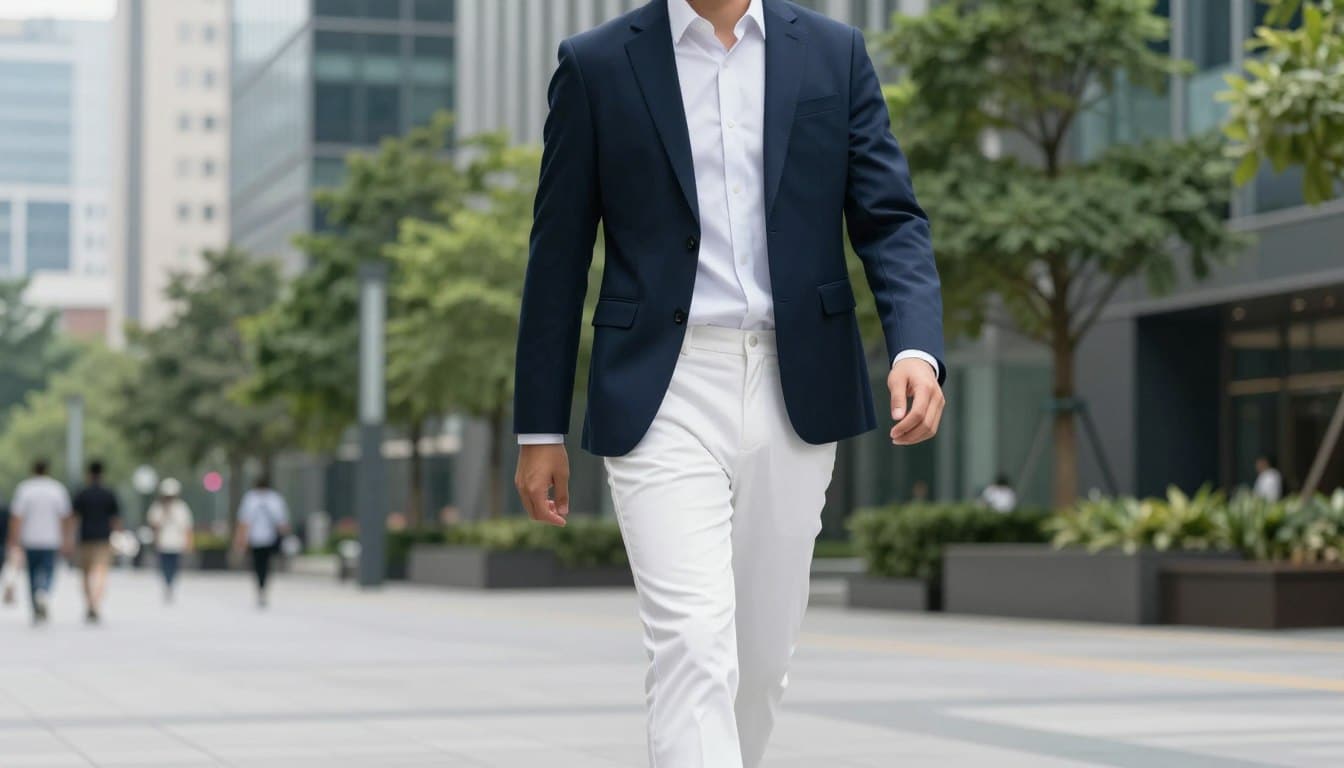
- Work: blazer, crisp top, tailored pants or a simple dress, and clean shoes. Neutral base, one small accent.
- Date night: fluid blouse with dark jeans and heels, or a midi dress plus a jacket. One standout accessory to feel special.
- Casual days: fitted tee or knit, dark jeans or joggers that hold shape, and clean sneakers or flats.
- If a place feels dressy, add a structured layer. If it’s laid-back, pick softer fabrics and simple jewelry.
- I check the plan and the people I’ll see so I match the vibe without losing myself.
| Situation | Key pieces | Why it helps |
|---|---|---|
| Work | Blazer, tailored pants or dress, clean shoes | Looks put-together and steady; saves time in the morning |
| Date night | Midi dress or blouse + dark jeans, one accessory | Feels special without overthinking; raises confidence |
| Casual | Fitted tee or knit, dark jeans/joggers, sneakers | Comfortable, presentable, and easy to move in |
I keep a short list of go-to combos in my phone so I can grab and go when time is tight. When I land in the right zone for the setting, my confidence rises because I’m not second-guessing my outfit.
That small clarity makes fashion feel practical, not fraught.
Build basics that work hard on busy days
When time is tight, basics that do the heavy lifting make getting dressed nearly automatic.
I build my wardrobe around a few workhorse pieces that pair with almost anything. These staples save time, reduce decision fatigue, and keep me feeling steady all day.
The reliable pieces I reach for
- A crisp shirt that cleans up any look.
- Dark jeans or tailored trousers that move well.
- A simple black or navy dress that goes day to night.
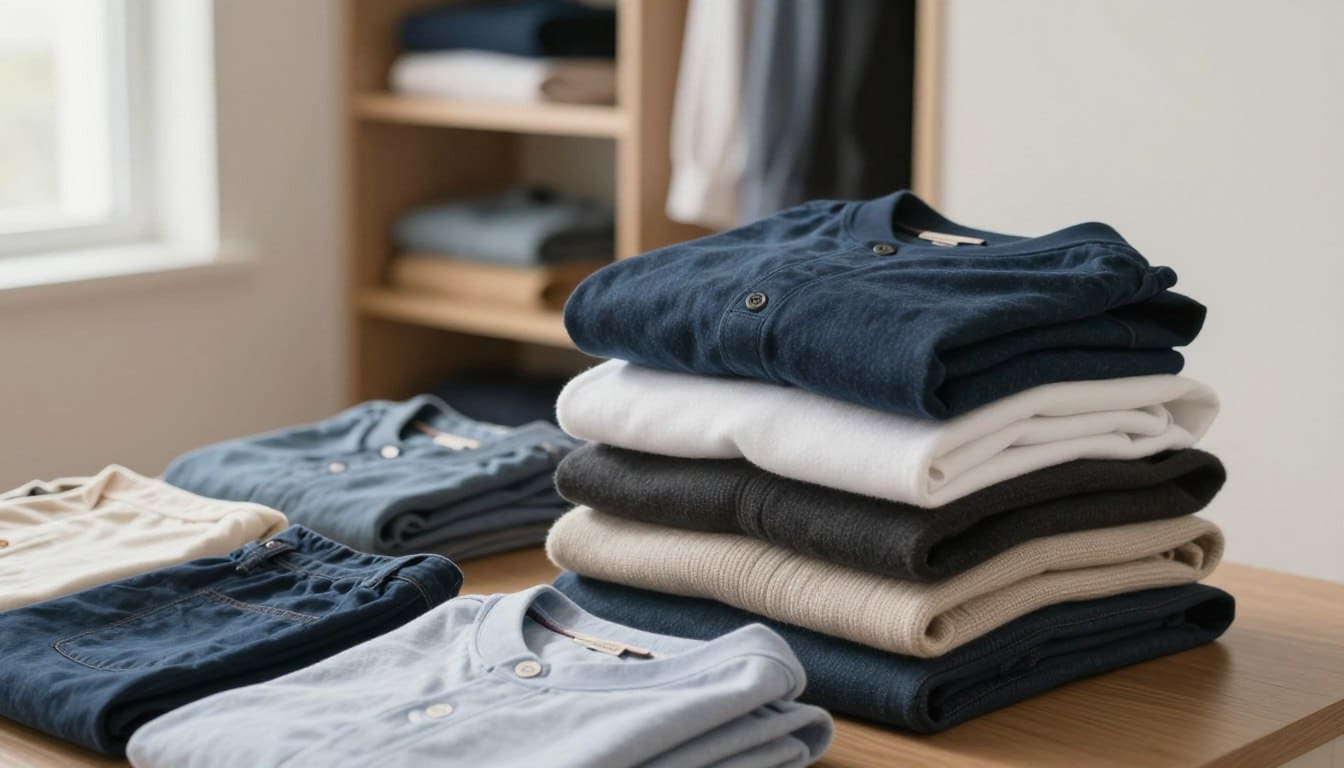
- A neutral sweater and a well-fitted blazer or jacket.
- Clean, supportive shoes for comfort on the go.
I pick fabrics with a touch of stretch so I can move without fuss. I keep duplicates of my most-worn items so laundry doesn’t derail plans. Small details—like a neat cuff or a textured knit—keep basics from feeling boring.
| Piece | When to wear | Why it helps |
|---|---|---|
| Crisp shirt | Work, meetings, quick errands | Polished instantly; pairs with jeans or a suit |
| Dark jeans | Casual days, date night | Versatile; looks neat and feels comfortable |
| Simple dress | Office or evening | One-piece outfit that saves time |
| Blazer / jacket | To sharpen casual looks | Adds structure and pulls an outfit together |
hiding insecurities with smart dressing: practical steps you can try this week
Try a short, repeatable plan this week so getting dressed feels calm instead of chaotic. Small steps reduce stress and help clothes support your mood.
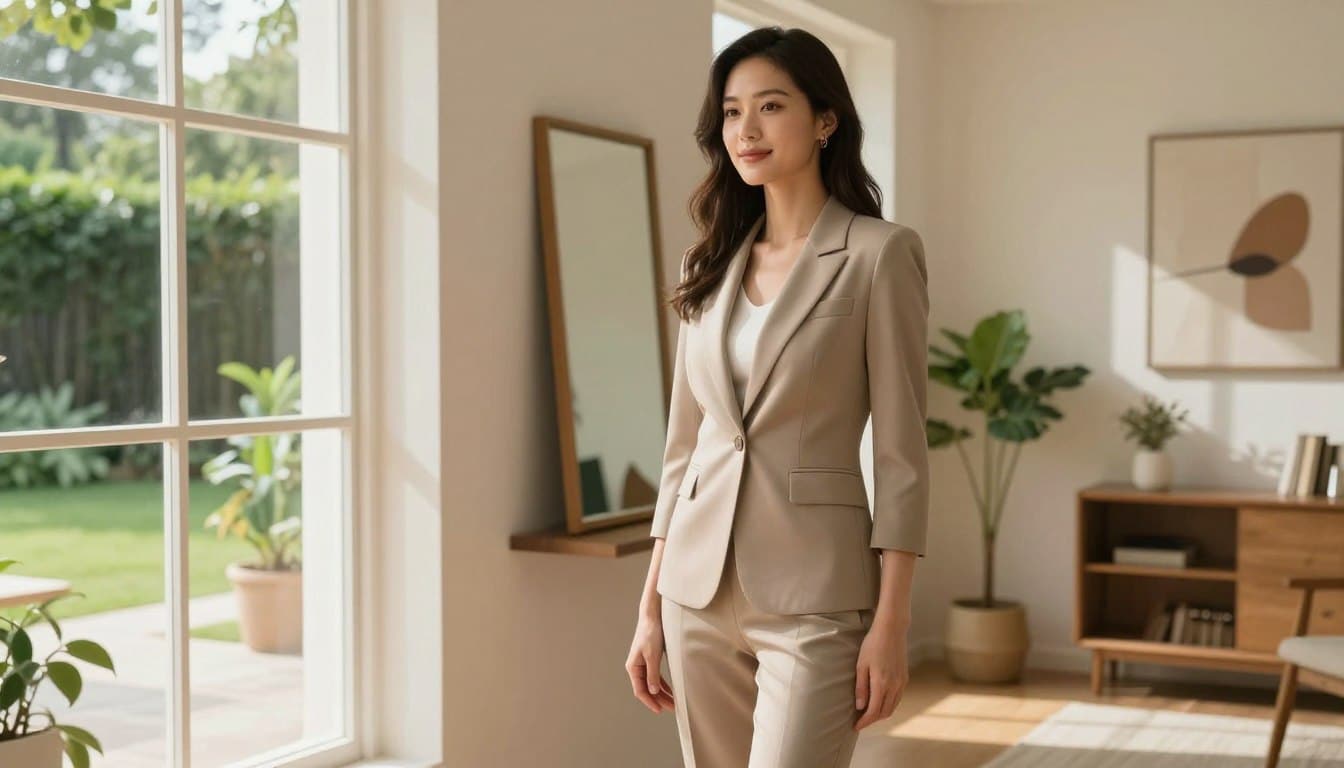
Plan outfits ahead to cut stress and boost calm
I plan my outfit the night before so morning-me has less to think about. I lay out every part—clothes, shoes, underwear, and accessories—so I don’t hunt at the last minute.
Fit check, comfort check, mirror check
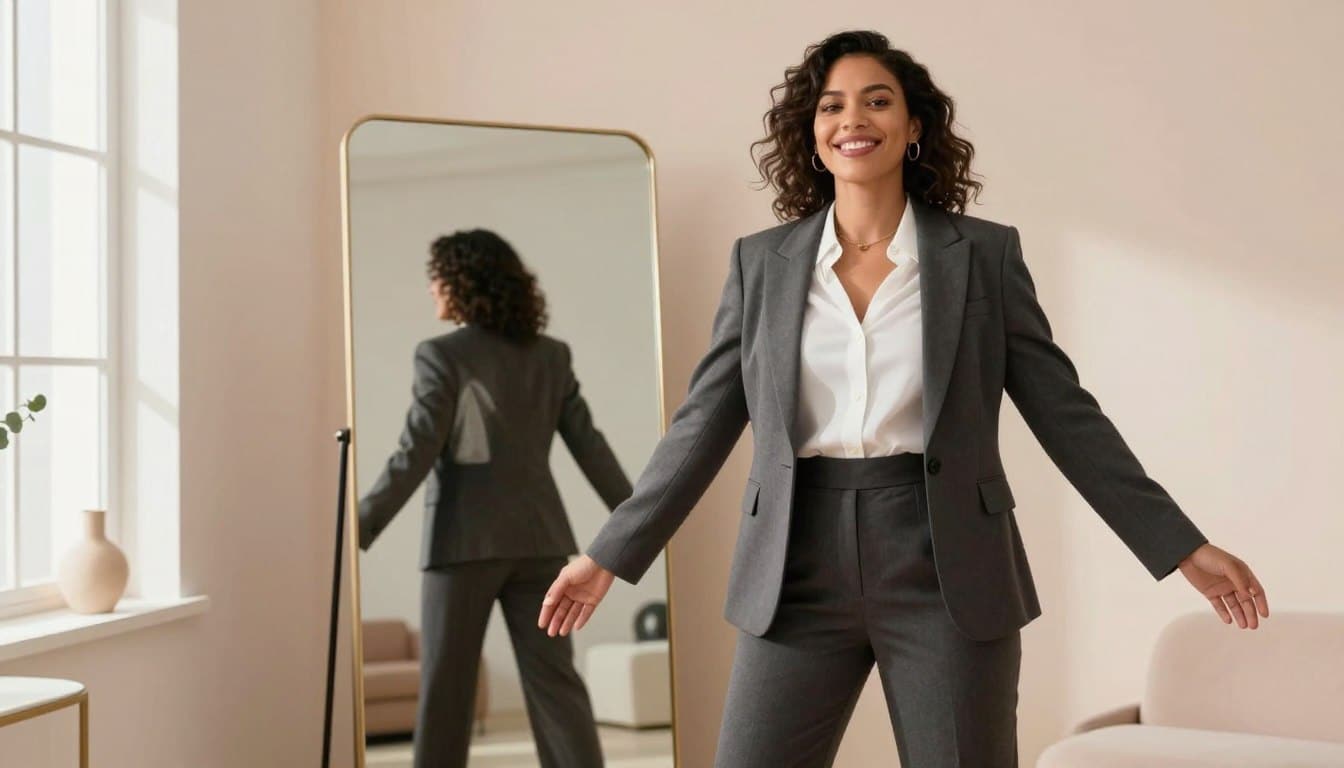
Before I walk out the door I run three quick checks: fit (can I move?), comfort (do I feel relaxed?), and mirror (do I like the shape and balance?).
One change at a time: swap in a jacket, better fabrics, or a new color
Make one tweak per try: swap a clingy top for a drapey one, add a structured jacket, or pick a breathable fabric. Small swaps take little time but often lift confidence.
- I plan outfits the night before—less stress, more calm the next day.
- I set out every part so I’m not hunting at the last minute.
- Do the three checks: fit, comfort, mirror—then go.
- Change one thing at a time: fabrics, a jacket, or a pop of color.
- Keep one backup outfit ready for days plans shift.
- Lean on neutrals and one uplifting color on hard days.
- Take a photo of looks that make you feel good so you can repeat them.
| Check | What to do | Result |
|---|---|---|
| Fit | Move, sit, reach | Less fidgeting, steadier posture |
| Comfort | Assess fabric and ease | More calm all day |
| Mirror | Look for balance and focus | Outfit reads intentional |
These steps are a short, practical guide to help you feel good more days. Tiny wins add up—over time your style will feel easier and more like you.
If you love bodycon, here’s how to wear it with confidence
Love a fitted dress? Small tweaks can help it sit right and make you feel confident all day. I keep things practical and kind to your body when I choose a bodycon.
Color choice: why darker tones can feel safer at first
Start with darker colors like black, navy, or deep burgundy. They ground the look and let you test the style without feeling exposed.
Texture and ruching that soften the midsection
Ruching or textured fabrics disguise the belly and waist while adding shape. Thicker stretch fabrics hold curves without squeezing, so you can move and still feel comfortable.
All-over patterns that keep eyes moving
Small-to-medium prints help the eye travel across the dress instead of stopping in one spot. An all-over pattern can soften lines and make a bodycon read more relaxed.
Shapewear and tailoring: when a tiny tweak changes everything
Seamless shapewear that breathes and doesn’t roll can smooth a line under a dress. A minor hem lift or taking in side seams a touch often fixes the fit more than you expect.
- Dark colors first: black, navy, burgundy.
- Ruching or textured stretch keeps the midsection soft.
- All-over prints distract the eye and flatter curves.
- Try breathable seamless shapewear and small tailoring tweaks.
- Accessories near the face and a light jacket can pull focus upward.
| Tip | Example | Why it helps |
|---|---|---|
| Color | Black or deep navy dress | Feels secure and polished |
| Texture | Ruching or ponte knit | Softens belly and waist lines |
| Support | Seamless shapewear | Smooths without rolling |
Occasion-smart outfits without overthinking it
When you need to look put-together fast, a few easy outfit templates will carry you through any occasion.
I keep these quick combos handy so I don’t think too hard before I leave the house. Each one centers on a reliable piece that boosts confidence and makes the rest feel easy.
- Work meeting: blazer + knit top + tailored pants + clean loafers. Swap the knit for a crisp blouse for extra polish.
- Team lunch: cardigan + striped tee + dark jeans + low block heels. A scarf lifts the look without extra effort.
- Dinner out: midi dress + light jacket + ankle boots. Add one statement earring to frame your face.
- Weekend brunch: soft button-up + straight jeans + white sneakers; sleeves pushed up for a relaxed finish.
- Evening event: simple sheath dress + structured coat + sleek pumps; one bold cuff or clutch is enough.
- Travel day: breathable tee + pull-on trousers + supportive sneakers; pack a compact jacket to dress it up fast.
When in doubt, I pick one elevated piece—like a blazer or great shoes—and keep the rest simple. Think about day versus night and the temperature so you stay comfortable around people and feel steady in your look.
| Situation | Go-to outfit | Why it helps |
|---|---|---|
| Work meeting | Blazer, tailored pants, loafers | Projects authority and keeps you focused |
| Dinner out | Midi dress, jacket, ankle boots | Feels natural and a little elevated |
| Weekend | Button-up, straight jeans, sneakers | Comfortable, finished, and easy to move in |
| Travel | Breathable tee, pull-on trousers, sneakers | Comfortable and ready for quick changes |
Daily habits that quietly build your style confidence
Small daily habits add up faster than one big style overhaul.
I keep a short list of rituals that make clothing look finished and help me feel calm before I leave the house. They take minutes, but they change how I stand, move, and show up around others.
Posture, care, and tiny rituals that polish an outfit
I do a two-minute steam or quick iron so shirts look crisp. Wrinkle-free pieces instantly make me feel more put-together.
I keep a small care kit—lint roller, mini sewing kit, and stain wipes—to handle surprises. That saves time and stops outfit panic.
- I polish shoes weekly; neat shoes finish a look without effort.
- Good posture—shoulders back, chin level—lifts how clothes hang and boosts confidence.
- I set out tomorrow’s outfit each night so morning-me has less to think about.
- Simple grooming (hair tidy, nails clean) makes me feel good and ready for others.
- I rotate my wardrobe so favorites are easy to reach and I wear what makes me feel best.
- A five-minute closet tidy saves time all week and helps you pick outfits that feel intentional.
| Habit | Action | Impact that day |
|---|---|---|
| Quick iron | Steam or iron for 2 minutes | Clothes read polished and professional |
| Care kit | Lint roller, sewing kit, wipes | Fix small issues fast; less stress |
| Shoe care | Weekly clean or polish | Outfit feels finished with little effort |
| Evening prep | Lay out tomorrow’s outfit | More calm in the morning; saves time |
You don’t need a huge wardrobe change to feel more confident—one small tweak can do the job.
It’s normal to feel insecurities about your body. Media messages confuse us, but simple ways help: better fit, a thoughtful layer, and a color that lifts you. Try one thing today and notice the difference.
Keep a short list of go-to outfits in your closet. Repeat what works. These small tips build style and calm over time.
Be kind to yourself. Clothing can back you up while you live your life. You deserve to feel confident now.