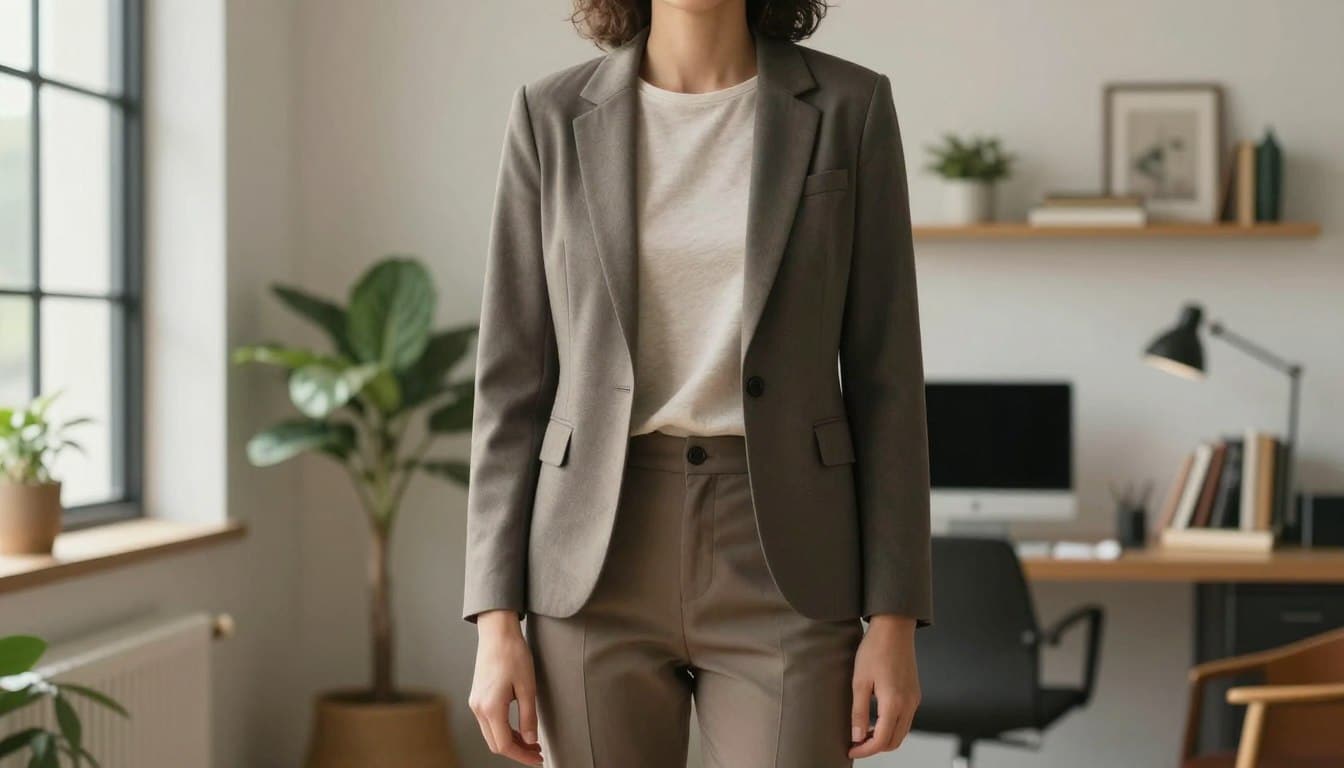
I know how small choices in the morning can shape your whole day, so I want to help you practice dressing with self-respect and comfort while staying real to your routine.
Imagine standing in front of your closet, holding a familiar shirt that fits well and feels like you. That quick, private moment can change how you walk into a meeting or a coffee date.
I’ll share simple, practical tips that make clothing work for you, not the other way around. You’ll see easy steps to build a small wardrobe that boosts confidence and makes choices feel calm instead of stressful.
Key Takeaways
- Small, consistent tweaks to fit and fabrics can lift your sense of ease.
- Choose core pieces that mix well so mornings feel simpler.
- Reading the room matters, but keep your voice in how you dress.
- Respect—of your schedule and values—is the guide for smart fashion choices.
- Simple routines, like planning an outfit the night before, reduce decision fatigue.
Why what you wear shapes how you feel and how others respond
People decide a lot about us in seconds, and our appearance often writes the opening line. First impressions form fast. They cue ideas about stability, warmth, and skill.
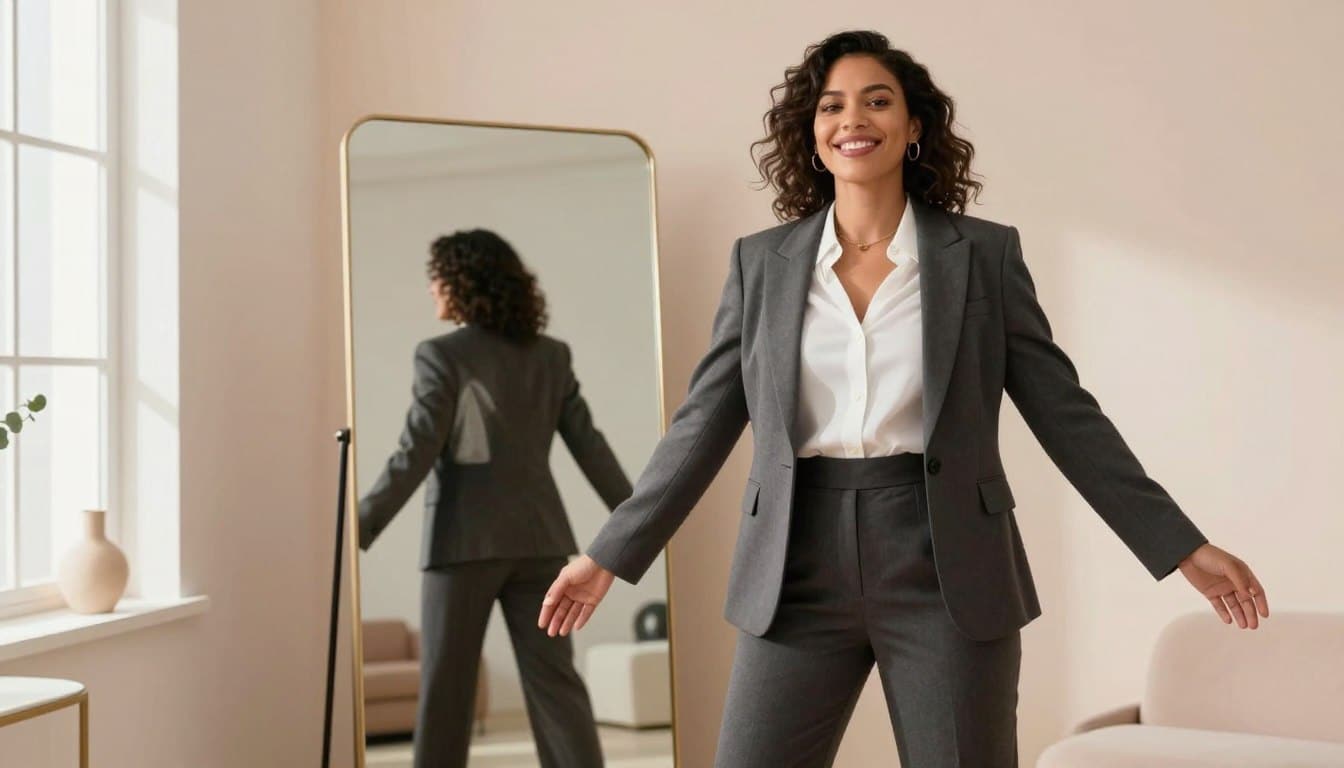
I keep this practical. In professional spaces, credible attire boosts perceived competence. Small upgrades—neat shoes, a crisp top, or a simple blazer—add power to your presence.
When you pick an outfit, think about the setting and the people you’ll meet. Ask: what do I want that first glance to say? Then dress to support that statement.
Time works against you in those first moments. Your clothes act like an opening line before you speak. Use fashion as a tool to reduce friction, not to hide who you are.
Here are quick moves to try today:
- Choose cleaner lines over busy patterns.
- Polish shoes or swap scuffed ones.
- Add one simple layer that increases formality.
The psychology of dressing with self-respect and comfort
An outfit can flip a switch in your head, nudging you toward calm or confidence. I like that idea because it makes style useful, not flashy.
Enclothed cognition: how outfits cue confidence and competence
Enclothed cognition means clothing affects thought and action. Studies show uniforms boost perceived authority. You can use that same trick at home.
If you need to feel capable today, pick one slightly structured piece—a blazer, crisp shirt, or neat knit. That small form cue helps your brain act more focused.
Comfort as emotional ease
Soft knits, relaxed silhouettes, and gentle textures calm the nervous system. An oversized sweater can feel like a hug and slow down anxious thoughts.
Try “soft structure” if a suit feels too much: a knit blazer, elastic-waist tailored pants, or a shirt-jacket over a tee. Pair one structured item with one relaxed piece to balance presence and ease.
Color choices that support mood and focus
Use colors on purpose. Warm reds, oranges, and yellows boost energy. Cool blues and purples help steady attention and trust.
Notice how certain colors change your mood. Keep a quick note on outfits that raise your confidence or soothe nerves. Over time you’ll know the ways clothing supports your day.
- Clothing can act as self-care for your mood and clarity.
- Mix texture and form to blend function and feel.
- Start small: test one tweak and see what shifts your sense of ease.
Clothes that fit well, feel good, and move with you
A few small fit fixes can turn a so-so outfit into one that helps you stand a little taller.
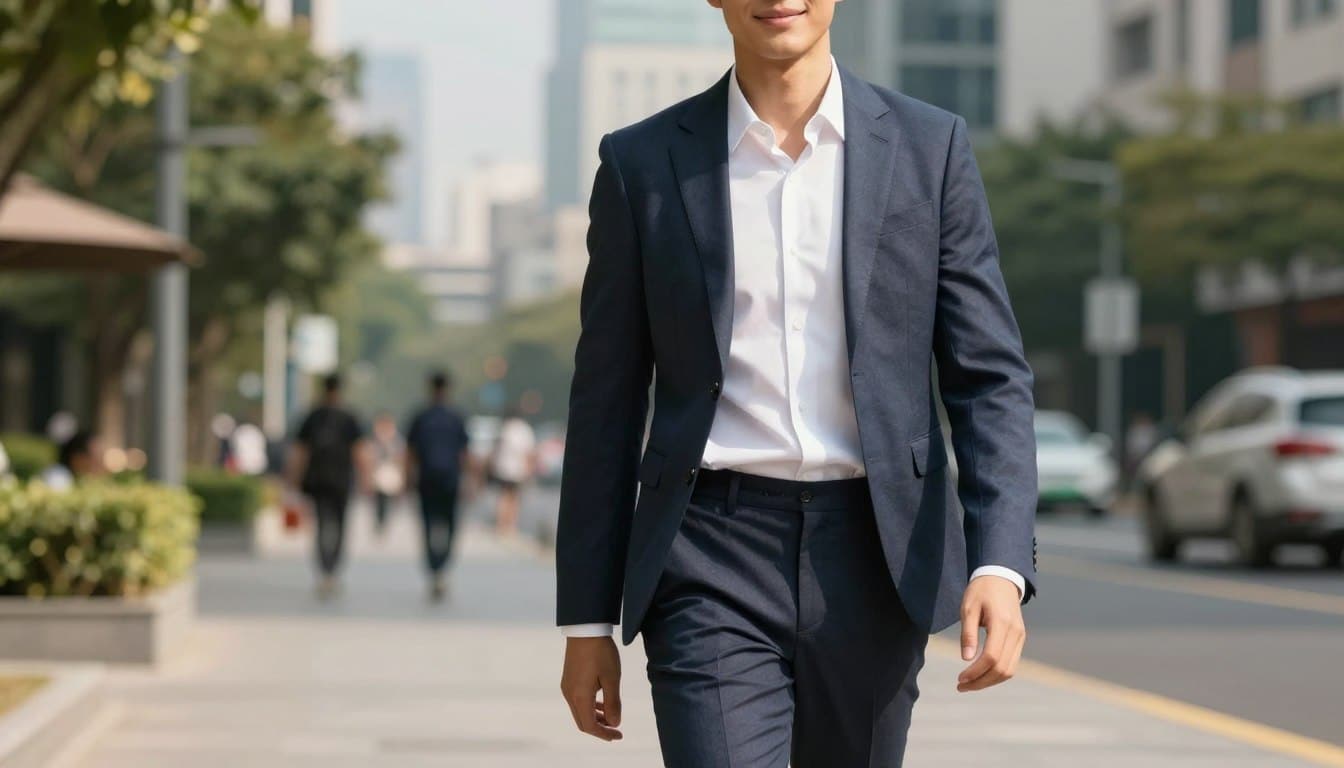
Fit first: tailoring, ease, and pieces that lift your posture
Start by thinking about how an item sits at the waist, shoulders, and hips. These spots decide how clothes fit and how your body moves all day.
If something almost works, get simple tailoring. Hem pants to your shoe height, nip a waist, or shorten sleeves so you reach freely.
Fabrics and textures: breathable, soft, and structured where it counts
Pick breathable fabrics—cotton blends, linen blends, light wool, or performance knits. They keep your skin steady on long days.
Balance structure and ease. Try elastic waists with a crisp top, or a tailored jacket over soft pants. Small texture mixes—smooth under a knit—add interest without fuss.
- If pants dig when you sit, size up or try a stretch waistband and pair it with a neat top.
- Check the seat, rise, and shoulder seams; tiny tweaks make clothing feel made for your body.
- Trust how pieces make feel; when garments fit well, you move easier and confidence follows.
Dress for the moment without losing yourself
Some days ask for polish, others for ease; I’ll show how to meet each moment while keeping your personal style intact.
Work and interviews: credible choices that keep your personal style
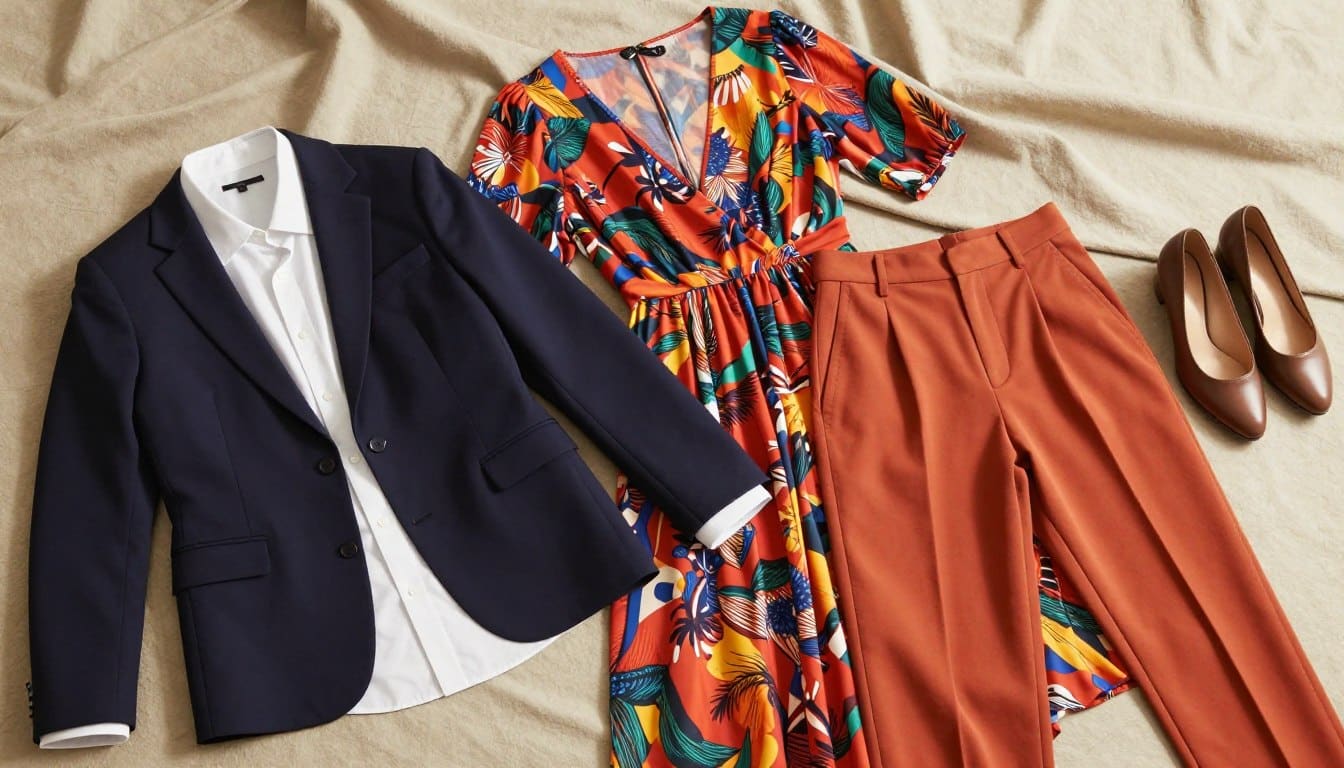
For interviews, go a step above the office norm. Think neat trousers or a simple dress, clean shoes, and one polished layer.
Avoid jeans for formal interviews, even when the company seems casual. That choice signals respect for the role and team.
Hybrid workdays: polished comfort that transitions through your day
Try a knit blazer over a tee, elastic-waist tailored pants, or a soft shirt tucked into relaxed trousers.
Quick formula: clean top + structured layer + simple bottoms + comfortable flats. It keeps you ready for video calls and in-person stops.
Social plans: outfits that match the vibe and still feel like you
Match the scene without losing your touch. Add color for lively nights or keep it tonal for calm gatherings.
Tough days: cozy layers that offer comfort without looking sloppy
Lean on a soft sweater, leggings or relaxed jeans, and supportive shoes. Add one tidy accessory to show intention.
| Situation | Quick Formula | Why it works | Example |
|---|---|---|---|
| Interview | Neat trousers + polished layer + clean shoes | Signals competence and respect | Black trousers, cream top, low heels |
| Hybrid day | Knit blazer + tee + elastic-waist pants | Comfort for home, polish for office | Grey knit blazer, white tee, navy pants |
| Social | Personal piece + simple base + color or accessory | Shows personality, fits the mood | Printed scarf, denim skirt, ankle boots |
| Tough day | Soft sweater + relaxed jeans + supportive shoes | Feels cared for but present | Chunky knit, relaxed jeans, slip-on sneakers |
If you want quick ready-to-go ideas for cozy work hours, try these easy at-home work outfits. Keep one outfit hung for each typical day so choices stay simple and you still feel like you.
Build a core wardrobe you actually wear
Build a practical wardrobe that supports your days, not a photo album you never wear. I focus on pieces that mix easily and make getting ready faster.
Essential pieces that mix, match, and make outfits easy
Start small. Choose neat jeans, tailored trousers, a simple dress, a cardigan or knit blazer, clean tees, plus one pair of versatile shoes.
Keep colors cohesive: a neutral base plus one or two shades you love. That helps every item work harder.
Blend timeless items with a few trends that feel right to you
Add trends only when they fit your personal style and life. A structured knit set or relaxed blazer can feel current while staying useful.
- Pick fabrics that hold shape yet feel soft; they look polished while you move.
- Fit matters more than size—choose what suits your body today.
- Test each piece: sit, walk, lift your arms. If it limits movement, it won’t get worn.
I want your closet to be honest: fewer, better items that make you feel ready for the day. That’s real fashion for real life.
Simple routines that make getting dressed stress-free
A little forethought the night before makes your morning feel manageable.
I keep routines small and practical so you can start the day calm. These steps save time and reduce decision fatigue.
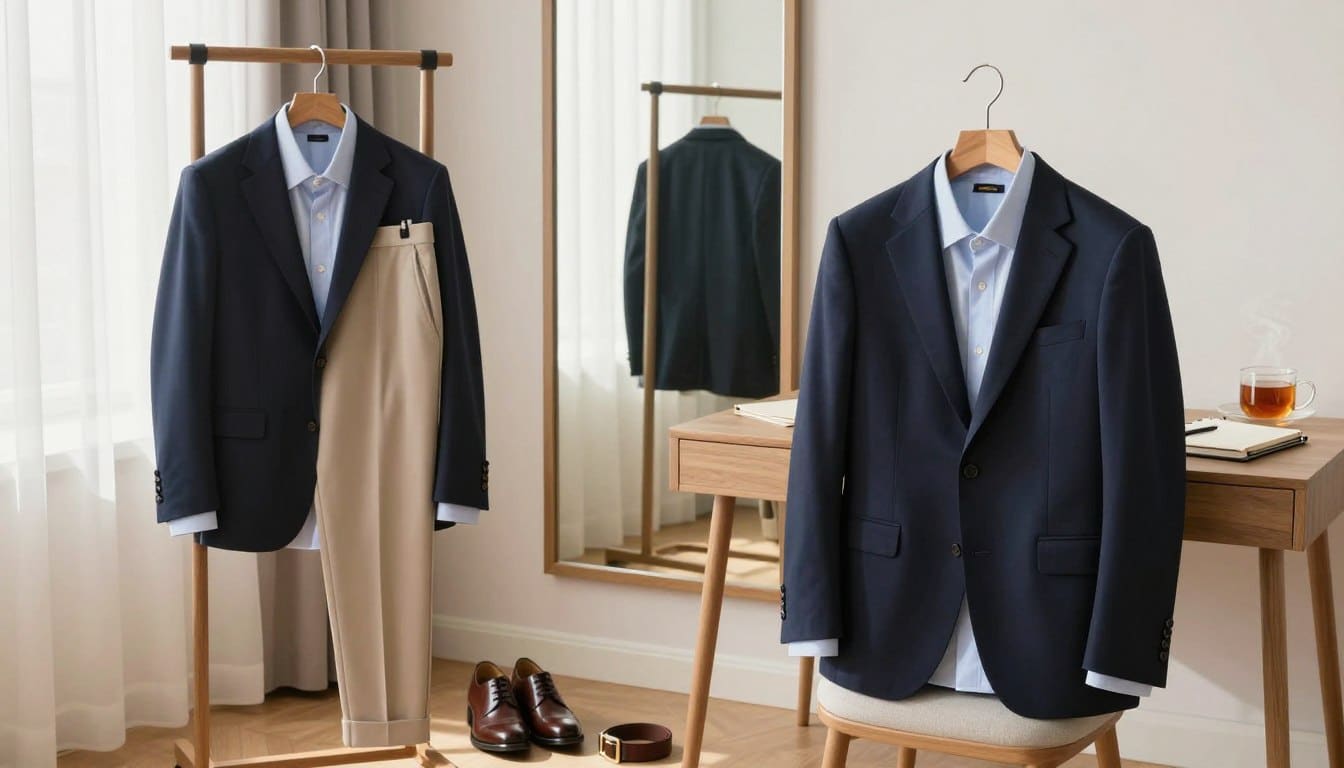
Plan tomorrow’s outfit tonight for a calmer morning
Lay out tomorrow’s outfit, including shoes, undergarments, and any layers. Check the forecast and your calendar so clothes match the weather and the plan for the day.
Do a quick try-on if you’re unsure. Five minutes at night can save fifteen frantic minutes in the morning. If mornings are hectic, photograph outfits you love and keep a mini lookbook on your phone.
Edit and organize your closet so good choices are obvious
Group clothes by category—work, casual, workout—so reaching for the right thing takes zero thought. Keep a small rack of go-to outfits that you actually wear.
- Rotate seasonally so your wardrobe fits the current world and your life.
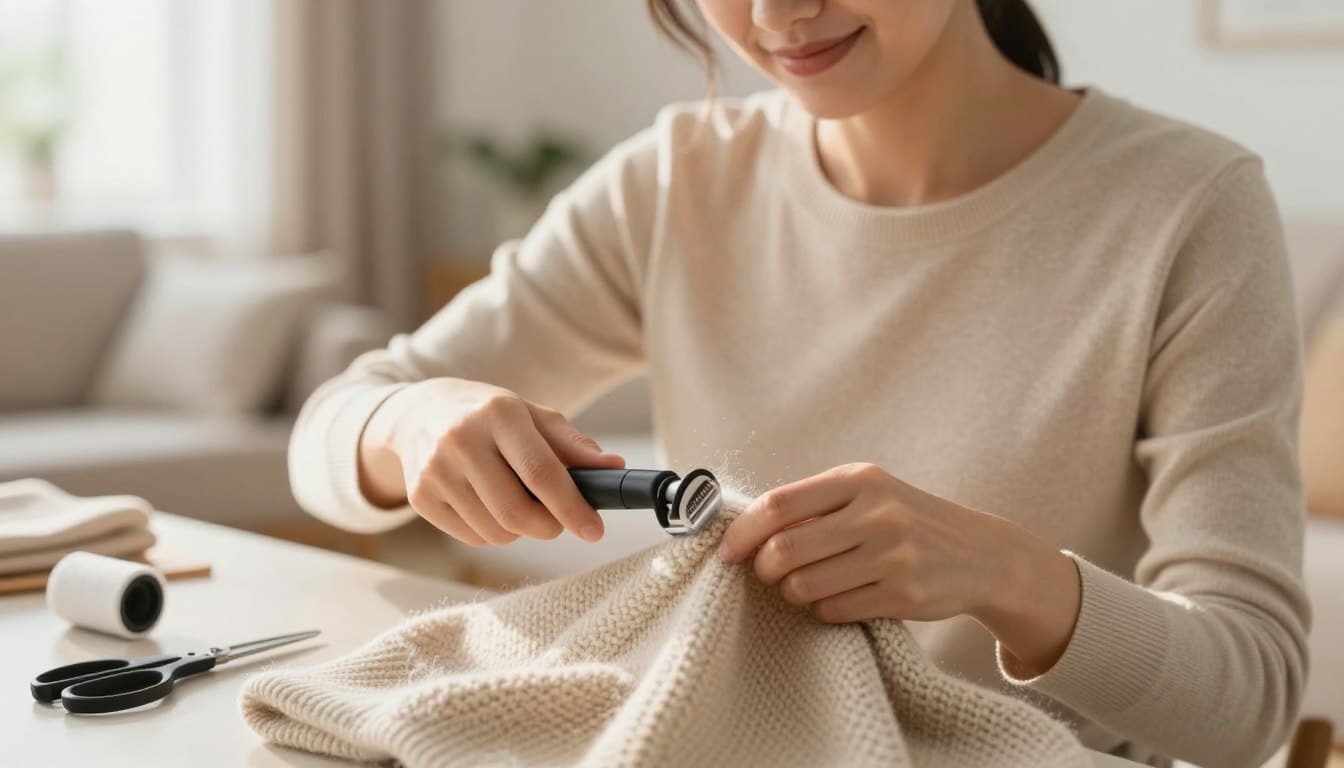
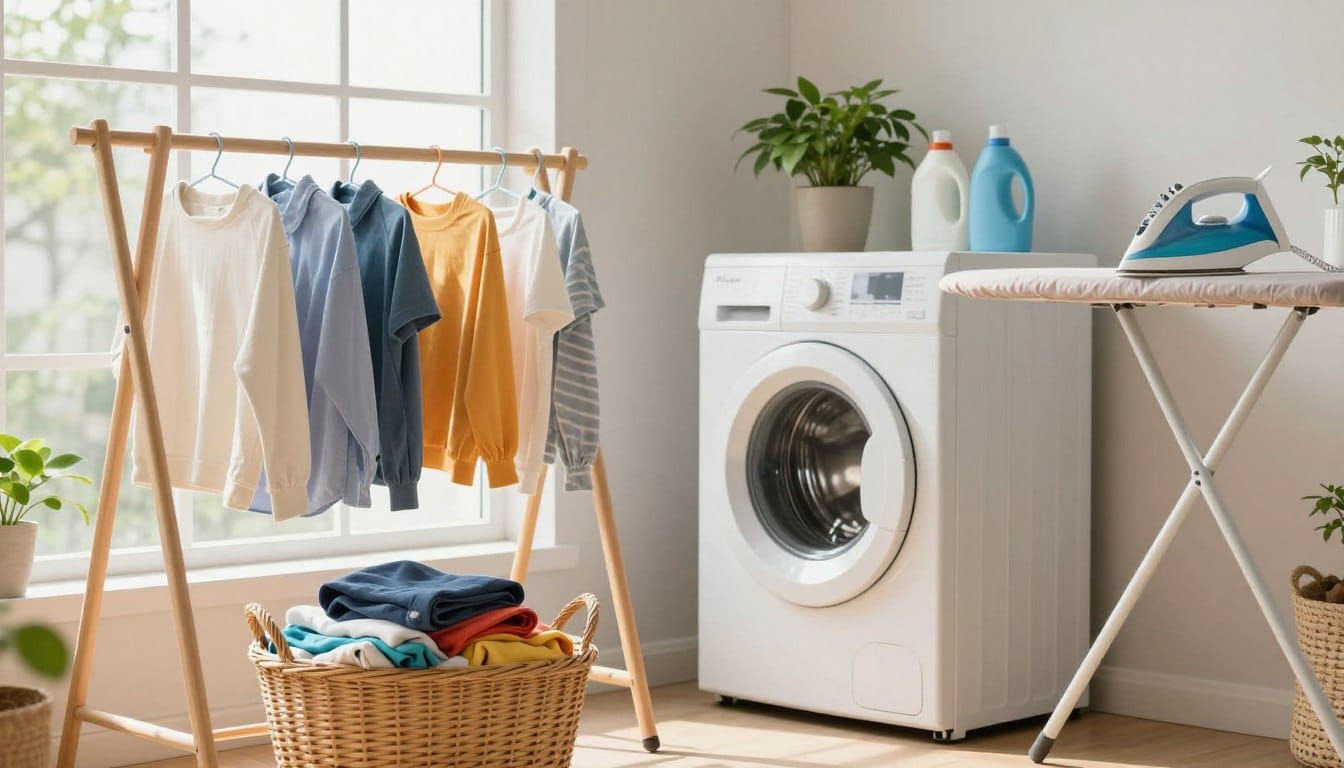
- Store a fix-it kit near where you dress: lint roller, steamer, polish.
- Let go of things that don’t make you feel good; keep pieces you wear often.
| Routine | Quick Steps | Benefit | Where to Keep |
|---|---|---|---|
| Night prep | Outfit + shoes + layers | Saves time in the morning | Chair or small rack |
| Try-on check | 5-minute fit test | Avoid surprises | Bedroom or bathroom |
| Closet edit | Keep frequent pieces, donate rest | Clear choices, smart spending | Closet sections |
| Lookbook | Photo of favorite outfits | Fast decision on busy days | Phone gallery |
Simple ways to plan ahead can change how the whole day feels. Start tonight: pick one outfit and notice how much calmer your morning becomes.
Small details, big impact: accessories, shoes, and grooming
The tiny things you add—shoes, a belt, a neat bag—make the whole outfit feel intentional.
Choose shoes and accessories that elevate ease and credibility
Pick shoes you can actually move in: supportive flats, low heels, or clean sneakers. Closed-toe pumps work for more formal days while sleek sneakers ground casual looks.
Keep one polished bag that matches most outfits. A slim belt or simple gold hoop can act as a quiet statement when you need a lift.
Match accessory colors to your neutrals so clothes feel pulled together fast. Test shoes by walking and sitting; if they fight your body, swap them out.
Understated makeup and neat touches that keep the focus on you
Grooming wins over heavy products: tidy hair, clean nails, fresh breath. For makeup, aim to enhance, not hide. Even skin, a bit of mascara, and a natural lip keep attention on your voice.
- One strong accessory adds power without noise.
- Edit down to one or two pieces so the look stays calm.
- Choose accessories that protect your energy while boosting presence.
Dressing with self-respect and comfort in the real world
Real days need real clothes—things that work hard and still feel like you. I pick pieces that help me move through a messy schedule and stay present for people I meet.
On a packed work day I choose soft tailored pants, a breathable top, and a knit blazer. It keeps me ready for errands and meetings, and it helps my confidence hold steady.
Meeting new people means clean lines and simple colors so others notice what I say, not my outfit. For travel, I wear stretch fabrics, supportive shoes, and carry a light layer plus one neat detail.
- Low-energy mornings: black jeans, a soft sweater, tidy sneakers, and a watch.
- Dressier events: one signature piece—favorite color or earrings—and keep the rest simple.
- Quick rule: if clothing makes you fidget, swap it for something that lets you move.
I also keep two backup outfits ready for weather or mood changes. Small choices like clean hems and unwrinkled fabric make others view you as reliable. Over time, these ways of dressing grow your confidence and make daily life feel steadier.
Conclusion
I believe clothing can help you move through the day with more confidence and less fuss. Pick pieces that suit your life, add one tidy layer, or swap a fussy item for something that fits better.
Keep colors and cuts that steady your mood close at hand. Edit your wardrobe so choices feel obvious, not overwhelming. Small steps—plan tomorrow’s outfit tonight, tailor your favorite jeans, or refresh a simple top—make a big difference over time.
Your outfit doesn’t change who you are. It helps others see you clearly and gives your words extra power. Try one small change today and notice the ease it brings. I’m cheering you on.
.