
I know how quick mornings can fray your patience, so I keep a few body-positive outfit tips close at hand to simplify the rush and help you feel steady. I remember standing in my closet with half a cup of coffee, choosing the one thing that made me feel grounded—small wins like that add up.
My approach is practical: notice how clothes move with your body, pick a fit that reduces fidgeting, and use color or texture to lift your mood. These are not rules, just small actions you can repeat to build daily ease and steady confidence.
We’ll focus on what your body tells you, not size labels. I’ll share short, honest steps you can use on busy mornings so getting dressed feels calm and useful instead of stressful.
Key Takeaways
- Fit matters more than size—choose garments that move with your body.
- Small changes in color, pattern, or texture can make you feel confident quickly.
- Know your measurements and try brands across the size chart.
- Use tailoring for better fit instead of buying a whole new wardrobe.
- Build personal style from the pieces you reach for most, not trends.
- Make a simple routine: mindset, fit, color, proportions, finishing touches.
I start with mindset: body positivity, comfort, and dressing for how you want to feel
Some mornings I skip the mirror and start by asking one simple question: how do I want to feel today? That question beats a hundred quick judgments and helps me choose clothing that supports my plans.
What body-positive fashion really means is simple: fit over size, comfort first, and your personal style guiding the rest. I pick pieces that let me move, breathe, and show up without fuss.
Confidence is your best accessory
Confidence isn’t about perfection. The confidence best accessory is showing up as yourself in something that helps, not hides. Dress for you, not others, and notice how small choices change your day.
Quick reflection
Which part do you want to highlight? Shoulders, waist, or legs? What fabric makes you feel comfortable—jersey, linen, or crisp cotton?
- Ask: “How do I want to feel?” before choosing.
- Pick clothing that supports your schedule—stretch for busy days, breathable layers for errands.
- Repeat looks that make you feel confident; that pattern becomes your style inspiration.
Fit that moves with you: simple ways to get clothes that feel and look right
When clothes move with you, everything else—commute, meetings, errands—feels easier. I use quick, practical checks to know a piece will work for my day. Start with simple motion tests and honest notes about comfort.
Easy signs of good fit
- Do a 10‑second fit check: lift your arms, sit, walk, and take a deep breath. If seams ripple or you tug, the clothes fit isn’t right.
- Look for smooth seams at shoulders and hips, a flat zipper, and buttons that don’t strain. Those small signs show the garment supports your body.
- Try two sizes of the same style; sizes vary by brand. Pick the one that gives comfortable coverage and lets you forget you’re wearing it.
Tailor for your unique shape
Know your bust, waist, hips, and inseam and keep them in your phone to save time in stores. A hem or shoulder tweak often turns “almost” into a favorite.

Use color, patterns, and textures to boost confidence without fuss
Color, pattern, and texture can change how you feel before you even step out the door. I treat color like a mood dial: red for energy, blue for calm, yellow for a quick optimism lift.
Color cues that support your mood
Red often raises power and energy. Blue steadies nerves and builds quiet confidence. A hint of yellow brightens the day. Try green for focus or purple when you want a creative spark.
Patterns that play well
Vertical lines add length. Small, even prints stay balanced on most bodies. Match scale to how bold you feel: tiny dots are subtle; bigger prints become the statement.
Texture tricks
Keep smooth where you want soft focus. Add texture where you want attention—ribbed tops, denim, or a quilted bag. One textured piece against a simple base gives instant style inspiration.
- Swap a flat top for a patterned scarf to add depth.
- Pair a bold color with neutral clothes to keep things easy.
- Take two mirror selfies and choose the color that makes feel most like you.
Proportions made easy: create the silhouette you like
I’ve learned that one small tweak to proportions solves more mornings than a new top ever will. These are simple moves you can try fast. They work across sizes and personal preferences.
High waists, strategic tucks, and layering to shape your look
I use high-waisted pants or skirts to set the waist where I want it. That creates a clear silhouette without forcing anything about your shape.
Try a full tuck for crisp lines, a half-tuck for relaxed balance, or no tuck at all with a cropped piece when you want ease. Each choice changes the outfit instantly.
Quick, doable steps
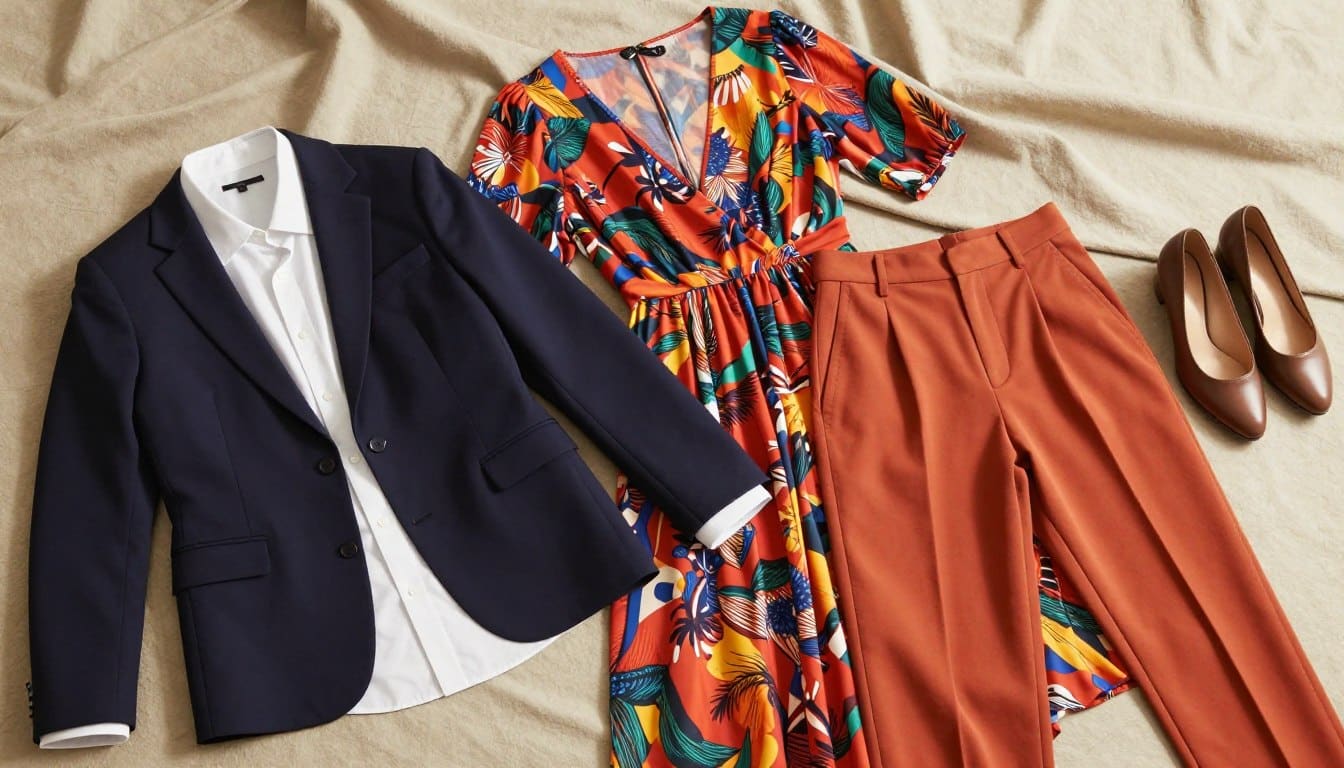
- Layer a blazer or long cardigan to add structure or flow; it balances a fitted dress or anchors wide-leg pants.
- Let one layer run longer than the base and echo that line with a pendant or scarf for gentle length.
- Use a soft belt at the true waist for definition, or skip it for a straight, calm line.
- Pair one fitted piece with one relaxed piece so the overall shape feels deliberate and comfortable.
When something looks off, check the hem — a two-inch tweak often fixes the balance. Try one new styling way at a time. You’ll build quiet confidence as you learn what shapes and pieces work best for you.
Build a body-positive wardrobe you actually wear
A tiny, reliable capsule of pieces saves me time and keeps my clothes feeling useful every week.
Start by locking in foundation items that make everything else behave. A well-fitted bra and smooth underwear help clothes skim instead of snagging. Pick jeans in the rises you love and keep one pair of pants in a soft, forgiving fabric for long days.
Everyday essentials
- Base: well‑fitted bras for lift and seamless undies for a smooth line.
- Denim: mid or high rises you reach for first; one soft pant for travel and long days.
- Blazer: a versatile, structured blazer that sharpens tees and dresses in seconds.
Relaxed pieces and toppers
Bring in wide‑leg pants with elastic waists, a tunic or hi‑low top, and a midi dress that layers well.
Add a long cardigan or duster for coverage. These pieces make simple bases feel intentional with almost no effort.
Shop your current body
Take two or three sizes of the same item to the fitting room and pick the one that feels best. Tailoring — a hem, a dart, or moving a button — turns good buys into favorites.
If you want more guidance on comfort and fit, check a short guide on what to wear when you’re feeling.
| Category | Example pieces | Why it helps |
|---|---|---|
| Essentials | Well‑fitted bras, seamless undies, high‑rise jeans | Smooth lines, support, fewer morning fixes |
| Relaxed Staples | Wide‑leg pants, tunics, midi dresses | Comfort for long days without losing polish |
| Toppers | Structured blazer, long cardigan, duster | Instantly elevates simple clothing and adds coverage |
Body-positive outfit tips for work, weekends, and nights out
I start with one reliable piece that guides the rest. That helps me get dressed fast and stay comfortable all day.
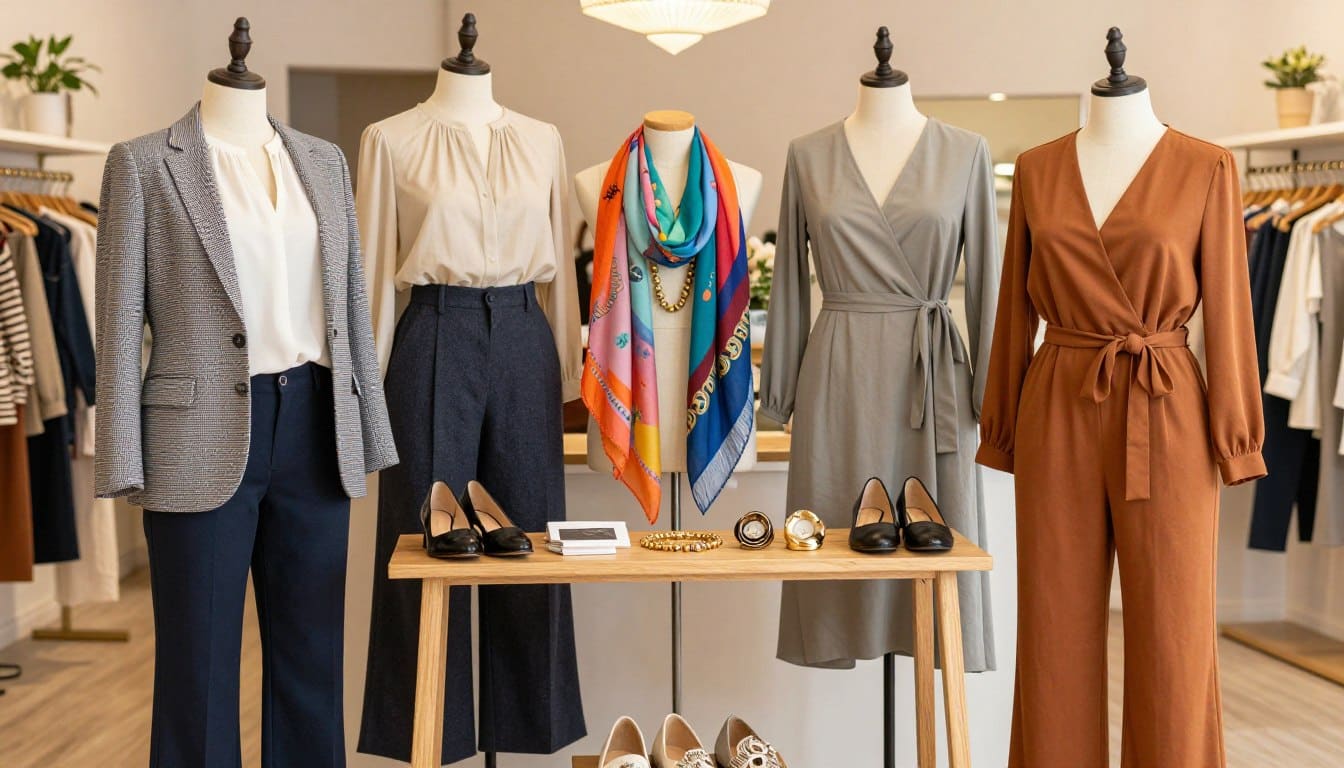
Professional days: structured pieces, comfort that lasts, and color with intention
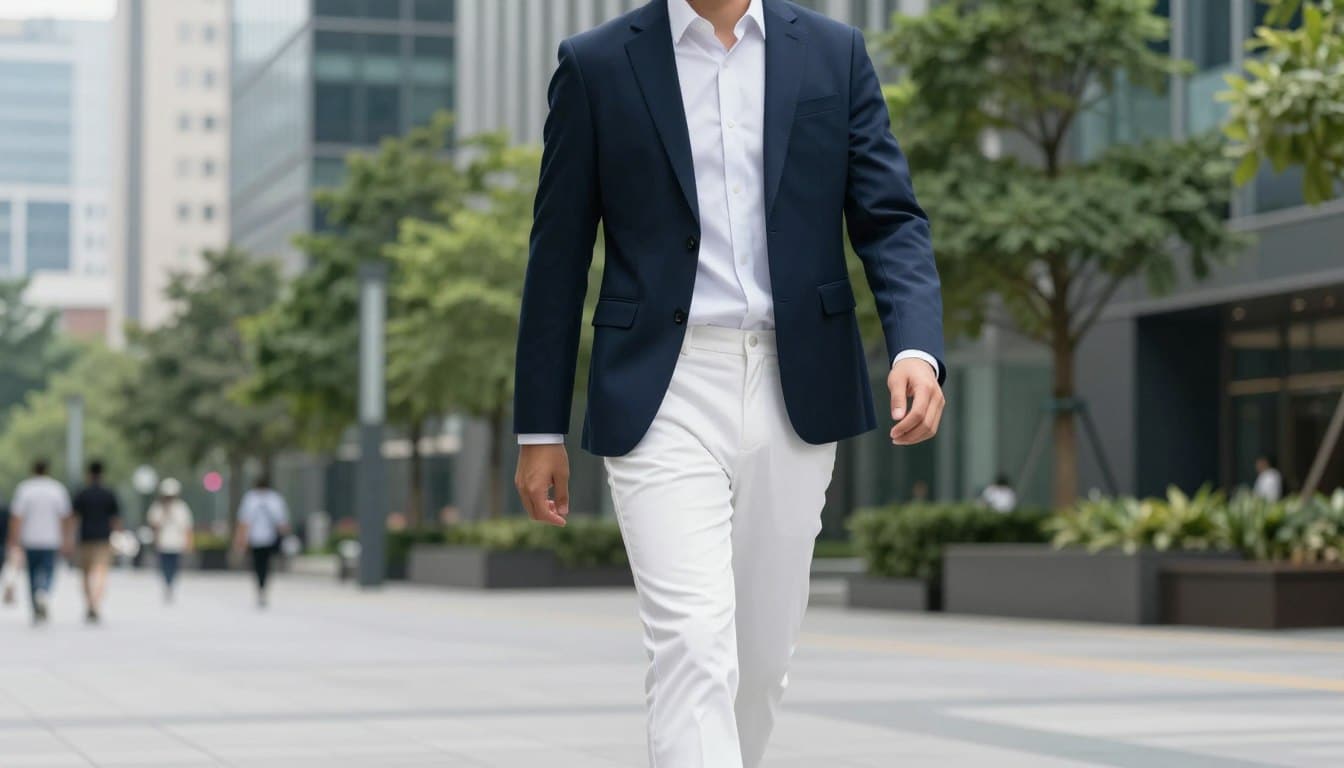
I pick a soft-shoulder blazer, a breathable tee, and tailored pants with stretch. This combo looks put together and moves with you.
- Add calm blue or grounded green when you want steady confidence.
- For authority, wear a red shell under a neutral jacket; keep accessories simple and light.
Social plans: joyful prints, statement accessories, and clothes you can move in
Play with patterns in a top or scarf. Choose a textured clutch and shoes you can dance or walk in.
One statement piece—hot-pink blazer, bold earrings, or a sequined knit—turns basic clothing into an instant personal style moment.
Casual everyday: go-to outfits, day-to-night swaps, and pieces that make you feel like you
My go-to is jeans, a soft tee, and a long cardigan. Swap sneakers for block heels and add a pendant to shift into evening.
| Plan | Key piece | Quick swap |
|---|---|---|
| Work | Soft-shoulder blazer | Red shell for authority |
| Social | Patterned top or scarf | Textured clutch |
| Casual | Long cardigan | Sneakers → block heels |
When clothes feel off, change one shape: half-tuck, roll a sleeve, or adjust pant length. Pack a light jacket to rescue chilly offices or late nights.
Break old “rules” and build confidence with small styling experiments
Questioning fashion rules became a quiet act of self-trust for me. When I stopped treating lists of “never” as gospel, I made room to try things that actually felt good.
Which rules to question
Say yes to horizontal patterns if they make you smile. Try a half‑tuck when proportions feel off. Wear color at any age if it lifts your mood.
Daily, low‑risk practices
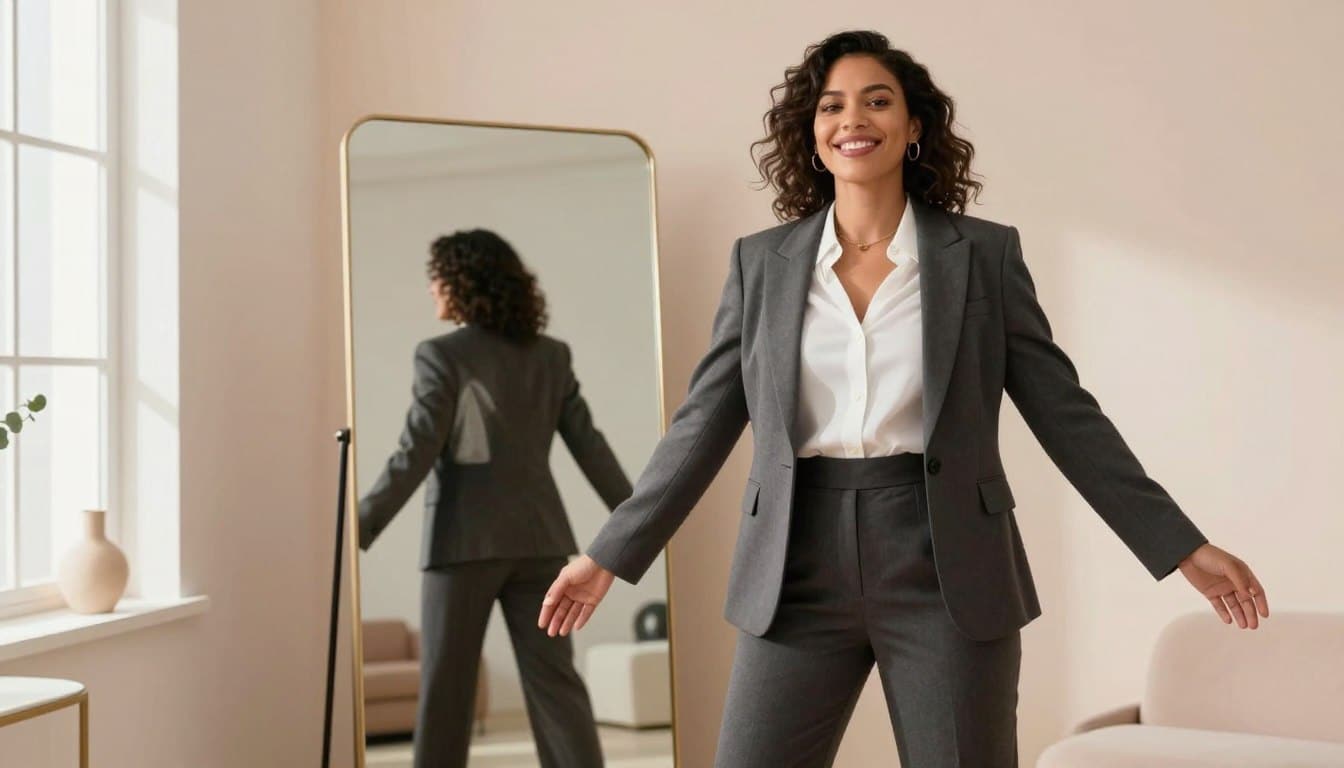
- Do a five‑minute mirror check and name two things you like about your body before changing anything.
- Run a comfort check mid‑day. If something distracts you, note it in your phone for smarter future shop decisions.
- Keep a short style journal: what you tried, how it moved, and one quick fix to test next time.
- Pick one tiny experiment—new neckline, textures mix, or a light tuck—and treat it as a test, not a commitment.
| Rule | Question to ask | Tiny experiment |
|---|---|---|
| “No horizontal stripes” | Do I like how this feels on my body? | Wear stripes at home, then out for an hour. |
| “Too old/young for that” | Does it make me more me? | Try the piece with a neutral layer to ease in. |
| “Skip bright color” | Can I make it comfortable for my day? | Add color as an accessory first—scarf or shoe. |
Ignore what others might think. Your type of confidence grows when your clothes work for your body and your life. Give new styles time—wear them at home, then on a short outing—and you’ll learn what truly fits your day.
Conclusion
Start with one item that already makes you smile and build from there.
I hope the small ideas here give you practical positivity for your wardrobe. Pick a bra that lifts, a relaxed layer, or a jacket that sharpens a tee. Tailoring fixes often beat a full closet redo.
When you need a reset, tweak the waist, hem, or a tuck to change the silhouette. Use sizes as a tool, not a rule. Let accessories steer a statement or keep things calm.
Your unique shape is the starting point. Try one small change this week, notice how it makes you feel, and keep what works. Fashion can be a steady friend—one easy outfit at a time.