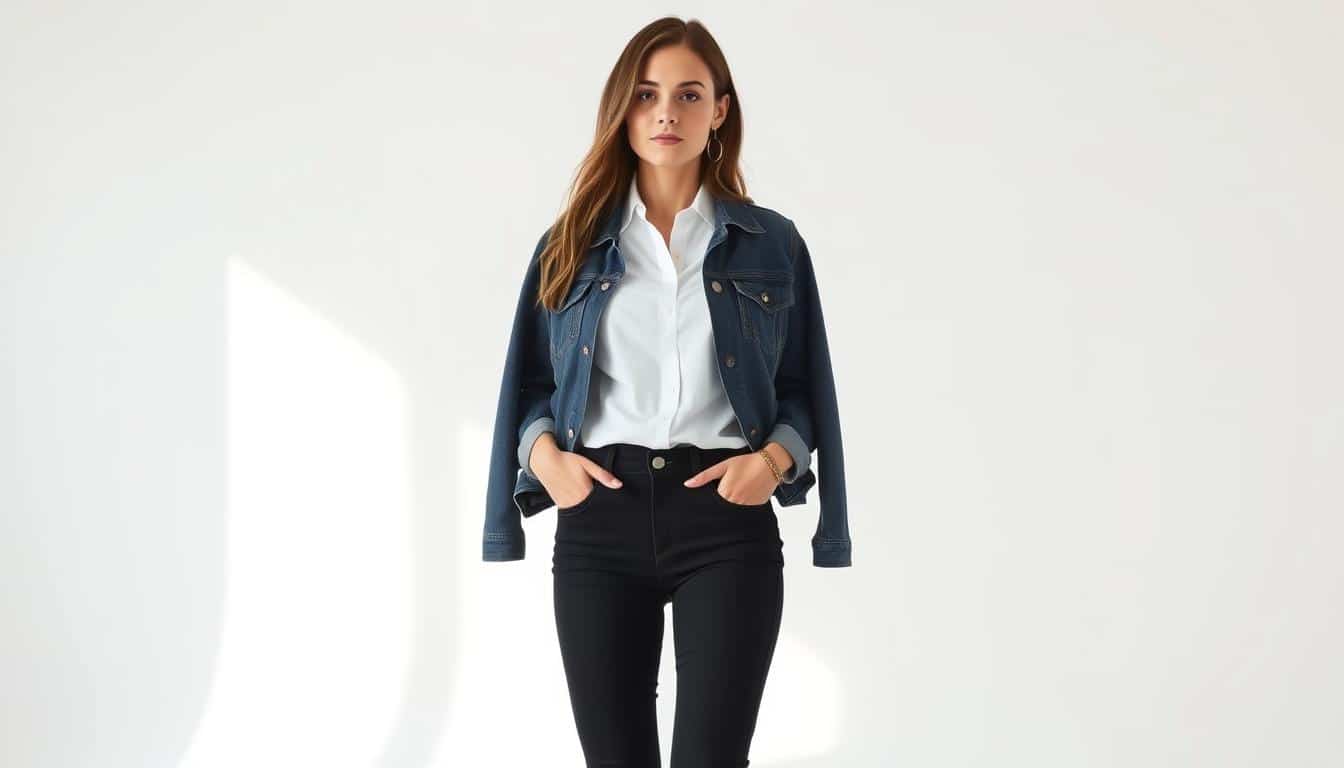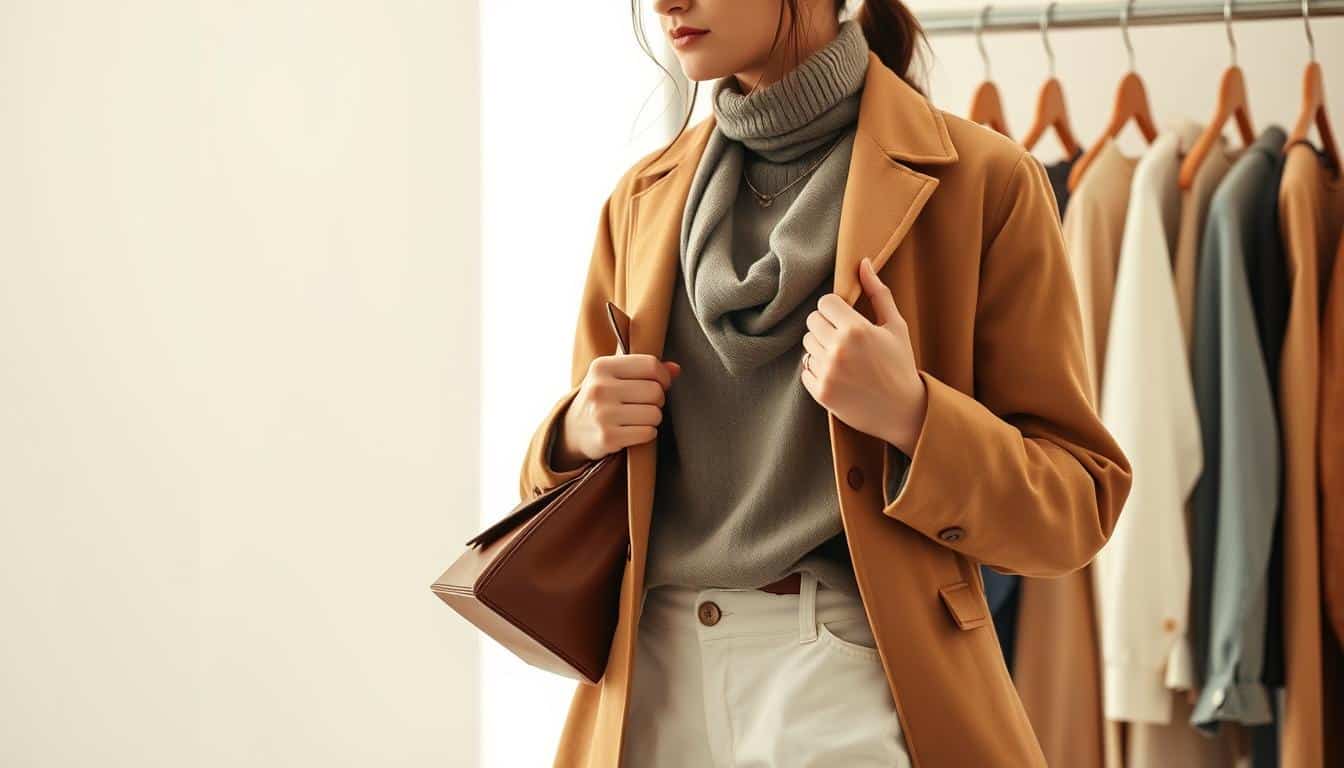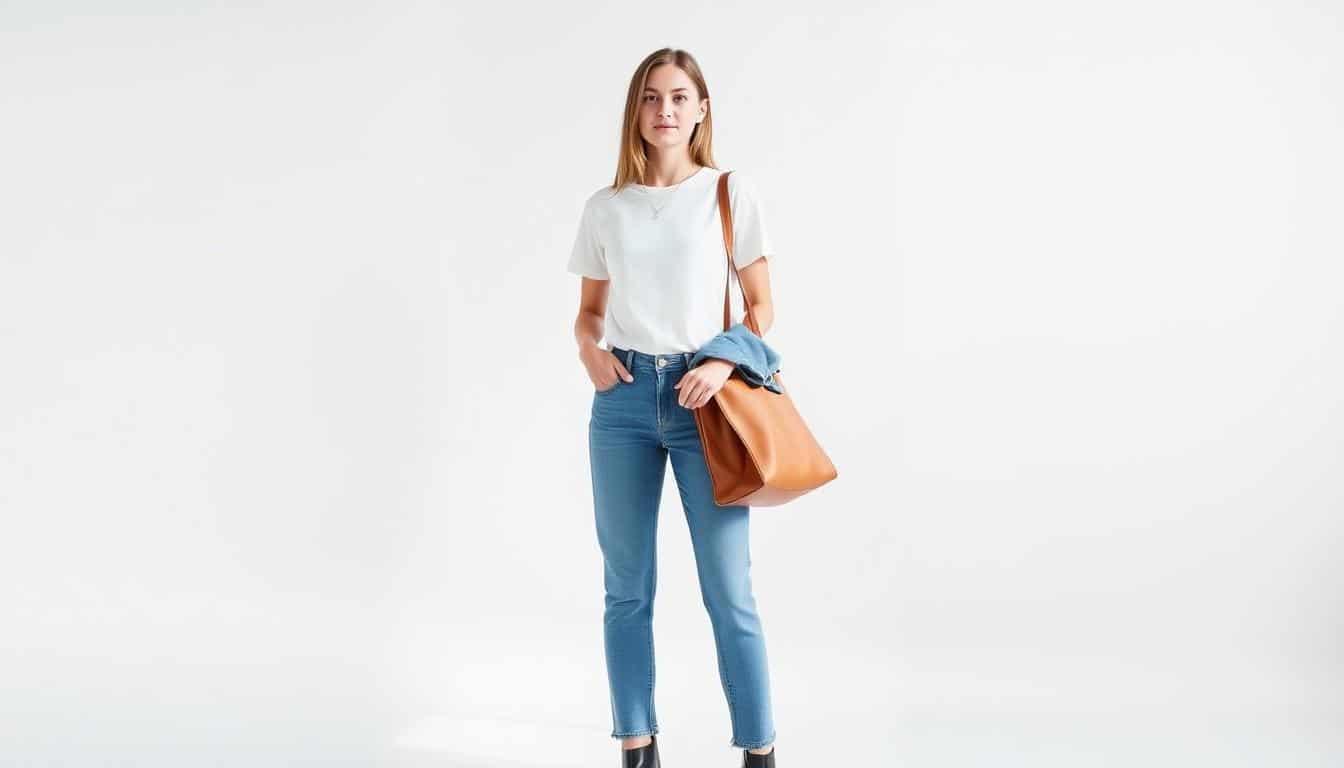

I remember the relief of finding simple ways to refresh my closet without spending a lot—fashion on a tight budget helped me feel more like myself again.
True style is less about price and more about intent and how you pair pieces. I learned this from a former personal stylist and from my own trial and error.
I’ll walk you through easy steps: clear your closet, organize by color, and think cost per wear when you shop. Small fixes—like a neutral at-home manicure or matching metal hardware—lift outfits fast.
This blog keeps things practical. No big overhauls. Just steady habits that make your wardrobe work harder, save money, and help you look put-together in daily life.
Key Takeaways
- Edit and organize your closet to see what you truly wear.
- Use cost-per-wear thinking to spend money where it lasts.
- Small grooming and matching hardware make outfits look polished.
- Focus on deliberate buys that build helpful outfits over time.
- Simple, steady habits help you feel confident every day.
Let’s make your closet work harder, not cost more
Start small: pull everything out and let your closet tell you what you actually wear. Work in short bursts so it feels doable. Set a one-hour timer and focus on one shelf or one type of item at a time.
H3: Edit what doesn’t serve you anymore
Quickly remove stained, damaged, or ill-fitting clothes. If a piece clearly dates your look or never flatters you, let it go. You’ll clear space and see the items you actually reach for.
H3: Spot and remove dated pieces that drag outfits down
If something feels stuck in another decade, it probably pulls the whole outfit down. It costs nothing to remove it and your daily choices will look cleaner.
H3: Organize by category and color so you see what you own
Group tops, pants, dresses, and outerwear first. Then sort each group by color. Matching hangers, labeled baskets, and dividers keep small spaces calm and protect quality pieces.
- Keep daily-go items eye-level and move off-season pieces to bins or the back.
- Ask: does this piece fit, flatter, and pair with at least two other items I own?
- Small rituals save time each morning and prevent repeat buys.
Find your personal style so shopping gets easier
A quick board of looks helped me spot the shapes and tones I actually wear. It makes decisions simple and keeps impulse buys away.
I start by pinning 20–30 outfits on Pinterest or a phone folder. Then I scan for repeat colors, silhouettes, and pieces that make me feel like myself.
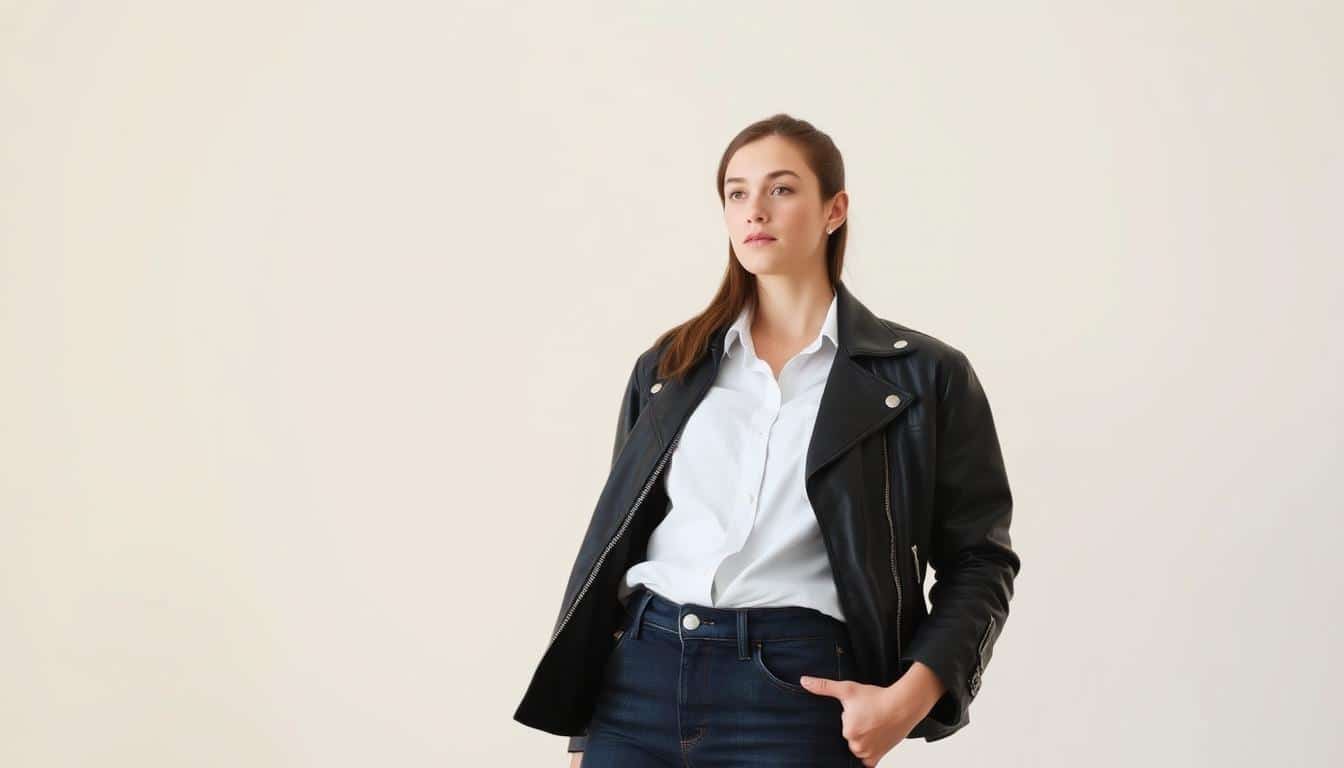
Pick two or three core neutrals—think navy, tan, gray—and add two accent colors that lift your skin tone. Subtle prints and textures keep your closet useful longer than loud trends.
- Note which colors light you up and choose silhouettes that suit your body and daily dress code.
- Name your style in three words (for example: relaxed, polished, neutral) to guide buys.
- When shopping, hold each piece to your board in your mind; if it doesn’t fit the look or make you feel good, pass.
Plan your wardrobe budget with cost-per-wear in mind
Let’s pick a clear number for the season so your clothes plan feels like a calm checklist. Naming a yearly or seasonal amount removes guesswork. It helps you shop for the life you actually live.
Start by listing your top categories: work, weekend, and special events. Decide which categories need more money and which can get by with small spends.
Set a seasonal or yearly number and split it by priorities
- Choose a total that respects bills and savings first, then assign more to high-rotation items like jeans, blazers, or shoes.
- Keep a short wish list on your phone to turn shopping into a plan, not a guess.
- Before buying, ask: will this piece work with at least three items I already own? If not, skip it.
When to save, spend, and splurge without breaking the bank
Use cost-per-wear to make real choices. Divide the price by expected wears. A $200 blazer worn weekly for years often wins over cheaper pieces that fade fast.
Plan for maintenance. Tailoring, heel caps, and small repairs extend life and protect your money in the long run.
| Item | Price | Estimated cost-per-wear |
|---|---|---|
| Blazer (work staple) | $200 | $0.77 per wear (worn 260 times over years) |
| Jeans (weekly wear) | $175 | $1.34 per wear (worn 130 times over years) |
| Trend top (few events) | $40 | $8.00 per wear (worn 5 times) |
If you want a simple seasonal plan template, try this short course and list to make outfits less stressful: plan seasonal outfits with less stress.
Smart shopping moves for fashion on a tight budget
A calm shopping plan keeps me from impulse buys and helps me find real deals at stores I trust. I’ll share short, practical steps you can use in any post-shopping moment.
Shop sales and off-season without impulse buys
Buy from a list. Shop swimwear in winter and knits in summer for deeper discounts. Hold each item up to three things you already own before placing it in your cart.
Use cashback and promo codes the right way
Stack savings: cashback sites, codes, and free shipping. Read the fine print so codes apply to sale or full-price items.
Thrift, vintage, and consignment: find quality for less
Feel seams, test zippers, and check hardware. Many great items hide behind bad lighting. Small repairs can make them look new.
Clothes swaps and “minor fault” racks that save serious money
Swap with friends for free refreshes. High-end stores often have minor-fault racks — missing buttons or a loose hem are easy fixes and big savings.
- Quick checkout test: does it work with three outfits? Does it fit now? If not, walk away.
- Keep trends small; one modern item updates your look without breaking bank.
| Source | Typical Discount | Best for |
|---|---|---|
| Off-season sales (online) | 30–70% | Seasonal items, staples |
| Thrift & consignment stores | 50–80% | High-quality items, unique pieces |
| Minor-fault racks | 40–60% | Branded items with small fixes |

Choose pieces that mix, match, and last
Build your closet like a toolkit: choose pieces that work together so mornings feel easy. I keep things practical and visual so you can picture real outfits.
Neutrals, texture, and basics that build many looks
Start with calm colors: black, navy, tan, gray, olive, ivory. Add one rich shade like chocolate to warm things up.
Texture does the heavy lifting. Pair a chunky knit with denim. Mix leather with linen for polish. Subtle patterns stay useful longer than loud trends.
Quality over quantity; fabrics that look polished
Choose quality where it shows: clean seams, solid zippers, and fabric with some weight. Even budget finds read better when construction is neat.
Multiway items and a light capsule to stretch your closet
Add one multiway item—a large scarf or reversible belt—to unlock new combinations without new spending.
- I reach for a small set of basics in calm colors and use texture to add interest.
- If you wear jeans often, keep one flattering silhouette that anchors tops and blazers.
- Build a light capsule each season: 2 jackets, 4 tops, 2 pants, 1 dress, 2 shoes.
Fit first: tailoring, undergarments, and proportion
When pieces sit right on your body, everything feels solved before you step out. Fit matters more than tags or trends. Small tweaks take little time and change how your clothing reads.
Tailor small tweaks that make a big difference
Most polished dressers make small changes. Simple hems, sleeve length, or a waist nip make jeans and trousers look custom. Tailoring one well-worn item is faster than fixing many.
- Try shoes with the pants before you hem; the break should feel natural.
- Start with your most-used item — one perfect piece helps every morning.
- Minor nips cost little and add years of wear to favorites.
Right bras and smooth foundations change the whole look
Begin with foundations. Get a bra fitting about once a year. The right size and strap tension lift and balance proportion.
Wash bras in a mesh bag on delicate. Hang to dry. This simple care keeps shape and support longer.
If you short on time, tighten straps every few wears and check proportions in the mirror. Half-tuck tops, roll cuffs, or swap to a shorter jacket. These tiny moves refine your style fast and make every item feel intentional.
Care and finishing touches that elevate any outfit
A few simple care steps keep clothes and shoes looking much newer than their price tag. These small habits take minutes, but they change how your whole look reads.
Wash less, care better
Over-washing breaks down fabrics. Wash items only when dirty. Hang or fold promptly to keep shape and color.
Use mesh laundry bags for delicates. Steam or spot-clean between wears to cut washing and extend life.
Match hardware and choose tasteful accessories
Pick accessories that whisper, not shout. Simple studs, a slim chain, or a classic watch finish an outfit without stealing the show.
Match your metals—belt buckle, buttons, and jewelry—to make outfits feel cohesive and intentional.
Skip big logos; favor subtle details
Avoid loud branding and never buy fakes. Quiet, well-made details look modern and work with most pieces in your closet.
Quick grooming wins
Do two-minute checks: smooth flyaways, lint-roll, and apply a neutral nail color. Clean sneakers or conditioned leather shoes instantly lift a casual look.
- Wash less and air more; steam between wears.
- Wipe shoes weekly and condition leather for longer life.
- Match metal tones for a tied-together finish.
- Choose understated accessories to complete the outfit.
| Care task | How often | Benefit |
|---|---|---|
| Spot-clean or steam tops | After each wear if needed | Retains shape and color, fewer washes |
| Mesh bag for delicates | Every wash | Protects seams and zippers |
| Wipe & condition shoes | Weekly | Looks polished; extends life |
| Two-minute grooming sweep | Daily | Immediate polished look with little effort |
Conclusion
A few clear habits will make your wardrobe work harder and save you time every morning.
Edit what doesn’t serve you, keep pieces that mix well, and let cost-per-wear guide new buys. Shop with a short list, touch fabrics, and pass on anything that won’t pair with at least three items you own.
Tailor your most-worn jeans, dresses, or a key jacket. Small fixes pay back in comfort, fit, and polish. Care for clothes and match simple accessories; clean shoes and neat nails finish outfits fast.
If you remember one thing: fewer, better items win. With steady edits, smart shopping, and gentle care, you’ll spend less time and money and feel confident in your look for years.