I get the pressure you feel when a camera or feed makes one outfit seem like a mistake, and I’ll share simple tips on how to rewear clothes fashionably so you leave the house with confidence.
Some of us stare at the closet and sigh. I’ve been there. It helps to think of outfits as starting points, not rules.
I’ll show easy ways to anchor looks with a few timeless items and small swaps that change the mood fast. Little shifts—layers, a belt, different shoes—save time and keep your style fresh each day.
We’ll use real examples like a white shirt, jeans, and a simple black dress so you can shop your closet first. The goal is to make getting dressed quick, calm, and something you enjoy rather than a stress about new things.
Key Takeaways
- Repeat pieces by building around timeless staples for fresh outfits every day.
- Small swaps—accessories, layers, shoes—change the vibe in minutes.
- Simple formulas save time on busy mornings and boost confidence.
- Using what you own cuts waste and helps your budget and the planet.
- Practical tweaks make style feel personal, not pressured.
Why repeating outfits is smart, stylish, and sustainable
You don’t need a fresh look each day to feel polished and confident. Repeating favorite pieces is practical. It saves time and mental energy. That matters on busy mornings and long weeks.
Let’s drop the pressure to look “new” every day
The push for constant novelty comes from fast fashion and social media. A typical garment is worn just seven times before it’s discarded. That’s not personal failure. It’s a system built to sell more.
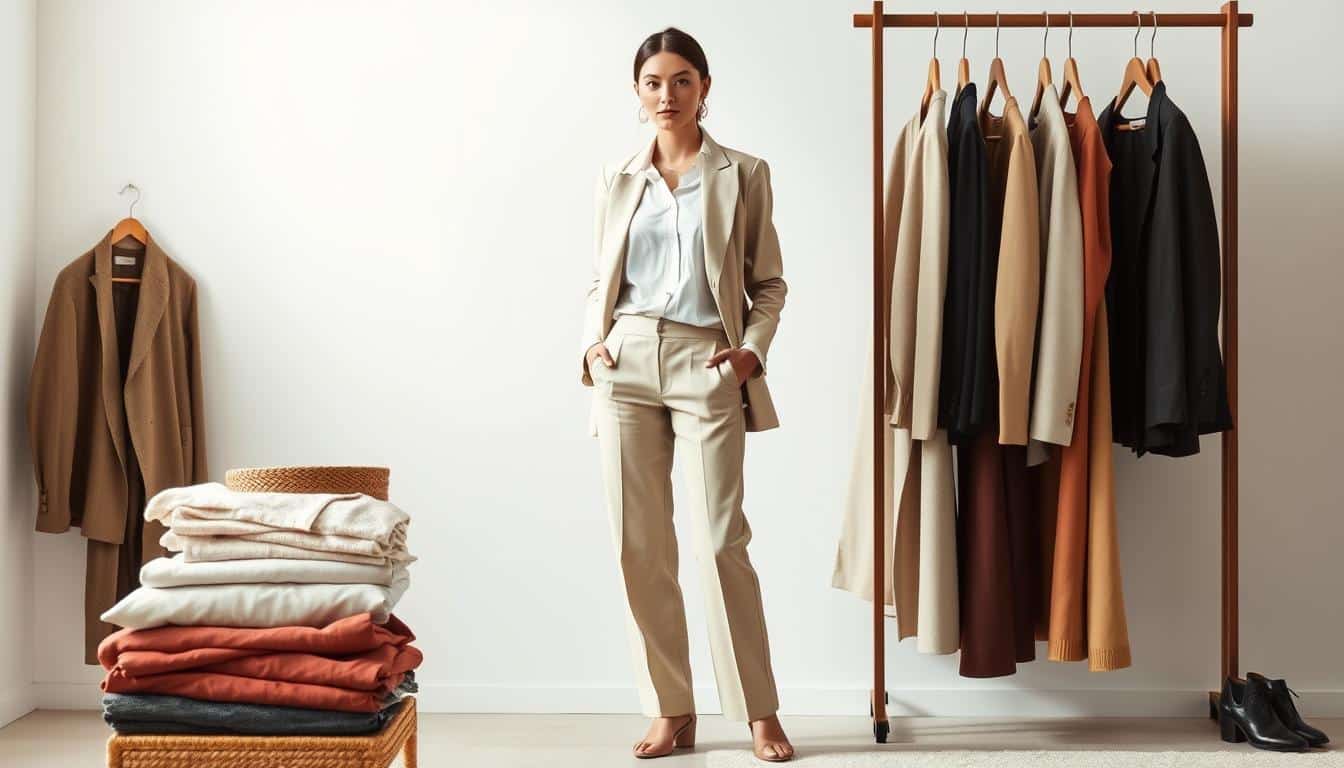
Real-world proof: celebrities, culture, and the waste we can avoid
Public figures like Michelle Obama, Meghan Markle, and Kate Middleton repeat looks on purpose. They show that repeated outfits can be memorable, not lazy.
- Repeating clothing stretches your budget and gets value from pieces you love.
- Women face extra judgment for repeating, while men often don’t—this is unfair.
- The fashion industry produces about 92 million tonnes of waste a year. Every repeat cuts that burden.
Think of repeating as a small, practical way to live your values. It’s a kind way to treat your wardrobe and the planet. And it gives you more time for the things you enjoy.
How to rewear clothes fashionably: mix, match, and restyle with ease
Small shifts around a favorite piece can make an outfit feel brand new. I keep things simple so you save time and still enjoy your look.
Anchor outfits with timeless items
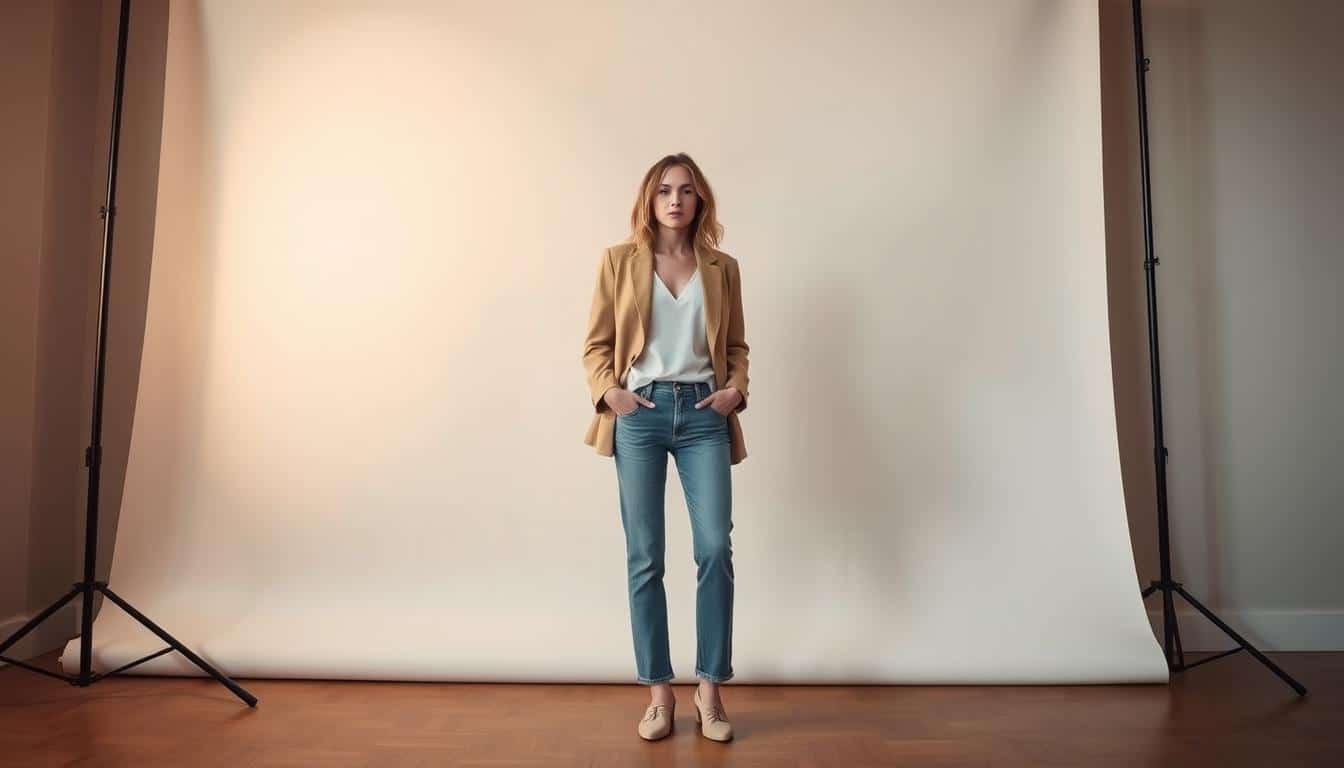
Start with one hero: jeans, a crisp white shirt, or a black dress. Build every outfit around that item and change what’s around it.
Use layers to change the vibe fast
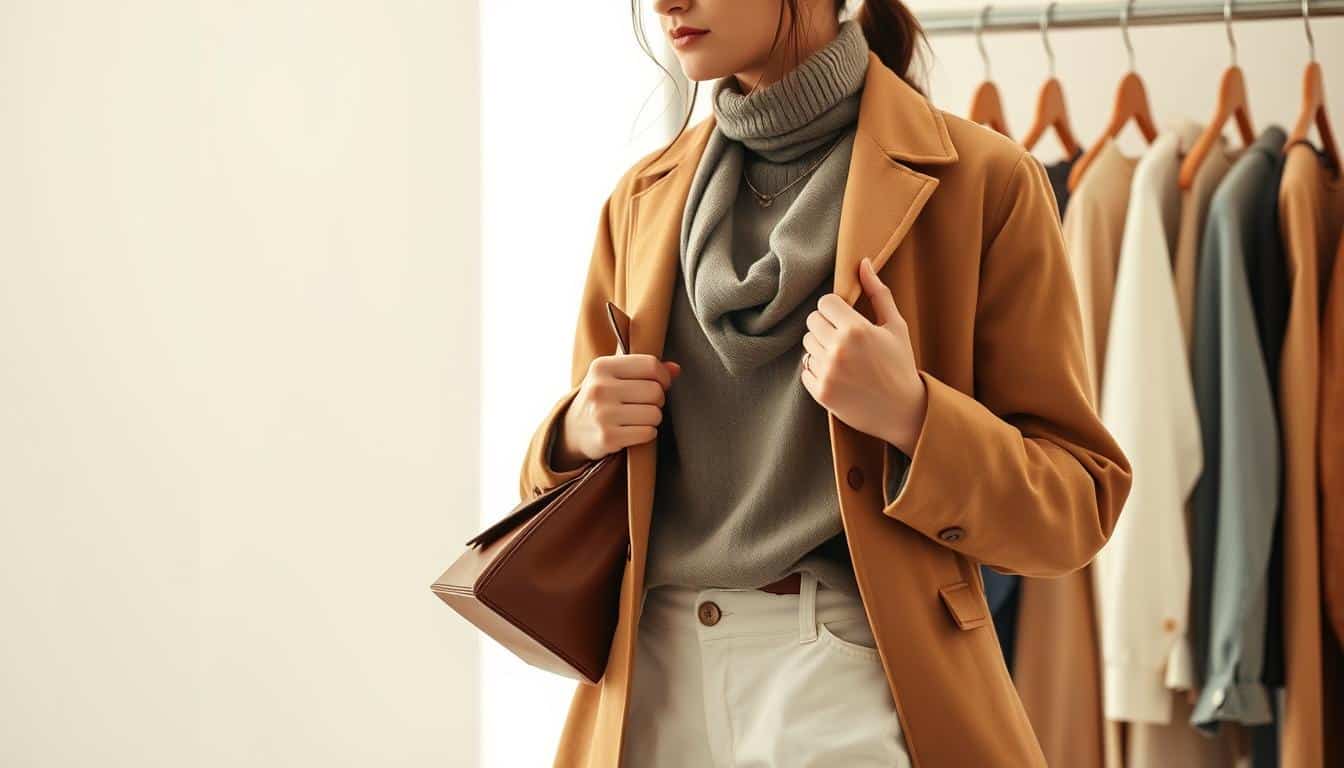
Add a jacket, cardigan, or a shirt under a top. Layers switch the mood in seconds without extra shopping.
Switch accessories to refresh the same item
Change the bag, shoes, belt, or jewelry. Even a different hair part can make the same outfit read new.
Play with proportions and texture
Pair a fitted top with wide jeans or an oversized sweater with a slim skirt. Mix denim, silk, knits, and leather for interest.
Create mini outfit formulas for every day
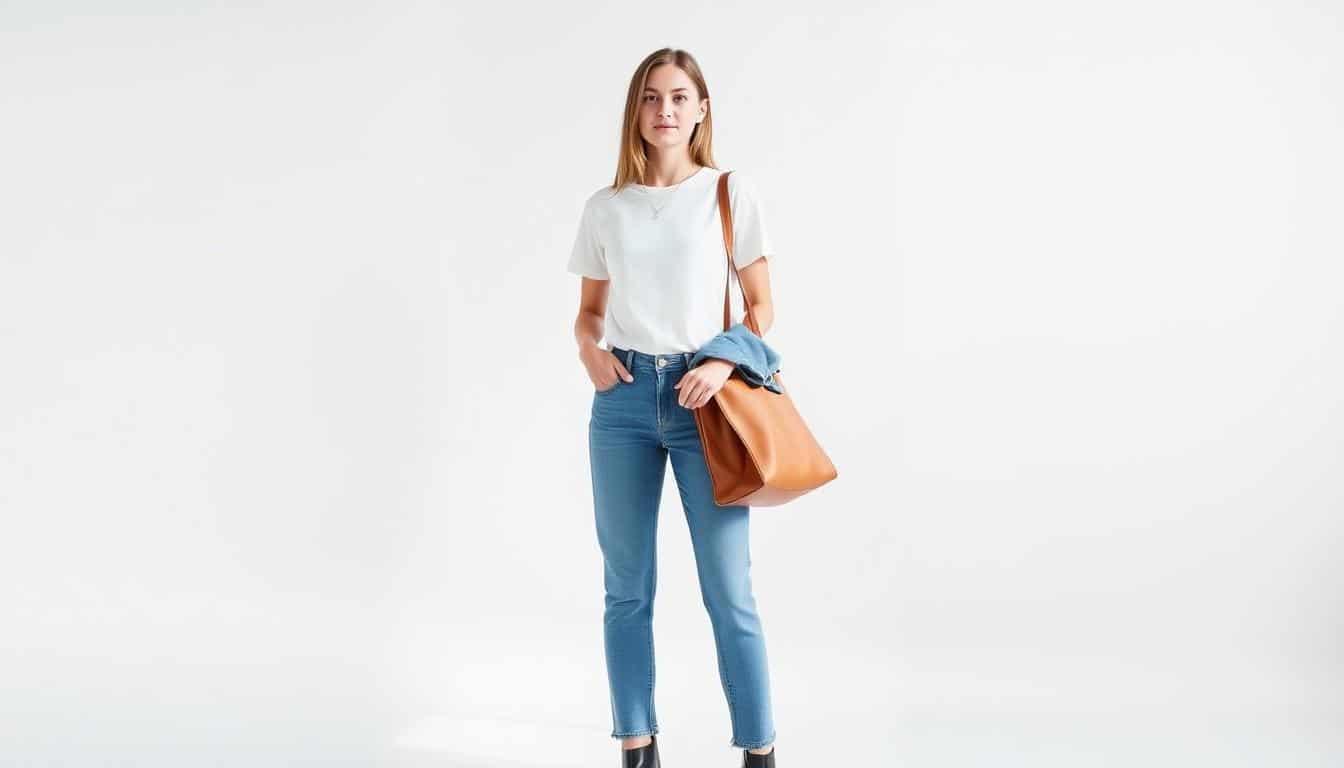
- Jeans + tee + third layer + an interesting shoe.
- White shirt tucked, knotted over a slip, or layered under a dress.
- Black dress with a denim jacket, cardigan, or bold jewelry.
Keep a short list on your phone. When you’re rushed, repeat a proven outfit and feel confident.
Everyday scenarios: work, weekends, and special occasions
A smart rotation keeps your mornings calm and your looks varied without buying more. Pick a base item you trust and change one or two details each time. That little swap makes an outfit feel new and makes you feel ready.
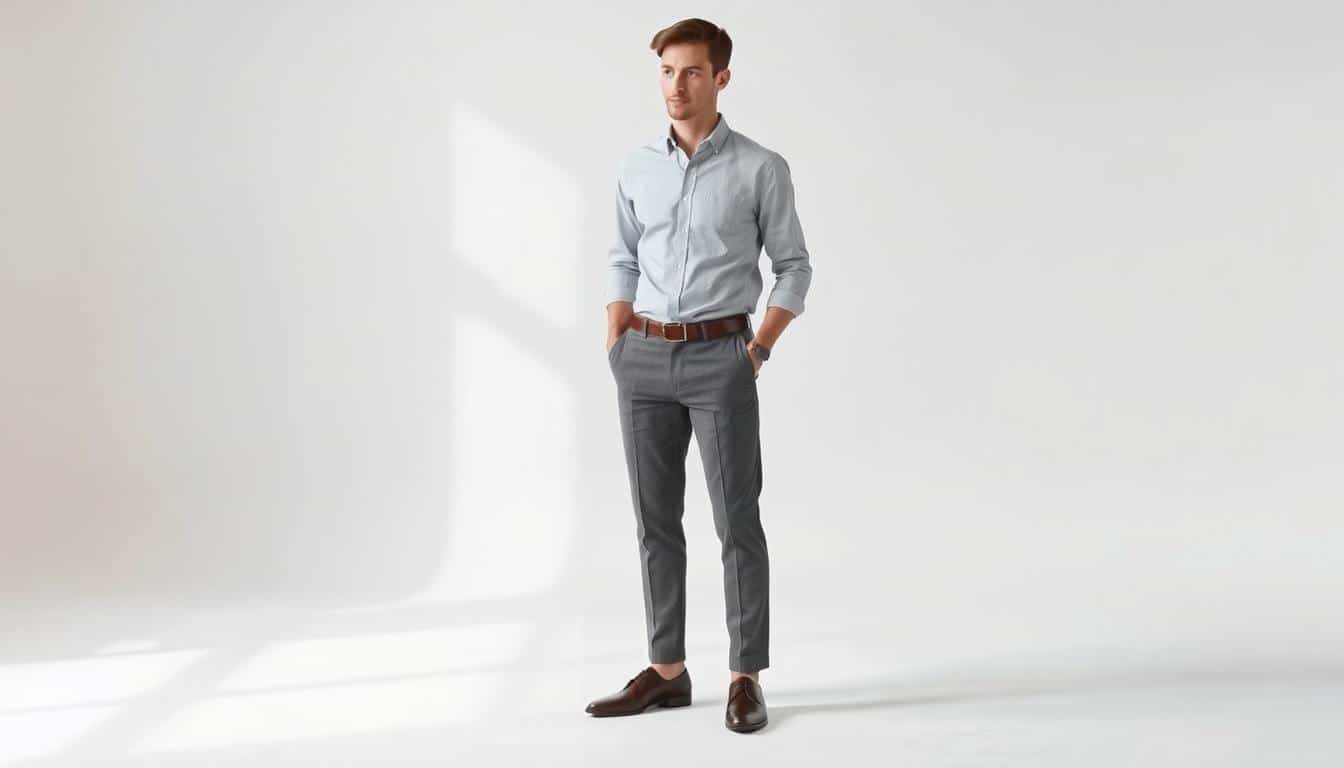
Work-friendly repeats without feeling “same-y”
At the office, use a capsule approach. Start with trousers and a shirt. Then rotate blazers, cardigans, or vests.
Swap shoes or a bag for quick variety. For presentations, pick a reliable outfit and add a bright scarf or bold necklace. It steadies nerves and looks confident.
Event dressing: rewear the dress, change the styling
A dress can appear new with a different belt, shoes, or outer layer. Change hair and makeup for more impact.
If you attend several events in a year, rotate hosiery, clutch, and coat. People rarely notice repeats, and if they do, it can start a good conversation about mindful style.
- Weekend uniform: tee, jeans, sneakers; swap the outer layer and hat for variety.
- Jeans Friday: blazer one week, neat cardigan the next.
- Keep a small rail of ready items for fast mornings.
| Scenario | Base item | Simple swap | Result |
|---|---|---|---|
| Workday | Trousers + shirt | Blazer, cardigan, or vest | Fresh, office-appropriate outfit |
| Casual weekend | Tee + jeans | Utility jacket, bomber, or hat | Relaxed, different mood each day |
| Special occasion | Little black dress | Belt, earrings, shawl, or blazer | Evening-ready without new shopping |
Conclusion
Wearing a favorite item more than once can feel liberating, not lazy. It helps cut waste and makes getting dressed easier each day.
You don’t need more clothes to have better outfits. Pick a steady outfit you love and experiment around it. Change shoes, a bag, or a scarf and notice the difference.
Try one small challenge this week: pick a top or dress and style it two fresh ways. Note what worked and add those looks to a short list in your closet.
Repeating is a sensible fashion choice many women now embrace. It stretches clothing life, lowers waste, and lets you enjoy your things more. I’m rooting for you—wear what you love and go have a good day.