Have you ever stood in front of an empty suitcase, completely paralyzed by what to bring? I know that feeling well. I used to pack for every single “what if”—resulting in a monstrous bag I’d struggle to haul up cobblestone streets or into tiny train stations.
My perspective changed after an airline lost my luggage for five days. Instead of enjoying my vacation, I was stuck shopping for expensive clothes I didn’t even like. That hassle taught me a valuable lesson.
Creating a travel wardrobe isn’t about sacrifice or losing your personal style. It’s about being intentional. When you choose versatile pieces, you can build many looks from just a few items.
This guide is based on my real-world experience, not perfect fantasies. I’ll walk you through a practical method where every piece earns its place in your bag. You’ll learn to mix and match with ease.
The goal is to make your next journey more enjoyable and far less stressful. These principles work whether you’re planning a quick weekend trip or a longer adventure. Let’s get started.
Key Takeaways
- Overpacking is a common stressor that can detract from your travel enjoyment.
- A strategic, intentional approach to your suitcase saves physical and mental energy.
- Each item you pack should be versatile enough to create multiple outfits.
- Practical advice from real travel experience is more useful than idealized packing lists.
- The same core principles can be adapted for any trip length or destination.
- The focus is on feeling confident and comfortable, not on following strict rules.
- You can absolutely maintain your personal style while traveling light.
Building a Travel Capsule Wardrobe
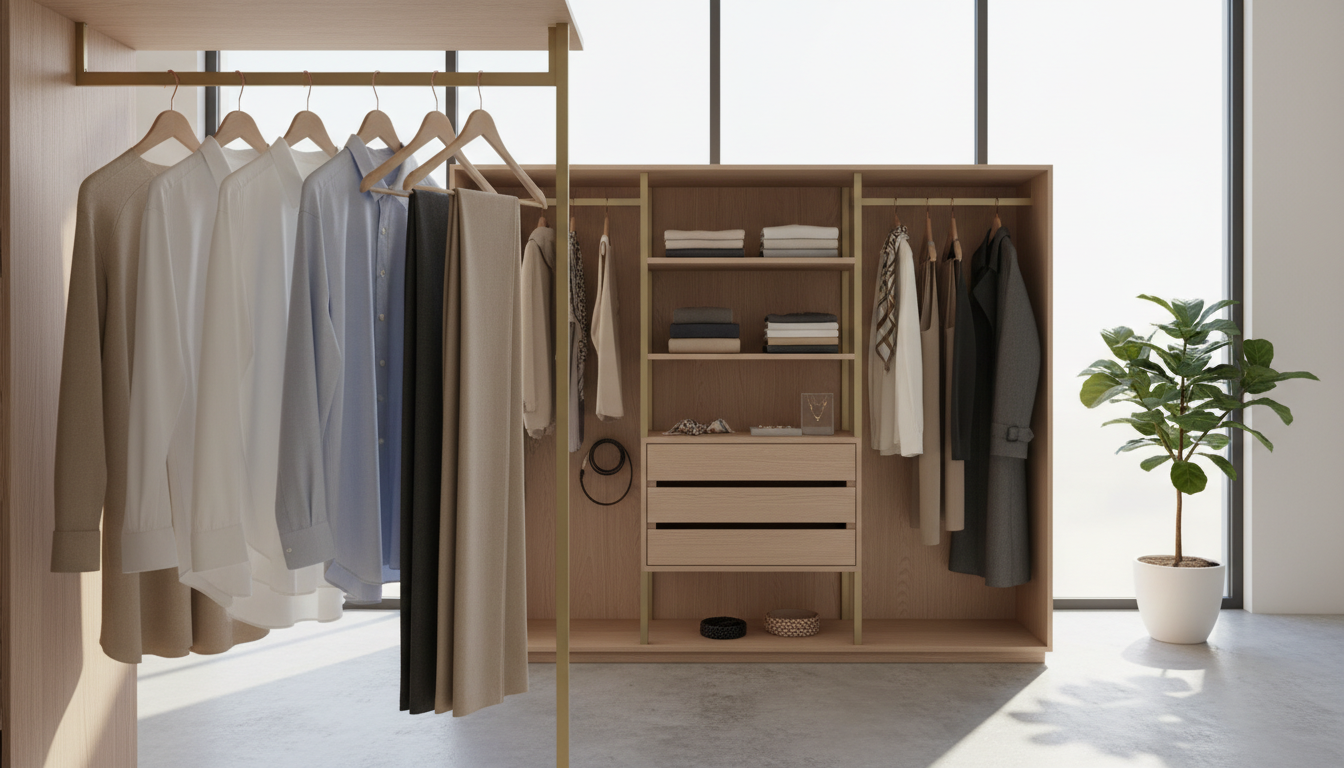
Imagine opening your suitcase to find a collection of clothes that all work perfectly together. That’s the magic of a travel capsule wardrobe. It’s not a restrictive trend. It’s a small, edited set of pieces you can mix and match endlessly.
Choosing Versatile Pieces for Any Trip
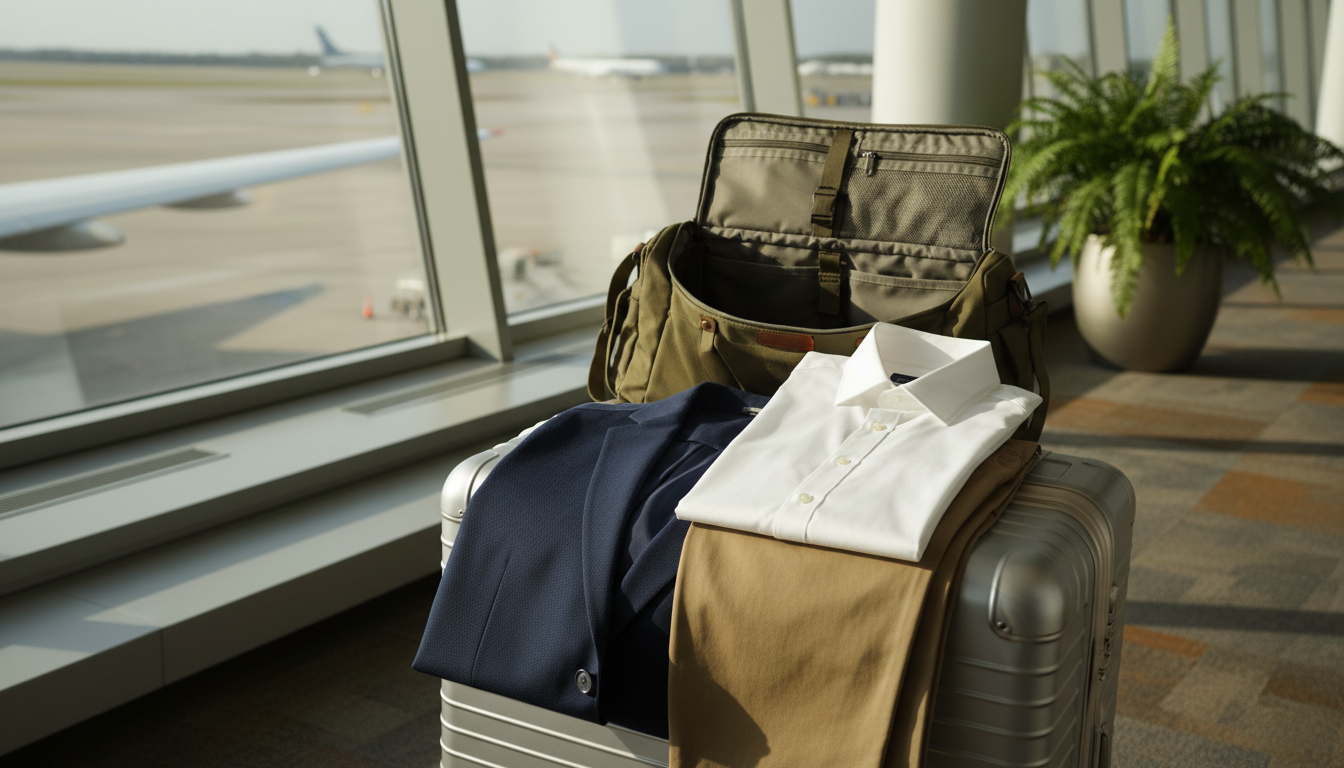
Start with a neutral base. Think navy, black, or tan for your pants and jeans. These colors are forgiving and easy to dress up. Here’s a handy formula: for a week-long trip, pack three bottoms. Then bring six tops.
This math gives you plenty of fresh outfits. Choose tops that can transition. A classic button-down shirt works for a museum visit and a nice dinner.
How to Mix Neutrals with Accent Colors
Add one or two accent colors to your tops. A pop of coral or sage green keeps your look from feeling boring. This is often called “tabletop dressing.”
People notice your top half most. Let your pants be the reliable foundation you rewear. That’s completely normal and expected on any journey.
Remember, building this capsule doesn’t require new clothes. Look in your own closet first. Find items that already coordinate well.
Step-by-Step Guide to Packing Light and Smart
I follow a specific order when I pack, and it always starts from the ground up. This method saves me space and stops last-minute stress. Let me walk you through it.
Deciding on Key Pieces and Layering Options
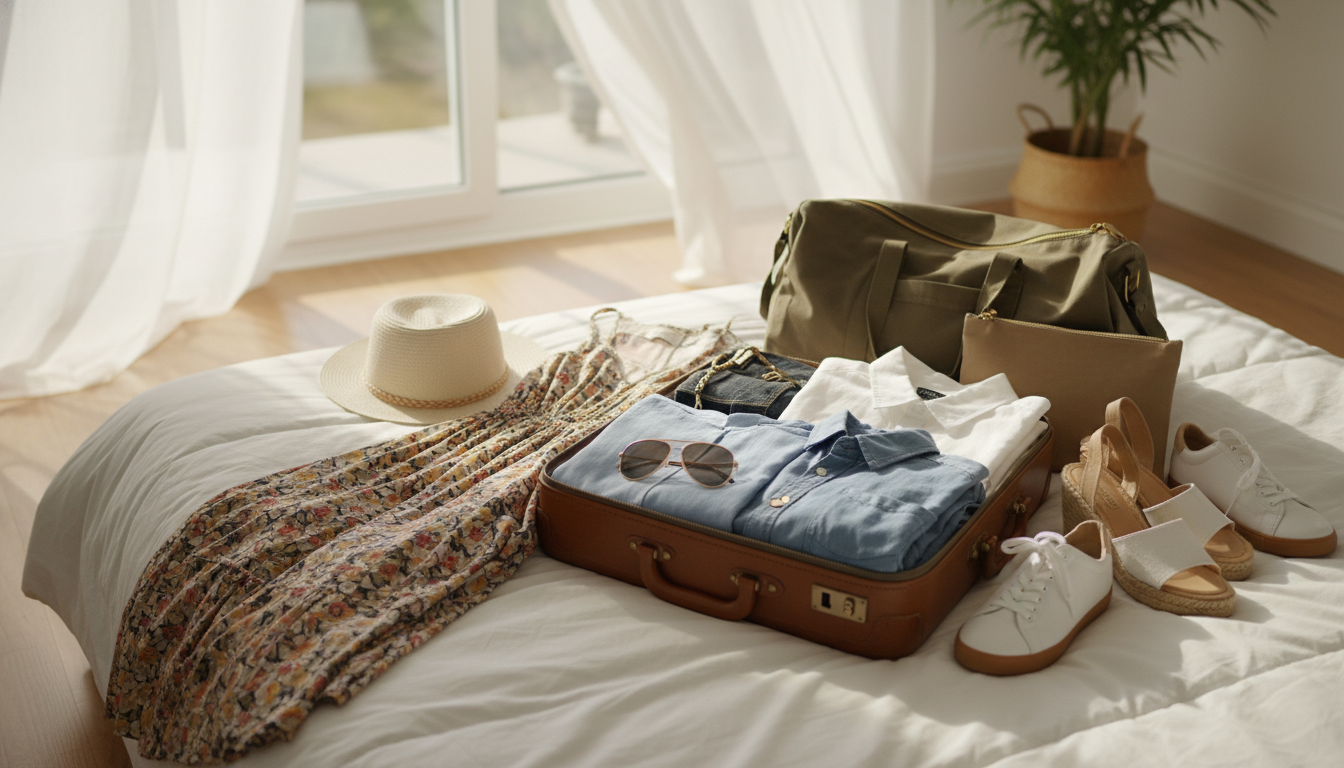
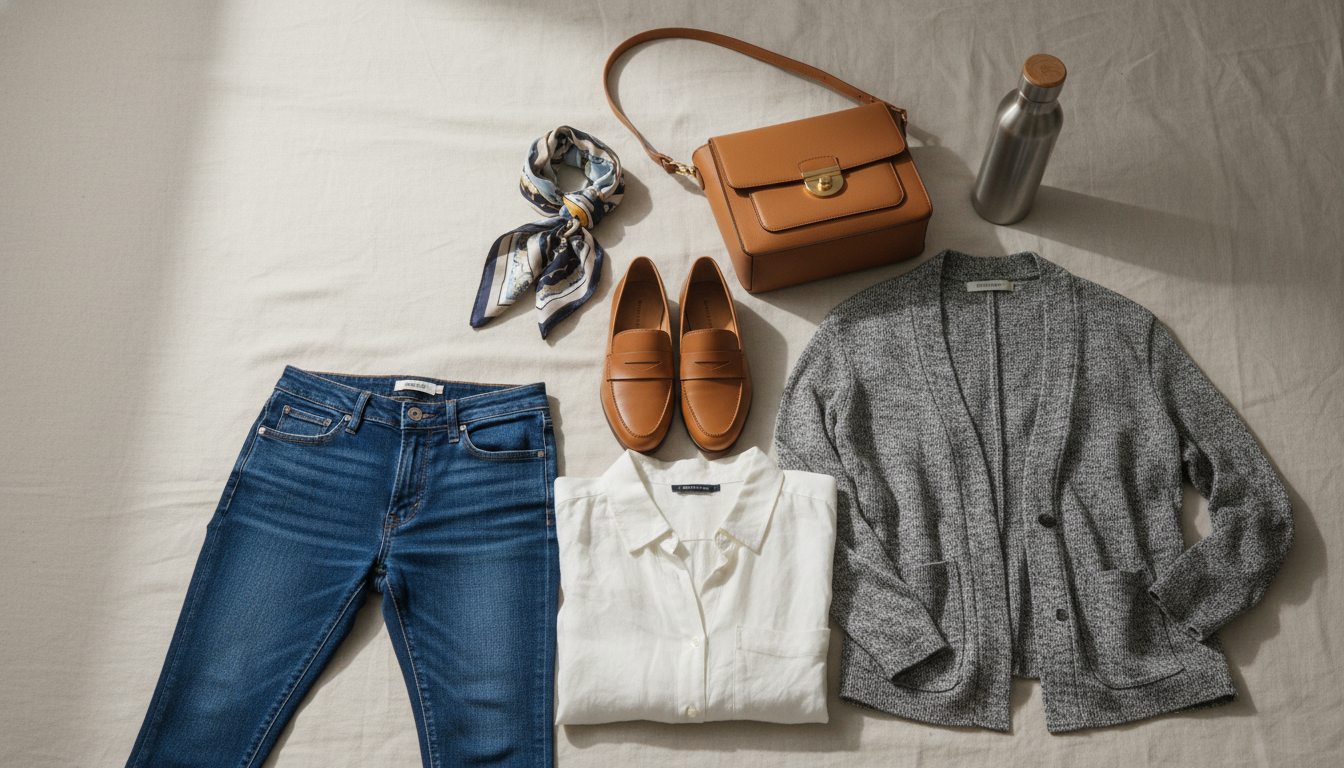
Lay everything out on your bed first. Choose your bottoms—like jeans or a skirt. Then pick tops that work with each bottom.
This creates multiple outfit combinations instantly. Always include a layer, like a cardigan or light jacket. It lets you adapt to changing temperatures throughout your day.
Packing Shoes and Accessories First
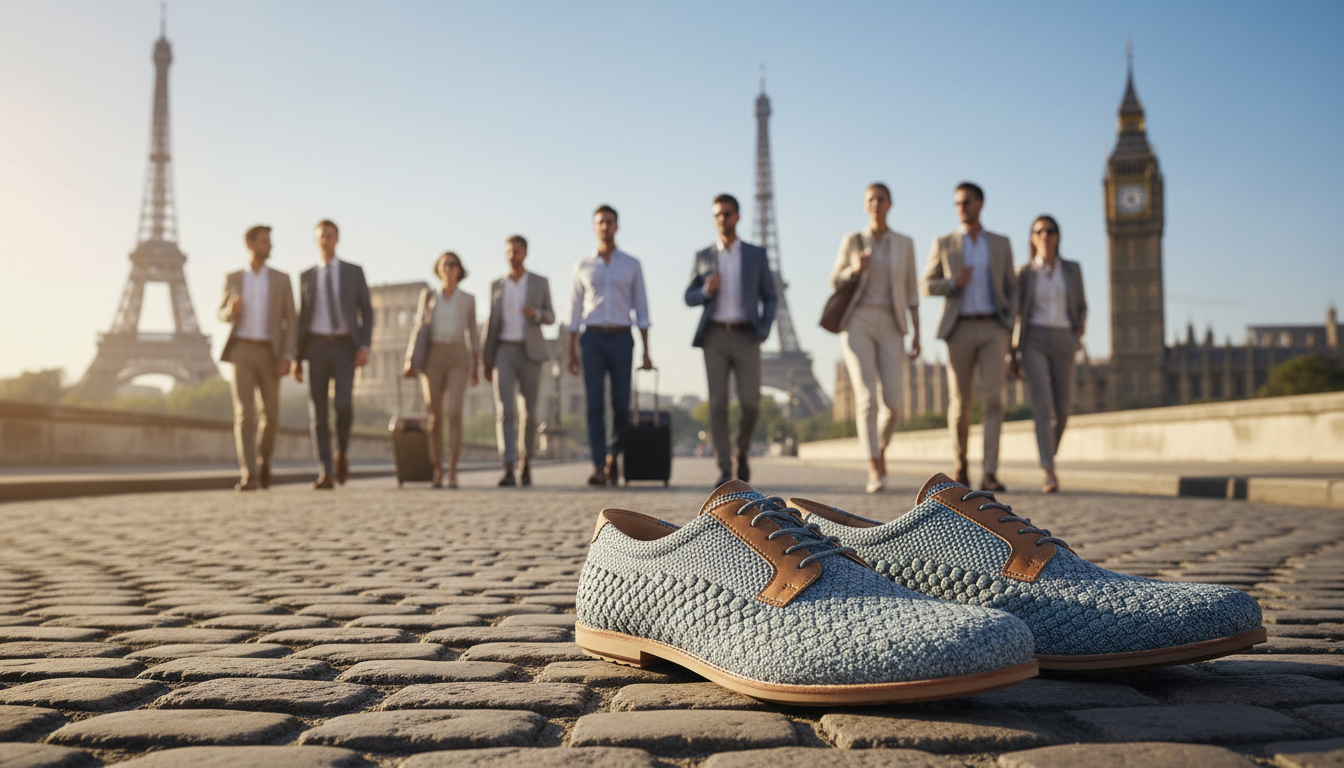
Your shoes are the biggest items in your suitcase. Decide on them first. I stick to a three-pair maximum.
Think: comfy sneakers, a dressier flat, and a seasonal option like sandals. Every pair must be walkable. Neutral colors like black or tan ensure they match every outfit.
Wear your bulkiest shoes on the plane. Pack the others in cloth bags to keep your clothes clean. Remember, what you wear for travel counts as one of your capsule pieces.
This smart way of packing makes your entire trip smoother.
Creating Versatile Outfits That Work All Day
The secret to feeling great on a trip is wearing pieces that adapt as your day changes. You won’t need to haul your suitcase back to the hotel just to change before dinner.
Day to Evening Transitions Made Simple
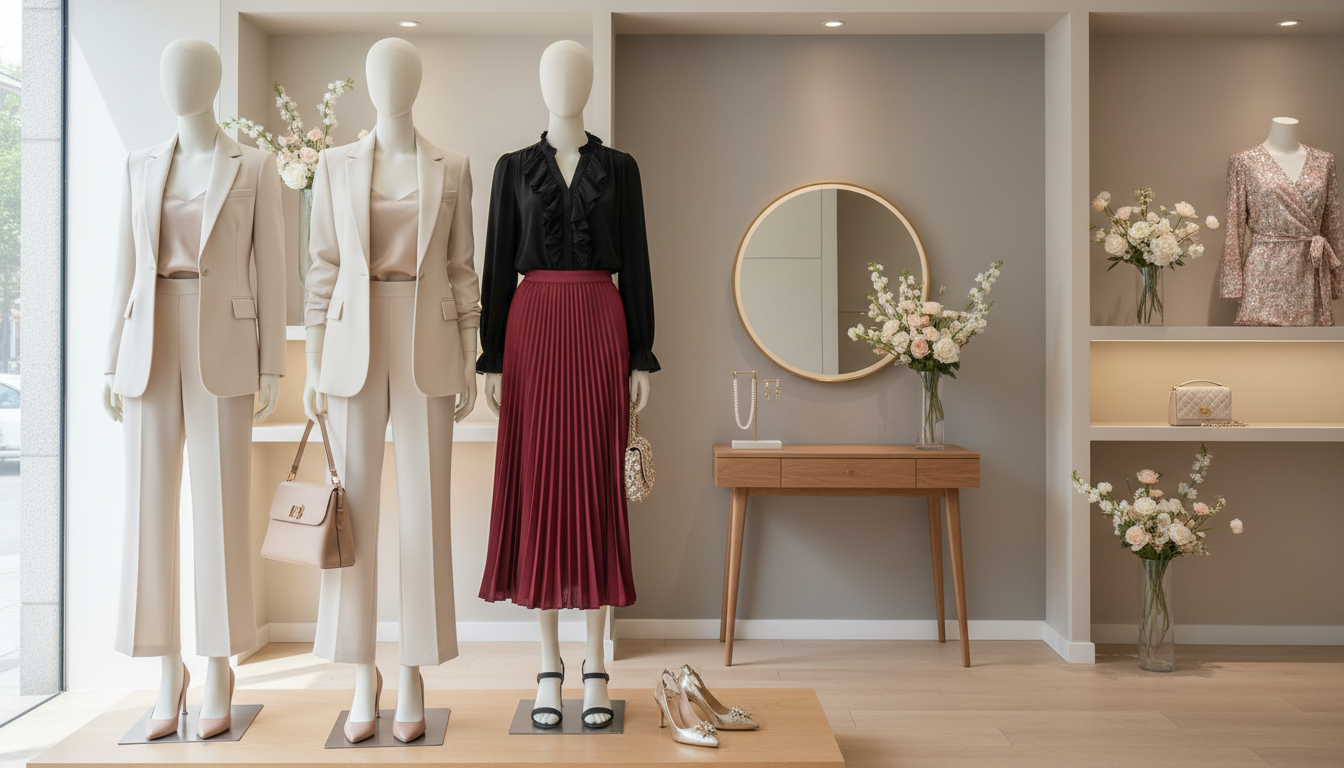
Think about a tee and jeans. For a casual day, you wear them with sneakers. For a nicer dinner, swap the sneakers for flats. Add a blazer and a statement necklace. Your outfit feel is instantly elevated.
Most places you’ll visit on vacation have a “smart casual” dress code. This covers nicer restaurants or a theater outing. A black dress or coordinated separates work perfectly here.
Here are a few quick tips to make any look more polished for the evening:
- Roll up your sleeves.
- Tuck in your shirt.
- Swap a crossbody bag for a clutch.
- Add a lightweight scarf.
You probably don’t need super formal clothes. Unless you have a wedding on your itinerary, skip the “just in case” items. Save that space.
Accessories do the heavy lifting. A simple black dress looks casual with sandals. With heels and a silk scarf, it becomes elegant.
My favorite trick? Pack a bold lipstick. A statement lip can change your entire look in seconds. It takes you from daytime fresh to evening glam.
Creating versatile travel outfits isn’t about having a million options. It’s about choosing pieces you can style different ways. You’ll feel put together from morning until night.
Easy Travel Tips for Simple Packing Outfits for Women
My biggest travel hack isn’t a clothing item—it’s a simple organizational tool called a packing cube. If you’re skeptical, I get it. I thought they were just another gadget too. But they genuinely transform how you pack and stay organized.
Utilizing Packing Cubes and Compression Bags
Packing cubes keep similar items together. They stop your clothes from shifting and wrinkling in your bag. When you arrive, you can unpack in seconds by placing the cubes right into a hotel drawer.
I roll my clothes into the cubes. This lets me see everything at a glance. Rolled items also take up less space than folded ones.
Compression cubes are worth it for longer trips. They can reduce volume by about 30%. Use them for bulkier items like sweaters.
Don’t forget the wasted spaces in your suitcase. I use slim cubes to line the spots around the handle mechanism. This maximizes every single inch.
For dirty laundry, I use separate compression bags. They contain odors and keep used clothes away from clean ones. The compression also creates a little extra room for souvenirs on your return trip.
Using different colored cubes saves so much time. Put tops in one, bottoms in another. You can grab what you need without creating a mess. For a complete list of what to put in them, check out this travel clothing checklist.
Practical Accessories and Packing Tools You Need
Accessories are your secret weapon for looking put-together without overstuffing your bag. The right tools turn organizing your suitcase from a chore into a smooth process. Let’s dive into the small items that make a big impact.
Essential Accessories to Elevate Your Look
I pack a few key pieces to change my entire vibe. Limit jewelry to 2-3 necklaces and a couple pairs of earrings in one metal color. This keeps everything coordinated.
Never travel without a scarf or two. They add personality to your tops and work as a plane blanket or beach cover-up. It’s a lot of value from one lightweight item.
I wrap my costume jewelry in a soft t-shirt to prevent tangles. Later, I wear that same shirt. Leave expensive pieces at home for safety and peace of mind.
Gadgets and Tools for Organized Packing
Beyond cubes, a foldable tote is great for souvenirs. For toiletries, I skip the liquid mess. Detergent sheets are perfect for sink laundry.
Get creative with your beauty routine. A contact lens case can hold a week’s foundation. Use a cotton ball soaked in your favorite scent instead of a perfume bottle.
You don’t need to shop for every gadget. Solid toothpaste bits and lotion bars are worth buying before you go. They free up space and simplify your style.
Adapting Your Wardrobe for Different Climates and Occasions
Packing for a trip becomes trickier when you’re facing unpredictable weather or a packed itinerary. With a flexible approach, you can handle anything your journey throws at you.
Layering Techniques for Fluctuating Temperatures
I always check the weather at my destination right up until I leave. I learned this the hard way. A July trip to Paris had me shivering in 50-degree rain.
Summer doesn’t always mean hot. Always pack one “unseasonable” item, like a cardigan. It’s perfect for chilly evenings or overly air-conditioned museums.
For big temperature swings, I dress in three layers:
- A light base layer, like a tank top.
- A middle insulating layer, such as a long-sleeve tee.
- A weather-resistant outer layer you can easily remove.
For winter travel, a packable down coat is a lifesaver. Choose pants over skirts for extra warmth on cold days.
Special Outfits for Unique Events and Activities
Think about your activities before you choose clothes. What you need for a Costa Rica adventure is totally different from a cultural trip to Japan.
If your vacation includes a special event like a wedding, bring one dressy outfit. A versatile dress or elegant separates create a polished look without wasting space.
Be realistic about your itinerary. If you’ll be walking for miles, leave uncomfortable shoes at home. Make sure your garments work as hard as you do.
Conclusion
The goal isn’t a perfect suitcase, but a journey where you feel comfortable and free. Use these ideas as a flexible guide, not a strict rulebook.
Your personal style and trip needs should shape your final choices. Some travelers prefer more variety, while others pack ultra-light. Both ways are valid if they work for you.
Start with these principles on your next vacation. Adjust as you learn what makes your outfit feel right. Travel dressing is a skill that improves with time.
Even if your first attempt isn’t perfect, it’s better than hauling a heavy bag. Building a capsule wardrobe gets easier with each trip.
Bookmark this guide for future adventures. Adapt the tips for different seasons and destinations.
I hope these strategies help you focus on making memories, not worrying about clothes. Share your own successes with me—I’d love to hear what works for you.