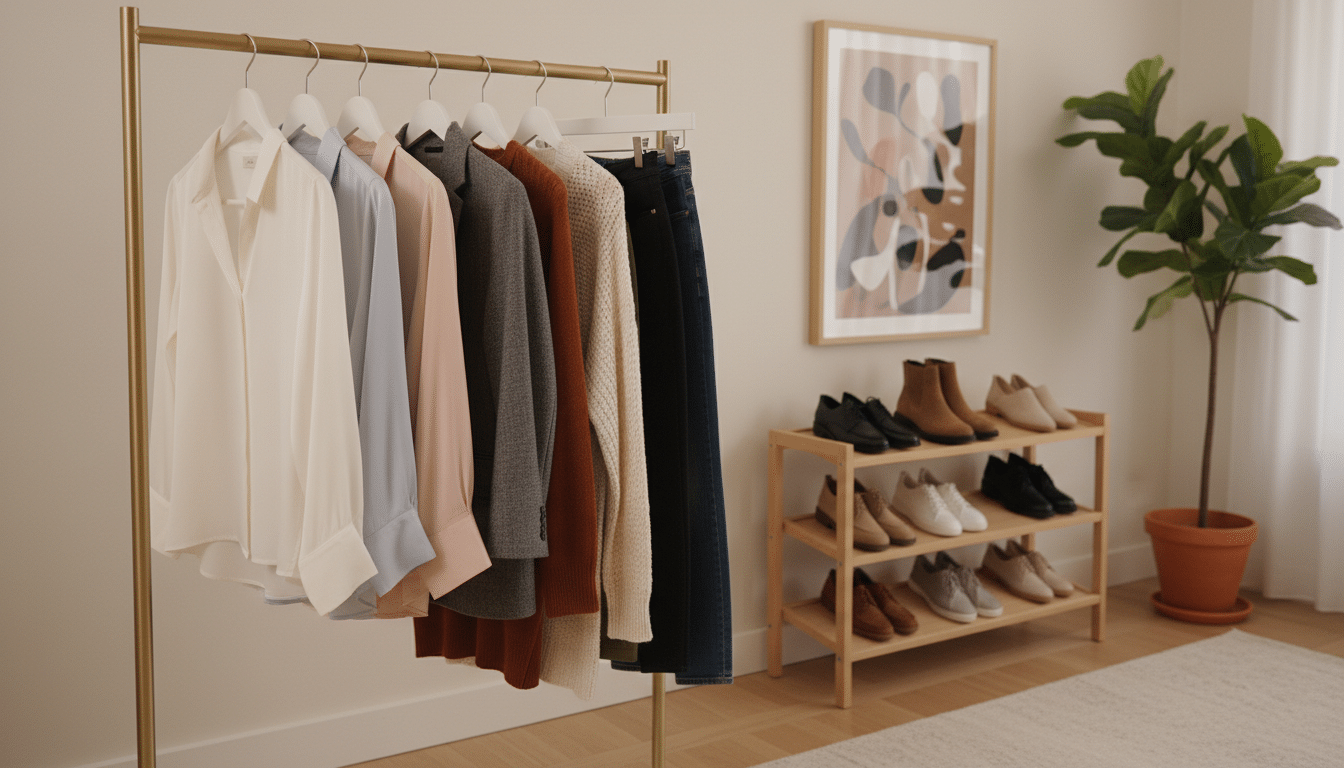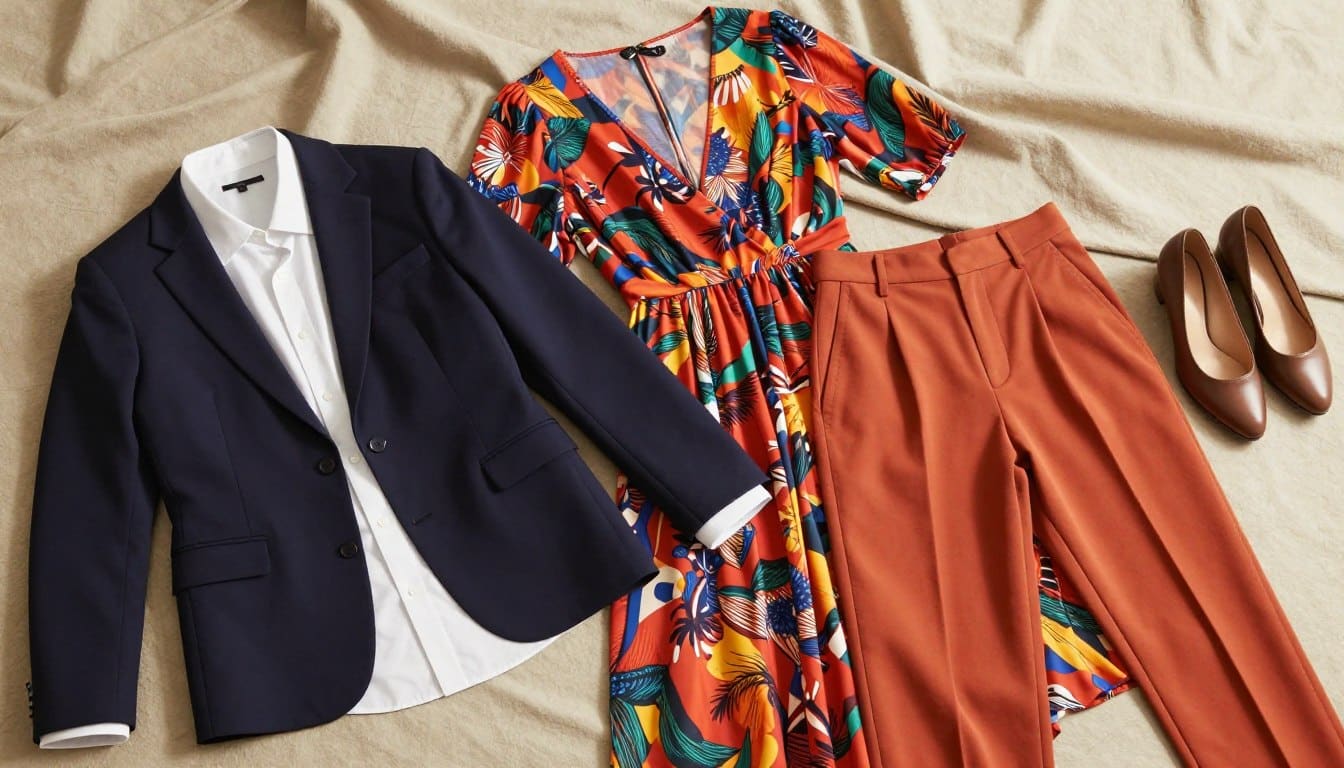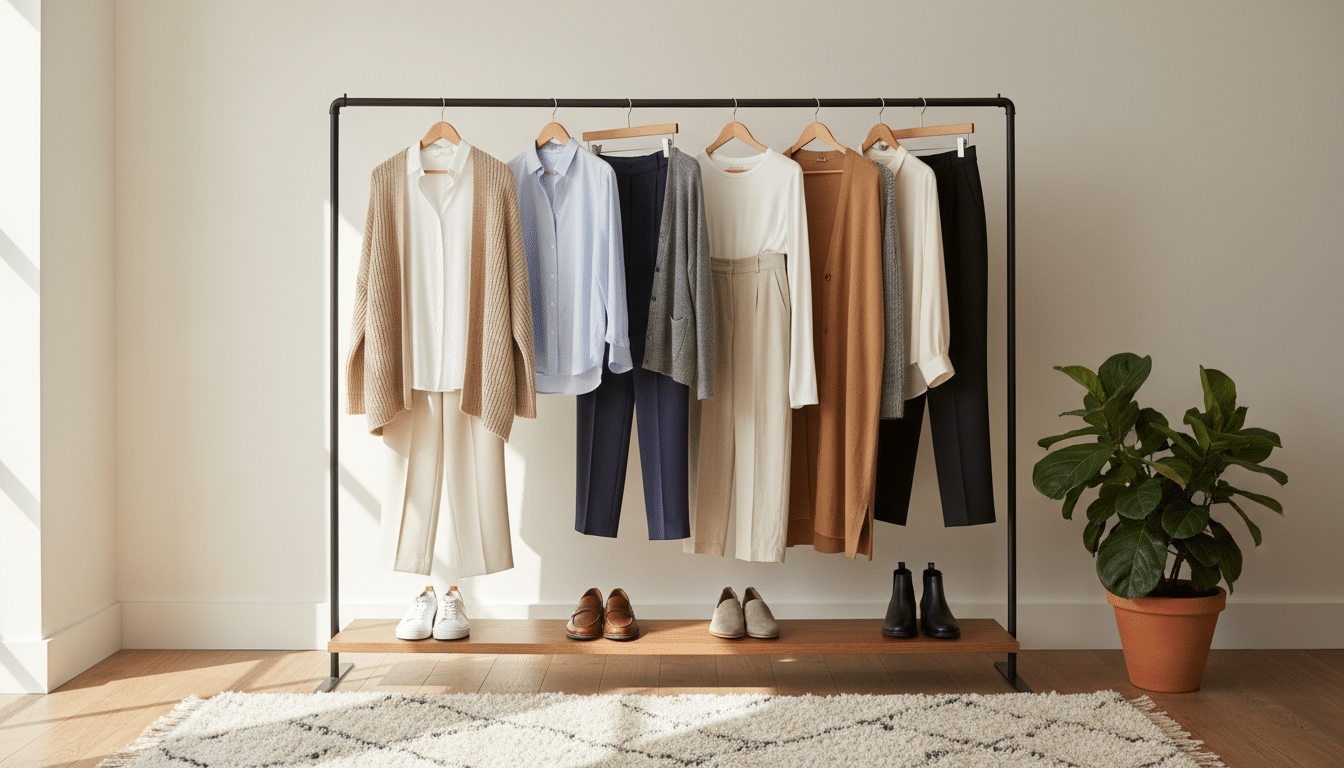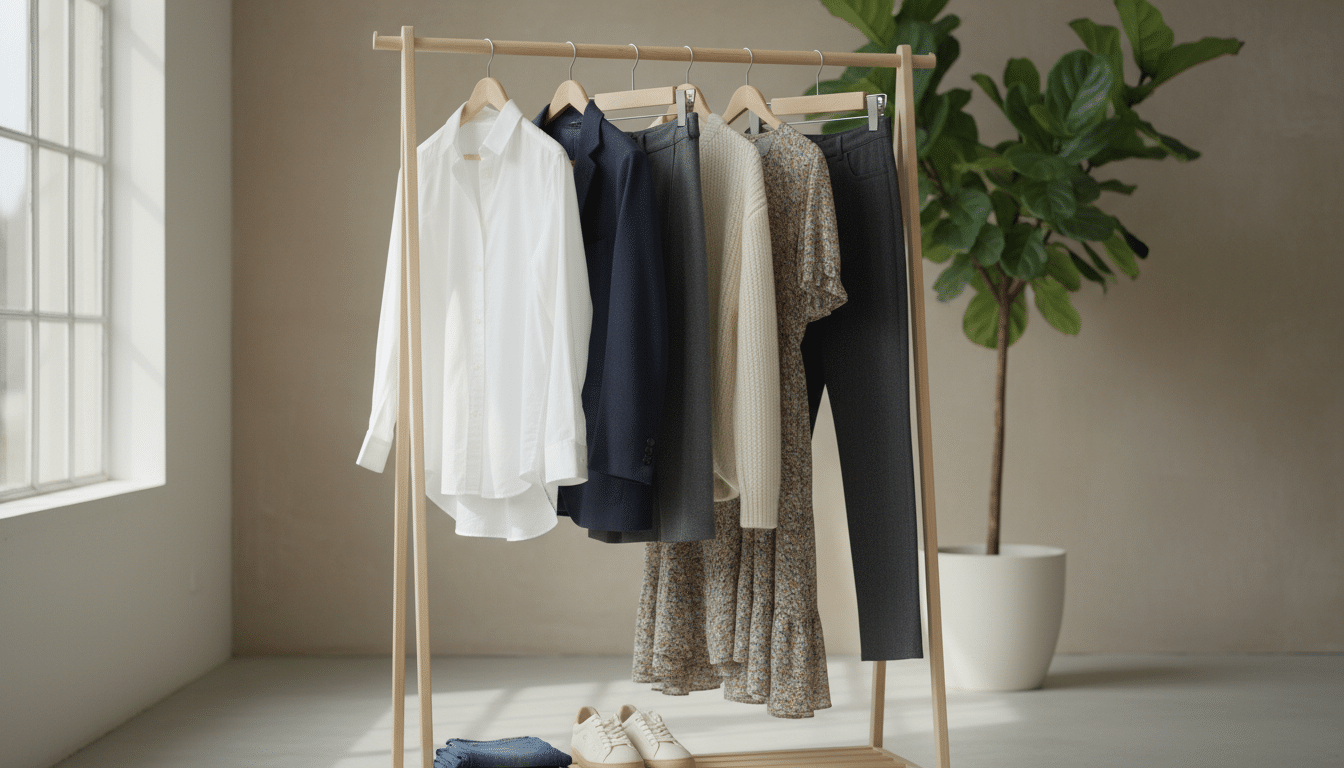
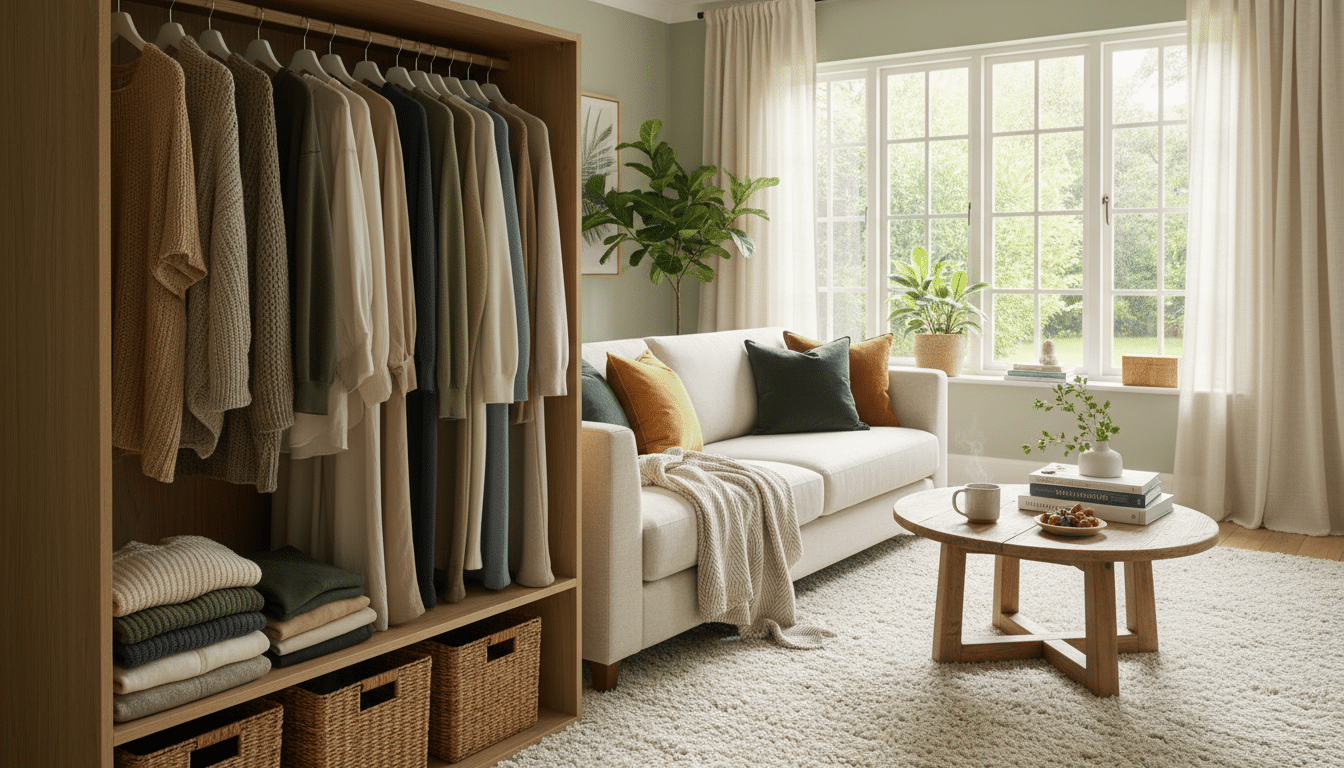
I’ll be honest: a capsule wardrobe for stay-at-home moms changed how I start my day. It strips away decision fatigue and leaves room for the small, messy joys—pancake batter on the counter, a library run, a nap on the couch.
This is practical, not polished. I mean fewer pieces that mix and match, clothes you actually wear while cradling a toddler or folding laundry. Comfort matters—so does looking like yourself.
By the end you’ll have a simple color palette, a decluttered closet, and a handful of reliable outfits for school drop-off, errands, and playtime. You won’t need a shopping spree; I’ll show you how to use what you already own and fill gaps slowly.
Ready to make mornings easier? Let’s design a small, flexible set of staples that respect real life and help you feel steady and put-together without extra effort.
Key Takeaways
- Fewer pieces mean easier choices and more repeated outfits.
- Start with what you own; add a few gap-fillers over time.
- Comfort can be stylish—choose durable, easy-care clothing.
- Pick a simple color palette to maximize mix-and-match potential.
- Focus on real-life needs: playtime, errands, and quick outings.
- Small, step-by-step changes beat a big, stressful overhaul.
Why I Swear by a Capsule Wardrobe on Busy Mom Days at Home
Some mornings I have five minutes and a kid on my hip—so choices have to be fast. A small, thought-out capsule wardrobe cuts the guesswork and gives you calm instead of chaos.
How fewer clothes can mean more outfits (and less stress)
When pieces actually match, you get more outfits without extra stuff. I pair a neutral tee with jeans, then add a sweater or jacket. That one combo turns into three looks fast.
What “put together” looks like in real life
Put together doesn’t mean perfect. It means clean, comfy, and ready for errands, pickup, or playground time. Think leggings + long button-down + denim jacket or a simple dress with sneakers.
Confidence matters, even on quiet days
Getting dressed can lift your mood during laundry and snack duty. Even a hat or a single layer helps you feel intentional.
- Less mental load: fewer things to decide about each morning.
- More time: faster choices and simpler laundry loops.
- Style that serves real life—practical, wearable, and forgiving.
| Quick Outfit | When | Why it works |
|---|---|---|
| Leggings + button-down + denim jacket | Playdate or errand | Comfort + layered polish |
| Jeans + neutral tee + cardigan | School pickup | Simple and moveable |
| T-shirt dress + sneakers | Quick coffee | Zero fuss, still intentional |
Start with Your Real Life, Not an Ideal Closet
Start by looking at a single week—what you actually do, not what you wish you did. This makes planning honest and useful. Write down the parts of your week that repeat: at-home play, park runs, appointments, and quick errands.
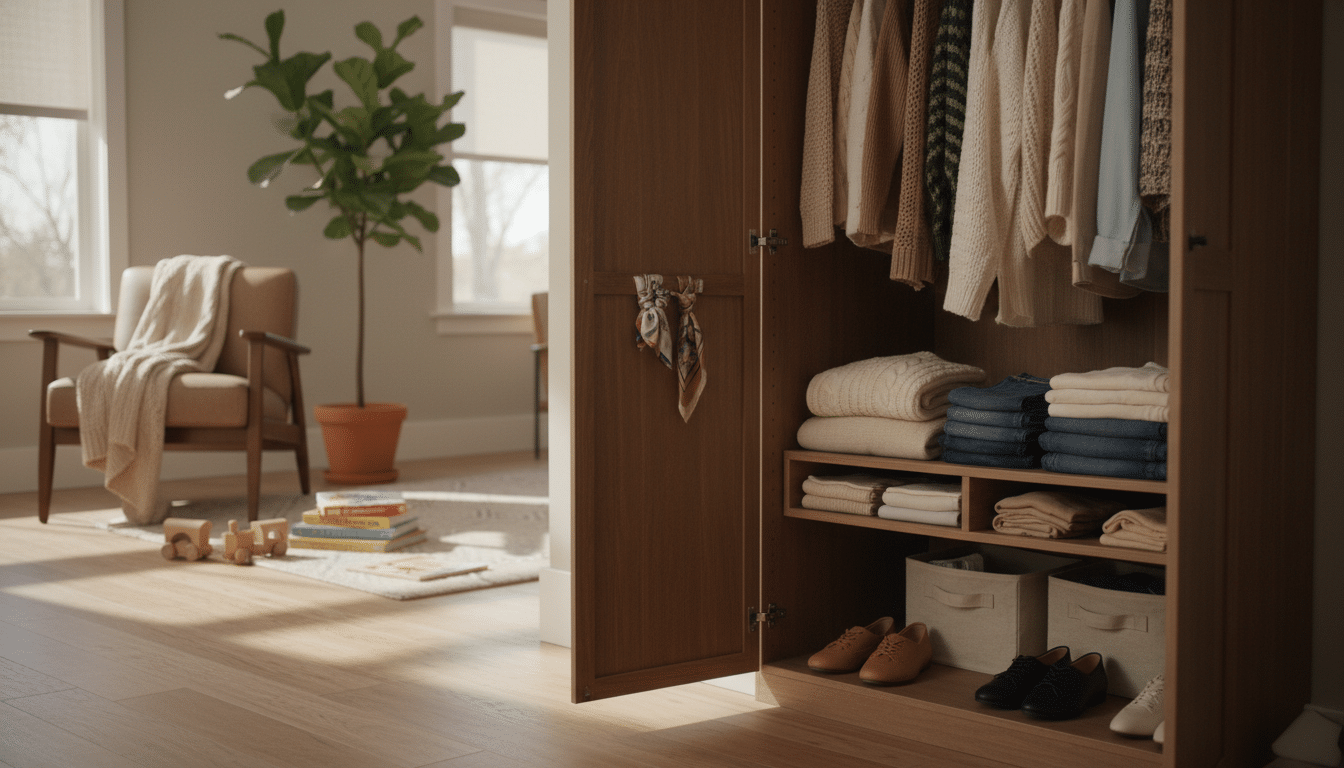
Think through your week: at-home time, kid activities, and quick outings
Do a one-week audit. Note where you need to move freely and where you might want to look a bit sharper.
Count the days you mostly stay at home versus the days you leave the house. That tells you which items to keep close.
Comfort rules that still look nice
Choose soft knits and cotton blends that wash well. Look for waistbands you can breathe in and sleeves that stay put during play.
Pick machine-washable clothes so spills don’t mean special care. Simple fabrics make daily life easier.
If you’re nursing or postpartum: practical details that make outfits easier
Favor button-fronts, wrap tops, and stretchy necklines. These let you feed or pump without fuss.
Keep pieces that fit now, not a future size. Comfort matters every day—and you deserve it.
- Quick week audit: note repeated activities and dress to match them.
- Baseline mom uniform: 2-3 trusted tops, comfy bottoms, and one layer you love.
- Pick easy-care fabrics and nurse-friendly designs when needed.
| Action | Why it helps | Example items |
|---|---|---|
| Week audit | Build around real needs | List of daily activities |
| Choose fabrics | Low maintenance and comfy | Cotton blends, soft knits |
| Nursing-friendly pieces | Fewer outfit adjustments | Button-front top, wrap dress |
| Keep what fits now | Wearability today | Clothes that move with you |
Pick a Simple Color Palette That Makes Mixing and Matching Automatic
A tiny color plan makes outfit choices instant—no fuss, just match. When most pieces share base tones, almost any top will work with almost any bottom. That one change cuts morning stress fast.
Easy approach: neutrals plus a couple colors you actually wear
Try 2–3 neutrals you already grab (navy, cream, denim) and 1–2 colors you truly love. This color palette formula helps you build outfits without thinking much.
Pick neutrals that suit your life—avoid white if fingerprints stress you, pick navy if you want forgiving stains. Then add a pop like rust or olive that you’ll repeat.
How stripes, graphics, and prints fit without chaos
Stripes and simple prints act like neutrals when the rest of your closet stays calm. A navy-and-white striped tee or a casual graphic tee can be your “fun piece.”
- Limit loud patterns to one or two items.
- Repeat base colors inside prints to keep looks cohesive.
- Quick test: if three bottoms don’t match a top, it probably shouldn’t stay.
| Palette | Example Tops | Match Ideas |
|---|---|---|
| Navy + cream + rust | Striped tee, cream shirt | Jeans, linen pants, denim jacket |
| Black + grey + olive | Graphic tee, neutral sweater | Leggings, dark jeans, cardigan |
| Denim + beige + blush | Chambray, blush tee | Light jeans, midi skirt, sneakers |
Small shifts are fine each season — you won’t rebuild from scratch. Need more ideas? See my tips on warm and easy travel outfits.
Clear the Closet Without Overthinking It
A quick, no-drama reset will free up space and save you time every morning. I keep this short and kind—no shame, just practical steps that respect your life right now.
What to keep: pieces that fit right now and wash well
Keep items that fit and make you feel like yourself. Choose clothes that survive real laundry and repeat wears.
Prioritize pieces you reach for in the week. If it earns spots in regular outfits, it stays.
What to let go: items you don’t love, don’t wear, or only match one thing
Let go of things that sit untouched or only pair with a single top. Those create outfit dead ends.
Use three piles: keep, donate, maybe. Move fast—decisions stick when you don’t overthink.
A simple way to organize by type and color so mornings go faster
Group by type first: tees, long sleeves, sweaters, jackets. Then sort each group by color.
Keep your most-worn pieces at eye level. That small tweak saves minutes every morning.
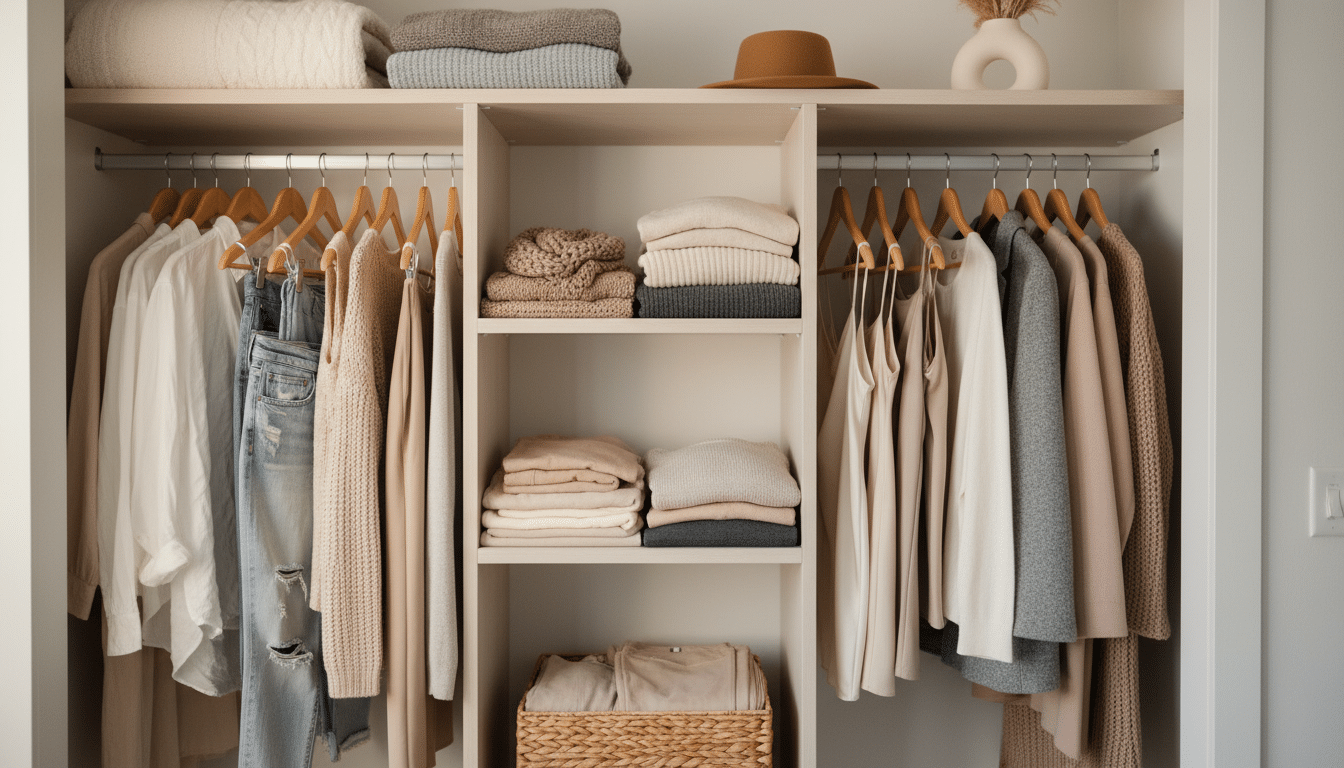
- No-drama reset: set a 30-minute timer and work one shelf at a time.
- Five-minute maintenance: tidy every two weeks so the system lasts.
- Remember: letting go makes room for clothes that fit and support your current season.
| Step | Action | Benefit |
|---|---|---|
| Sort | Keep / Donate / Maybe | Fast, clear decisions |
| Organize | By type, then color | Find outfits quickly |
| Maintain | 5-minute reset biweekly | Less clutter over time |
Do this once and you’ll see mornings smooth out. Make sure to be gentle with yourself—this is about ease, not perfection.
My Simple Capsule Formula for Stay-at-Home Moms (About 25 Items)
Here’s a simple, repeatable list you can aim for — about 25 reliable pieces that actually get worn. This is a goal, not a rule. Start with what you have and fill gaps slowly.
Tops that carry the load
Five shirts cover most days: a black or white basic tee, a neutral knit, an elevated basic (nicer fabric), a button-down (great to layer and nursing-friendly), and a graphic tee for personality.
Layers that change the mood
Four outer layers do a lot: denim jacket, cardigan, casual blazer, and seasonal outerwear like a trench or light coat.
Bottoms you’ll actually reach for
Pick four to five bottoms: a trusty pair of jeans, a lighter denim, one colored pair or linen pants, plus leggings or joggers for active days.
One-piece options
Keep 1–2 easy dresses or a jumpsuit. A t-shirt dress or a midi dress means zero thinking on rushed mornings.
Shoes and accessories
Three pairs of shoes usually cover it: an everyday sneaker plus two seasonal options (flats, sandals, or a boot). Add two helpers: a belt to finish looks and a baseball hat for quick hair days.
- Example outfit 1: navy striped tee + light jeans + denim jacket + sneakers.
- Example outfit 2: midi dress + cardigan + flats — instant polish.
- Example outfit 3: basic tee + leggings + blazer for errands that need a tiny lift.
| Category | Count | Examples | Why it works |
|---|---|---|---|
| Tops (shirts) | 5 | Basic tee, neutral top, elevated knit, button-down, graphic tee | Mix-and-match bases, easy repeats |
| Layers | 4 | Denim jacket, cardigan, blazer, trench | Add polish without extra shopping |
| Bottoms (jeans, pants) | 4–5 | Jeans, light jeans, colored pants, leggings/joggers | Comfort + variety for activity levels |
| Shoes & extras | 5 | Sneakers, flats/sandals, seasonal shoe, belt, baseball hat | Covers most outings and quick fixes |
Comfort-First, But Not Frumpy: What “Elevated Basics” Means
You don’t need flashy pieces to feel put-together—just smarter basics that behave better. Elevated basics are the same simple clothes you reach for, but with a little thought put into fabric, fit, and finish.
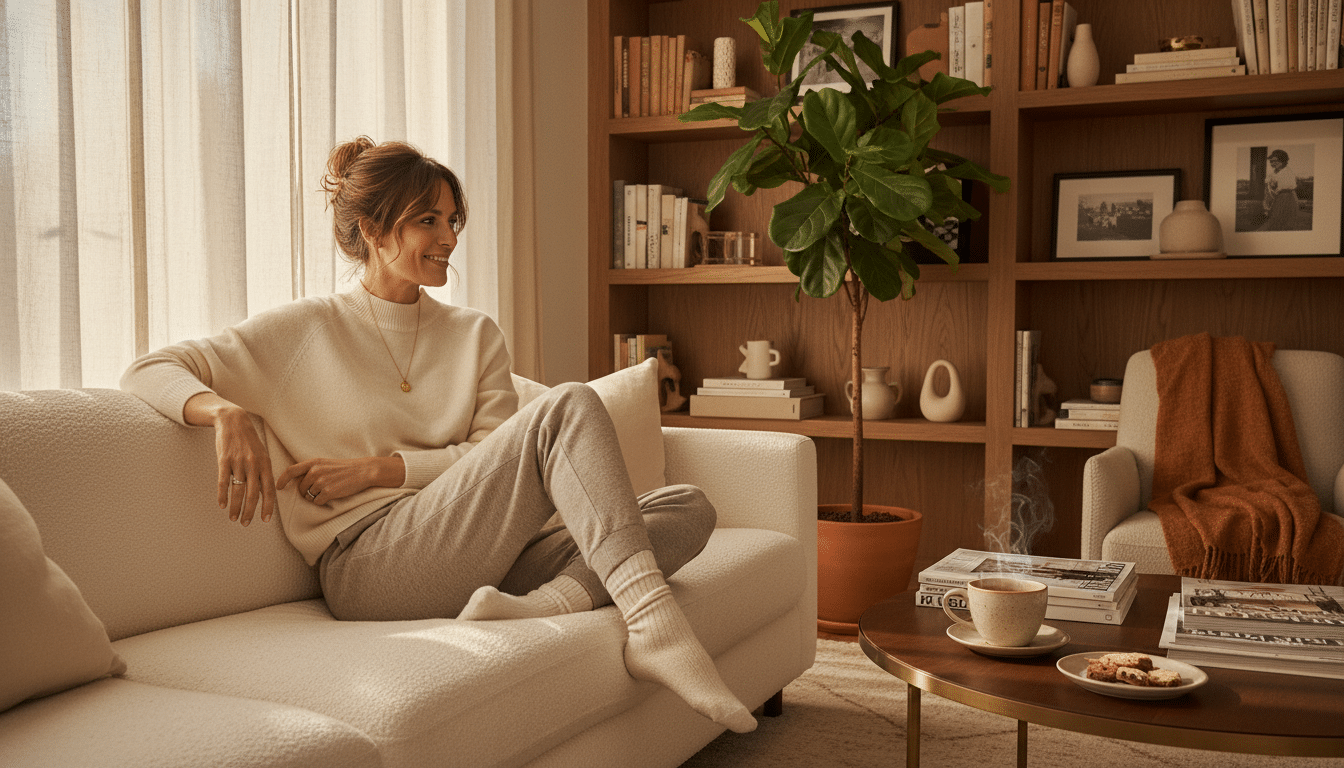
Little upgrades that matter
Look for soft-but-not-thin fabric, seams that last through wash cycles, and waistbands that stay put. These small changes keep pieces looking fresh day after day.
- Better fabric: holds shape and hides wear.
- Stronger construction: no saggy hems or loose threads.
- Smarter fit: tees that skim, not cling; leggings that sit right at the waist.
An easy example that actually works
Try leggings + a chambray button-down (long enough for coverage) + a denim jacket. It’s comfy, easy to move in, and looks intentional for pickup, quick errands, or casual meetups.
| Frumpy | Elevated | Why it helps |
|---|---|---|
| Stretched tee | Structured tee | Looks neater with no fuss |
| Thin, see-through leggings | Opaque, supportive leggings | Confidence to bend and sit |
| Ill-fitting jeans | Well-cut jeans | Simple polish without sacrifice |
Comfort is non-negotiable—you should sit on the floor, carry a child, and still feel like yourself. Elevated doesn’t mean expensive. Thrift stores and sales can get you quality clothing and better construction at a budget-friendly price. That’s the point: small upgrades, big style wins.
Outfit Shortcuts for Days When You Have No Time
When time is tight, a handful of go-to looks keeps stress low and movement easy.
I keep quick outfit templates that work every day. They are easy to copy and fast to grab.
Grab-and-go templates
- Jeans template: basic tee + cardigan + sneakers; striped tee + denim jacket + flats.
- Leggings template: leggings + long button-down + denim jacket; or leggings + elevated sweatshirt + sneakers.
- Dress template: t-shirt dress + sneakers + denim jacket; midi dress + cardigan + flats. Tip: wear bike shorts under short dresses.
How I pre-plan and save outfits
Set aside an hour. Try combos, snap mirror photos, and save them to a phone album named by season.
Organizing photos by spring, summer, fall, winter stops frantic scrolling on rushed mornings.
| Action | Why it helps | Example |
|---|---|---|
| Try on | Find reliable fits | Jeans + tee + layer |
| Photo | Quick visual guide | Save in an album |
| Season folder | Less scrolling | Spring looks / Winter looks |
Panic rule: start with your most comfortable base — jeans, leggings, or a dress — then add one layer and one accessory. Done. You don’t need more than that to feel like yourself.
Seasonal Swaps Without Buying a Whole New Wardrobe
You don’t need a closet overhaul every few months — small swaps do the heavy lifting. Treat the season change like a tweak, not a rebuild. That mindset saves money and time.
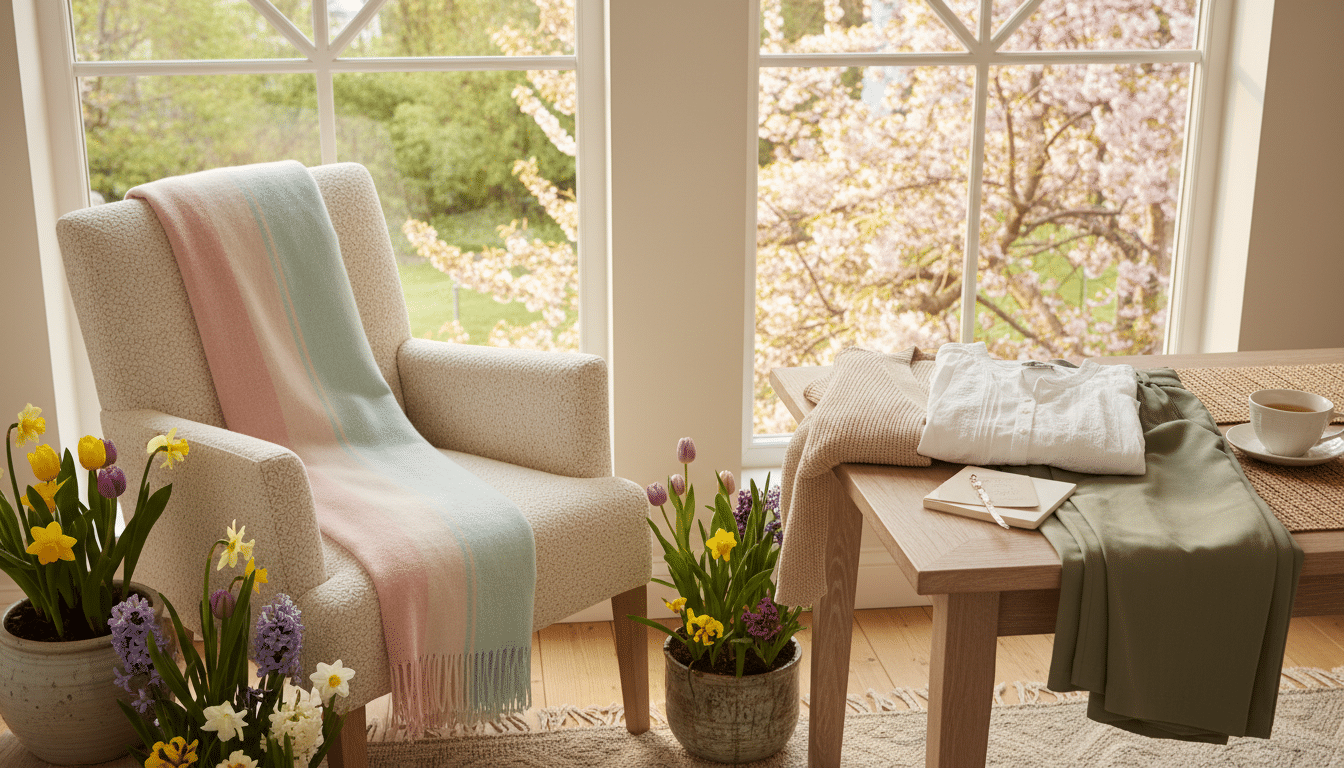
Spring and summer swaps
Swap heavy knits for lightweight sweaters and add linen pants that breathe. Trade dark denim for lighter washes.
Switch shoes to sandals and keep the same outfit formulas you love. A striped tee + light jeans still works; just change the layer and shoes.
Fall and winter swaps
Add cozy sweaters and warm outerwear. Pull boots into rotation and swap one dress for thicker knit options.
Sometimes one warmer layer and sturdier shoes are all you need to feel ready for cooler days.
Repeat core pieces year-round
The denim jacket, striped tee, and great jeans earn their place. They mix with spring linen and winter knits alike. Prioritize these pieces — they cut down how much you buy each year.
- Keep base neutrals so colors and swaps always match.
- Store off-season items out of sight; keep current pieces front and center in your closet.
- Seasonal updates can be as small as switching pairs of shoes or adding one layer.
| Season | Swap In | Keep |
|---|---|---|
| Spring | Lightweight sweater, linen pants | Denim jacket, striped tee |
| Summer | Sandals, breezy tops | Great jeans, graphic tee |
| Fall/Winter | Cozy sweaters, boots | Layering basics, neutral colors |
Shopping for Your Capsule Wardrobe Without Blowing the Budget
A calm shopping habit starts with a single need, not a wishlist. I pick one item I truly want, then hunt for the most comfortable version that fits real life.
Shop with intention
Decide the one thing you need—wide-leg jeans, a trench, or a denim jacket. Look for fabric that moves and details that last. That small rule keeps things useful.
Cost per wear, honestly
Use cost per wear as a reality check, not an excuse to overspend. If it won’t be a weekly pair or layer this year, pause before you buy.
Smart ways to shop
- Watch seasonal sale cycles and emails.
- Try secondhand options like Poshmark or FB Marketplace for quality finds.
- Check return policies—make sure you can try sizes at home.
Quick “Do I need this?” checklist
| Question | Why it matters |
|---|---|
| Matches 3+ items? | Makes it part of your daily outfits |
| Washable? | Real-life wear and care |
| Wear this season and year? | Timelessness saves money |
One steady purchase a month adds up. Build a practical wardrobe over the year and enjoy fewer cluttered carts and more worn things.
Conclusion
Small choices add up: one simple outfit habit can change a chaotic morning into a calm one.
Keep a tiny capsule of pieces that fit your life and body. Pick a clear color plan and store favorites at eye level in your closet. Repeat reliable outfits—jeans or leggings, one good layer, and a shoe you can move in—and you’ll save time each day.
Today’s next step can be tiny: clear one shelf, choose three go-to outfits, or pick a color to repeat. This approach shrinks decision fatigue and boosts quiet confidence.
You are worth that care. Start small, keep what works, let go of what doesn’t, and let your capsule evolve as life changes.