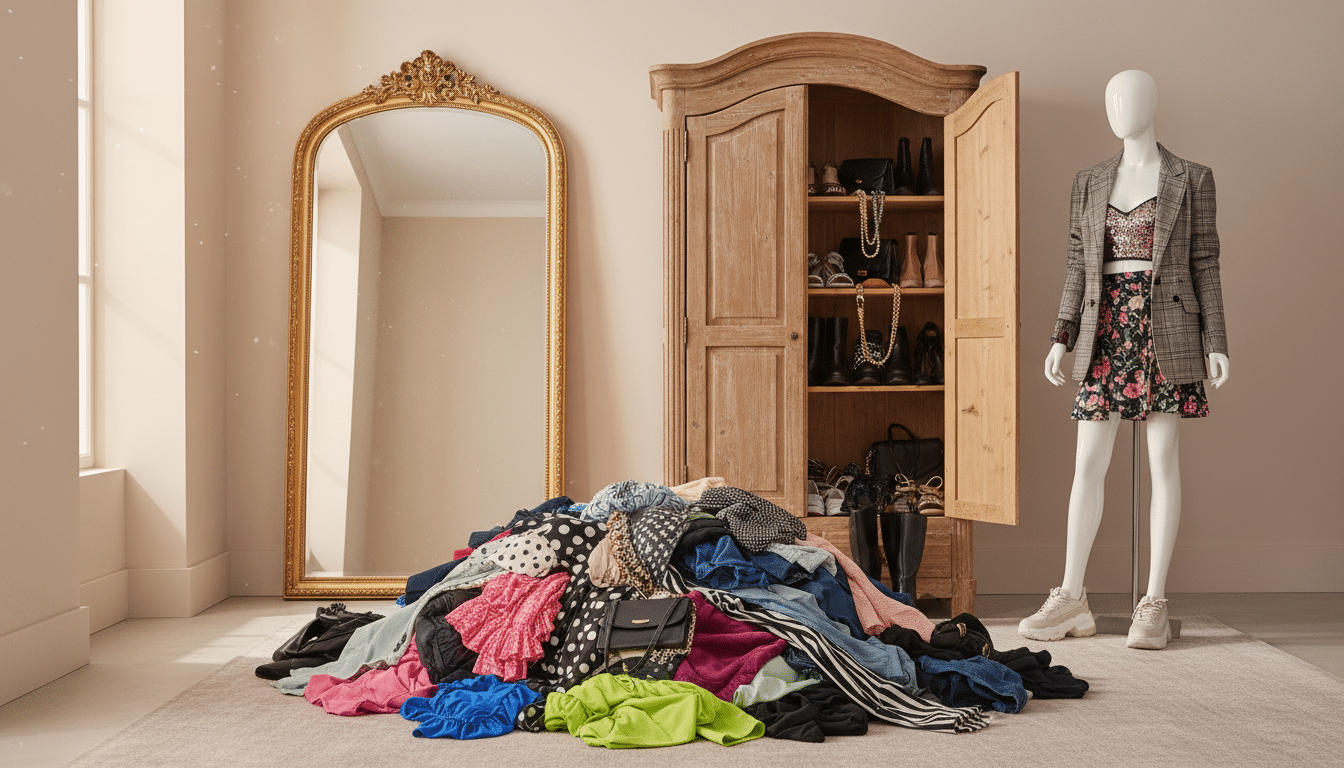
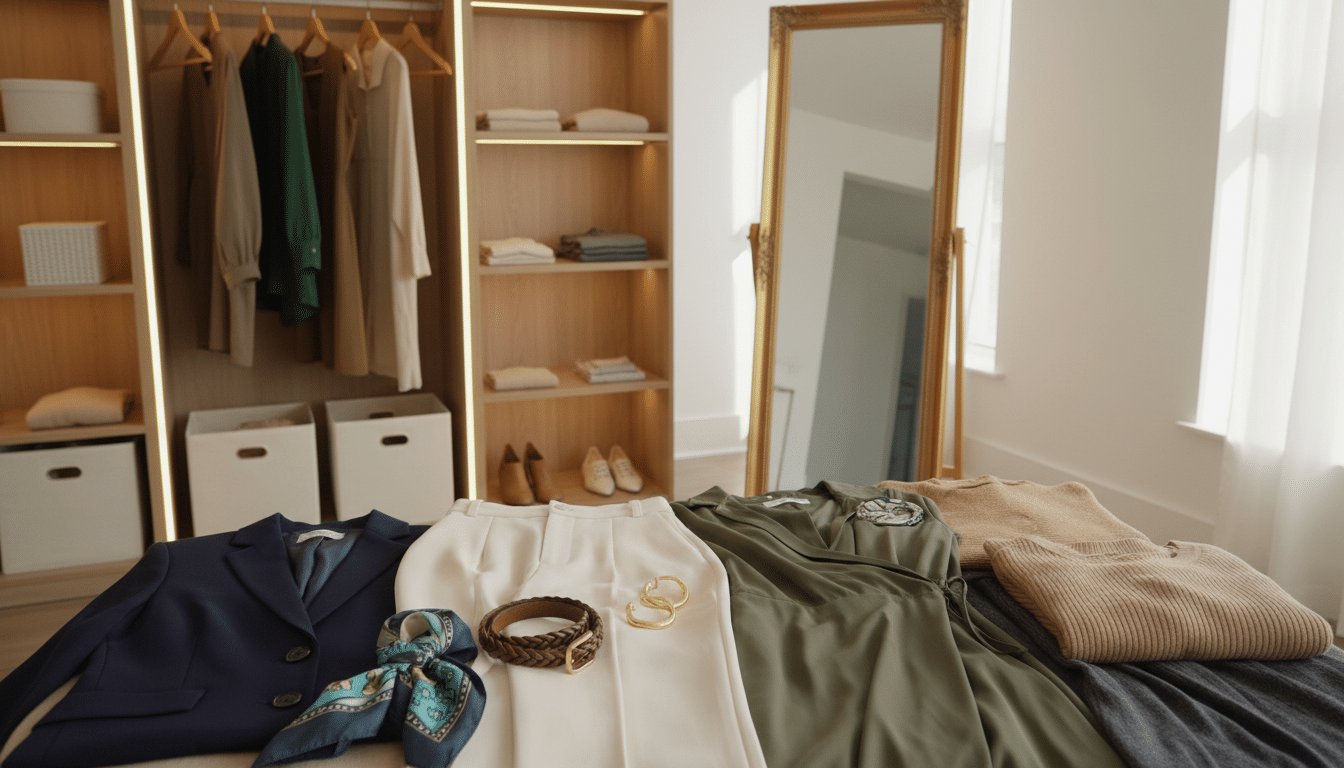
I know the odd mix of a full closet and “nothing to wear” feeling—capsule wardrobe for curvy women helped me stop that morning spin. I remember the relief of finding pieces that fit my shape and mood, so dressing felt calm, not chaotic.
Too many brands use different sizing and cuts, and that makes shopping tiring. I learned to plan around real life—work, errands, weekends—so every item earns its place.
My approach is simple: fewer, better pieces that play well together. I focus on fit, fabric, and a flexible color story. That way you reach for outfits that feel like you, not a trend.
Below I’ll share practical steps that respect your budget and your body. No perfect measurements needed—just a plan that makes mornings easier and boosts confidence.
Key Takeaways
- Build a small, mix-and-match set that suits your daily life.
- Prioritize fit and quality over chasing every trend.
- Use a neutral palette plus a few statement pieces you love.
- Plan around consistent sizes and reliable brands.
- The goal is ease and confidence, not wardrobe perfection.
Why a smaller wardrobe can make getting dressed easier (and feel better)
Mornings get simpler when your closet has fewer, thoughtful options that truly fit your life. I found that cutting down saves minutes and lowers that panicked, “what do I wear?” feeling.
Too many choices create choice overload. You stand in front of the rack and nothing seems to match. That leads to trying on multiple tops, running late, and settling for the least-bad outfit.
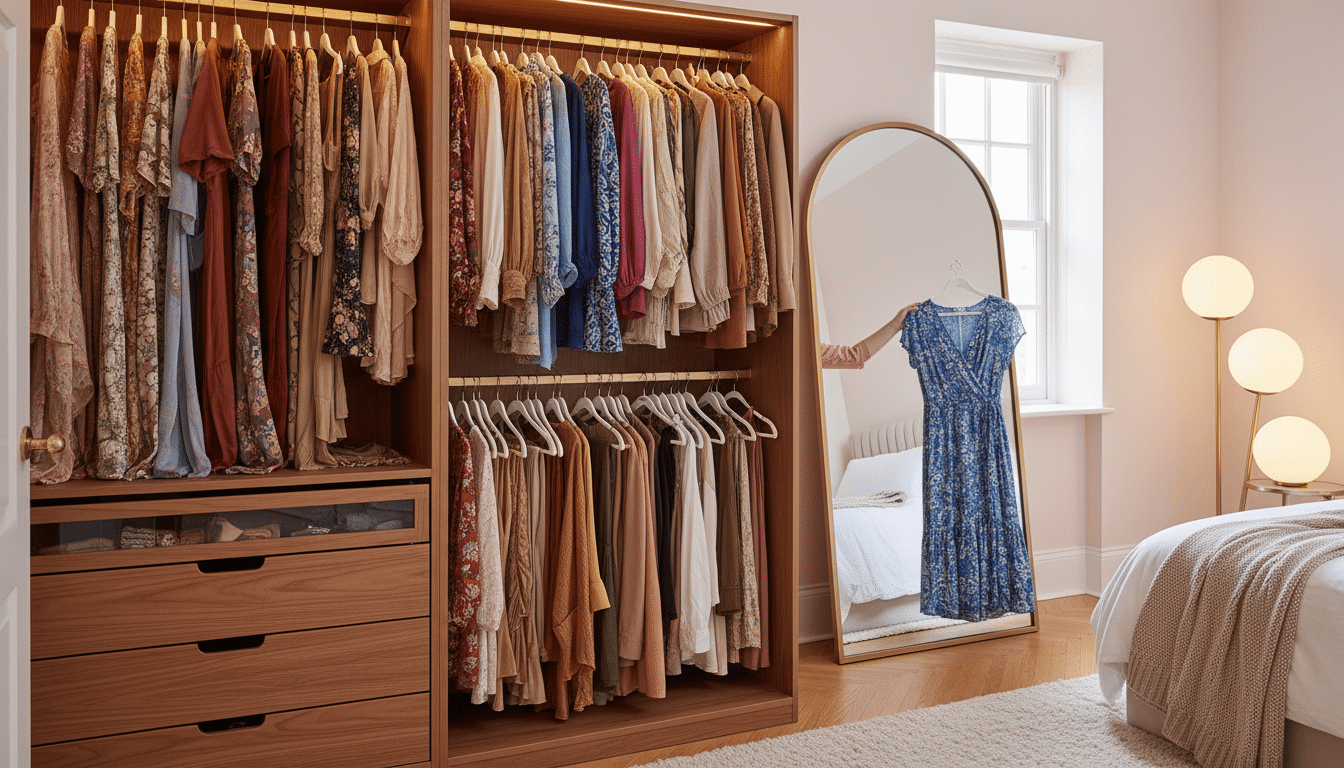
- Less decision fatigue: repeat outfits are okay. If an outfit makes you feel good, wear it more.
- Confidence from fit: clothing that fits your shape changes how you move and hold yourself.
- Quality over quantity: well-made pieces last longer and cost less per wear than many cheap items.
No guilt—your body changes and clothes should support you now. Focus on a small set of versatile items that work every day. That one shift brings faster mornings, less stress, and a calmer relationship with fashion.
What a capsule wardrobe really is and how many pieces you need
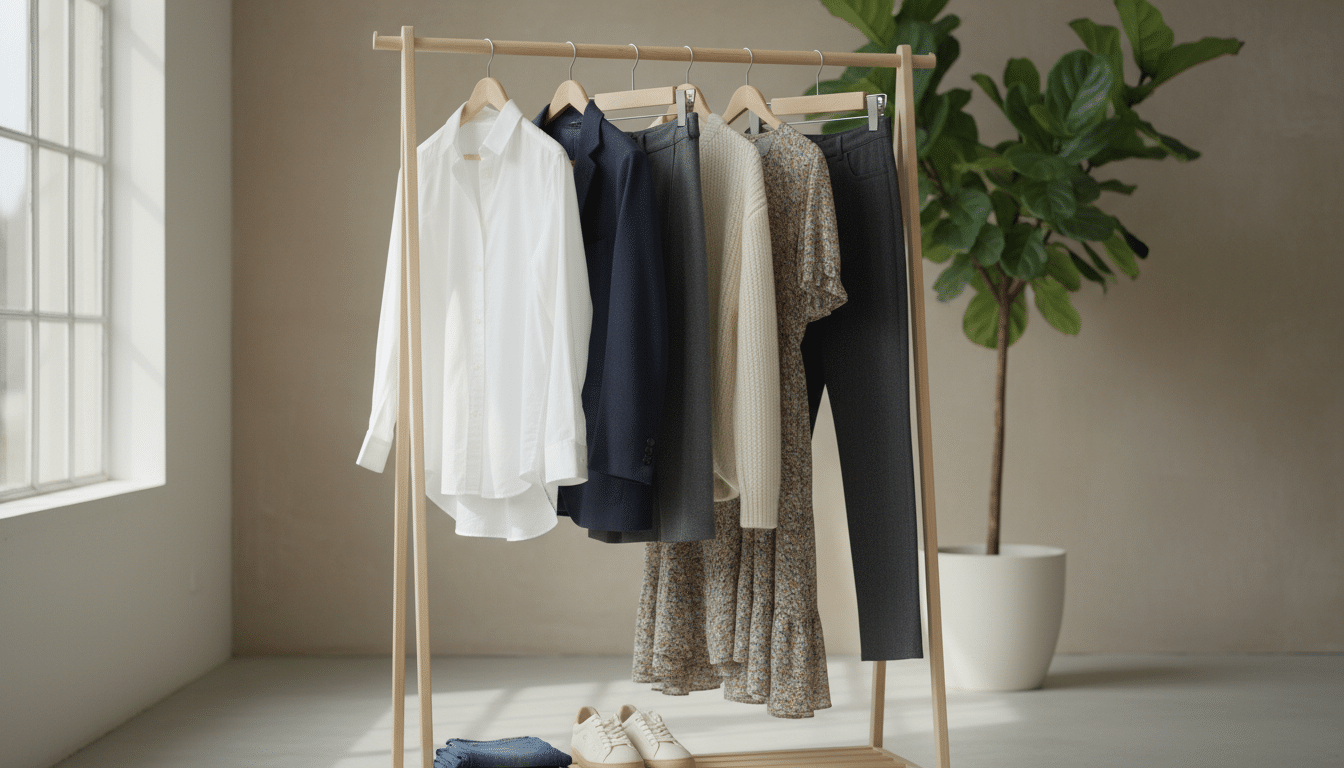
Think of a small, trusted set of clothes you reach for without second-guessing—that’s the idea. It’s a curated collection you can mix and match so dressing is faster and less stressful.
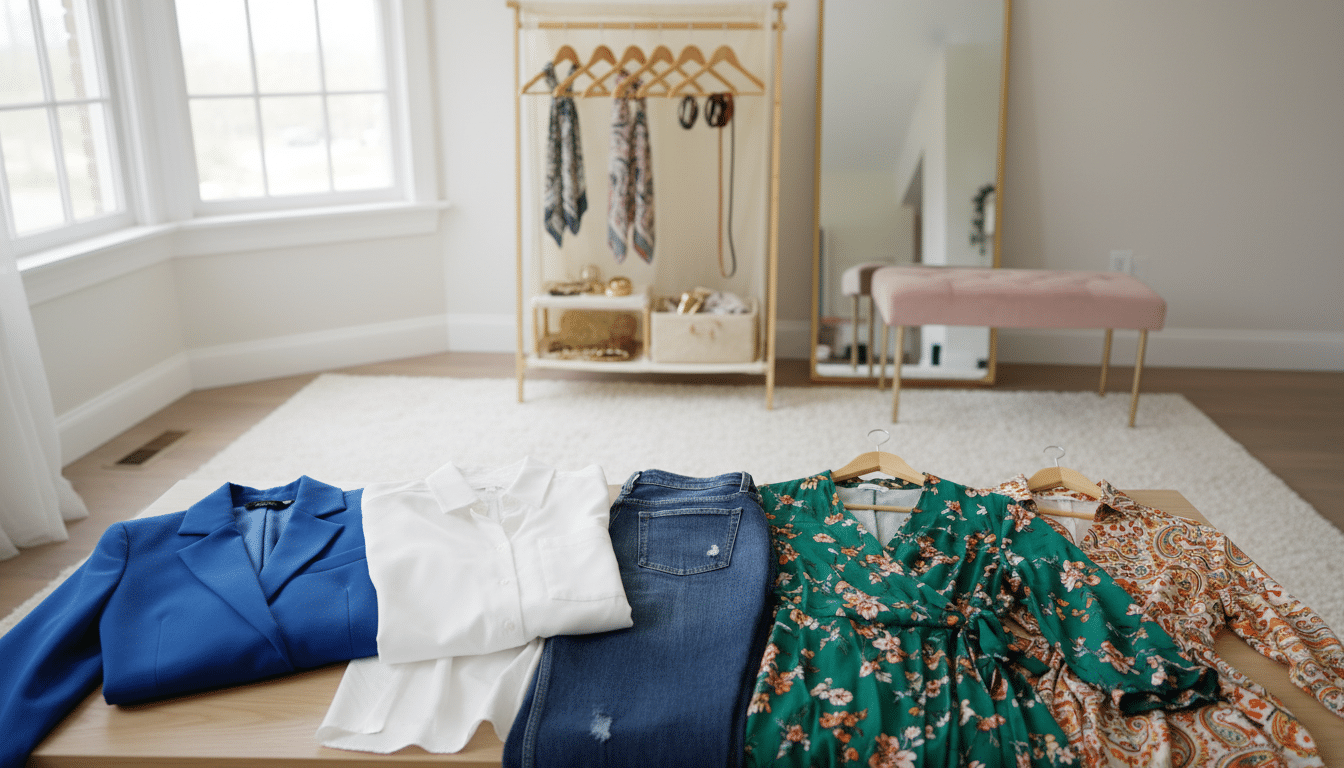
A simple definition
I describe it as a mix-and-match collection of versatile items. Each piece should work with several others so outfits form easily.
A realistic range
Most people aim for about 20–50 pieces. A teacher or someone who dresses up daily may lean toward 40–50. If you work from home, 20–30 feels plenty.
Choosing a color palette you won’t tire of
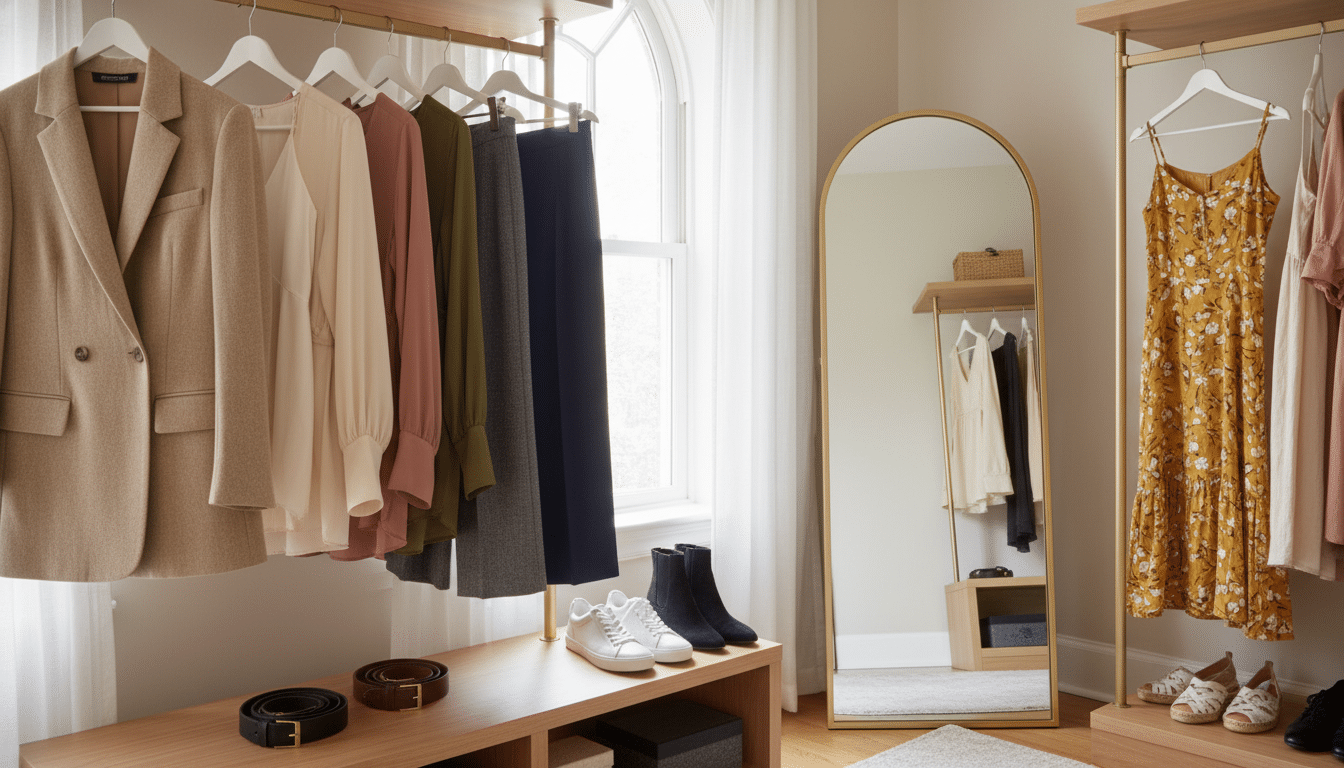
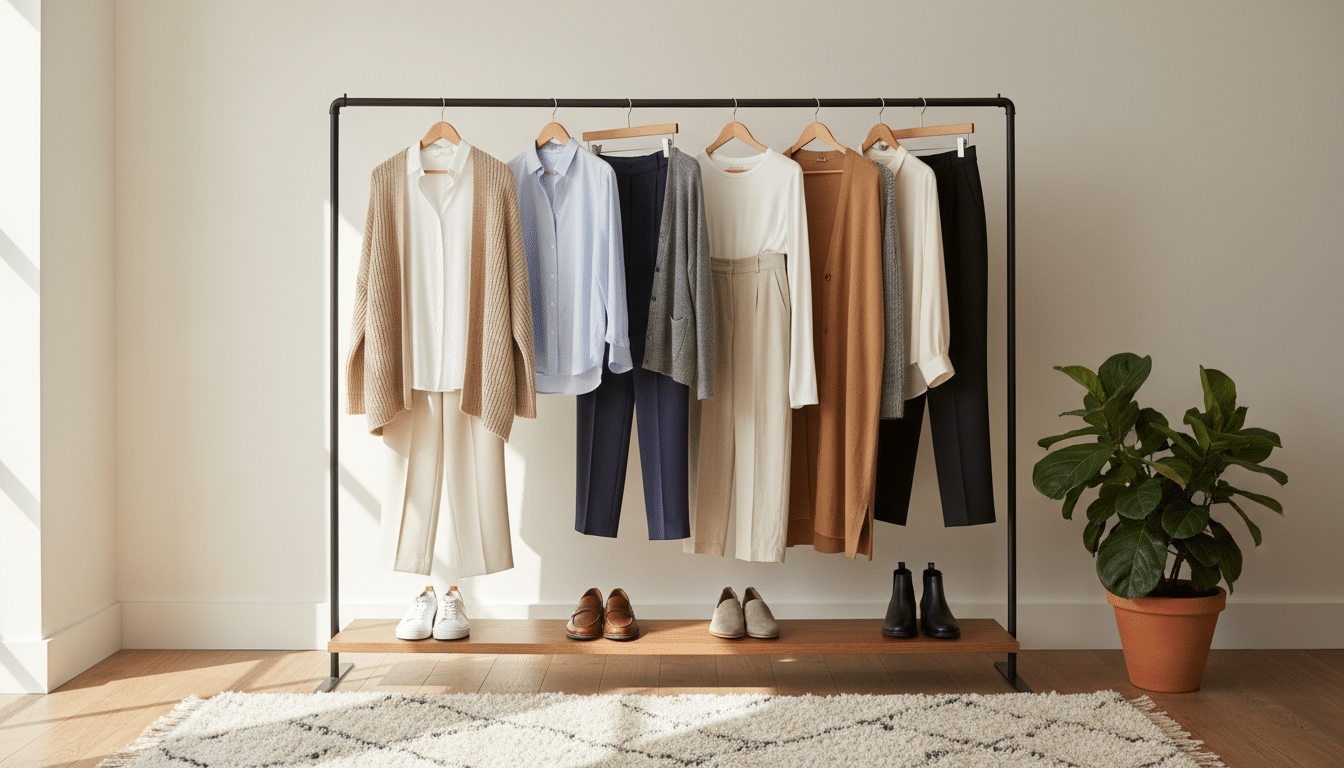
Start with neutrals—black, navy, gray, tan, denim—and add one or two colors you actually wear. Try combinations like black + denim + cream with burgundy, or navy + gray + white with emerald.
- Decide what counts: include shoes and coats only if you use them daily.
- Versatile doesn’t mean boring—pick statement colors you repeat in accessories or makeup.
Plan your capsule around your real life (not a Pinterest fantasy)
Start by listing what your week actually looks like—no Pinterest edits, just real plans. I ask myself: how many work days do I dress up, how casual are my weekends, and how often do I travel or go out at night?
Pick 3–5 typical activities and give each a rough percentage. For example: 60% work, 30% casual days, 10% going-out. That simple split keeps shopping honest and stops impulse buys of pieces you never wear.
Build a neutral base and a few realistic statement pieces
Choose a core of neutrals—black trousers, denim jacket, neutral tee—that mix across most outfits. Add one or two statement items you actually wear: a colored blazer, patterned skirt, or a dress that makes you smile.
- Map your week, assign percentages, then pick items that cover the top uses.
- Favor brands that fit you regularly—Amazon (The Drop), J.Crew, Madewell, Universal Standard, Eloquii—so returns are rare.
- Keep planning quick: finish the list in one sitting and shop with purpose.
| Typical Week Mix | Suggested Core Pieces | Statement Options | Example Outfit |
|---|---|---|---|
| 60% work | Black trousers, button-down, blazer | Color blazer | Blazer + trousers + flats |
| 30% casual days | Denim jacket, tees, jeans | Patterned scarf | Jeans + tee + denim jacket |
| 10% going-out | Simple dress, neutral heels | Statement dress or printed skirt | Dress + jacket + heels |
Audit your closet before you buy anything new
A calm closet starts with a single sweep: sort what you have before shopping. Do one category at a time—jeans, tops, dresses—so the job feels doable.
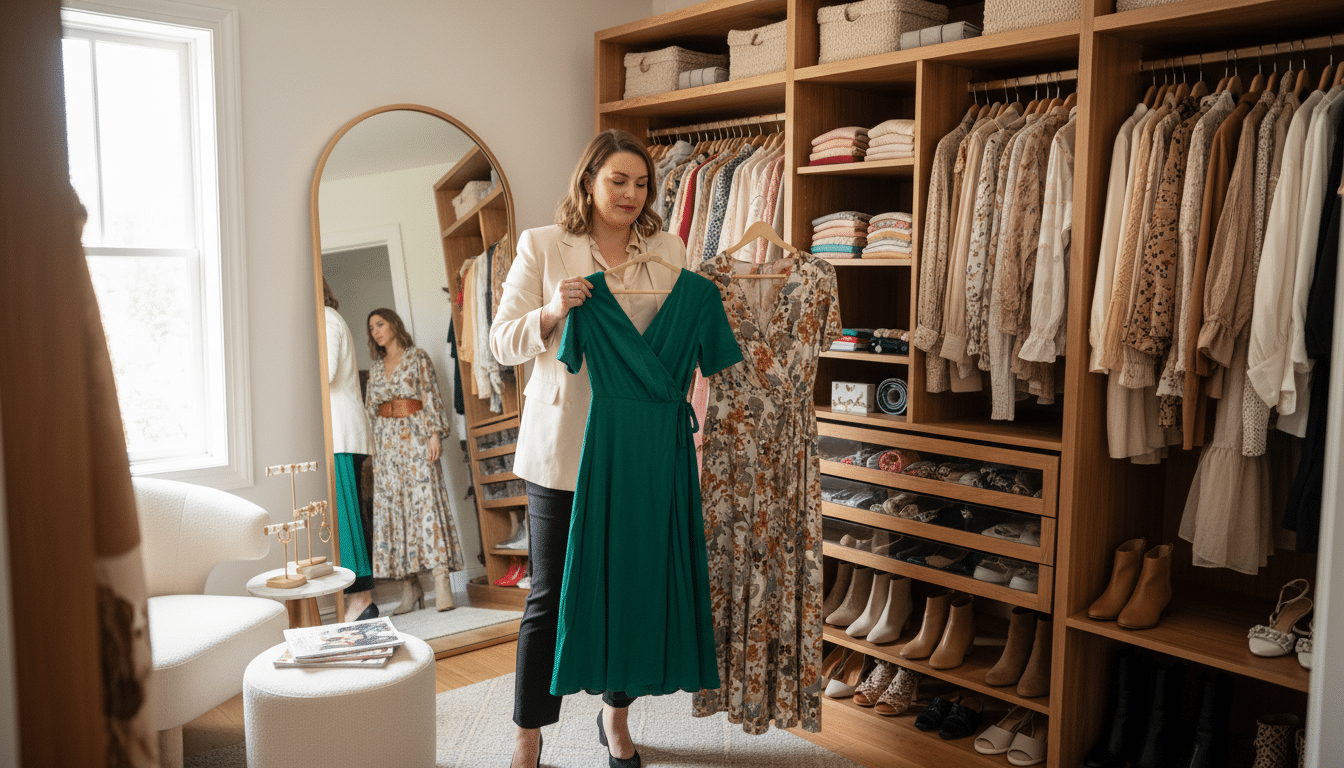
Make four piles as you go: keep, tailor, donate, replace. Use quick tests to decide: do you wear it monthly in season? Would you buy it again today? Does it feel good past ten minutes?
How I sort keep, tailor, donate, and replace without feeling overwhelmed
- Keep: items that fit, feel good, and mix with the collection you wear most.
- Tailor: pieces with great quality that need small fixes—hem, take in waist, or adjust sleeves.
- Donate: items that never get worn, have poor fit, or don’t reflect your current style.
- Replace: gaps that block outfits—swap only what will complete looks you actually wear.
Spotting wardrobe gaps: what you reach for vs. what just sits there
Lay out outfits you wear often. Note missing tops, jackets, or shoes that would make them complete. That shows real needs, not impulse wants.
Letting go of clothes that don’t fit right now (without shame)
Your size can change. That doesn’t mean the piece failed you. Passing items on makes room for clothing that supports how you live today.
| Pile | Quick decision cue | Action |
|---|---|---|
| Keep | Worn monthly; feels good | Return to closet in visible spot |
| Tailor | Good quality; small fit issue | Schedule alterations or set aside for tailor |
| Donate | Unworn; uncomfortable; outdated | Bag and drop at donation center |
| Replace | Blocks multiple outfits | Add one targeted item to shopping list |
Capsule wardrobe for curvy women: the core pieces that earn their spot
Pick pieces that earn their place by making mornings faster and outfits feel intentional. I look for items that mix into many looks, not just one trendy outfit.
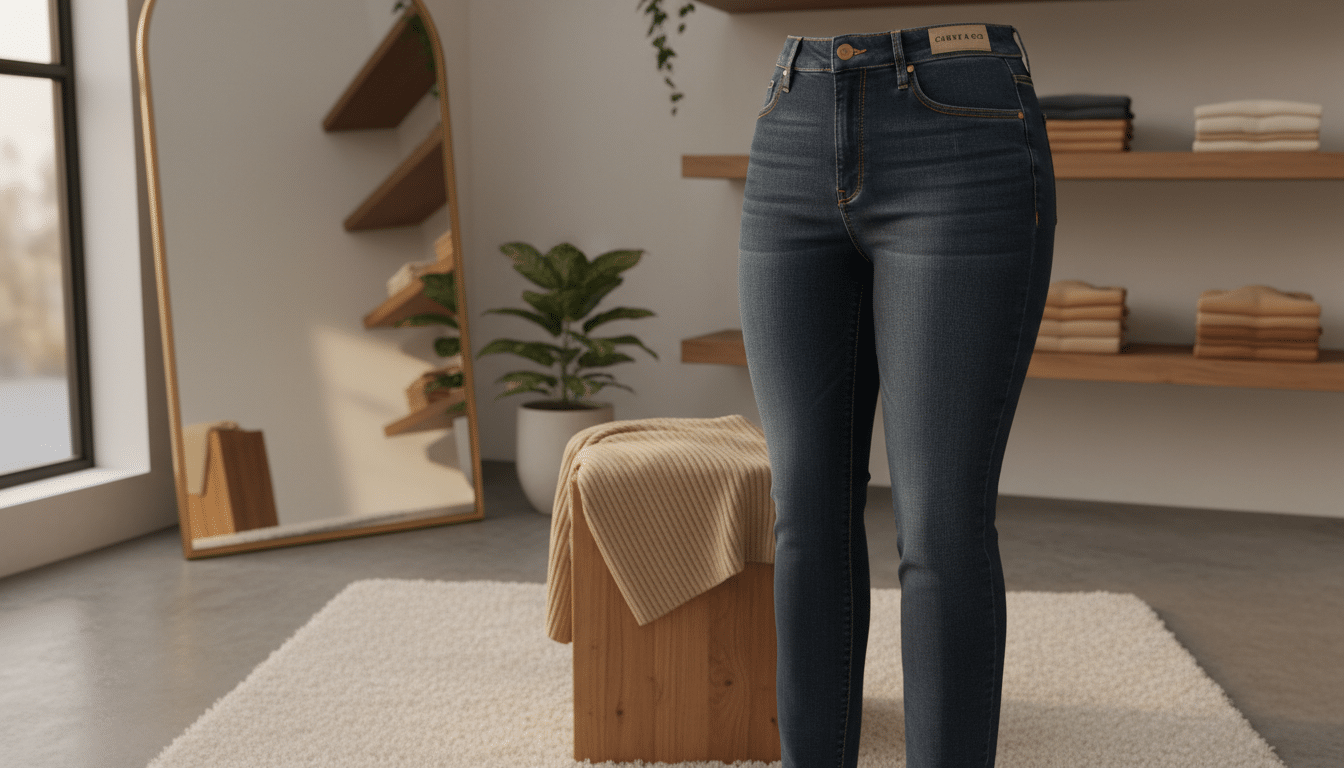
Jeans that don’t gap or dig in
Choose high-rise jeans with 1–3% elastane and a contoured waistband. That combo stops back gaping and keeps the pair sitting flat at the waist.
Quick checklist: waistband sits flat, pockets flatter the shape, and the hem works with sneakers and ankle boots.
Bottoms beyond denim
Relaxed trousers and wide-leg pants should skim the hips, not cling. An A-line skirt gives shape without fuss—easy to dress up or down.
Top layers that pull outfits together
A tailored blazer and a trench coat add instant polish. Keep a denim jacket and a moto jacket for casual days that need a little edge.
Dresses that work harder
Wrap dresses are forgiving and flattering. Knit dresses feel like comfort but look put-together. Add a day-to-night midi and a little black dress for layering options.
Tops and base layers
Stock a V-neck tee, a soft button-down blouse, a couple camis, and cozy cardigans. These tops make layering simple and help the fit of jackets and blazers feel intentional.
Shoes that mix with everything
Pick ankle boots, neutral flats, classic sneakers, and a comfortable pair of heels. Good shoes let you wear the same outfit with different finishes.
- Prioritize quality: fewer items that keep their shape and wash well.
- Buy a couple pairs of jeans that truly fit—one casual, one slightly dressier.
- Choose jackets with light waist definition to flatter your silhouette.
Need more outfit ideas that use these pieces? See my round-up of practical jeans outfit ideas to copy and adapt.
Fit tips that make capsule pieces look intentional (not “just basics”)
When pieces fit the right way, your whole look snaps into place. Good fit makes simple items feel edited and confident. I want you to try a few small moves and notice the change.
Quick body-shape guide
Apple: highlight your legs and add light waist definition with a soft belt or wrap top.
Pear: balance hips with structured shoulders or a cropped jacket that opens the torso.
Hourglass: show a hint of waist—wrap styles and belted coats work well.
Rectangle: create curves with peplum tops or a half-tuck and a belt to define the middle.
Inverted triangle: soften shoulders with A-line skirts or flowy bottoms to even the shape.
Little tweaks that change everything
Try a half-tuck to make a tee look styled. Add a slim belt to create waist shape. Hem pants so they hit right with ankle boots or heels—length often fixes an outfit more than a new top.
What to look for in jackets and dresses
Choose jackets with light shoulder structure and a nipped waist. Pick dresses that skim your body—not cling—so you feel comfortable and seen. Seams, wrap lines, or a built-in belt give shape without squeezing.
Shoe detail to watch
Skip ankle straps when you want a longer leg line. A cleaner top line on your shoes instantly makes legs read longer and helps an outfit feel put-together.
- Focus on fit first, then style. Small tailoring changes pay off.
- If something feels off, check the length before blaming your shape.
Mix-and-match outfit formulas you can copy on busy mornings
When time is tight, I reach for a few repeatable combos that always look ready. These are easy to memorize and quick to pull together—no overthinking required.
Jeans + tee + blazer + ankle boots
Here’s what I do: tuck a soft tee into dark jeans, add a fitted blazer, and finish with ankle boots.
It looks polished but still feels like every day dressing.
Bootcut jeans + fitted knit top + heeled boots
A slight flare balances hips and a slim top gives a long line.
Add heeled boots to elongate the silhouette. It’s my go-to when I want to look taller without fuss.
Midi dress + denim jacket + sneakers (then heels)
Wear a midi dress with a denim jacket and sneakers for errands or day plans.
Swap to heels for dinner and you’ve changed the mood without a full outfit swap.
Little black dress + tights + blazer or moto jacket
On cooler days I add tights and a blazer or a moto jacket.
It keeps the look fresh and intentional—even when I reach for the same dress twice that week.
- Keep 2–3 formulas as defaults so mornings feel decided.
- Add one signature accessory or a favorite bag to make each outfit feel like you.
| Formula | Key pieces | Why it works | Switch for night |
|---|---|---|---|
| Polished everyday | Jeans, tee, blazer, ankle boots | Mix of casual and structure feels put-together fast | Swap tee for silk blouse |
| Long line | Bootcut jeans, fitted knit, heeled boots | Flare + fitted top creates balance and length | Add a long coat |
| Day-to-night dress | Midi dress, denim jacket, sneakers | Comfort by day, easy upgrade for evening | Switch sneakers to heels |
| Cool-weather LBD | Little black dress, tights, blazer/moto | Single dress, many looks with outerwear | Boots or statement jewelry |
Conclusion
Start small—pick a simple palette, audit what you own, and choose a few core pieces you can wear three ways. I promise it beats shopping without a plan.
If an item doesn’t fit or feel like you, let it go without shame. Clothes should support your life, not complicate it.
Keep a short seasonal check-in. Spend ten minutes swapping in and out pieces so the set stays useful as weather and plans change.
When items fit well and work together, you gain more time and more confidence — without buying more stuff. That calm is worth the little bit of effort it takes to start.